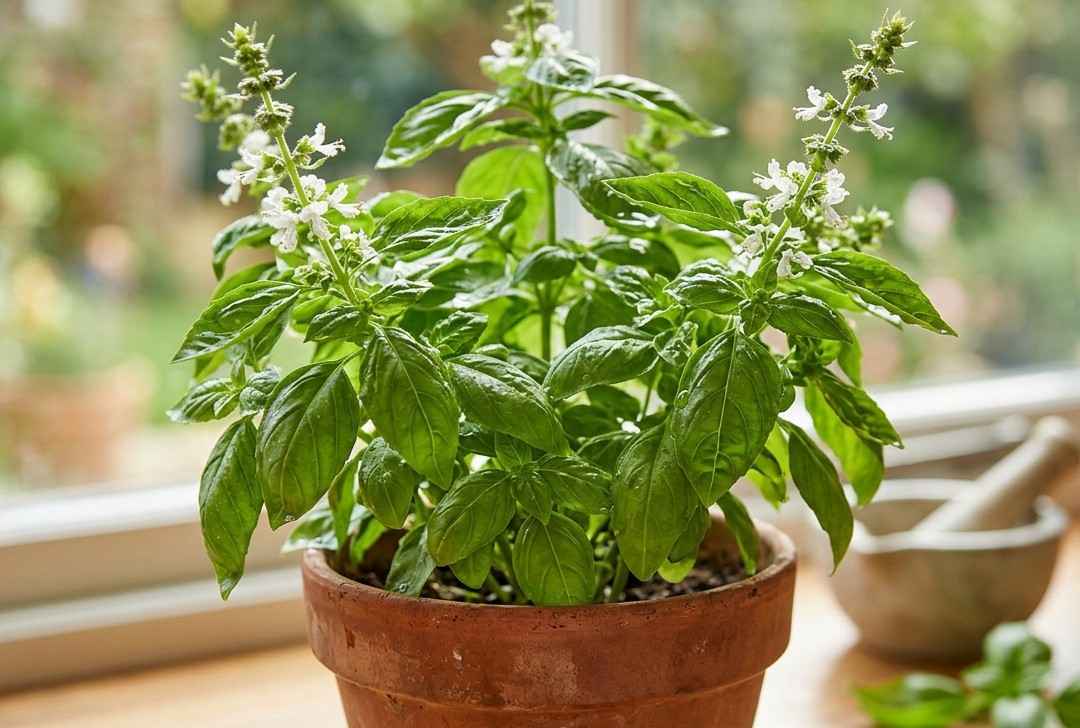
Basil is one of the world’s most popular culinary herbs, valued for its fresh aroma, pleasant flavor, and impressive nutritional profile. It has been used for centuries in Mediterranean, Asian, and Ayurvedic traditions, not only to enhance food but also to support overall health. Fresh basil leaves are rich in antioxidants, vitamins, minerals, and plant compounds that may help reduce inflammation, protect cells from damage, and promote heart, digestive, and immune health.
Whether you enjoy basil in salads, pesto, soups, herbal tea, or as a seasoning, this versatile herb can be an excellent addition to a balanced diet. While basil offers many health benefits, it should be consumed in moderation, especially by people taking certain medications or those with specific medical conditions.
In this guide, you’ll learn about basil’s nutrients, science-backed health benefits, possible side effects, recommended dosage, storage tips, and the best ways to include it in your daily meals.
What is Basil?
Basil (Ocimum basilicum) is an aromatic herb belonging to the mint (Lamiaceae) family. It is native to tropical regions of Asia and Africa but is now cultivated worldwide. Sweet basil is the most common variety used in cooking, although Thai basil, holy basil (Tulsi), lemon basil, and purple basil are also popular.
The leaves contain natural compounds such as eugenol, linalool, rosmarinic acid, and flavonoids that contribute to basil’s distinctive aroma and potential health benefits.
Nutrients and Compounds of Basil
| Nutrient/Compound | Health Role |
|---|---|
| Vitamin K | Supports normal blood clotting and bone health |
| Vitamin A (Beta-carotene) | Supports vision, skin, and immunity |
| Vitamin C | Powerful antioxidant that supports immune function |
| Vitamin E | Protects cells from oxidative damage |
| Calcium | Supports healthy bones and teeth |
| Magnesium | Helps muscles and nerves function properly |
| Potassium | Supports heart health and blood pressure balance |
| Iron | Essential for healthy red blood cells |
| Manganese | Supports metabolism and antioxidant enzymes |
| Folate | Important for cell growth and DNA production |
| Eugenol | Natural anti-inflammatory compound |
| Rosmarinic Acid | Strong antioxidant with anti-inflammatory properties |
| Linalool | May promote relaxation and stress relief |
| Flavonoids | Help protect cells against oxidative stress |
Types of Basil
There are many varieties of basil, each with its own unique flavor, aroma, and culinary use. Here are some of the most popular types:
1. Sweet Basil (Ocimum basilicum)
The most common variety, sweet Tulsi has a mildly sweet, peppery flavor and is widely used in Italian dishes, pesto, pasta, pizzas, and salads.
2. Holy Basil (Tulsi) (Ocimum tenuiflorum)
Aromatic and slightly spicy, holy basil is commonly used in Ayurvedic medicine and herbal teas for its potential wellness benefits.
3. Thai Basil (Ocimum basilicum var. thyrsiflora)
Known for its licorice- and anise-like flavor, Thai basil is a staple herb in Thai, Vietnamese, and Southeast Asian cuisine.
4. Lemon Basil (Ocimum × africanum)
This variety has a refreshing citrus aroma and flavor, making it ideal for seafood dishes, salads, desserts, and herbal teas.
5. Purple Basil (Ocimum basilicum var. purpurascens)
Recognized by its deep purple leaves, purple basil has a slightly stronger flavor than sweet basil and is often used in salads, garnishes, and infused vinegars.
6. Cinnamon Basil (Ocimum basilicum ‘Cinnamon’)
Featuring a warm cinnamon-like aroma, this variety pairs well with fruit salads, baked goods, teas, and spicy recipes.
7. Greek Basil (Ocimum basilicum var. minimum)
A compact variety with small leaves and an intense flavor, Greek basil is perfect for container gardening and Mediterranean cooking.
8. Genovese Basil (Ocimum basilicum ‘Genovese’)
A classic Italian basil with large, tender leaves and a sweet aroma, Genovese basil is considered the best variety for authentic pesto.
9. African Blue Basil (Ocimum kilimandscharicum × basilicum)
A perennial hybrid with a strong camphor-like fragrance, African Blue basil is commonly grown as an ornamental plant and for pollinator gardens.
10. Spicy Globe Basil (Ocimum basilicum ‘Spicy Globe’)
This small-leaved, bushy basil has a spicy flavor and is ideal for seasoning soups, sauces, salads, and vegetable dishes.
11. Cardinal Basil (Ocimum basilicum ‘Cardinal’)
Cardinal Tulsi features attractive red flower spikes and fragrant leaves, making it popular for both ornamental gardens and culinary use.
12. Lettuce Leaf Basil (Ocimum basilicum ‘Lettuce Leaf’)
With exceptionally large, crinkled leaves and a mild flavor, this variety is excellent for wraps, salads, and fresh sandwiches.
20 Proven Health Benefits of Basil
- Rich in Antioxidants: Basil contains powerful antioxidants that help protect cells from free radical damage.
- Supports Heart Health: Its antioxidants and potassium may contribute to maintaining healthy cardiovascular function.
- May Reduce Inflammation: Natural compounds like eugenol and rosmarinic acid help support a healthy inflammatory response.
- Boosts Immune Function: Vitamins A and Vitamin C contribute to normal immune system function.
- Supports Healthy Digestion: Basil may help reduce bloating and support digestive comfort.
- Promotes Healthy Skin: Antioxidants may help protect the skin from environmental damage.
- Supports Eye Health: Vitamin A and carotenoids contribute to maintaining healthy vision.
- Helps Maintain Healthy Bones: Vitamin K plays an important role in bone metabolism.
- May Support Blood Sugar Balance: Some studies suggest basil may help support healthy blood sugar levels alongside a balanced diet.
- Supports Brain Health: Antioxidants may help protect brain cells from oxidative stress.
- May Help Reduce Stress: Tulsi contains compounds that may promote relaxation and mental well-being.
- Supports Liver Function: Antioxidants may help protect liver cells from oxidative damage.
- May Help Fight Harmful Bacteria: Tulsi contains natural antimicrobial compounds.
- Supports Oral Health: Fresh basil may help reduce bacteria responsible for bad breath.
- Promotes Respiratory Wellness: Traditional herbal practices have used basil to support respiratory comfort.
- Supports Healthy Aging: Its antioxidant compounds may help reduce cellular damage associated with aging.
- May Promote Healthy Cholesterol Levels: Preliminary research suggests Tulsi may support healthy lipid metabolism.
- Supports Kidney Health: Adequate hydration with a balanced diet that includes herbs like Tulsi may contribute to kidney wellness.
- May Improve Appetite: Fresh basil’s aroma may stimulate appetite and improve meal enjoyment.
- Adds Nutrition with Few Calories: Tulsi enhances flavor while providing vitamins and antioxidants with minimal calories.
10 Side Effects of Basil
- Allergic Reactions: Some people may develop allergic symptoms after consuming Tulsi.
- May Increase Bleeding Risk: High vitamin K content may interfere with blood-thinning medications.
- Digestive Discomfort: Excessive intake may cause stomach upset in sensitive individuals.
- Blood Sugar Changes: Tulsi may lower blood sugar and require monitoring in people with diabetes.
- Possible Drug Interactions: Herbal supplements containing basil may interact with certain medications.
- May Cause Low Blood Pressure: Large amounts could contribute to lower blood pressure in susceptible individuals.
- Pregnancy Concerns with Supplements: Concentrated basil extracts should be used cautiously during pregnancy unless advised by a healthcare professional.
- Essential Oil Toxicity: Basil essential oil should not be consumed unless specifically formulated for internal use.
- Skin Irritation: Tulsi essential oil may cause irritation when applied undiluted.
- May Cause Nausea if Overconsumed: Very large amounts may occasionally lead to digestive discomfort.
How to Eat Basil?
Basil is incredibly versatile and can be enjoyed in many ways:
- Add fresh leaves to salads.
- Blend into homemade pesto.
- Sprinkle over pizza or pasta.
- Mix into soups and stews.
- Add to sandwiches and wraps.
- Blend into smoothies.
- Brew basil tea.
- Garnish grilled vegetables and meats.
- Mix into omelets.
- Add to homemade sauces.
Tips for Consuming Basil
- Choose fresh, vibrant green leaves.
- Wash thoroughly before eating.
- Add Tulsi near the end of cooking to preserve flavor.
- Pair with olive oil for enhanced flavor.
- Use fresh Tulsi whenever possible.
- Avoid excessive intake of basil supplements without medical advice.
- Include Tulsi as part of a varied diet.
How to Use Basil?
Tulsi can be used in several ways:
- Fresh herb
- Dried seasoning
- Basil tea
- Pesto sauce
- Smoothies
- Soups
- Herbal infusions
- Salad dressing
- Sandwich topping
- Garnish
Other Uses of Basil
- Natural Air Freshener: Fresh basil leaves provide a pleasant natural aroma indoors.
- Companion Plant: Tulsi helps attract pollinators and may discourage certain garden pests.
- Herbal Tea: Tulsi leaves can be brewed into a refreshing herbal beverage.
- Homemade Pesto: Tulsi is the primary ingredient in traditional pesto sauce.
- Flavoring Oil: Fresh Tulsi can be infused into olive oil for cooking.
- Natural Decoration: Tulsi plants add greenery to kitchens and herb gardens.
- Aromatherapy Ingredient: Tulsi essential oil is used in some aromatherapy products.
- Homemade Vinegar: Tulsi can be infused into vinegar for salad dressings.
- Cooking Garnish: Fresh leaves enhance the appearance and flavor of many dishes.
- Container Gardening: Tulsi grows well in pots, making it ideal for home gardens.
How Much Basil Can You Eat in a Day?
There is no official recommended daily intake for fresh basil.
For most healthy adults:
- ¼ to ½ cup (about 10–20 grams) of fresh basil daily is generally considered a reasonable amount as part of a balanced diet.
- Dried basil is typically used in much smaller amounts, around 1–2 teaspoons per day in recipes.
- Basil supplements should only be taken according to the manufacturer’s instructions or under healthcare supervision.
| Form | Typical Amount |
|---|---|
| Fresh basil | 10–20 g daily |
| Dried basil | 1–2 teaspoons daily |
| Basil tea | 1–2 cups daily |
| Basil supplements | Follow product label or healthcare advice |
Best Time to Eat Basil
Tulsi can be consumed at any time of the day.
- With lunch or dinner for maximum culinary benefits.
- In salads during daytime meals.
- As basil tea after meals to support digestion.
- Before workouts as part of a balanced meal.
- With healthy fats such as olive oil for better absorption of fat-soluble vitamins.
Who Should Eat Basil?
- Health-Conscious Adults: Tulsi is a nutritious addition to a balanced diet.
- People Seeking More Antioxidants: Its plant compounds help support overall wellness.
- Vegetarians and Vegans: Tulsi adds vitamins and minerals to plant-based meals.
- Older Adults: Nutrients like vitamin K support healthy bones.
- Individuals Supporting Heart Health: Tulsi fits well into heart-friendly eating patterns.
- People Looking to Add Flavor Naturally: Tulsi enhances meals without excess sodium.
- Home Gardeners: Freshly grown Tulsi offers convenience and freshness.
- Fitness Enthusiasts: Tulsi complements healthy meal preparation.
Who Should Avoid Basil?
- People Taking Blood Thinners: Vitamin K intake should remain consistent; consult a healthcare provider.
- Individuals Allergic to Basil: Avoid consumption if allergic reactions occur.
- People Using Basil Supplements During Pregnancy: Medical advice is recommended before use.
- Individuals Scheduled for Surgery: Discuss herbal supplements with a healthcare professional.
- People with Low Blood Pressure: Large supplemental doses may not be appropriate.
- Those Taking Diabetes Medications: Monitor blood sugar if consuming large amounts or supplements.
- Children Using Herbal Supplements: Use only under medical guidance.
- People Using Concentrated Essential Oils Internally: Avoid unless prescribed by a qualified healthcare professional.
How to Store Basil?
- Refrigerate Fresh Basil Carefully: Store stems in water and loosely cover the leaves.
- Avoid Cold Damage: Do not expose Tulsi to extremely low refrigerator temperatures for extended periods.
- Keep Leaves Dry: Moisture encourages spoilage.
- Freeze for Long-Term Storage: Freeze chopped Tulsi with olive oil in ice cube trays.
- Dry Properly: Air-dry or use a dehydrator before storing dried basil.
- Use Airtight Containers: Store dried Tulsi away from heat, moisture, and sunlight.
- Check for Freshness: Discard leaves that become slimy or moldy.
- Harvest Regularly: Frequent harvesting encourages healthy plant growth.
Precautions and Interactions
- Consult Your Healthcare Provider: Speak with a professional before using Tulsi supplements if you have medical conditions.
- Monitor Blood-Thinning Medication: Keep vitamin K intake consistent while taking anticoagulants.
- Watch Blood Sugar Levels: Monitor glucose if taking diabetes medications.
- Use Essential Oil Properly: Never ingest basil essential oil unless approved for internal use.
- Avoid Excessive Supplement Use: More is not always better.
- Stop Before Surgery: Herbal supplements may need to be discontinued before procedures.
- Choose Reputable Products: Purchase supplements from trusted manufacturers.
- Use as Part of a Balanced Diet: Tulsi should complement—not replace—a nutritious eating pattern.
Conclusion
Basil is much more than a flavorful culinary herb. It provides vitamins, minerals, antioxidants, and beneficial plant compounds that may support heart health, immunity, digestion, and overall well-being. Adding fresh Tulsi to salads, soups, pasta, sandwiches, and homemade pesto is an easy way to increase both flavor and nutrition.
Although Tulsi is safe for most people when eaten in normal food amounts, concentrated supplements and essential oils should be used with caution, particularly by people taking blood-thinning medications or those with certain health conditions. Enjoy Tulsi as part of a balanced diet to gain its nutritional benefits while minimizing potential risks.
FAQ’s
Is it okay to eat basil every day?
Yes. Most healthy adults can safely eat fresh Tulsi daily in moderate amounts as part of a balanced diet.
What is basil good for?
Tulsi is rich in antioxidants, vitamins, and minerals that may support heart health, immunity, digestion, and overall wellness.
Can basil help reduce inflammation?
Yes. Tulsi contains natural compounds such as eugenol and rosmarinic acid, which have anti-inflammatory properties.
Is basil good for weight loss?
Tulsi is low in calories and can add flavor to meals without extra fat or sugar, making it a healthy addition to a weight management diet.
Can I eat basil leaves raw?
Yes. Fresh Tulsi leaves can be eaten raw in salads, sandwiches, wraps, and as a garnish.
Is basil good for the immune system?
Yes. Tulsi provides vitamin C, vitamin A, and antioxidants that help support normal immune function.
Does basil lower blood sugar?
Some studies suggest Tulsi may help support healthy blood sugar levels, but it should not replace diabetes medication.
Is basil good for digestion?
Yes. Tulsi may help support healthy digestion and reduce occasional bloating or stomach discomfort.
Can basil help lower blood pressure?
Tulsi contains potassium and beneficial plant compounds that support heart health, but more research is needed to confirm its effects on blood pressure.
Is basil safe during pregnancy?
Fresh Tulsi used in cooking is generally considered safe. However, basil supplements or concentrated extracts should only be used after consulting a healthcare provider.
Can children eat basil?
Yes. Fresh Tulsi is safe for children when used in normal food amounts.
What is the difference between basil and holy basil (Tulsi)?
Sweet basil is commonly used in cooking, while holy basil (Tulsi) is traditionally used as a medicinal herb in Ayurveda. They are different species with different uses.
Can basil be eaten at night?
Yes. Tulsi can be eaten at any time of the day, including at dinner or as a mild herbal tea in the evening.
Is dried basil as healthy as fresh basil?
Dried Tulsi still contains beneficial compounds, but fresh Tulsi generally provides higher levels of certain vitamins, especially vitamin C.
Is basil a fruit or a vegetable?
Neither. Basil is classified as a culinary herb from the mint family.
What does basil taste like?
Tulsi has a fresh, slightly sweet, peppery flavor with hints of mint, clove, and anise, depending on the variety.
How to harvest basil?
Harvest Tulsi by pinching or cutting the top leaves just above a pair of leaf nodes. Regular harvesting encourages the plant to become bushier and produce more leaves.
How to grow basil?
Grow Tulsi in well-drained soil with 6–8 hours of sunlight daily. Water regularly, keep the soil moist but not soggy, and pinch off flower buds to encourage leaf growth.
What is basil called in India?
Sweet basil is commonly called Babui Tulsi or simply Basil, while Holy Basil is known as Tulsi, an important herb in Ayurveda.
What is the Arabic name for basil?
Basil is commonly known as Raihan in Arabic.
Which is better, chia or basil seeds?
Both are nutritious. Chia seeds contain more omega-3 fatty acids and fiber, while basil seeds are lower in calories and are commonly used in cooling drinks. The better choice depends on your nutritional needs.
Can basil reduce belly fat?
No single food can specifically reduce belly fat. Tulsi can be part of a healthy diet, but weight loss requires a balanced diet, regular exercise, and a calorie deficit.
Can I boil basil leaves and drink them?
Yes. Fresh or dried Tulsi leaves can be boiled to make Tulsi tea, which is a refreshing caffeine-free herbal drink.
Can diabetics eat basil?
Yes. Fresh Tulsi can be included in a diabetes-friendly diet. Some studies suggest it may help support healthy blood sugar levels, but it should not replace prescribed medication.
Is basil better cooked or raw?
Both are healthy. Raw basil retains more heat-sensitive nutrients, while cooked Tulsi still provides beneficial antioxidants and flavor.
What are the medicinal uses of basil?
Traditionally, Tulsi has been used to support digestion, respiratory health, immune function, stress management, and overall wellness. More research is needed to confirm some of these uses.
Which part of the basil plant do you eat?
The leaves are the most commonly eaten part. Tender stems, flowers, and seeds of some Tulsi varieties are also edible.
How do I cook with fresh basil?
Add fresh Tulsi near the end of cooking to preserve its flavor and aroma. It works well in pasta, soups, sauces, pizzas, stir-fries, and pesto.
Which is healthier, spinach or basil?
Both are highly nutritious. Spinach is typically eaten in larger quantities and provides more iron and folate, while basil is richer in certain antioxidants and vitamin K per serving.
What is the best way to consume basil leaves?
The best way is to eat fresh Tulsi in salads, pesto, sandwiches, soups, or as a garnish. You can also enjoy it as herbal tea.
Are basil and palak the same?
No. Tulsi is a fragrant herb from the mint family, while palak is spinach, a leafy green vegetable. They are different plants with different nutritional profiles and culinary uses.
Is basil good for the liver?
Tulsi contains antioxidants that may help protect liver cells from oxidative stress. However, more human studies are needed to confirm its effects on liver health.
Sources / References:
- U.S. Department of Agriculture (USDA) FoodData Central
- National Institutes of Health (NIH)
- National Center for Complementary and Integrative Health (NCCIH)
- Harvard T.H. Chan School of Public Health
- World Health Organization (WHO)
About the Author:
Written by: Kirti Solanki (Health Content Researcher)
Kirti Solanki is a Health Content Researcher who creates evidence-based, reader-friendly wellness articles using trusted medical resources and current nutrition research. Her goal is to make complex health information accurate, practical, and easy to understand.
Disclaimer:
This guide is for educational purposes only and should not be considered medical advice. Consult a qualified healthcare professional before making significant dietary changes or using herbal supplements, especially if you are pregnant, breastfeeding, taking medications, or have a medical condition.
Also Read: