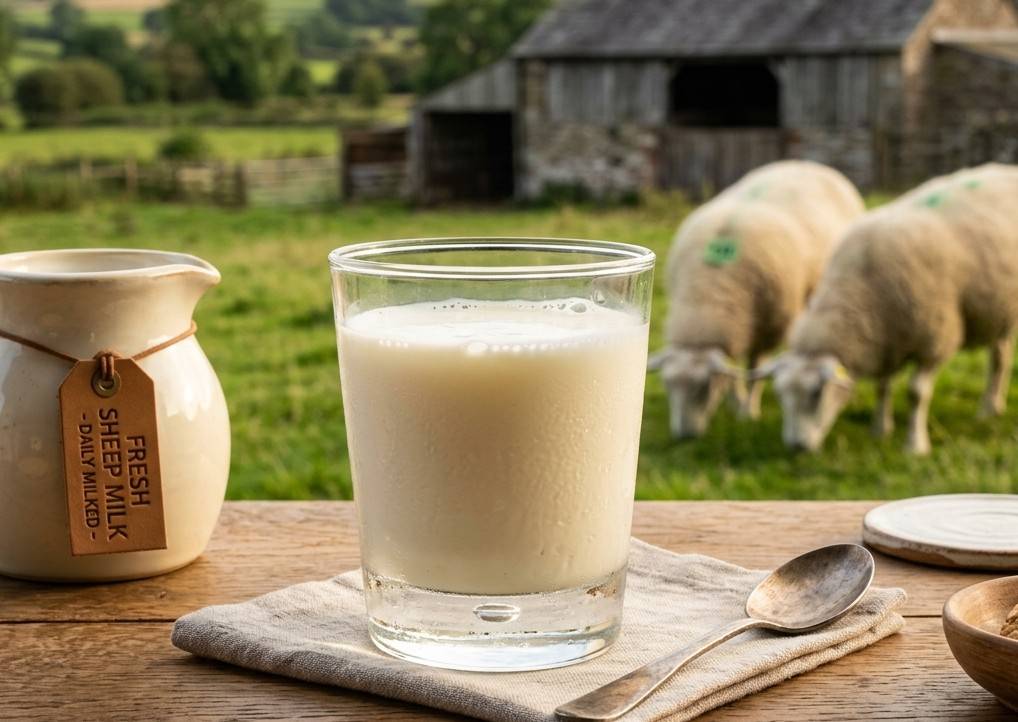
Sheep milk is one of the most nutrient-dense types of milk consumed around the world. Although less common than cow or goat milk, it has been a staple food in Mediterranean countries, the Middle East, and parts of Europe for thousands of years. Rich in high-quality protein, calcium, healthy fats, vitamins, and essential minerals, sheep milk is often used to make premium cheeses, yogurt, kefir, and other dairy products.
Compared with cow milk, sheep milk contains more protein, calcium, phosphorus, and several vitamins, making it a valuable choice for people looking to improve their nutrient intake. While it offers many health benefits, it may not be suitable for everyone, especially those with dairy allergies or lactose intolerance.
This guide explores the nutrition, proven health benefits, possible side effects, and the best ways to include sheep milk in a healthy diet.
What is Sheep Milk?
Sheep milk is the milk produced by female sheep (ewes). It has a rich, creamy texture and a naturally sweet flavor because of its higher fat and protein content compared with cow milk.
It is widely used to produce famous cheeses such as Roquefort, Pecorino Romano, Manchego, and Feta. Sheep milk also contains naturally occurring bioactive compounds, beneficial fats, and essential amino acids that support overall health.
Nutrition Facts of Sheep Milk (Per 100 ml)
| Nutrient | Amount |
|---|---|
| Calories | 108 kcal |
| Protein | 5.6 g |
| Fat | 7.0 g |
| Carbohydrates | 5.4 g |
| Lactose | 4.8–5.0 g |
| Calcium | 193 mg |
| Phosphorus | 158 mg |
| Potassium | 137 mg |
| Magnesium | 18 mg |
| Zinc | 0.6 mg |
| Iron | 0.1 mg |
| Vitamin A | 57 mcg |
| Vitamin B2 (Riboflavin) | 0.35 mg |
| Vitamin B12 | 0.7 mcg |
| Vitamin D | Small amounts |
| Selenium | 4 mcg |
Values are approximate and may vary depending on breed, season, and feeding practices.
20 Science-Backed Health Benefits of Sheep Milk
- Rich Source of High-Quality Protein: Sheep milk provides all essential amino acids needed for muscle growth, tissue repair, and overall body maintenance.
- Excellent for Bone Health: Its high calcium and phosphorus content supports strong bones and may help reduce the risk of osteoporosis.
- Supports Healthy Teeth: Calcium, phosphorus, and protein work together to strengthen tooth enamel and maintain oral health.
- Boosts Muscle Recovery: The naturally high protein content makes sheep milk beneficial after exercise or physical activity.
- Promotes Immune Function: Zinc, selenium, and vitamin A help support a healthy immune system.
- Supports Heart Health: Sheep milk contains beneficial fatty acids, including conjugated linoleic acid (CLA), which may support cardiovascular health when consumed as part of a balanced diet.
- Provides Long-Lasting Energy: Healthy fats and protein help maintain steady energy levels throughout the day.
- Improves Satiety: Its rich nutrient profile helps increase fullness, which may reduce unnecessary snacking.
- Supports Brain Function: Vitamin B12 and healthy fats contribute to normal brain function and nervous system health.
- Promotes Healthy Skin: Vitamin A, protein, and healthy fats help maintain skin structure and hydration.
- Supports Red Blood Cell Formation: Vitamin B12 plays an essential role in producing healthy red blood cells.
- May Improve Gut Health: Fermented sheep milk products such as yogurt and kefir contain probiotics that support digestive health.
- Contains Powerful Antioxidants: Selenium and vitamin A help protect cells against oxidative stress.
- Supports Healthy Metabolism: B vitamins assist in converting food into usable energy.
- May Help Maintain Healthy Blood Pressure: Potassium helps regulate fluid balance and supports normal blood pressure.
- Supports Healthy Pregnancy Nutrition: When pasteurized, milk provides important nutrients like calcium and protein needed during pregnancy.
- Contributes to Healthy Weight Management: Protein-rich foods like sheep milk can promote fullness and preserve lean muscle mass.
- Supports Healthy Hair Growth: High-quality protein and zinc contribute to healthy hair structure.
- Provides Easily Digestible Fat Globules: Some people find milk easier to digest than cow milk because of its smaller fat globules, although individual tolerance varies.
- Supplies Multiple Essential Nutrients: Sheep milk offers a concentrated source of vitamins and minerals that support overall health and wellness.
10 Side Effects of Sheep Milk
- High in Calories: Its rich fat content may contribute to excess calorie intake if consumed in large amounts.
- Contains Saturated Fat: Drinking excessive amounts may increase saturated fat intake.
- Not Suitable for Milk Allergy: People with a dairy protein allergy should avoid sheep milk.
- May Cause Lactose Intolerance Symptoms: Individuals with lactose intolerance may experience bloating, gas, or diarrhea.
- Possible Digestive Discomfort: Drinking too much at once may cause stomach discomfort in some individuals.
- May Trigger Allergic Reactions: Symptoms such as rash, swelling, or breathing difficulty require immediate medical attention.
- Can Increase Daily Fat Intake: Large servings may exceed recommended fat intake.
- Not Recommended Unpasteurized: Raw sheep milk may contain harmful bacteria that increase the risk of foodborne illness.
- May Be Expensive: Limited availability often makes milk more costly than cow milk.
- Not Ideal for Certain Kidney Conditions: Its high phosphorus and protein content may require restriction in people with advanced kidney disease.
How to Drink Sheep Milk?
Milk can be enjoyed in several delicious ways:
- Drink it chilled or warm.
- Blend it into smoothies.
- Add it to coffee or tea.
- Pour it over breakfast cereals.
- Mix it into protein shakes.
- Use it in homemade hot chocolate.
- Make yogurt or kefir.
- Add it to soups for extra creaminess.
Tips for Consuming Sheep Milk
- Choose pasteurized sheep milk whenever possible.
- Start with small servings if trying it for the first time.
- Refrigerate immediately after opening.
- Pair it with fruits or whole grains for balanced nutrition.
- Avoid adding excessive sugar.
- Consume within the recommended storage period.
- Select products from trusted dairy producers.
- If lactose sensitive, consider fermented sheep milk products.
How to Use Sheep Milk?
Milk is incredibly versatile in cooking.
- Make creamy yogurt.
- Prepare kefir.
- Produce artisan cheese.
- Use in baking cakes and breads.
- Add to creamy sauces.
- Make puddings and custards.
- Blend into soups.
- Prepare ice cream.
- Cook oatmeal.
- Make nutritious smoothies.
Other Uses of Sheep Milk
Besides drinking, milk has many additional uses:
- Cheese production.
- Yogurt manufacturing.
- Butter making.
- Ice cream production.
- Infant formula research (specialized formulations).
- Cosmetic products.
- Soap making.
- Moisturizing skin creams.
- Protein supplements.
- Traditional fermented dairy products.
How Much Sheep Milk Can You Drink in a Day?
For most healthy adults, 1–2 cups (240–480 ml) of pasteurized sheep milk per day can fit into a balanced diet, depending on overall calorie needs and dairy intake.
Children, older adults, athletes, and pregnant women may have different nutritional requirements. If you have kidney disease, heart disease, lactose intolerance, or other medical conditions, consult a healthcare professional for personalized advice.
Best Time to Drink Sheep Milk
There is no single best time, but these are common options:
- Morning with breakfast for sustained energy.
- After workouts for protein and muscle recovery.
- Between meals as a filling snack.
- Before bedtime as part of an evening routine if well tolerated.
Who Should Drink Sheep Milk?
- Growing Children: It supplies protein and calcium needed for growth and development.
- Athletes: Its high-quality protein supports muscle recovery after exercise.
- Older Adults: Calcium and protein help maintain bone and muscle health with aging.
- Pregnant Women: Pasteurized milk provides important nutrients for maternal and fetal health.
- Breastfeeding Mothers: It contributes protein and minerals that support increased nutritional needs.
- People with Higher Protein Needs: It offers concentrated protein in a relatively small serving.
- Individuals Looking to Increase Calcium Intake: Sheep milk is naturally rich in calcium for bone health.
- People Seeking Nutrient-Dense Foods: It delivers multiple vitamins and minerals in every serving.
Who Should Avoid Sheep Milk?
- People with Milk Allergy: Sheep milk proteins can trigger allergic reactions similar to cow milk.
- Individuals with Severe Lactose Intolerance: It still contains lactose and may cause digestive symptoms.
- People with Advanced Kidney Disease: High phosphorus and protein intake may not be appropriate.
- Those Following Low-Saturated Fat Diets: Its naturally higher fat content may not align with dietary recommendations.
- Anyone Allergic to Sheep Dairy Products: Complete avoidance is recommended.
- People Advised to Limit Dairy Intake: Follow individualized guidance from a healthcare provider.
How to Store Sheep Milk?
- Keep Refrigerated: Store at or below 40°F (4°C).
- Seal the Container Properly: Close the lid tightly after every use.
- Avoid Temperature Fluctuations: Return the milk to the refrigerator immediately after pouring.
- Use Before Expiration Date: Follow the manufacturer’s storage recommendations.
- Do Not Leave at Room Temperature: Prolonged exposure increases bacterial growth.
- Freeze if Needed: Sheep milk can be frozen for longer storage, although texture may change after thawing.
- Check for Spoilage: Discard milk if it develops an off smell, sour taste, or unusual appearance.
Precautions and Interactions
- Always choose pasteurized milk unless otherwise advised by qualified food safety authorities.
- People with milk allergies should avoid milk completely.
- Those with lactose intolerance should monitor their tolerance or consider fermented products.
- Individuals with kidney disease should discuss dairy intake with their healthcare provider.
- Sheep milk should be part of a balanced diet rather than the sole source of nutrition.
- Maintain proper refrigeration to reduce the risk of foodborne illness.
- If you take medications that require dietary restrictions (such as for kidney disease), consult your healthcare provider before increasing dairy intake.
- Introduce milk gradually if you have never consumed it before.
FAQs
Is sheep milk better than cow milk?
Sheep milk contains higher amounts of protein, calcium, phosphorus, and several vitamins than cow milk, but it is also higher in calories and fat.
What does sheep milk taste like?
Milk has a rich, creamy, slightly sweet flavor with a smooth texture due to its higher fat content.
Is sheep milk easier to digest than cow milk?
Some people find milk easier to digest because it has smaller fat globules and a different protein composition, but it still contains lactose.
Does sheep milk contain lactose?
Yes. milk naturally contains lactose, so it may not be suitable for people with lactose intolerance.
Is sheep milk good for bone health?
Yes. It is an excellent source of calcium and phosphorus, which help maintain strong bones and teeth.
Can sheep milk help build muscle?
Yes. Its high-quality protein provides all the essential amino acids needed for muscle growth and recovery.
Is sheep milk good for weight loss?
It can support weight management by promoting fullness, but its higher calorie content means portion control is important.
Can children drink sheep milk?
Yes. Pasteurized milk can be included in a child’s balanced diet, following the advice of a pediatrician.
Is sheep milk safe during pregnancy?
Yes, pasteurized milk is generally safe during pregnancy. Avoid raw or unpasteurized milk.
Can people with a cow milk allergy drink sheep milk?
No. Many people with a cow milk allergy may also react to milk because the proteins are similar.
Is sheep milk high in protein?
Yes. milk contains significantly more protein than cow milk, making it a nutrient-dense dairy option.
Can diabetics drink sheep milk?
Yes, in moderation. It should be consumed as part of an overall diabetes-friendly meal plan after consulting a healthcare provider.
Is sheep milk good for the immune system?
Yes. It contains zinc, selenium, vitamin A, and protein that help support normal immune function.
Can sheep milk be used in cooking?
Yes. It is commonly used in smoothies, coffee, baking, soups, sauces, yogurt, and cheese making.
What cheeses are made from sheep milk?
Popular milk cheeses include Pecorino Romano, Roquefort, Manchego, Ossau-Iraty, and Feta (some feta varieties are made entirely or partly from sheep milk).
Is raw sheep milk safe to drink?
Raw milk may contain harmful bacteria. Pasteurized milk is the safer choice, especially for children, pregnant women, older adults, and people with weakened immune systems.
Is sheep milk good for skin?
Its protein, vitamin A, and healthy fats support healthy skin, while milk is also used in some moisturizing skincare products.
Can sheep milk help improve digestion?
Some people digest milk more comfortably than cow milk, but those with lactose intolerance may still experience digestive symptoms.
Is sheep milk higher in calcium than cow milk?
Yes. milk naturally contains considerably more calcium per serving than cow milk.
Where can I buy sheep milk?
Milk is available at specialty grocery stores, farmers’ markets, health food stores, and online retailers in fresh, frozen, or powdered forms.
Is sheep milk suitable for everyday drinking?
Yes. Most healthy adults can enjoy pasteurized milk daily in moderate amounts as part of a balanced, nutrient-rich diet.
Why is sheep milk so expensive?
Sheep produce less milk than cows, making milk rarer and more expensive.
How long does it take for sheep milk to work?
It provides nutrients immediately, while long-term benefits develop with regular consumption.
What does sheep milk smell like?
Fresh milk has a mild, creamy, and slightly sweet aroma.
What is sheep milk good for?
It supports bone health, muscle growth, immunity, and overall nutrition.
Can lactose-intolerant people drink sheep milk?
It contains lactose, so it may still cause symptoms in lactose-intolerant individuals.
Is sheep milk good for weight loss?
Its high protein helps keep you full, but moderation is important due to its calories.
Does sheep milk need to be boiled?
Pasteurized milk usually doesn’t need boiling, but raw milk should be heat-treated before drinking.
Sources / References:
- U.S. Department of Agriculture (USDA) FoodData Central
- Food and Agriculture Organization of the United Nations (FAO)
- National Institutes of Health (NIH), Office of Dietary Supplements
- International Dairy Journal
- Journal of Dairy Science
- Academy of Nutrition and Dietetics
About the Author:
Written by: Kirti Solanki (Health Content Researcher)
Kirti Solanki is a health content researcher who creates evidence-based, reader-friendly articles on nutrition, wellness, and healthy living. Her work focuses on translating scientific research into practical health information while emphasizing accuracy, credibility, and responsible medical communication.
Disclaimer:
This guide is intended for educational and informational purposes only and should not be considered medical advice. Nutritional needs vary from person to person. Always consult a qualified healthcare professional or registered dietitian before making significant dietary changes.
Also Read: