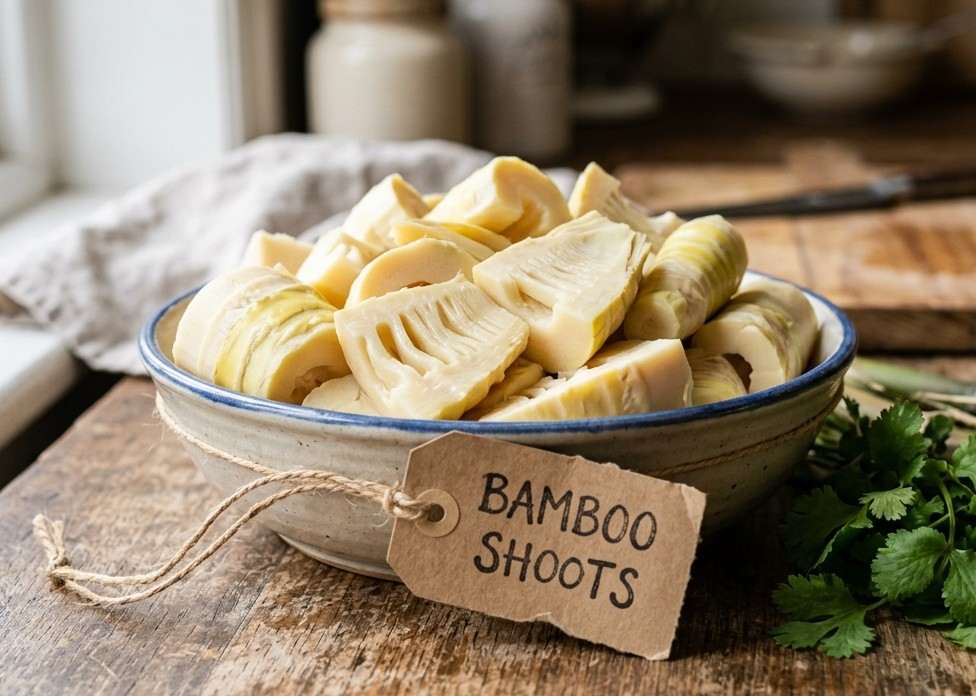
Bamboo shoots (also known as bamboo sprouts, bamboo flesh, or bamboo embryo) are a crisp, tender vegetable harvested from young bamboo plants. They are popular in many Asian cuisines and are increasingly being used in salads, stir-fries, soups, curries, pickles, and other dishes.
What makes bamboo shoots interesting is their combination of low calories, dietary fiber, plant protein, minerals, and naturally occurring plant compounds. However, fresh bamboo shoots should never be eaten raw because they can contain cyanogenic glycosides that can release hydrogen cyanide. Proper preparation, particularly boiling and discarding the cooking water, is important for safety.
What Are Bamboo Shoots?
Bamboo shoots are the young, edible sprouts that grow from the underground stems of bamboo plants. They are harvested while they are still young and tender, before they become hard and fibrous.
Several bamboo species produce edible shoots, and their nutritional composition can vary depending on the species, growing conditions, maturity, and preparation method. Research describes bamboo shoots as sources of fiber, protein, vitamins, minerals, phenolic compounds, phytosterols, and other bioactive compounds.
Fresh bamboo shoots have a crunchy texture and a mild, slightly sweet and earthy flavor. They are commonly eaten cooked, fermented, dried, pickled, or canned.
An important point is that raw fresh bamboo shoots are not considered ready-to-eat vegetables because naturally occurring cyanogenic compounds can release cyanide. Appropriate processing reduces these compounds considerably.
Nutrition Facts of Bamboo Shoots
The following values are approximate nutrition values for 100 grams of raw bamboo shoots. Nutritional composition can vary by species and preparation method.
| Nutrient | Amount per 100 g |
|---|---|
| Calories | 27 kcal |
| Protein | 2.6 g |
| Carbohydrates | 5.2 g |
| Dietary Fiber | 2.2 g |
| Sugars | 3 g |
| Total Fat | 0.3 g |
| Saturated Fat | 0.07 g |
| Potassium | 533 mg |
| Calcium | 13 mg |
| Iron | 0.5 mg |
| Magnesium | 3 mg |
| Phosphorus | 59 mg |
| Zinc | 1.1 mg |
| Copper | 0.19 mg |
| Manganese | 0.26 mg |
| Sodium | 4 mg |
| Vitamin C | 4 mg |
| Vitamin E | 1 mg |
| Vitamin B6 | 0.24 mg |
| Folate | 7 mcg |
| Thiamin | 0.15 mg |
| Riboflavin | 0.07 mg |
20 Proven Health Benefits of Bamboo Shoots
- Supports Digestive Health: The dietary fiber in bamboo shoots can contribute to normal digestion and regular bowel movements.
- Provides Plant Fiber: Bamboo shoots provide fiber while remaining relatively low in calories, making them a useful vegetable for a balanced diet.
- May Support Gut Microbiota: Research has identified potential prebiotic activity in bamboo sprouts, although the strength of this effect in humans needs further study.
- Low in Calories: With about 27 calories per 100 grams in raw form, bamboo shoots can add volume and texture to meals without contributing many calories.
- Provides Plant Protein: Bamboo shoots contain a modest amount of protein compared with many other vegetables.
- Supports a Nutrient-Dense Diet: Their combination of fiber, protein, potassium, copper, manganese, and B vitamins can contribute to overall dietary nutrient intake.
- May Support Heart Health: Their fiber content and low fat content make bamboo shoots a useful component of a heart-conscious eating pattern.
- May Help Maintain Healthy Cholesterol: Experimental research has reported potential hypolipidemic effects, but bamboo shoots should not be considered a cholesterol-lowering treatment.
- Provides Potassium: Bamboo sprouts contain potassium, an important mineral involved in normal nerve, muscle, and fluid balance.
- Supports Normal Muscle Function: Potassium and other minerals in bamboo shoots contribute to normal muscle and nerve function.
- Provides Copper: Copper contributes to normal connective-tissue formation, iron metabolism, and energy production.
- Provides Vitamin B6: Bamboo shoots contain vitamin B6, which participates in normal protein metabolism and nervous-system function.
- Contains Antioxidant Compounds: Bamboo sprouts contain phenolic and other bioactive compounds with antioxidant activity demonstrated in research.
- May Help With Weight Management: Their low calorie content and fiber can make them useful in meals designed around filling, nutrient-rich foods.
- May Support Healthy Blood Sugar Management: Experimental research has identified potential antidiabetic activity, but human evidence is not sufficient to use bamboo shoots as a treatment for diabetes.
- Supports Bone Nutrition: Bamboo shoots provide minerals such as phosphorus and calcium that contribute to normal bone structure and maintenance.
- May Support Immune Function: Their vitamin and mineral content can contribute to the nutrients required for normal immune function.
- May Support Metabolic Health: The combination of fiber, micronutrients, and plant bioactive compounds makes bamboo shoots a useful addition to a varied diet.
- May Help Increase Vegetable Intake: Their crunchy texture and mild flavor can make it easier to add variety to meals and increase overall vegetable consumption.
- May Support Overall Dietary Quality: Replacing heavily processed or calorie-dense side dishes with properly prepared bamboo sprouts can contribute to a more varied and nutrient-rich diet.
10 Side Effects of Bamboo Shoots
- Cyanide Risk From Raw Shoots: Raw fresh bamboo sprouts can contain cyanogenic glycosides that may release hydrogen cyanide, so they should not be eaten raw.
- Digestive Discomfort: Eating a large amount of fiber-rich bamboo shoot may cause gas, bloating, or abdominal discomfort in some people.
- Diarrhea: A sudden increase in fiber intake may cause loose stools in sensitive individuals.
- Nausea: Poorly prepared or contaminated bamboo shoots may cause nausea or stomach upset.
- Vomiting: Significant exposure to cyanide from inadequately processed shoots can cause serious symptoms including vomiting and other signs of poisoning.
- Headache or Dizziness: Cyanide exposure can produce neurological symptoms such as headache, dizziness, confusion, or weakness and requires urgent medical attention.
- Possible Food Allergy: Although uncommon, an individual can potentially develop an allergic reaction to any food, including bamboo sprouts.
- High Sodium in Some Canned Products: Salted or preserved bamboo shoot can contain considerably more sodium than fresh or unsalted versions.
- Potential Oxalate Exposure: Bamboo sprouts can contain oxalates, and processing can reduce soluble oxalates.
- Antinutrient Exposure: Bamboo sprouts may contain compounds such as phytates, tannins, glucosinolates, and oxalates, which is another reason proper processing is important.
How to Eat Bamboo Shoots?
The safest approach is to eat properly processed bamboo shoots rather than raw fresh shoots.
For fresh shoots:
- Remove the tough outer layers.
- Trim away the hard base and tip as appropriate.
- Slice the tender portion into smaller pieces.
- Boil thoroughly in plenty of water.
- Drain and discard the cooking water.
- Cook the prepared shoots in your preferred recipe.
Boiling, soaking, drying, and fermentation are among the processing methods studied for reducing antinutritional compounds in bamboo sprouts.
Canned bamboo shoots are generally more convenient because they have already undergone processing. Drain and rinse them before adding them to recipes, particularly when you want to reduce excess sodium.
Tips for Consuming Bamboo Shoots
- Choose Tender Shoots: Younger shoots are generally more tender and pleasant to eat.
- Never Eat Fresh Shoots Raw: Proper processing is essential because of naturally occurring cyanogenic compounds.
- Boil Before Cooking: Boiling helps reduce cyanogenic compounds and other water-soluble antinutrients.
- Discard the Cooking Water: Do not reuse the water used to boil raw bamboo sprouts.
- Slice Before Processing: Cutting the shoots into smaller pieces can improve contact with water during cooking.
- Rinse Canned Shoots: Rinsing can help remove some of the packing liquid and excess sodium.
- Start With a Small Portion: If you have never eaten bamboo sprouts before, begin with a modest amount.
- Combine With Other Vegetables: Bamboo shoots work well with mushrooms, carrots, peppers, leafy vegetables, and onions.
- Avoid Excessively Salty Preparations: Fresh or unsalted canned shoots allow you to control sodium more easily.
- Use Reliable Food Sources: Buy commercially prepared or properly identified edible bamboo sprouts rather than consuming unfamiliar wild shoots.
How to Cook Bamboo Shoots?
A simple method is boiling followed by stir-frying. Basic Boiled Bamboo Shoots:
- Step 1: Peel away the tough outer layers and trim the shoot.
- Step 2: Slice the tender inner portion into thin pieces.
- Step 3: Place the pieces in a pot of water and bring them to a thorough boil.
- Step 4: Continue cooking until the shoots are tender, following a recipe or established preparation method.
- Step 5: Drain and discard the cooking water.
- Step 6: Rinse the cooked shoots if desired.
- Step 7: Stir-fry with vegetables, garlic, ginger, herbs, spices, or a small amount of cooking oil.
Research shows that boiling and other processing techniques can substantially reduce unwanted compounds in bamboo sprouts. Processing conditions vary by species, so following a tested preparation method is preferable to relying on a single universal cooking time.
Other Uses of Bamboo Shoots
- Stir-Fries: Bamboo shoot add a crunchy texture and mild flavor to vegetable and protein-based stir-fries.
- Soups: Sliced bamboo sprouts can provide texture and flavor to Asian-style soups and broths.
- Curries: Properly cooked shoots can be incorporated into vegetable curries and regional dishes.
- Salads: Cooked or commercially prepared bamboo sprouts can be sliced and added to salads.
- Pickles: Bamboo shoots can be preserved through pickling, which is traditionally practiced in several Asian regions.
- Fermented Foods: Fermentation is one traditional processing method and can reduce certain antinutritional compounds while extending shelf life.
- Dried Bamboo Shoots: Properly processed shoots can be dried and later rehydrated for cooking.
- Canned Foods: Bamboo sprouts are commercially canned and used as a convenient ingredient.
- Traditional Cuisine: Bamboo sprouts are an established food ingredient across many Asian culinary traditions.
- Plant-Based Meal Ingredient: Their low fat and moderate protein content makes them useful in vegetarian and vegan meals.
How Much Bamboo Shoots Can You Eat in a Day?
There is no universally established daily recommended amount specifically for bamboo shoots.
For most healthy adults, a practical serving could be around ½ to 1 cup of properly cooked bamboo shoots, depending on the rest of the diet and individual tolerance. If you are eating them for the first time, starting with a smaller serving is sensible.
The important point is not simply the quantity but proper preparation, because fresh shoots can contain cyanogenic compounds.
Best Time to Eat Bamboo Shoots
There is no scientifically established “best time” to eat bamboo shoots.
They can be included with lunch or dinner, particularly as part of a balanced meal containing vegetables, protein, and whole grains. Eating them with a meal may also be more comfortable for people who experience digestive discomfort from high-fiber foods.
Who Should Eat Bamboo Shoots?
- Healthy Adults: Properly prepared bamboo sprouts can be included as part of a varied and balanced diet.
- People Seeking Low-Calorie Foods: Their relatively low calorie content can make them useful in meals where food volume is important.
- People Looking for More Fiber: Bamboo shoot can contribute dietary fiber to the daily diet.
- Vegetarians: They provide a plant-based source of protein and several minerals.
- Vegans: Properly prepared bamboo shoots can fit easily into vegan meals.
- People Seeking More Vegetable Variety: Their distinctive crunchy texture provides an alternative to more familiar vegetables.
- People Who Enjoy Asian Cuisine: Bamboo sprouts can be used in many traditional Asian-inspired dishes.
- People Watching Portion Calories: Their low calorie density can make them a useful addition to balanced meals.
Who Should Avoid Bamboo Shoots?
- People Considering Raw Shoots: Fresh raw bamboo shoot should not be consumed because of their cyanogenic glycoside content.
- People With Bamboo Shoot Allergy: Anyone who has previously experienced an allergic reaction should avoid them and seek medical advice.
- People With Significant Digestive Sensitivity: Individuals who develop substantial bloating or discomfort from them may need to limit or avoid them.
- People Following a Medically Prescribed Diet: Those on a specialized diet should check whether bamboo shoots fit their dietary restrictions.
- People Limiting Sodium: Choose fresh or unsalted products rather than heavily salted or preserved varieties.
- People With Concerns About Oxalates: Individuals advised by a healthcare professional to restrict dietary oxalates should discuss appropriate portions and preparation.
- People Unsure About the Species: Avoid consuming unidentified wild bamboo sprouts because preparation requirements and toxin levels can differ between species.
- Young Children: Fresh bamboo sprouts should not be given raw, and properly processed portions should be age-appropriate and prepared safely.
How to Store Bamboo Shoots?
- Fresh Shoots: Keep fresh bamboo sprouts refrigerated and use them as soon as practical because quality declines after harvest.
- Cooked Shoots: Refrigerate cooked bamboo sprouts promptly in a clean, airtight container.
- Canned Shoots: Store unopened cans according to the manufacturer’s instructions and refrigerate unused portions after opening.
- Opened Canned Shoots: Transfer leftovers to a clean covered container rather than storing them in an opened metal can.
- Pickled Shoots: Follow the manufacturer’s storage instructions and keep opened products refrigerated when required.
- Dried Shoots: Store dried bamboo shoots in a cool, dry, dark location in an airtight container.
- Check for Spoilage: Discard shoots that develop an unusual odor, mold, sliminess, discoloration, or other obvious signs of spoilage.
- Avoid Long Storage of Fresh Shoots: Fresh shoots can become tougher because of postharvest lignification, which reduces their tenderness and quality.
Precautions and Interactions
- Cook Fresh Shoots Thoroughly: Adequate processing is the most important safety precaution because cyanogenic glycosides can release hydrogen cyanide.
- Do Not Eat Them Raw: Avoid raw fresh bamboo sprouts even when they appear young and tender.
- Discard Boiling Water: Water used to process fresh shoots should not be reused for drinking or cooking.
- Use Commercial Products Carefully: Check labels on canned or preserved shoots for sodium and added ingredients.
- Consider Individual Tolerance: Fiber-rich foods can cause digestive symptoms in some people when eaten in large quantities.
- Consider Oxalate Content: People who have been specifically advised to limit oxalates should discuss bamboo sprouts with a healthcare professional.
- Check Fermented Products: Fermented bamboo shoot should come from reputable producers and be prepared using safe food-preservation practices.
- Do Not Treat Disease With Bamboo Shoots: Although laboratory and animal research has identified potentially beneficial biological activities, bamboo sprouts are not a replacement for prescribed treatment.
- Be Careful With Wild-Harvested Shoots: Species identification and appropriate processing are important because cyanogenic compound levels vary.
- Seek Urgent Help After Suspected Poisoning: Symptoms such as severe dizziness, confusion, breathing difficulty, vomiting, or collapse after eating inadequately prepared bamboo sprouts require urgent medical attention.
FAQ’s
What is Bamboo Shoots good for?
Bamboo sprouts are good for adding dietary fiber, plant protein, potassium, and other nutrients to the diet, and their relatively low calorie content makes them useful in balanced meals.
Are bamboo shoots healthy?
Yes, properly prepared bamboo shoot can be part of a healthy diet because they are relatively low in calories and provide fiber, protein, potassium, and other nutrients.
Can bamboo shoots be eaten every day?
Properly cooked bamboo sprouts can be included regularly in the diet, but there is no specific recommended daily amount. Variety is important, so they should be eaten as part of a balanced diet.
How should fresh bamboo shoots be prepared?
Fresh bamboo sprouts should be peeled, sliced, thoroughly boiled, and drained before eating to reduce naturally occurring cyanogenic compounds.
Why can’t bamboo shoots be eaten raw?
Raw fresh bamboo shoot can contain cyanogenic glycosides that may release hydrogen cyanide, so they require proper processing before consumption.
Do bamboo shoots help with weight management?
Bamboo sprouts are relatively low in calories and contain dietary fiber, which can help add volume to meals as part of an overall balanced eating pattern.
Are bamboo shoots high in fiber?
Bamboo sprouts provide dietary fiber, which can support normal digestion and bowel regularity.
Are bamboo shoots good for the stomach?
Their fiber may support digestive health, but eating too many at once can cause gas, bloating, or abdominal discomfort in some people.
Do bamboo shoots contain protein?
Yes, bamboo sprouts contain a modest amount of plant protein, although they are not considered a high-protein food.
Are bamboo shoots suitable for a low-calorie diet?
Yes, properly prepared bamboo sprouts can be included in low-calorie meals because they provide relatively few calories per 100 grams.
Can bamboo shoots help with blood sugar management?
Their fiber content may be useful as part of a balanced diet, but bamboo sprouts should not be used as a treatment for diabetes.
Can bamboo shoots help lower cholesterol?
Some experimental research suggests that bamboo shoot compounds may have lipid-lowering effects, but more human research is needed before making specific cholesterol-lowering claims.
Are canned bamboo shoots healthy?
Canned bamboo shoot can be a convenient vegetable choice, but some products contain added sodium, so checking the nutrition label and rinsing them before use can be helpful.
Should canned bamboo shoots be washed?
Yes, draining and rinsing canned bamboo sprouts can remove some of the packing liquid and may reduce excess sodium.
What do bamboo shoots taste like?
Bamboo sprouts have a mild, slightly sweet and earthy flavor with a crisp, crunchy texture.
Can bamboo shoots be used in curry?
Yes, properly cooked bamboo sprouts can be added to vegetable curries, regional dishes, and other savory recipes.
Can bamboo shoots be used in stir-fry?
Yes, sliced bamboo sprouts are commonly stir-fried with vegetables, tofu, meat, seafood, garlic, ginger, and sauces.
Are bamboo shoots suitable for vegetarians?
Yes, bamboo sprouts are plant-based and can be included in vegetarian meals.
Are bamboo shoots suitable for vegans?
Yes, bamboo sprouts themselves are naturally vegan, although other ingredients used in a recipe should also be checked.
Are bamboo shoots safe during pregnancy?
Properly cooked and commercially prepared bamboo sprouts may be included in a pregnancy diet, but raw or inadequately processed fresh shoots should be avoided.
Can children eat bamboo shoots?
Children can eat properly cooked bamboo shoot in age-appropriate portions, but raw fresh shoots should never be given because of their cyanogenic compounds.
Can bamboo shoots cause gas?
Yes, their fiber content may cause gas or bloating, particularly when someone eats a large portion or is not accustomed to high-fiber foods.
Can bamboo shoots cause allergies?
Food allergies to bamboo sprouts are possible but appear to be uncommon. Anyone who develops symptoms such as swelling, hives, or breathing difficulty should seek medical attention.
How long do fresh bamboo shoots last?
Fresh bamboo sprouts are best used promptly and refrigerated because their texture and quality can deteriorate during storage.
Can bamboo shoots be frozen?
Properly prepared bamboo sprouts can be frozen for longer storage, although their texture may change after freezing and thawing.
Can bamboo shoots be pickled?
Yes, bamboo shoot can be preserved through pickling, and pickled bamboo sprouts are used in several traditional cuisines.
Can bamboo shoots be fermented?
Yes, fermentation is a traditional method of preserving bamboo sprouts and can also change their flavor and nutritional characteristics.
Are dried bamboo shoots healthy?
Properly processed dried bamboo sprouts can be a useful ingredient and provide fiber, but they should be rehydrated and prepared according to safe food-processing practices.
Can bamboo shoots be eaten at night?
Yes, properly cooked bamboo sprouts can be eaten at dinner. People who experience bloating from high-fiber foods may prefer a smaller portion.
Are bamboo shoots good for the heart?
Their low calorie content, fiber, potassium, and low fat content can make bamboo sprouts a useful part of a heart-conscious eating pattern.
Are bamboo shoots good for the immune system?
Bamboo sprouts provide several nutrients involved in normal immune function, but they should be viewed as one component of an overall nutritious diet rather than an immune-boosting treatment.
Can bamboo shoots help with constipation?
Their dietary fiber may support regular bowel movements and digestive health when consumed with adequate fluids and an overall fiber-rich diet.
What happens if you eat raw bamboo shoots?
Eating inadequately processed fresh bamboo sprouts can expose a person to cyanogenic compounds that may release hydrogen cyanide and potentially cause poisoning.
How do you know if bamboo shoots are spoiled?
Discard bamboo sprouts if they develop mold, an unusual odor, slimy texture, significant discoloration, or other obvious signs of spoilage.
Can bamboo shoots be eaten during a weight-loss diet?
Yes, properly prepared bamboo sprouts can fit into a weight-loss eating pattern because they are relatively low in calories and provide dietary fiber.
Are bamboo shoots a vegetable or a grain?
Bamboo sprouts are botanically young bamboo stems and are commonly used as a vegetable in cooking.
What are bamboo shoots used for?
Bamboo sprouts are commonly used in stir-fries, soups, curries, salads, pickles, fermented foods, and other savory dishes.
Sources / References:
Disclaimer:
This guide is for general educational purposes only and is not a substitute for professional medical or dietary advice. Always properly process fresh bamboo shoots before eating.
Also Read: