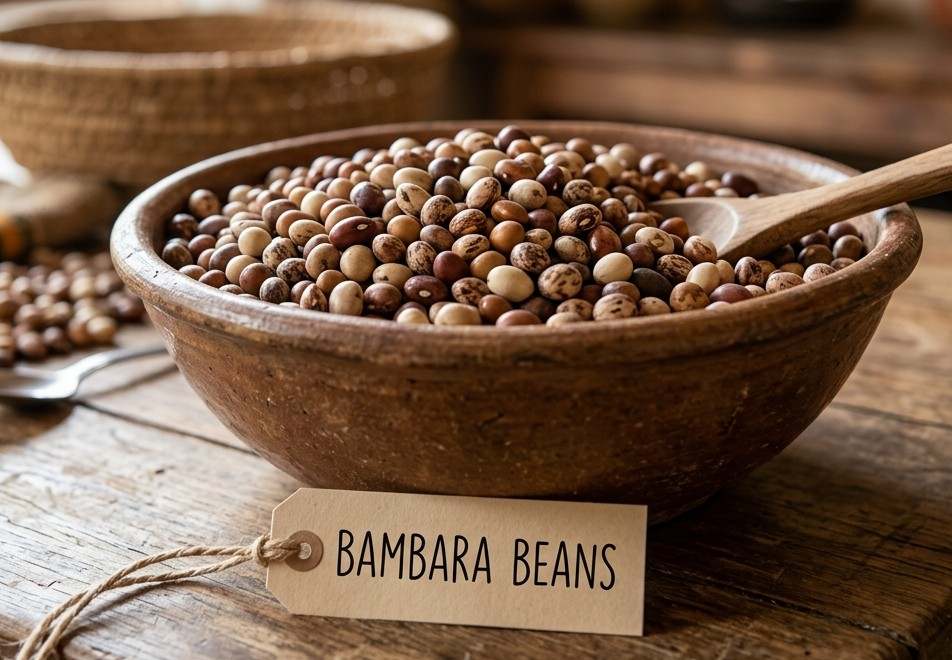
Bambara beans (also known as Bambara groundnuts or Bambara nuts) are a nutritious, protein-rich legume that has been eaten for generations in many parts of Africa. Known for their earthy flavor, satisfying texture, and ability to grow in challenging conditions, these beans are gaining attention as an alternative source of plant-based protein. They are especially valued in traditional diets because they provide protein, carbohydrates, fiber, and several essential minerals.
Whether you want to add more plant-based foods to your diet, explore traditional African ingredients, or discover new healthy legumes, Bambara beans are worth learning about. They can be boiled, roasted, ground into flour, or added to soups and stews.
Like other legumes, Bambara beans can contribute to a balanced diet, but their nutritional composition depends on the variety, growing conditions, and preparation method. Some health benefits are supported by the general nutritional properties of legumes, while research specifically examining Bambara beans in humans remains limited.
In this guide, you will learn what Bambara beans are, their nutrition facts, potential health benefits, possible side effects, cooking methods, storage tips, and precautions.
What Are Bambara Beans?
Bambara beans (Vigna subterranea), also called Bambara groundnuts, are edible legumes native to Africa. Although their name includes the word “groundnut,” they are not the same as peanuts. Bambara beans belong to the legume family and develop their pods underground, a growth habit they share with peanuts.
The plant is cultivated in several African countries, particularly in regions where farmers need crops that can tolerate relatively dry conditions. It is also grown in some parts of Asia and other tropical regions.
Bambara beans typically have round or slightly oval seeds, with colors that may include cream, brown, red, black, or combinations of these shades. Their flavor is mildly nutty and earthy, and their texture becomes soft and satisfying after cooking.
These beans are traditionally used in porridge, soups, stews, steamed dishes, snacks, and flour-based foods. They can be especially useful in diets that rely on plant foods because they provide both energy and protein.
Key characteristics of Bambara beans:
- Scientific name: Vigna subterranea
- Food category: Legume or pulse
- Origin: Africa
- Flavor: Mild, earthy, and nutty
- Common forms: Dried beans, boiled beans, roasted beans, and flour
- Main nutrients: Protein, carbohydrates, fiber, and minerals
Nutrition Facts of Bambara Beans
Bambara beans contain a combination of macronutrients and micronutrients. They are generally rich in carbohydrates and provide a meaningful amount of plant protein. Their fiber content can support digestive health, while minerals such as iron, magnesium, phosphorus, and potassium contribute to normal body functions.
The exact nutritional values vary depending on the seed variety, whether the beans are raw or cooked, and the cooking method.
| Nutrient | General nutritional contribution |
|---|---|
| Calories | Provide energy for daily activities |
| Protein | Supports muscle maintenance and tissue repair |
| Carbohydrates | Supply energy to the body |
| Dietary fiber | Supports bowel regularity and digestive health |
| Fat | Provides energy and helps with nutrient absorption |
| Iron | Supports hemoglobin production |
| Magnesium | Helps muscles and nerves function normally |
| Phosphorus | Supports bones, teeth, and energy metabolism |
| Potassium | Helps maintain fluid balance and normal muscle function |
| Calcium | Contributes to bone and teeth health |
| Zinc | Supports immune function and wound healing |
| Folate | Helps with DNA synthesis and cell division |
| Antioxidant compounds | May help protect cells from oxidative damage |
20 Potential Health Benefits of Bambara Beans
- Supports Muscle Maintenance: Bambara beans provide plant-based protein that helps the body maintain muscles, repair tissues, and support normal physical function.
- Provides Lasting Energy: Their carbohydrate content supplies energy for daily activities, while eating them with other nutrient-rich foods can help make meals more satisfying.
- Supports Digestive Health: The dietary fiber in Bambara beans can help support regular bowel movements and contribute to a healthy digestive system.
- May Help You Feel Full Longer: Protein and fiber can increase meal satisfaction, potentially reducing the urge to snack soon after eating.
- Contributes to Heart Health: Replacing some high-saturated-fat foods with legumes can support a heart-healthy eating pattern, especially when combined with vegetables, whole grains, and unsaturated fats.
- Supports Normal Blood Sugar Management: Fiber and protein can slow digestion and influence how quickly carbohydrates are absorbed, although portion size and the overall meal also matter.
- Helps Support Bone Health: Bambara beans supply minerals such as phosphorus and magnesium that participate in normal bone maintenance and metabolism.
- Contributes to Red Blood Cell Production: Their iron content helps the body produce hemoglobin, which carries oxygen in red blood cells. Plant-based iron is less readily absorbed than iron from animal foods.
- Supports Immune Function: Protein and minerals such as zinc contribute to the normal functioning of the immune system.
- Supports Healthy Metabolism: B vitamins and minerals found in legumes help the body carry out processes involved in converting food into usable energy.
- Provides Plant-Based Protein: Bambara beans can help people following vegetarian or vegan diets increase their protein intake without relying on animal products.
- Supports Bowel Regularity: Adequate fiber intake helps add bulk to stool and may make bowel movements easier, particularly when accompanied by sufficient fluids.
- May Support Weight Management: Their combination of protein, fiber, and complex carbohydrates can help create filling meals that fit into a calorie-conscious eating pattern.
- Contributes to Healthy Nerve Function: Magnesium and other minerals help support normal nerve signaling and muscle function.
- Supports Tissue Repair: The amino acids supplied by their protein help the body maintain and repair skin, muscles, and other tissues.
- Helps Maintain Fluid Balance: Potassium contributes to normal fluid balance and helps muscles and nerves function properly.
- Provides Antioxidant Compounds: Bambara beans may contain phenolic compounds and other plant substances that contribute antioxidant activity, although the effects of eating them on human health require more research.
- Supports Healthy Cell Growth: Folate, protein, and other nutrients contribute to DNA production, cell division, and normal tissue growth.
- Can Improve Dietary Variety: Including Bambara beans alongside other pulses, grains, vegetables, fruits, and nuts helps diversify nutrient intake.
- May Support Food and Nutrition Security: Bambara beans are a traditional food crop that can grow under certain challenging agricultural conditions, making them potentially valuable for local food systems and dietary diversity.
10 Possible Side Effects of Bambara Beans
Bambara beans are generally suitable for many people when properly prepared and eaten in reasonable portions. However, like other legumes, they may cause digestive discomfort in some individuals. Their safety also depends on adequate cooking and personal tolerance.
- Gas and Flatulence: Certain carbohydrates in Bambara beans are fermented by intestinal bacteria, which may lead to gas and bloating.
- Abdominal Bloating: Eating a large portion, especially when you are not accustomed to high-fiber foods, may cause temporary abdominal fullness or swelling.
- Stomach Discomfort: Some people may experience cramps or discomfort after eating legumes, particularly if they are undercooked or consumed in excessive amounts.
- Changes in Bowel Movements: Increasing fiber intake too quickly may cause changes in stool frequency or consistency, especially when fluid intake is inadequate.
- Possible Allergic Reactions: Although uncommon, an individual may be allergic to Bambara beans or another legume. Symptoms can include itching, hives, swelling, or breathing difficulties.
- Reduced Mineral Absorption: Like many legumes, Bambara beans contain phytates and other antinutritional compounds that can reduce the absorption of certain minerals.
- Digestive Problems From Undercooking: Insufficient cooking can make dried legumes harder to digest and may leave some naturally occurring antinutritional compounds insufficiently reduced.
- Extra Calories From Preparation: Deep-frying the beans or adding substantial amounts of oil may significantly increase the calorie content of a serving.
- Potential Blood Sugar Changes: Bambara beans contain carbohydrates, so portion size and preparation still matter for people managing diabetes or monitoring blood glucose.
- Problems From Improper Storage: Moisture, insects, and mold can damage stored beans. Moldy or contaminated beans may be unsafe to eat and should be discarded.
How to Eat Bambara Beans?
Bambara beans are versatile and can be prepared in several ways. Their mild, nutty flavor works well with both savory and mildly sweet dishes.
- Boiled Bambara Beans: Cook the beans until tender and serve them as a side dish with vegetables, rice, or other grains.
- Bambara Bean Stew: Add cooked beans to a tomato-based stew with onions, garlic, peppers, and your preferred seasonings.
- Bambara Bean Porridge: Simmer cooked beans with water or broth until soft, then season according to your taste.
- Roasted Bambara Beans: Roast properly prepared beans for a flavorful snack, making sure they are fully cooked and not burned.
- Bambara Bean Flour: Use flour made from appropriately processed Bambara beans in selected recipes for pancakes, flatbreads, or porridge.
- Bean and Vegetable Salad: Combine cooled, cooked beans with cucumber, tomatoes, leafy greens, and a light dressing.
- Bambara Beans With Rice: Serve cooked beans alongside rice to create a satisfying meal with complementary plant proteins.
- Bambara Bean Soup: Add tender beans to vegetable soup for extra texture, protein, and fiber.
For a balanced meal, pair Bambara beans with vegetables and a source of healthy fat. You can also combine them with grains and other protein sources to increase variety.
Tips for Consuming Bambara Beans
A few simple practices can help you enjoy Bambara beans while making them easier to digest.
- Start With Small Portions: If you rarely eat legumes, begin with a small serving and gradually increase it as your digestive system adjusts.
- Sort Before Cooking: Remove stones, damaged beans, dirt, and other unwanted materials.
- Wash Thoroughly: Rinse dried beans under clean running water before soaking or cooking.
- Soak When Appropriate: Soaking dried beans can shorten cooking time and may help reduce some water-soluble antinutritional compounds.
- Cook Until Completely Tender: Avoid eating dried Bambara beans raw or relying on soaking alone to make them safe.
- Drink Enough Water: Adequate fluid intake can help your body tolerate an increase in dietary fiber.
- Combine With Vegetables: Pair the beans with vegetables to create meals with a broader range of nutrients.
- Limit Excess Oil and Salt: Use moderate amounts of oil and salt to keep meals consistent with your nutritional needs.
- Use Different Recipes: Alternate between soups, stews, salads, and other preparations to make them easier to include in your regular diet.
- Check for Allergies: If you have a known legume allergy, seek professional advice before trying Bambara beans.
How to Cook Bambara Beans?
Dried Bambara beans can take a considerable amount of time to soften, depending on their age, variety, and storage conditions. Older beans may require longer cooking.
Ingredients:
- 1 cup dried Bambara beans
- Water for soaking and cooking
- Salt, to taste
- Optional onion, garlic, herbs, or spices
Cooking Instructions:
Step 1: Sort the Beans:
Spread the dried beans on a clean surface and remove stones, damaged seeds, and debris.
Step 2: Wash Thoroughly:
Rinse the beans with clean water to remove dust and surface dirt.
Step 3: Soak the Beans:
Place the beans in a large bowl and cover them with plenty of water. Soak them for several hours or overnight in the refrigerator. If the beans have been soaked at room temperature for an extended period, discard the soaking water and check for any signs of spoilage.
Step 4: Drain and Rinse:
Drain the soaking water and rinse the beans again before cooking.
Step 5: Boil Until Tender:
Transfer the beans to a pot and cover them with fresh water. Bring the water to a boil, then reduce the heat and simmer until the beans are thoroughly cooked and soft. Cooking time can vary considerably, so check their texture periodically and add more hot water if needed.
Step 6: Add Seasonings:
Once the beans are becoming tender, add salt and your preferred seasonings. Cook until the beans are fully soft and pleasant to eat.
Step 7: Serve:
Drain excess water if desired, or retain some of the cooking liquid for soups and stews. Serve the beans with vegetables, grains, or another balanced meal component.
Important: There is no single cooking time that works for every batch of Bambara beans. Follow reliable food-safety guidance for the preparation method you are using, and do not assume that soaking or lightly heating the beans makes them safe to eat.
Other Uses of Bambara Beans
Bambara beans are useful beyond being served as a simple cooked legume.
- Flour Production: Dried, appropriately processed Bambara beans can be milled into flour for porridge, baked goods, and selected traditional recipes.
- Traditional Snacks: In regions where they are commonly consumed, Bambara beans are prepared as boiled, roasted, or seasoned snacks.
- Plant-Based Meal Preparation: Cooked beans can be used in patties, mixed bean dishes, and other savory meals.
- Food Product Development: Researchers and food producers have explored Bambara bean flour as an ingredient in composite flours and other food products.
- Traditional Porridge: Ground or cooked Bambara beans are used in traditional porridge preparations in some African communities.
- Agricultural Use: The plant can contribute to crop diversity and may help support farming systems adapted to local soil and climate conditions.
- Livelihood Support: Bambara bean cultivation and processing can provide food and income opportunities for farming and food-processing communities.
How Much Bambara Beans Can You Eat in a Day?
There is no officially established daily serving specifically for Bambara beans. The appropriate amount depends on your age, energy requirements, overall diet, digestive tolerance, and health conditions.
For most healthy adults, about ½ cup of cooked Bambara beans is a reasonable starting portion. If you tolerate them well, you may eat around ½–1 cup of cooked beans as part of a meal, depending on your dietary needs.
Keep these points in mind:
- For Beginners: Start with a smaller serving to see how your digestive system responds.
- For Plant-Based Diets: Bambara beans can contribute to daily protein needs when eaten alongside a varied diet.
- For Weight Management: Consider portion size and the amount of oil or other ingredients used in preparation.
- For People With Diabetes: Account for the carbohydrate content and monitor your individual response as advised by your healthcare professional.
- For Digestive Sensitivity: Smaller portions may be more comfortable than eating a large quantity at once.
These portions are practical suggestions, not a medically established dosage. Nutritional needs vary, and cooked bean weights and volumes differ according to how much water the beans absorb.
Best Time to Eat Bambara Beans
There is no scientifically established best time of day to eat Bambara beans. Their nutritional value does not depend on whether you eat them in the morning, afternoon, or evening.
- At Breakfast: Add well-cooked beans to a savory breakfast or prepare a traditional bean-based porridge.
- At Lunch: Include them in a vegetable stew, rice dish, or balanced grain bowl.
- At Dinner: Serve them with cooked vegetables and whole grains for a satisfying evening meal.
- After Physical Activity: They can contribute protein and carbohydrates to a meal that supports recovery, especially when combined with other nutritious foods.
If legumes cause gas or bloating, avoid eating a large portion immediately before exercise or bedtime. Choose a time that suits your digestion and routine.
Who Should Eat Bambara Beans?
Bambara beans can be included in many balanced eating patterns, provided they are properly prepared and tolerated.
- People Seeking Plant-Based Protein: Bambara beans offer a useful source of plant protein for people who eat little or no meat.
- People Looking to Increase Fiber Intake: Their fiber content can contribute to the daily intake needed for digestive health.
- People Following Vegetarian Diets: They can add variety to meals alongside other legumes, grains, vegetables, and nuts.
- People Seeking Affordable Food Options: Where available, Bambara beans can be a practical ingredient for filling, home-cooked meals.
- People With Active Lifestyles: Their combination of carbohydrates and protein can contribute to everyday energy needs and post-activity meals.
- People Interested in Traditional Foods: They provide a way to explore traditional African food cultures and ingredients.
- People Seeking More Dietary Variety: Rotating Bambara beans with lentils, chickpeas, peas, and other beans can make meals more varied.
Who Should Not Eat Bambara Beans?
Bambara beans are not automatically unsuitable for anyone with a particular health condition. However, some people should avoid them or seek individualized guidance.
- People With a Confirmed Bambara Bean Allergy: Avoid the beans because exposure may cause an allergic reaction.
- People Advised to Avoid a Specific Legume: Follow your allergist’s or healthcare professional’s guidance, especially if you have a history of severe food allergies.
- People Experiencing Significant Digestive Symptoms: Temporarily reducing or avoiding the beans may help identify whether they contribute to symptoms; seek medical advice if symptoms persist.
- People Who Cannot Safely Chew the Beans: Choose an appropriately soft, mashed preparation or follow a clinician’s texture recommendations to reduce choking risk.
- People With Individualized Medical Diets: Those following prescribed dietary restrictions should confirm that Bambara beans fit their nutrition plan.
- Anyone Considering Eating Raw or Undercooked Dried Beans: Do not consume them in this form; use a suitable preparation method and cook them thoroughly.
People with diabetes, kidney disease, or other chronic conditions do not necessarily need to avoid Bambara beans. Their suitability depends on the person’s overall diet, treatment plan, and individual nutritional requirements.
How to Store Bambara Beans?
Proper storage helps preserve the quality of Bambara beans and reduce the risk of moisture damage, insects, and spoilage.
- Store Dried Beans in an Airtight Container: Keep them in a clean, dry, tightly sealed container to limit exposure to moisture and pests.
- Choose a Cool, Dry Place: Store dried beans away from direct sunlight, heat, and humid conditions.
- Keep Them Away From Strong Odors: Use a sealed container because dry foods can absorb surrounding odors.
- Label the Container: Write the purchase or storage date on the container so you can use older stock first.
- Inspect Before Cooking: Discard beans that show mold, unusual discoloration, moisture damage, or signs of insect infestation.
- Refrigerate Cooked Beans Promptly: Transfer cooked beans into shallow, covered containers and refrigerate within two hours, or within one hour when the surrounding temperature exceeds 90°F (32°C).
- Use Refrigerated Beans Within 3–4 Days: This is a general food-safety guideline for cooked leftovers kept at 40°F (4°C) or below.
- Freeze for Longer Storage: Freeze cooked beans in suitable airtight containers or freezer bags, ideally in meal-sized portions.
- Avoid Leaving Cooked Beans at Room Temperature: Do not leave them out for extended periods, even if they look and smell normal.
- Discard Suspect Beans: Do not taste beans to determine whether visibly moldy or improperly stored food is safe.
Precautions and Interactions
Bambara beans can be a nutritious food, but a few precautions can help you incorporate them safely.
- Cook Thoroughly: Use an appropriate cooking method until the beans are completely tender; do not eat dried Bambara beans raw.
- Increase Fiber Gradually: A sudden increase in legumes may cause gas, bloating, or changes in bowel movements.
- Consider Iron Absorption: Bambara beans contain plant-based iron, which is generally less readily absorbed than iron from animal foods. Eating them with vitamin C-rich foods, such as tomatoes or peppers, can improve non-heme iron absorption.
- Account for Phytates: Phytates can reduce the absorption of certain minerals. Soaking, cooking, and other appropriate food-processing methods may reduce some antinutritional compounds, although the effect varies.
- Check Allergy History: If you have a known legume allergy, discuss the safety of trying Bambara beans with an allergist rather than testing them on your own.
- Monitor Portion Sizes: Larger servings can increase calorie and carbohydrate intake, depending on how the beans are prepared.
- Use Caution With Prescribed Diets: If you have a medical condition requiring specific dietary restrictions, ask a registered dietitian or healthcare professional how to include the beans.
- Do Not Treat Them as Medicine: Bambara beans are a food, not a proven treatment for anemia, diabetes, heart disease, or other medical conditions.
- Maintain Food Hygiene: Wash your hands, use clean utensils, and store cooked beans at safe temperatures.
- Check Product Labels: Packaged Bambara bean flour or ready-to-eat products may contain added salt, oils, or other ingredients that affect their nutritional profile.
FAQ’s
What are Bambara beans good for?
Bambara beans provide plant-based protein, fiber, carbohydrates, and essential minerals that support a balanced diet, digestive health, and normal body functions.
Are Bambara beans high in protein?
Yes, Bambara beans are a useful source of plant-based protein that helps support muscle maintenance, tissue repair, and overall health.
Can you eat Bambara beans every day?
Yes, most people can enjoy properly cooked Bambara beans regularly in moderate portions as part of a varied and balanced diet.
Are Bambara beans good for weight loss?
Bambara groundnut may support weight management because their protein and fiber can help you feel full for longer, although overall calorie intake remains important.
Do Bambara beans cause gas?
Yes, Bambara groundnut may cause gas and bloating because they contain fiber and fermentable carbohydrates. Soaking, thorough cooking, and eating smaller portions may help.
Are Bambara beans good for people with diabetes?
Bambara groundnut can fit into many diabetes-friendly eating plans, but portion size and total carbohydrate intake should be considered.
Are Bambara beans the same as peanuts?
No, Bambara groundnut and peanuts are different legumes. Both develop their pods underground, but they belong to different plant species.
Do Bambara beans need to be soaked before cooking?
Soaking dried Bambara groundnut can help shorten cooking time and may reduce some antinutritional compounds. They must still be cooked thoroughly before consumption.
Can Bambara beans help prevent anemia?
Bambara groundnut contain iron, which contributes to normal red blood cell production. However, eating them alone cannot guarantee anemia prevention or treatment.
Are Bambara beans good for digestion?
Their dietary fiber can support bowel regularity, although some people may experience gas, bloating, or abdominal discomfort.
Can pregnant women eat Bambara beans?
Properly cooked Bambara beans can contribute protein, iron, and folate to a pregnancy diet. Pregnant women should eat them as part of a varied diet and follow their healthcare professional’s nutritional advice.
What do Bambara beans taste like?
Bambara groundnut have a mild, earthy, and slightly nutty flavor. When cooked thoroughly, they develop a soft texture that works well in soups, stews, and porridge.
How long do Bambara beans take to cook?
Cooking time varies depending on the bean variety, age, soaking time, and cooking method. Simmer them until completely tender, checking periodically and adding water when necessary.
Are Bambara beans gluten-free?
Plain Bambara beans are naturally gluten-free. However, packaged bean flour and processed products may be exposed to gluten through cross-contact or contain added ingredients.
What is the difference between Bambara beans and chickpeas?
Both are nutritious legumes, but they come from different plants and differ in taste, texture, and nutritional composition. Both can provide plant protein and fiber as part of a balanced diet.
Are Bambara Beans Safe for Children?
Yes, properly cooked Bambara beans can be nutritious for children. Serve them soft and in age-appropriate portions to reduce choking risks.
Are Bambara Beans Good for the Kidneys?
They can fit into a healthy diet, but people with kidney disease may need to limit certain nutrients, depending on their condition.
Where Can I Buy Bambara Beans?
You can find Bambara beans in African grocery stores, specialty food shops, local markets, and online retailers.
Can an Ulcer Patient Eat Bambara Beans?
Yes, if tolerated. Properly cooked Bambara beans may cause gas or bloating, so ulcer patients should monitor their symptoms.
Are Bambara beans healthy?
Yes, Bambara beans can be a nutritious addition to a balanced diet because they provide plant protein, carbohydrates, fiber, and several minerals. Their benefits depend on portion size, preparation, and the rest of your diet.
Sources and References:
- USDA FoodData Central
- MedlinePlus
- U.S. Food and Drug Administration
- USDA Food Safety and Inspection Service
- Food and Agriculture Organization
- PubMed
Disclaimer:
This guide is for educational purposes only and does not replace professional medical or dietary advice. Bambara beans are a food, not a treatment for disease. Consult a qualified healthcare professional for personalized guidance, particularly if you have a food allergy or a medical condition requiring dietary restrictions.
Also Read: