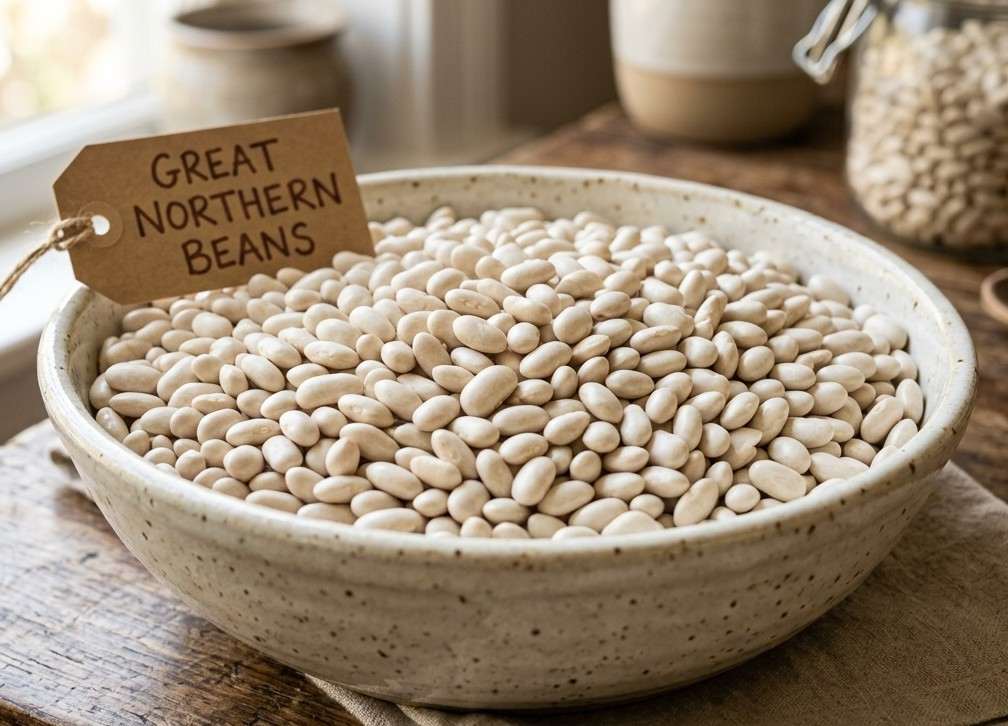
Great Northern beans are mild, creamy white beans that can be a nutritious addition to soups, stews, salads, casseroles, and everyday meals. They are rich in plant-based protein, dietary fiber, folate, and several essential minerals that help support overall health.
These beans are especially useful for people who want to add more plant-based foods to their diet without sacrificing taste or versatility. Their soft texture and subtle flavor make them easy to combine with vegetables, whole grains, herbs, and spices.
Like other legumes, Great Northern beans can support digestive health, help you feel full for longer, and contribute to a balanced diet. However, portion sizes, preparation methods, and individual health conditions can influence how well you tolerate them.
In this guide, you will learn what Great Northern beans are, their nutrition facts, potential health benefits, possible side effects, cooking methods, storage tips, and precautions to keep in mind.
What Are Great Northern Beans?
Great Northern beans are a variety of white common bean (Phaseolus vulgaris). They are medium-sized, oval-shaped legumes with a white or pale ivory color and a delicate, slightly nutty flavor.
They are often compared with cannellini beans and navy beans, but Great Northern beans generally have a medium size and a tender yet relatively firm texture when cooked. Their mild taste allows them to absorb the flavors of broths, sauces, garlic, onions, and seasonings.
Great Northern beans are available in dried and canned forms. Dried beans usually require soaking or longer cooking, while canned beans are convenient and can be used after draining and rinsing.
They are a source of plant protein, complex carbohydrates, fiber, folate, iron, magnesium, and potassium. These nutrients make them a valuable addition to vegetarian, vegan, and other balanced eating patterns.
Nutrition Facts of Great Northern Beans
The nutritional content of Great Northern beans depends on whether they are dried, cooked, or canned. The following is an approximate values for 1 cup (about 180 grams) of cooked Great Northern beans without added salt.
| Nutrient | Approximate amount |
|---|---|
| Calories | 209 kcal |
| Protein | 14.7 g |
| Total carbohydrates | 37.3 g |
| Dietary fiber | 12.4 g |
| Total fat | 0.8 g |
| Sugars | 0.7 g |
| Folate (vitamin B9) | 181 mcg |
| Iron | 4.9 mg |
| Magnesium | 89 mg |
| Potassium | 692 mg |
| Phosphorus | 262 mg |
| Calcium | 120 mg |
| Zinc | 2.0 mg |
| Sodium | 2 mg |
20 Health Benefits of Great Northern Beans
1. Supports Digestive Health: Great Northern beans provide dietary fiber that helps add bulk to stool and supports regular bowel movements when consumed with enough fluids.
2. Helps Maintain Healthy Gut Bacteria: Certain fibers in beans can be fermented by beneficial gut microorganisms, producing compounds that help support the intestinal environment.
3. Provides Plant-Based Protein: Their protein content helps the body maintain and repair muscles and other tissues, especially when combined with a varied diet.
4. Promotes Fullness: Protein and fiber can help you feel satisfied after meals, which may make it easier to manage hunger between meals.
5. Supports Healthy Blood Sugar Management: The combination of fiber, protein, and slowly digested carbohydrates may help moderate the rise in blood glucose after a meal compared with some refined carbohydrate foods.
6. Contributes to Heart Health: Great Northern beans are naturally low in saturated fat and contain fiber, making them a useful alternative to some foods high in saturated fat.
7. Helps Maintain Healthy Cholesterol Levels: Soluble fiber in legumes can help reduce LDL cholesterol when included regularly in an overall heart-healthy eating pattern.
8. Supports Red Blood Cell Production: Great Northern beans contain iron, which the body needs to make hemoglobin and transport oxygen through the bloodstream.
9. Provides Folate for Cell Growth: Folate is essential for DNA synthesis and normal cell division, making it especially important during periods of rapid growth and pregnancy.
10. Supports Normal Muscle Function: Their magnesium and potassium contribute to muscle contraction, nerve signaling, and fluid balance.
11. Contributes to Bone Health: Great Northern beans contain magnesium, phosphorus, and calcium, which play roles in maintaining healthy bones and teeth.
12. Supports Energy Metabolism: B vitamins, iron, magnesium, and other nutrients help the body convert food into usable energy and support normal metabolic processes.
13. May Help With Weight Management: Their relatively high fiber and protein content can help promote fullness, making them a useful component of a balanced weight-management diet.
14. Supports Normal Immune Function: Protein, iron, zinc, and folate contribute to the normal development and functioning of the immune system.
15. Helps Maintain Healthy Blood Pressure: Great Northern beans provide potassium and magnesium, which support normal blood pressure regulation as part of a balanced diet.
16. Supports Nervous System Function: Magnesium, folate, and other nutrients contribute to normal nerve function and a range of processes involved in brain and nervous system health.
17. Provides Lasting Dietary Energy: Their complex carbohydrates supply energy, while fiber helps slow digestion and contributes to a more gradual release of nutrients.
18. Supports Tissue Repair: The amino acids supplied by their protein help maintain and repair tissues throughout the body.
19. Contributes Antioxidant Nutrients: Great Northern beans contain various plant compounds and nutrients that contribute to the body’s normal antioxidant defenses, although their exact levels vary.
20. Improves Overall Diet Quality: Replacing some highly processed foods or meat-heavy meals with beans can increase fiber and plant protein intake while adding important vitamins and minerals.
10 Possible Side Effects of Great Northern Beans
Great Northern beans are safe for most people when properly prepared and eaten in reasonable portions. However, their fiber content, fermentable carbohydrates, and mineral composition may cause problems for some individuals.
1. Gas and Flatulence: Great Northern beans contain fermentable carbohydrates that gut bacteria break down, which can produce gas and cause bloating.
2. Abdominal Bloating: Eating a large serving, particularly when you are not accustomed to high-fiber foods, may cause temporary abdominal fullness or discomfort.
3. Stomach Cramps: Some people experience cramping when intestinal gas builds up after eating beans.
4. Changes in Bowel Movements: Increasing fiber too quickly may cause loose stools or constipation, especially when fluid intake is inadequate.
5. Digestive Discomfort: People with irritable bowel syndrome (IBS) may find that beans trigger symptoms because they contain fermentable carbohydrates.
6. Allergic Reactions: Although uncommon, bean allergies can occur and may cause itching, hives, swelling, or breathing difficulties.
7. Excessive Potassium Intake: Great Northern beans contain potassium, so large portions may need to be limited by people with certain kidney conditions or those advised to restrict potassium.
8. Increased Sodium Intake: Canned beans with added salt can contribute considerable sodium to the diet, especially when eaten frequently alongside other salty foods.
9. Reduced Mineral Absorption: Phytates naturally present in beans can reduce the absorption of some minerals, including iron and zinc, although beans still provide useful amounts of these nutrients.
10. Illness From Improper Preparation: Dried beans that are inadequately cooked may cause digestive illness. Always cook them thoroughly according to food-safety guidance rather than eating them raw or undercooked.
How to reduce side effects: Start with a small portion, increase intake gradually, drink enough water, soak dried beans when appropriate, and rinse canned beans before using them.
How to Eat Great Northern Beans?
Great Northern beans have a mild flavor, so they work well in many meals. You can use them as a main ingredient, a side dish, or a substitute for other beans.
- In Soups: Add cooked beans to vegetable soup, chicken soup, or minestrone for extra protein and fiber.
- In Stews: Combine them with carrots, celery, tomatoes, onions, and herbs for a satisfying stew.
- In Salads: Mix cooled beans with cucumber, tomatoes, parsley, olive oil, and lemon juice.
- As a Side Dish: Serve seasoned beans alongside roasted vegetables, fish, chicken, or whole grains.
- In Casseroles: Add beans to baked vegetable casseroles for a creamy texture and more plant protein.
- In Pasta Dishes: Toss beans with pasta, garlic, spinach, and olive oil for a simple meal.
- As a Spread: Mash cooked beans with lemon juice, garlic, olive oil, and herbs to make a savory spread.
- In Vegetarian Burgers: Mash beans with oats, spices, and vegetables to form patties.
- In Grain Bowls: Combine beans with brown rice, quinoa, roasted vegetables, and a dressing.
- In Breakfast Meals: Serve seasoned beans with eggs, sautéed vegetables, or whole-grain toast.
Tips for Consuming Great Northern Beans
A few simple practices can make Great Northern beans easier to prepare and enjoy.
- Start With Small Portions: Begin with about half a cup if you rarely eat beans, then increase the amount as tolerated.
- Rinse Canned Beans: Drain and rinse them under running water to remove some of the added sodium and canning liquid.
- Soak Dried Beans: Soaking can help shorten cooking time and may reduce some gas-producing carbohydrates.
- Cook Thoroughly: Dried Great Northern beans should be fully tender before eating.
- Pair With Vitamin C: Serve beans with tomatoes, bell peppers, citrus fruits, or lemon juice to help your body absorb their plant-based iron.
- Use Herbs and Spices: Garlic, cumin, thyme, rosemary, black pepper, and paprika can improve flavor without relying heavily on salt.
- Avoid Excessive Salt: Taste the beans before adding salt, particularly if using canned broth or other salty ingredients.
- Combine With Other Foods: Pair beans with vegetables, whole grains, and healthy fats to create a balanced meal.
- Increase Fiber Gradually: Give your digestive system time to adjust to a higher-fiber diet.
- Check Canned Bean Labels: Choose no-salt-added or low-sodium options when possible.
How to Cook Great Northern Beans?
Cooking dried Great Northern beans at home is straightforward, and the beans can be seasoned to suit a variety of recipes.
Ingredients
- 1 cup dried Great Northern beans
- 4–5 cups fresh water, or enough to cover the beans generously
- 1 small onion, optional
- 2 garlic cloves, optional
- Herbs and spices to taste
- Salt to taste
Step-by-Step Cooking Instructions
- Step 1: Sort the Beans. Spread the dried beans on a clean surface and remove any stones, damaged beans, or other debris.
- Step 2: Rinse Thoroughly. Rinse the beans under cool running water.
- Step 3: Soak the Beans. Cover them with plenty of water and soak for about 6–8 hours or overnight in the refrigerator. Discard the soaking water and rinse the beans. If you skip soaking, allow extra cooking time.
- Step 4: Add Fresh Water. Place the beans in a large pot and cover them with fresh water.
- Step 5: Bring to a Boil. Bring the water to a full boil, then maintain a boil for at least 30 minutes to help ensure the beans reach a safe temperature.
- Step 6: Simmer Until Tender. Reduce the heat and simmer until the beans are soft throughout. Depending on their age and whether they were soaked, this may take another 30–90 minutes or longer. Keep them covered with water and check regularly.
- Step 7: Add Seasonings. Add onion, garlic, herbs, and other seasonings. Salt can be adjusted toward the end of cooking.
- Step 8: Check Doneness. The beans should be completely tender, with no hard or crunchy center. Continue cooking if needed.
- Step 9: Serve or Store. Use the beans in your favorite recipe or refrigerate them promptly in a covered container.
Food safety note: Do not cook dried beans only in a slow cooker without first boiling them adequately. Never eat raw or undercooked beans. A pressure cooker should be used according to its manufacturer’s instructions.
How to Cook Canned Great Northern Beans
Canned Great Northern beans are already cooked, so they require much less preparation.
- Open the can and drain the liquid.
- Rinse the beans under running water if desired.
- Add them to soup, stew, or a skillet with vegetables and seasonings.
- Heat thoroughly until steaming hot.
- Serve as part of a balanced meal.
Canned beans are particularly convenient for quick lunches, weeknight dinners, and meal preparation.
Other Uses of Great Northern Beans
Beyond traditional soups and stews, Great Northern beans can be used in several practical ways.
- Creamy Soup Base: Blend cooked beans with vegetable broth to thicken soups without relying on heavy cream.
- Dip and Spread Ingredient: Mash or blend beans with herbs, lemon juice, and olive oil for a savory dip.
- Meat Alternative: Use mashed or whole beans in vegetarian patties, tacos, and wraps to add plant-based protein.
- Baking Ingredient: Pureed beans can replace part of the fat in selected baking recipes, although the final texture may change.
- Pasta Sauce Thickener: Blend beans into tomato or vegetable sauces to make them thicker and more filling.
- Salad Protein Booster: Add cooked beans to grain salads and vegetable bowls to increase their protein and fiber content.
- Casserole Filler: Combine beans with vegetables and whole grains for a hearty baked dish.
- Meal-Prep Ingredient: Cook a batch and divide it into portions for quick meals throughout the week.
How Much Great Northern Beans Can You Eat in a Day?
For most healthy adults, about ½ to 1 cup of cooked Great Northern beans per day can be a reasonable starting point within a varied diet. This is a practical serving suggestion, not a formal daily requirement specific to this bean variety.
A half-cup serving supplies useful amounts of fiber, protein, and minerals, while a full cup provides a more substantial amount of these nutrients.
Your ideal portion depends on your overall diet, appetite, activity level, digestive tolerance, and health needs.
- Beginners: Start with approximately ¼–½ cup if you are not accustomed to eating legumes.
- Regular Bean Eaters: A serving of ½–1 cup may fit comfortably into your daily meals.
- People Seeking More Plant Protein: Combine beans with other protein sources throughout the day to meet individual needs.
- People With Kidney Disease: Follow your clinician’s advice about potassium, phosphorus, and portion sizes.
- People With Digestive Sensitivity: Try smaller portions and increase them slowly as tolerated.
You do not need to eat Great Northern beans every day to benefit from them. Rotating them with lentils, chickpeas, other beans, vegetables, and whole grains helps provide dietary variety.
Best Time to Eat Great Northern Beans
There is no single best time to eat Great Northern beans. Their nutritional benefits are available whether you eat them at breakfast, lunch, or dinner.
- At Breakfast: Add a small portion to eggs, vegetable dishes, or whole-grain toast.
- At Lunch: Include beans in salads, grain bowls, or soups for a filling midday meal.
- At Dinner: Serve them in stews, casseroles, pasta dishes, or alongside vegetables.
- Before Physical Activity: A moderate portion eaten well before exercise can provide carbohydrates and some protein, although large servings close to exercise may cause digestive discomfort.
- During Meal Preparation: Cook a batch ahead of time so you can add beans to meals whenever convenient.
If beans make you feel bloated, avoid eating a large portion immediately before bedtime or exercise. Your personal digestive comfort matters more than a specific meal time.
Who Should Eat Great Northern Beans?
Great Northern beans can benefit many people because they provide plant-based protein, fiber, and essential micronutrients.
- People Following a Vegetarian Diet: Great Northern beans provide plant protein and can help replace some meat-based meals.
- People Following a Vegan Diet: Their protein, iron, and folate content can contribute to a varied plant-based eating pattern.
- People Seeking Digestive Regularity: Their fiber content can help support normal bowel movements when introduced gradually with adequate fluids.
- People Managing Their Weight: Protein and fiber can help promote fullness as part of an appropriate calorie-balanced diet.
- People Interested in Heart-Healthy Eating: Their naturally low saturated fat content and dietary fiber make them a useful choice for heart-conscious meals.
- People Seeking Affordable Nutrition: Dried beans are generally economical and can provide several servings from a single package.
- Older Adults: Their protein and minerals can contribute to nutritional needs, although individual portions should account for chewing ability, digestion, and medical conditions.
- People Looking to Increase Fiber Intake: Beans can help increase daily fiber consumption when added gradually to meals.
- People Seeking More Plant-Based Iron: Great Northern beans provide non-heme iron, which can be better absorbed when eaten with vitamin C-rich foods.
- People Preparing Balanced Family Meals: Their mild taste makes them easy to incorporate into soups, casseroles, and other family-friendly dishes.
Who Should Not Eat Great Northern Beans?
Most people do not need to avoid Great Northern beans. However, certain individuals may need to limit them, prepare them carefully, or seek individualized dietary advice.
- People With a Bean Allergy: Anyone with a confirmed allergy to Great Northern beans should avoid them and follow medical advice about related legumes.
- People With Certain Kidney Conditions: Individuals who have been instructed to restrict potassium or phosphorus may need to control their portions.
- People With Severe Digestive Sensitivity: Those who experience significant bloating, abdominal pain, or other symptoms after eating beans may need smaller servings or individualized dietary guidance.
- People Following a Medically Prescribed Diet: Anyone on a restricted-fiber, potassium-controlled, or other therapeutic diet should follow their healthcare professional’s recommendations.
- People Who Experience Persistent Symptoms: Recurrent diarrhea, severe abdominal discomfort, or other symptoms after eating beans should be evaluated rather than automatically attributed to normal gas.
- Anyone Considering Eating Raw Beans: Dried Great Northern beans should never be eaten raw or inadequately cooked because proper cooking is necessary for food safety.
Pregnant and breastfeeding individuals can generally include thoroughly cooked Great Northern beans in a balanced diet. However, beans should not replace prenatal supplements or individualized nutritional advice when these are needed.
How to Store Great Northern Beans?
Proper storage helps preserve the quality of dried beans and prevents cooked beans from spoiling.
- Store Dried Beans in an Airtight Container: Keep them in a clean, dry, tightly sealed container to protect them from moisture and pests.
- Choose a Cool, Dry Location: Store dried beans away from direct sunlight, heat, and damp areas.
- Label the Storage Container: Write the purchase or storage date on the container to help you rotate older supplies first.
- Refrigerate Cooked Beans Promptly: Transfer cooked beans to a shallow, covered container and refrigerate within two hours of cooking, or within one hour if the surrounding temperature exceeds 90°F (32°C).
- Use Refrigerated Cooked Beans Within 3–4 Days: Keep the refrigerator at 40°F (4°C) or below and discard beans that have been stored too long.
- Freeze Extra Portions: Freeze cooked beans in airtight, freezer-safe containers with a little cooking liquid if desired.
- Follow Canned-Bean Storage Guidance: Keep unopened cans in a cool, dry place and follow the package’s date and storage instructions.
- Refrigerate Opened Canned Beans: Transfer unused beans and some of their liquid to a covered container rather than storing them in an opened can.
- Discard Spoiled Beans: Throw away beans with mold, an unusual odor, or other signs of spoilage. Do not taste them to determine whether they are safe.
Precautions and Interactions
Although Great Northern beans are nutritious, a few precautions can help you include them safely in your diet.
- Increase Fiber Gradually: A sudden increase in fiber may cause gas, bloating, and abdominal discomfort, so increase your intake over time.
- Drink Adequate Water: Sufficient fluid intake helps fiber support normal bowel movements.
- Rinse Canned Beans: Rinsing can help reduce some sodium, which may be useful for people watching their salt intake.
- Cook Dried Beans Thoroughly: Do not eat dried Great Northern beans raw or undercooked, and use appropriate boiling and simmering methods.
- Consider Kidney Health: People with chronic kidney disease or prescribed mineral restrictions should ask their healthcare professional whether these beans fit their diet.
- Pay Attention to Food Allergies: Stop eating beans and seek medical advice if you suspect an allergic reaction; breathing difficulty or swelling of the throat requires emergency care.
- Consider Medication-Related Dietary Restrictions: Great Northern beans do not have a well-established major drug interaction for most people, but some medicines require dietary management of potassium or vitamin K. Ask your pharmacist or clinician whether any food restrictions apply to your specific treatment.
- Do Not Rely on Beans as a Treatment: Their nutrients can support general health, but beans cannot independently treat anemia, diabetes, high blood pressure, or other medical conditions.
- Check Sodium in Prepared Products: Canned beans, seasoned bean dishes, and packaged soups may contain added salt.
- Seek Advice for Persistent Digestive Symptoms: If symptoms continue despite smaller portions and careful preparation, discuss them with a healthcare professional.
FAQ’s
Are Great Northern beans healthy?
Yes. Great Northern beans provide plant-based protein, fiber, folate, iron, magnesium, and potassium. They can support a balanced diet and are naturally low in fat.
What are Great Northern beans good for?
Great Northern beans provide plant-based protein, dietary fiber, folate, iron, and magnesium that support digestion, muscle function, and overall health.
Are Great Northern beans good for weight loss?
Yes, their protein and fiber may help you feel full for longer, making them a useful addition to a balanced weight-management diet.
Are Great Northern beans high in protein?
Yes, one cup of cooked Great Northern beans contains approximately 15 grams of plant-based protein.
Do Great Northern beans cause gas?
Yes, they can cause gas and bloating because they contain fermentable carbohydrates. Soaking dried beans and increasing portions gradually may help.
Are Great Northern beans healthier than navy beans?
Both are nutritious white beans rich in protein and fiber. Their nutritional differences are relatively small, so the better choice depends on your preferences and recipe.
Can you eat Great Northern beans every day?
Yes, most people can eat them regularly as part of a balanced diet. A serving of ½–1 cup of cooked beans is a reasonable starting point for many adults.
Are Great Northern beans good for diabetics?
Their fiber and protein can help support blood sugar management when included in balanced meals. Portion sizes and individual glucose responses should also be considered.
Are Great Northern beans good for your heart?
Yes, their fiber, potassium, and low saturated fat content can contribute to a heart-healthy eating pattern.
Can you eat Great Northern beans during pregnancy?
Yes, thoroughly cooked Great Northern beans provide folate, iron, and protein that contribute to nutritional needs during pregnancy.
How long should you soak Great Northern beans?
Soak dried Great Northern beans for approximately 6–8 hours or overnight in the refrigerator. Soaking is optional, but it may help shorten cooking time.
How long do Great Northern beans take to cook?
Soaked beans often take around 1–2 hours, depending on their age and cooking conditions. Cook until completely tender.
Are canned Great Northern beans healthy?
Yes, canned Great Northern beans are nutritious and convenient. Choose low-sodium or no-salt-added varieties and rinse them before eating.
Are Great Northern beans good for constipation?
Their dietary fiber can help promote regular bowel movements when consumed with adequate fluids and as part of a fiber-rich diet.
Can Great Northern beans help build muscle?
Yes, their plant-based protein supplies amino acids needed for muscle maintenance and repair. Combining them with other protein sources helps support overall protein needs.
What is the difference between Great Northern beans and cannellini beans?
Great Northern beans are generally medium-sized with a delicate flavor and tender texture, while cannellini beans are typically larger and kidney-shaped. Both are versatile white beans.
What Is Another Name for Great Northern Beans?
Great Northern beans are also known as white beans. They are sometimes confused with navy beans and cannellini beans, although these varieties differ in size and texture.
What Is a Good Substitute for Great Northern Beans?
Cannellini beans, navy beans, and white kidney beans are good substitutes for Great Northern beans. They have a mild flavor and work well in soups, stews, salads, and casseroles.
What Are Great Northern Beans Called in the UK?
Great Northern beans are not as commonly sold under that name in the UK. Haricot beans or cannellini beans can be suitable alternatives, depending on the recipe.
Are Great Northern Beans Safe for Children?
Yes, thoroughly cooked Great Northern beans can be a nutritious food for children. Mash or soften them appropriately for the child’s age and feeding abilities to reduce choking risk.
What Do Great Northern Beans Taste Like?
Great Northern beans have a mild, delicate, slightly nutty flavor and a creamy yet relatively firm texture. They absorb the flavors of herbs, spices, broths, and sauces, making them versatile in many dishes.
Conclusion:
Great Northern beans are an affordable, versatile, and nutrient-rich food that can make everyday meals more satisfying. Their protein, fiber, folate, iron, and other minerals contribute to normal digestive function, energy metabolism, and overall nutritional health.
You can enjoy them in soups, salads, casseroles, pasta dishes, and grain bowls. Start with a comfortable portion, prepare dried beans thoroughly, and choose lower-sodium canned varieties when appropriate.
Sources and References:
- USDA Agricultural Research Service
- MedlinePlus
- U.S. Food and Drug Administration
- National Institutes of Health
Disclaimer:
This guide is for educational purposes only and does not replace professional medical advice, diagnosis, or treatment. Consult a qualified healthcare professional for personalized dietary guidance, especially if you have kidney disease, food allergies, or other medical conditions.
Also Read: