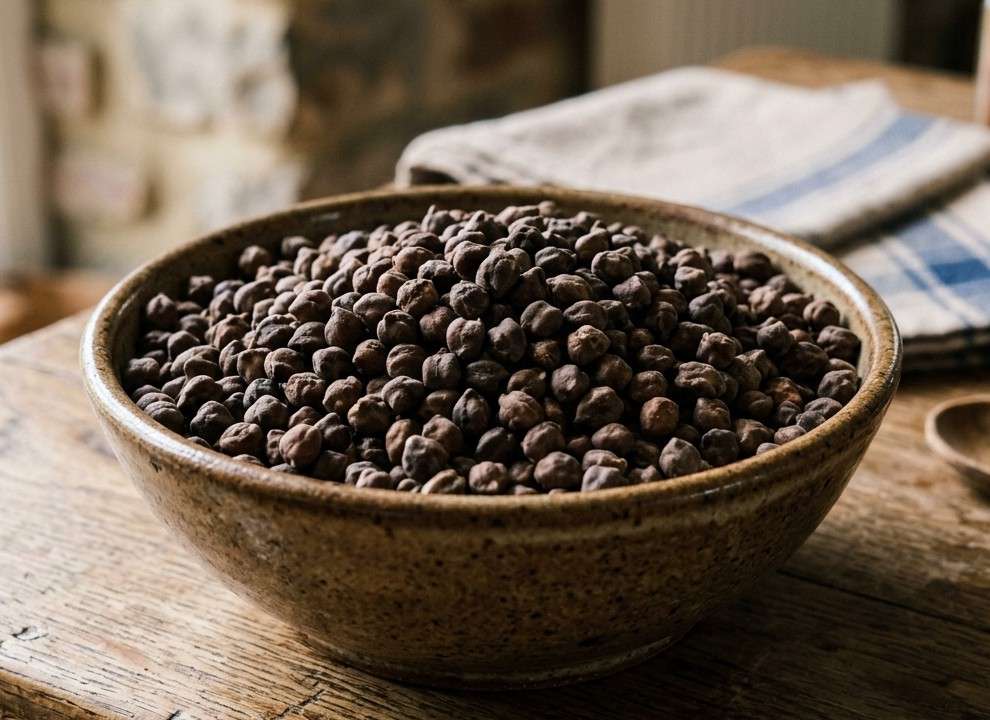
Black chickpeas are a nutritious legume enjoyed in many Indian households. Known as kala chana in Hindi, they are commonly used in curries, salads, sprouts, and traditional homemade meals. Their earthy flavor, firm texture, and impressive nutritional profile make them a useful addition to a balanced diet.
Black chickpeas provide plant-based protein, dietary fiber, complex carbohydrates, and several essential minerals. Eating them regularly may support digestive health, help maintain fullness, contribute to normal muscle function, and support heart health when included in an overall balanced eating pattern.
However, black chickpeas are not a miracle food, and their benefits depend on portion size, preparation methods, and individual health needs. In this guide, you will learn what black chickpeas are, their nutritional value, potential health benefits, possible side effects, cooking methods, and the precautions to keep in mind.
What Are Black Chickpeas?
Black chickpeas, scientifically known as Cicer arietinum, are a variety of chickpea with small, dark-brown to black seeds and a rough outer skin. They are also called kala chana, Bengal gram, or desi chickpeas in different contexts.
Unlike the larger, cream-colored kabuli chickpeas commonly used in hummus, black chickpeas generally have a smaller size, firmer texture, and more pronounced earthy flavor. They are widely consumed in India and other parts of South Asia.
Black chickpeas belong to the legume family and are valued for their combination of protein, fiber, complex carbohydrates, and minerals. They are naturally gluten-free and can be included in many vegetarian and vegan diets.
They are available in several forms:
- Dried black chickpeas: Raw, shelf-stable legumes that need soaking and cooking.
- Boiled black chickpeas: Cooked chickpeas that can be added to salads, curries, and snacks.
- Sprouted black chickpeas: Chickpeas that have been germinated under suitable conditions and are generally eaten after safe cooking.
- Roasted black chickpeas: A crunchy snack that can be eaten plain or seasoned.
- Black chickpea flour: Flour made from black chickpeas, suitable for selected savory recipes.
Black chickpeas are especially useful for people looking to add more plant-based foods to their meals without relying entirely on animal-based protein sources.
Nutrition Facts of Black Chickpeas
Black chickpeas contain a combination of macronutrients and micronutrients that contribute to their nutritional value. The exact composition varies with the variety, growing conditions, cooking method, and moisture content.
The following is an approximate nutrition values for 100 grams of cooked chickpeas, using general cooked chickpea data as a reference. These figures are not a laboratory analysis specific to black chickpeas.
| Nutrient | Approximate amount per 100 g cooked |
|---|---|
| Calories | 164 kcal |
| Protein | 8.9 g |
| Total carbohydrates | 27.4 g |
| Dietary fiber | 7.6 g |
| Total fat | 2.6 g |
| Sugars | 4.8 g |
| Folate (vitamin B9) | 172 mcg |
| Iron | 2.9 mg |
| Magnesium | 48 mg |
| Potassium | 291 mg |
| Phosphorus | 168 mg |
| Calcium | 49 mg |
| Zinc | 1.5 mg |
| Sodium | 7 mg |
Why Are Black Chickpeas Nutritious?
- Plant-based protein: Helps the body maintain and repair muscles and other tissues.
- Dietary fiber: Supports regular bowel movements and digestive health.
- Complex carbohydrates: Supply energy and help make meals more satisfying.
- Folate: Supports normal cell division and red blood cell formation.
- Iron: Helps the body produce hemoglobin, which carries oxygen in the blood.
- Magnesium: Contributes to normal muscle, nerve, and energy-producing functions.
- Potassium: Helps support normal muscle function and blood pressure regulation.
- Zinc: Supports immune function, wound healing, and normal growth.
20 Proven Health Benefits of Black Chickpeas
1. Supports Digestive Health: Black chickpeas contain dietary fiber that helps add bulk to stools and supports regular bowel movements when consumed with adequate fluids.
2. Helps Prevent Constipation: The fiber in cooked black chickpeas can help reduce constipation by improving stool consistency and supporting normal intestinal movement.
3. Supports Gut Bacteria: Certain fibers and resistant starches in chickpeas are fermented by beneficial gut bacteria, producing compounds that contribute to a healthy intestinal environment.
4. Helps Maintain Heart Health: Black chickpeas provide fiber, potassium, and unsaturated fats that can contribute to cardiovascular health as part of a balanced eating pattern.
5. May Help Manage Cholesterol: Soluble fiber in legumes can help lower LDL (bad) cholesterol when regularly included in a diet that supports healthy cholesterol levels.
6. Supports Blood Sugar Management: Their combination of fiber, protein, and slowly digested carbohydrates may help moderate the rise in blood glucose after a meal compared with some refined carbohydrate foods.
7. Promotes Fullness: Protein and fiber can help you feel satisfied for longer, potentially reducing the urge to snack between meals.
8. May Support Weight Management: Black chickpeas can make meals more filling without requiring large portions of calorie-dense foods, which may help people manage their overall calorie intake.
9. Provides Plant-Based Protein: Their protein helps maintain and repair body tissues and supports muscle maintenance, especially when combined with other protein sources throughout the day.
10. Supports Red Blood Cell Formation: Black chickpeas supply iron and folate, nutrients involved in healthy red blood cell production.
11. Helps Support Energy Metabolism: Folate and other B vitamins contribute to normal metabolic processes that allow the body to use energy from food.
12. Supports Bone Health: Black chickpeas provide phosphorus, magnesium, and some calcium, all of which contribute to maintaining healthy bones.
13. Supports Normal Muscle Function: Magnesium and potassium play important roles in muscle contraction, nerve signaling, and normal physiological function.
14. Contributes to Immune Function: Zinc, iron, protein, and other nutrients in chickpeas help the immune system function normally, although eating chickpeas alone cannot prevent infections.
15. Supports Healthy Pregnancy Nutrition: Folate is particularly important during early pregnancy for normal fetal neural tube development, making folate-containing foods useful as part of a pregnancy diet. Chickpeas do not replace recommended folic acid supplements.
16. Supports Healthy Skin: Protein and zinc contribute to tissue maintenance and wound healing, while a varied diet supplies the other nutrients needed for healthy skin.
17. Helps Maintain Healthy Hair: Black chickpeas provide protein, iron, and zinc, which support normal hair growth and tissue function when dietary intake is adequate.
18. Supports Brain and Nervous System Function: Folate, magnesium, and other nutrients contribute to normal neurological processes and overall nervous system function.
19. Helps Improve Overall Diet Quality: Adding black chickpeas to meals increases the intake of legumes, fiber, and plant-based nutrients, making it easier to follow a varied, plant-rich diet.
20. Offers a Nutritious Alternative to Some Animal Proteins: Replacing some processed or high-saturated-fat meat dishes with black chickpeas can increase fiber intake and reduce saturated fat, depending on how the meal is prepared.
10 Side Effects of Black Chickpeas
Black chickpeas are generally safe for most people when properly cooked and eaten in reasonable portions. However, their fiber content, fermentable carbohydrates, and individual tolerances can cause problems in some circumstances.
1. Gas and Flatulence: Black chickpeas contain fermentable carbohydrates that gut bacteria break down, sometimes producing excess gas.
2. Abdominal Bloating: Eating a large serving, particularly when your body is not accustomed to high-fiber foods, may cause uncomfortable abdominal fullness.
3. Stomach Cramps: Fermentation and intestinal gas can cause cramping or discomfort in sensitive individuals.
4. Diarrhea: Eating too much fiber at once may cause loose stools or diarrhea in some people, especially when their digestive system is not used to it.
5. Constipation From Inadequate Fluids: A sudden increase in fiber without enough fluid may worsen constipation in some individuals.
6. Allergic Reactions: Although uncommon, chickpeas can trigger food allergies. Symptoms may include itching, hives, swelling, vomiting, or breathing difficulties.
7. Digestive Symptoms in IBS: People with irritable bowel syndrome may experience bloating, gas, or pain because chickpeas contain fermentable carbohydrates that can trigger symptoms.
8. Discomfort From Undercooked Chickpeas: Insufficiently cooked chickpeas can be hard to digest and may cause gastrointestinal discomfort.
9. Extra Calories From Preparation: Deep-frying chickpeas or adding large amounts of oil, ghee, or rich sauces can substantially increase the calorie content of the finished dish.
10. Potential Problems With Excessive Intake: Eating very large portions may crowd out other important foods and cause persistent digestive symptoms, particularly if your overall diet lacks variety.
Important: Stop eating chickpeas if you suspect an allergic reaction. Swelling of the tongue or throat, difficulty breathing, or faintness requires emergency medical care.
How to Eat Black Chickpeas?
Black chickpeas are versatile and can be used in breakfast, lunch, dinner, and snacks. For most people, thoroughly cooked chickpeas are easier to digest than undercooked ones.
Here are some simple ways to enjoy them:
- Boiled Black Chickpeas: Boil soaked chickpeas until tender and season them with lemon juice, cumin, and a small amount of salt.
- Kala Chana Curry: Prepare a traditional Indian curry with onions, tomatoes, ginger, garlic, and spices.
- Black Chickpea Salad: Mix cooked chickpeas with cucumber, tomatoes, onions, coriander, and lemon juice.
- Roasted Black Chickpeas: Roast fully cooked, drained chickpeas with a little oil and your preferred seasonings until crisp.
- Black Chickpea Chaat: Combine cooked chickpeas with chopped vegetables, lemon juice, coriander, and spices.
- Black Chickpeas With Rice: Serve kala chana curry with a moderate portion of rice and vegetables for a balanced meal.
- Black Chickpea Wraps: Add cooked chickpeas to whole-wheat wraps with vegetables and yogurt-based dressing.
- Black Chickpea Soup: Simmer chickpeas with vegetables, herbs, and broth for a filling soup.
- Mashed Black Chickpeas: Mash cooked chickpeas with lemon, garlic, and a little olive oil for a spread or sandwich filling.
- Sprouted Black Chickpeas: Use properly prepared sprouts only after cooking them thoroughly, particularly for people at increased risk of foodborne illness.
Tips for Consuming Black Chickpeas
A few practical habits can help you enjoy black chickpeas while minimizing digestive discomfort.
- Start With Small Portions: Begin with a modest serving if you rarely eat legumes, then gradually increase the amount as tolerated.
- Soak Before Cooking: Soak dried chickpeas in plenty of water to help reduce cooking time and improve texture.
- Discard the Soaking Water: Drain and rinse chickpeas after soaking, then cook them in fresh water.
- Cook Until Completely Tender: Avoid eating dried chickpeas that remain hard or undercooked.
- Drink Enough Water: Adequate fluid intake helps dietary fiber do its job.
- Use Digestive Spices: Ginger, cumin, fennel, or asafoetida may improve flavor and may help some people feel more comfortable, although they do not eliminate digestive symptoms for everyone.
- Combine With Vegetables: Pair chickpeas with a variety of vegetables and whole grains rather than relying on a single food.
- Limit Excess Oil: Prefer boiled, steamed, or lightly roasted preparations over deep-fried snacks.
- Watch the Salt: Use moderate amounts of salt, especially if you have been advised to limit sodium.
- Chew Thoroughly: Eating slowly and chewing well may make meals more comfortable.
- Store Leftovers Safely: Refrigerate cooked chickpeas promptly instead of leaving them at room temperature for extended periods.
How to Cook Black Chickpeas?
Dried black chickpeas are firm and usually require soaking and a longer cooking time than many split legumes. A pressure cooker can make preparation easier.
Ingredients
- 1 cup dried black chickpeas
- Water for soaking and cooking
- Salt to taste
- Optional: cumin, turmeric, ginger, garlic, or other spices
Step-by-Step Cooking Method
- Sort the Chickpeas: Remove small stones, damaged seeds, or other debris.
- Rinse Thoroughly: Wash the chickpeas under clean running water.
- Soak Overnight: Cover with plenty of water and soak for approximately 8–12 hours. Use a large bowl because the chickpeas expand as they absorb water.
- Drain and Rinse: Discard the soaking water and rinse the chickpeas again.
- Add Fresh Water: Place the chickpeas in a pot or pressure cooker and cover with fresh water.
- Cook Until Tender: Simmer in a covered pot until soft, which may take 1–2 hours or longer depending on the age and variety. A pressure cooker is generally faster; follow the appliance’s instructions for legumes and allow pressure to release safely.
- Check Doneness: The chickpeas should be tender throughout rather than hard or chalky in the center.
- Season as Desired: Add salt and spices, then use the cooked chickpeas in your preferred recipe.
Cooking tip: Cooking times vary considerably, so use tenderness rather than the clock alone to judge when chickpeas are ready.
Quick Kala Chana Curry
For a simple curry, sauté chopped onion, ginger, garlic, and tomatoes in a small amount of oil. Add turmeric, cumin, coriander powder, and cooked black chickpeas. Add water as needed and simmer for 10–15 minutes to allow the flavors to combine.
Serve with roti, brown rice, or another grain, along with vegetables or plain yogurt if desired.
Other Uses of Black Chickpeas
Beyond traditional curries, black chickpeas can be used in several practical ways in everyday cooking.
- Healthy Snack Preparation: Boiled or oven-roasted black chickpeas can replace some less nutritious packaged snacks.
- Homemade Salad Ingredient: Add cooked chickpeas to vegetable salads to increase their protein and fiber content.
- Vegetarian Patty Filling: Mash chickpeas with herbs, spices, and vegetables to prepare patties for sandwiches or burgers.
- Soup Thickener: Blend a portion of cooked chickpeas into soups to create a thicker texture without relying on cream.
- Stuffing for Wraps and Parathas: Mix mashed chickpeas with spices and vegetables to prepare a filling for wraps or stuffed flatbreads.
- Flour for Savory Recipes: Black chickpea flour can be used in selected savory batters and baked recipes, depending on its texture and processing.
- Meal Preparation: Cook a larger batch and divide it into portions for salads, lunches, and dinners throughout the week.
- Plant-Based Protein Addition: Add black chickpeas to vegetable bowls and grain dishes to increase their protein content.
How Much Black Chickpeas Can You Eat in a Day?
For most healthy adults, about ½ to 1 cup of cooked black chickpeas per day can be a reasonable starting range, depending on your overall diet, energy needs, and digestive tolerance. This is a practical serving suggestion rather than a medically established daily requirement.
| Serving size | Approximate nutrition |
|---|---|
| ½ cup cooked (about 82 g) | 135 calories, 7.3 g protein, 6.2 g fiber |
| 1 cup cooked (about 164 g) | 269 calories, 14.6 g protein, 12.5 g fiber |
These figures are approximate general chickpea values and may differ for kala chana.
How to Choose the Right Portion
- For Beginners: Start with about ¼ cup of cooked chickpeas and increase gradually if you tolerate them well.
- For General Nutrition: A serving of ½ cup can be added to lunch or dinner.
- For Active Individuals: Larger portions may fit into meals according to energy and protein needs.
- For People With Digestive Sensitivity: Smaller portions spread across meals may be more comfortable.
- For People Managing Blood Sugar: Include chickpeas in balanced meals and account for their carbohydrate content as part of your individual meal plan.
Eating more is not automatically better. A varied diet containing vegetables, fruit, whole grains, and other protein sources is preferable to relying heavily on one food.
Best Time to Eat Black Chickpeas
There is no single scientifically established best time to eat black chickpeas. Their nutritional benefits depend more on the overall diet, portion size, and preparation method than on the time of day.
- At Breakfast: A small portion of cooked black chickpeas can provide fiber and plant protein to help make breakfast more filling.
- At Lunch: Kala chana curry with whole grains and vegetables makes a satisfying, balanced meal.
- Before or After Exercise: Chickpeas can contribute carbohydrates and protein to meals that support energy needs and muscle recovery.
- As an Afternoon Snack: A small serving of boiled or lightly roasted chickpeas can help satisfy hunger between meals.
- At Dinner: Black chickpeas can be part of dinner if you tolerate them comfortably; people who experience gas or bloating at night may prefer a smaller serving earlier in the day.
Practical advice: Choose the time that fits your routine and digestion. There is no strong evidence that eating black chickpeas on an empty stomach or at a particular hour produces special health benefits.
Who Should Eat Black Chickpeas?
Black chickpeas can be a useful addition to many diets when prepared properly and eaten in suitable portions.
- People Following Vegetarian Diets: Black chickpeas provide plant-based protein and can complement other protein-rich foods.
- People Seeking More Fiber: Their dietary fiber helps support bowel regularity and overall digestive health.
- People Managing Their Weight: The combination of protein and fiber may help promote fullness when chickpeas replace less filling, energy-dense foods.
- People Interested in Heart-Healthy Eating: Their fiber and low saturated fat content make them useful in balanced eating patterns that support cardiovascular health.
- People Managing Blood Sugar: Chickpeas may fit into a diabetes-friendly eating pattern because their fiber and slowly digested carbohydrates can support steadier post-meal blood glucose responses.
- People With Higher Protein Needs: They can contribute to daily protein intake, although total intake and variety still matter.
- People Seeking Iron-Rich Plant Foods: Black chickpeas contain iron, and pairing them with vitamin C-rich foods can improve absorption of non-heme iron.
- Pregnant Women: Cooked chickpeas provide folate and other nutrients useful during pregnancy, but they should complement rather than replace prenatal care and prescribed supplements.
- Older Adults: Their protein, fiber, and mineral content may help support nutritional needs when portions and texture are appropriate.
- People Looking to Eat More Whole Foods: Black chickpeas offer an affordable way to add minimally processed plant foods to regular meals.
Who Should Not Eat Black Chickpeas?
Most people do not need to avoid black chickpeas entirely. However, certain individuals may need to avoid them, limit their portions, or seek individualized advice.
- People With Chickpea Allergies: Anyone with a confirmed chickpea allergy should avoid black chickpeas because they can trigger an allergic reaction.
- People With Severe Digestive Symptoms: Those who repeatedly experience significant pain, bloating, or diarrhea after eating chickpeas may need to avoid them until the cause is assessed.
- People With IBS and Legume Sensitivity: Some people with irritable bowel syndrome may need smaller portions or a dietitian-guided low-FODMAP approach.
- People on a Medically Prescribed Restricted Diet: Anyone following a specific diet for a medical condition should check whether black chickpeas fit their individual nutritional restrictions.
- People Who Have Difficulty Swallowing: Chickpeas should be prepared to an appropriate soft texture, or avoided if they cannot be swallowed safely.
- People With Certain Digestive Disorders: Individuals with bowel narrowing or a history of intestinal obstruction may need personalized guidance about high-fiber foods.
- People Who Experience Persistent Symptoms: Anyone who consistently develops discomfort after eating black chickpeas should not force themselves to consume them simply because they are nutritious.
People with diabetes, high blood pressure, or other common chronic conditions do not automatically need to avoid black chickpeas. Preparation, portion size, and individual medical advice are more important than blanket restrictions.
How to Store Black Chickpeas?
Proper storage helps preserve the quality of dried chickpeas and reduces the risk of food spoilage after cooking.
- Store Dried Chickpeas in an Airtight Container: Keep them in a clean, dry container to protect them from moisture and pests.
- Choose a Cool, Dry Location: Store dried chickpeas away from direct sunlight, heat, and humidity.
- Check Before Use: Discard chickpeas that show signs of moisture damage, mold, unusual odors, or insect infestation.
- Refrigerate Cooked Chickpeas Promptly: Transfer cooked chickpeas to a covered container and refrigerate within two hours, or sooner in very hot conditions.
- Use Refrigerated Leftovers Within 3–4 Days: For cooked chickpeas handled and refrigerated safely at 4°C (40°F) or below, this is a general food-safety guideline.
- Freeze for Longer Storage: Freeze cooked chickpeas in meal-sized portions in suitable airtight containers or freezer bags.
- Label Frozen Portions: Write the preparation date on containers so you can track storage time and use older portions first.
- Avoid Leaving Cooked Chickpeas at Room Temperature: Do not leave them out for prolonged periods, particularly in warm weather.
- Store Sprouts With Extra Care: Raw sprouts can harbor harmful bacteria, so refrigeration alone does not make them risk-free; cook them thoroughly before eating, especially if you are pregnant, older, immunocompromised, or otherwise at higher risk of foodborne illness.
Precautions and Interactions
Black chickpeas are nutritious, but a few precautions can help you include them safely in your diet.
- Increase Fiber Gradually: Adding large amounts of fiber suddenly may cause gas, bloating, and abdominal discomfort.
- Drink Adequate Fluids: Sufficient fluid intake helps fiber support normal bowel movements.
- Cook Thoroughly: Soak and cook dried chickpeas until completely tender rather than eating them raw or undercooked.
- Consider Iron Absorption: Chickpeas contain non-heme iron, which is less readily absorbed than heme iron; eating them with vitamin C-rich foods such as lemon, tomatoes, or bell peppers can help.
- Review Diabetes Meal Plans: Chickpeas contain carbohydrates, so people who count carbohydrates or use insulin should account for their portions as directed by their healthcare professional.
- Check Sodium in Packaged Products: Canned, seasoned, or prepared chickpeas may contain added salt; rinsing canned chickpeas can reduce some of the sodium.
- Be Careful With Allergies: Avoid chickpeas if you have a confirmed allergy, and seek emergency help for breathing difficulty or swelling of the throat.
- Follow Individual Medical Advice: People with specific digestive conditions or prescribed dietary restrictions should ask their clinician or registered dietitian about suitable portions.
- Do Not Rely on Chickpeas as a Treatment: They cannot replace prescribed medicines or treatment for anemia, diabetes, high cholesterol, or other medical conditions.
- Use Safe Sprouting Practices: Sprouting creates conditions in which harmful bacteria can multiply, so home-sprouted chickpeas should be handled carefully and cooked thoroughly.
Black chickpeas are not known to have a specific major drug interaction for most people. However, anyone taking medication that requires a carefully controlled diet or carbohydrate intake should discuss relevant dietary changes with their healthcare professional.
FAQ’s
What are black chickpeas good for?
Black chickpeas provide protein, fiber, iron, folate, and other nutrients that support digestive health, fullness, muscle maintenance, and overall nutrition.
Are black chickpeas good for weight loss?
Yes, black chickpeas may support weight management because their protein and fiber help you feel full for longer when eaten as part of a balanced diet.
Can I eat black chickpeas every day?
Yes, most people can eat properly cooked black chickpeas daily in moderate portions, depending on their digestive tolerance and nutritional needs.
Are black chickpeas good for people with diabetes?
Black chickpeas contain fiber and protein, which may help moderate post-meal blood sugar responses. Portion size and total carbohydrate intake remain important.
Do black chickpeas increase hemoglobin?
Black chickpeas contain iron and folate, which contribute to red blood cell production. However, they cannot reliably treat anemia on their own.
Which is healthier, black chickpeas or white chickpeas?
Both are nutritious sources of protein, fiber, and minerals. Their nutritional differences depend on the variety and cooking method, so neither is always healthier.
Can I eat black chickpeas at night?
Yes, you can eat cooked black chickpeas at night. If they cause gas or bloating, try eating a smaller portion or having them earlier in the day.
Are black chickpeas good for hair growth?
Black chickpeas provide protein, iron, and zinc, which support normal hair health. However, there is limited evidence that eating them specifically promotes faster hair growth.
Can pregnant women eat black chickpeas?
Yes, properly cooked black chickpeas can be part of a healthy pregnancy diet because they provide folate, protein, and iron. They do not replace recommended prenatal supplements.
How long should black chickpeas be soaked before cooking?
Soak dried black chickpeas for approximately 8–12 hours in plenty of water. Drain, rinse, and cook them in fresh water until completely tender.
Do black chickpeas cause gas?
Yes, black chickpeas may cause gas and bloating because they contain fiber and fermentable carbohydrates. Gradually increasing portion sizes may help improve tolerance.
Are soaked black chickpeas better than boiled black chickpeas?
Soaking helps soften dried chickpeas and reduce cooking time, but soaked chickpeas should be cooked thoroughly before eating. Boiled chickpeas are generally easier to digest than raw, soaked ones.
Can black chickpeas help lower cholesterol?
The dietary fiber in chickpeas may help lower LDL cholesterol when they are regularly included in a heart-healthy diet.
Are soaked black chickpeas safe to eat raw?
Soaking alone does not make dried chickpeas ready to eat. Cook them thoroughly until tender before consumption.
Which is better: boiled or roasted black chickpeas?
Both can be nutritious. Boiled chickpeas are soft and versatile, while roasted chickpeas offer a crunchy snack. Roasting with excessive oil or salt can make the finished snack less suitable for some dietary needs.
What is the difference between chickpeas and black chickpeas?
White chickpeas are larger and cream-colored, while black chickpeas (kala chana) are smaller, darker, and have a firmer texture.
How much protein is in 100 gm of black chana?
100 grams of dry black chana contains approximately 18–20 grams of protein, while cooked black chana provides about 8–9 grams.
Is black chickpeas safe for children?
Yes, properly cooked black chickpeas provide protein, fiber, and iron. Serve them soft and mashed for young children to reduce choking risk.
What does black chickpeas taste like?
Black chickpeas have a nutty, earthy flavor and a firm texture, making them suitable for curries, salads, and snacks.
Conclusion
Black chickpeas are an affordable, versatile, and nutrient-rich legume that can be included in a balanced diet in many ways. Their protein, dietary fiber, folate, iron, magnesium, and other nutrients make them a valuable choice for people seeking more plant-based foods.
Eating black chickpeas may help support digestive health, fullness, healthy cholesterol levels, and normal blood sugar management when they replace less nutritious foods as part of a balanced eating pattern. However, portion size, proper cooking, and individual digestive tolerance are important.
Sources / References:
Disclaimer:
This guide is for educational purposes only and is not a substitute for professional medical advice, diagnosis, or treatment. Consult a qualified healthcare professional for personalized dietary guidance, especially if you have a food allergy or a medical condition.
Also Read: