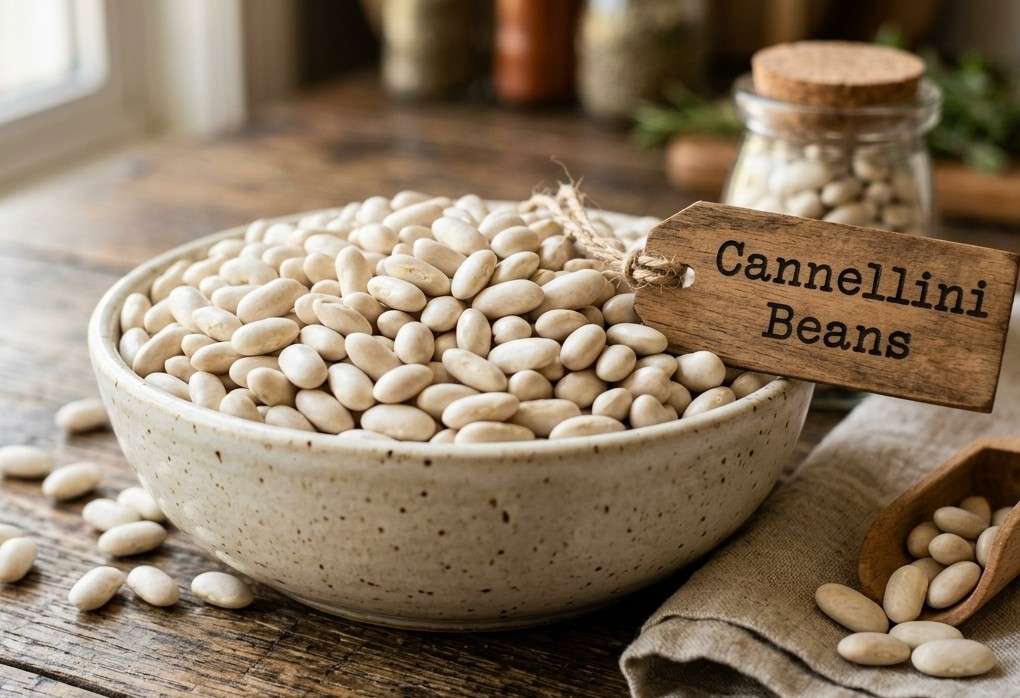
Cannellini beans are creamy, tender white beans that can add both nutrition and flavor to everyday meals. Popular in Italian cooking, these beans are commonly used in soups, salads, pasta dishes, stews, and vegetable recipes. Their mild taste makes them easy to combine with herbs, garlic, olive oil, and a wide variety of other ingredients.
Cannellini beans are especially valued for their plant-based protein, dietary fiber, complex carbohydrates, and essential minerals. Eating them regularly as part of a balanced diet may help support digestive health, heart health, healthy weight management, and overall nutritional intake.
Whether you want to eat more plant-based foods, improve your daily fiber intake, or discover new healthy ingredients, cannellini beans can be a practical addition to your kitchen. However, portion sizes, preparation methods, and individual health needs should also be considered.
In this guide, you will learn what cannellini beans are, their nutrition facts, 20 potential health benefits, possible side effects, how to cook them, and the precautions to keep in mind.
What Are Cannellini Beans?
Cannellini beans are a variety of white kidney bean known for their large, kidney-shaped appearance, smooth texture, and mild, slightly nutty flavor. They are widely used in Italian and Mediterranean-inspired dishes and are available dried or canned.
When cooked, cannellini beans become soft and creamy while retaining enough structure to work well in soups, salads, and stews. Their neutral flavor also makes them suitable for dips, spreads, and plant-based recipes.
Cannellini beans belong to the legume family, which includes lentils, chickpeas, peas, and other beans. Like many legumes, they provide a combination of plant protein, carbohydrates, fiber, and micronutrients.
One of their main nutritional advantages is that they provide both protein and fiber in the same food. This combination can help make meals more satisfying and support regular bowel movements.
Cannellini beans should always be eaten properly cooked. If you use canned beans, they are generally ready to eat after draining and rinsing, provided the product label does not specify otherwise.
Nutrition Facts of Cannellini Beans
Cannellini beans provide several nutrients that support normal body functions. The following is an approximate nutrition values for one cup of cooked white beans, using general white-bean nutrition data as a guide. Values can vary by bean variety, cooking method, and whether the beans are canned or dried.
| Nutrient | Approximate amount per 1 cup cooked |
|---|---|
| Calories | 225–250 kcal |
| Protein | 15–17 g |
| Total carbohydrates | 40–45 g |
| Dietary fiber | 10–12 g |
| Total fat | 0.5–1.5 g |
| Saturated fat | Less than 0.3 g |
| Folate | 150–200 mcg |
| Iron | 4–6 mg |
| Potassium | 700–1,000 mg |
| Magnesium | 80–100 mg |
| Phosphorus | 250–300 mg |
| Calcium | 100–160 mg |
| Zinc | 2–3 mg |
| Sodium | Varies considerably by preparation |
Key Nutrients in Cannellini Beans
- Protein: Helps build and repair body tissues and supports normal muscle function.
- Dietary fiber: Supports bowel regularity, digestive health, and feelings of fullness.
- Folate: Plays an important role in DNA production and normal cell division.
- Iron: Helps the body produce hemoglobin, which carries oxygen in the blood.
- Potassium: Supports normal muscle contraction, nerve signaling, and blood pressure regulation.
- Magnesium: Contributes to muscle and nerve function, energy production, and bone health.
- Complex carbohydrates: Supply energy and can help make meals more filling.
20 Health Benefits of Cannellini Beans
1. Supports Digestive Health: Cannellini beans contain dietary fiber that helps add bulk to stool and supports regular bowel movements when consumed with adequate fluids.
2. Helps Prevent Constipation: Their fiber content may help make stools easier to pass, particularly when beans are introduced gradually into a fiber-rich diet.
3. Supports Heart Health: Cannellini beans provide fiber, potassium, and other nutrients that can contribute to a heart-healthy eating pattern when they replace foods high in saturated fat or sodium.
4. May Help Manage Cholesterol: Soluble fiber in legumes can help reduce the absorption of cholesterol in the digestive tract, potentially supporting healthier LDL cholesterol levels.
5. Promotes Fullness: The combination of protein and fiber can help you feel satisfied after meals and may reduce the urge to snack soon afterward.
6. Supports Healthy Weight Management: Cannellini beans can make meals more filling without adding large amounts of fat, which may help with weight management when overall calorie intake is appropriate.
7. Provides Plant-Based Protein: These beans offer protein that helps the body maintain muscles, repair tissues, and produce important enzymes.
8. Helps Maintain Steady Energy: Their carbohydrate and fiber content provides energy while slowing digestion compared with many highly refined carbohydrate foods.
9. Supports Blood Sugar Management: Fiber and slowly digested carbohydrates may help moderate the rise in blood glucose after meals when cannellini beans replace more refined carbohydrate choices.
10. Contributes to Red Blood Cell Production: Cannellini beans provide iron and folate, nutrients involved in the formation of healthy red blood cells.
11. Supports Normal Cell Growth: Folate contributes to DNA synthesis and cell division, making it particularly important during periods of rapid growth.
12. Contributes to Immune Function: Iron, zinc, folate, and protein help support normal immune system functions, although eating cannellini beans alone cannot prevent infections.
13. Supports Muscle Function: Potassium, magnesium, and protein contribute to normal muscle contraction, nerve signaling, and muscle maintenance.
14. Helps Maintain Healthy Bones: Cannellini beans supply minerals such as magnesium, phosphorus, and calcium that contribute to normal bone structure and function.
15. Supports Nervous System Function: Magnesium, potassium, and folate participate in processes necessary for normal nerve signaling and nervous system activity.
16. Provides Antioxidant Compounds: Cannellini beans contain plant compounds, including polyphenols, that may help protect cells from oxidative stress as part of a varied diet.
17. Supports Gut Microbiome Diversity: Some of the carbohydrates and fiber in beans are fermented by beneficial intestinal bacteria, helping support a healthy gut environment.
18. May Support Healthy Blood Pressure: Their potassium content and naturally low saturated fat content can complement an overall eating pattern designed to support healthy blood pressure.
19. Helps Improve Dietary Quality: Adding cannellini beans to meals can increase the intake of fiber, plant protein, folate, and minerals that many people need to obtain regularly from food.
20. Offers a Nutritious Alternative to Some Meat Dishes: Replacing some processed or fatty meats with cannellini beans can increase fiber intake and reduce saturated fat in a meal, depending on the foods being replaced.
10 Possible Side Effects of Cannellini Beans
Cannellini beans are safe for most people when properly prepared and eaten in reasonable portions. However, their fiber and fermentable carbohydrates can cause digestive discomfort in some people, particularly when they are not accustomed to eating legumes.
1. Gas: Gut bacteria ferment certain carbohydrates in beans, producing gas that can cause discomfort or increased flatulence.
2. Bloating: Eating a large serving may cause the abdomen to feel full, swollen, or tight, especially in people who are sensitive to fermentable carbohydrates.
3. Abdominal Cramps: Some people may experience mild stomach cramps as intestinal bacteria ferment the carbohydrates found in beans.
4. Changes in Bowel Movements: Increasing fiber intake too quickly may cause temporary changes in stool frequency or consistency.
5. Diarrhea: Large portions, individual food sensitivities, or improperly stored cooked beans may contribute to diarrhea.
6. Constipation When Fluid Intake Is Inadequate: A sudden increase in fiber without enough fluid may worsen constipation in some people.
7. Allergic Reactions: Although uncommon, bean allergies can occur and may cause itching, hives, swelling, digestive symptoms, or breathing difficulties.
8. Excess Sodium From Canned Products: Some canned cannellini beans contain added salt, and frequent consumption of high-sodium foods may make blood pressure management more difficult.
9. Blood Sugar Changes: Cannellini beans generally provide fiber-rich carbohydrates, but the total carbohydrate content still matters for people who monitor their blood glucose or count carbohydrates.
10. Foodborne Illness From Improper Handling: Cooked beans that are left at room temperature too long or stored incorrectly can allow harmful bacteria to grow. Raw or undercooked beans may also contain naturally occurring substances that are reduced through proper cooking.
How to Eat Cannellini Beans?
Cannellini beans are versatile and can be included in many meals. Their creamy texture makes them easy to use in both traditional and modern recipes.
- In Soups: Add cooked beans to vegetable soup, minestrone, or chicken soup for extra protein and fiber.
- In Salads: Combine them with tomatoes, cucumber, leafy greens, olive oil, and lemon juice.
- With Pasta: Toss cannellini beans with whole-wheat pasta, garlic, spinach, and olive oil.
- In Stews: Add them to vegetable, tomato, or chicken stews for a creamy texture.
- As a Side Dish: Warm cooked beans with herbs, garlic, black pepper, and a little olive oil.
- As a Dip: Blend the beans with lemon juice, garlic, olive oil, and herbs to make a smooth spread.
- On Toast: Mash cooked beans onto whole-grain toast and top with tomatoes or sautéed greens.
- In Grain Bowls: Combine them with brown rice, quinoa, roasted vegetables, and a light dressing.
- In Vegetarian Patties: Mash the beans with oats, seasonings, and vegetables to make bean patties.
- In Casseroles: Mix them with vegetables and a suitable sauce for a filling baked dish.
For a simple everyday meal, combine half a cup of cannellini beans with cooked vegetables, a whole grain, and a source of healthy fat.
Tips for Consuming Cannellini Beans
A few practical habits can help you enjoy cannellini beans while reducing digestive discomfort and unnecessary sodium.
- Start With Small Portions: Begin with about one-quarter to one-half cup if you rarely eat beans, then increase gradually as tolerated.
- Rinse Canned Beans: Drain and rinse canned beans under running water to remove some of the added sodium and packing liquid.
- Soak Dried Beans: Soaking dried beans before cooking can shorten cooking time and may help reduce some compounds associated with gas.
- Cook Them Thoroughly: Make sure dried beans become fully tender before eating.
- Drink Enough Water: Adequate fluid intake helps fiber do its job in the digestive system.
- Use Gentle Seasonings: Try ginger, cumin, rosemary, fennel, or bay leaves if you find beans difficult to digest.
- Avoid Excessive Salt: Season with herbs, lemon juice, garlic, and spices rather than relying on salty sauces.
- Combine With Vegetables: Pair cannellini beans with vegetables and whole grains for a balanced meal.
- Read the Label: Choose canned varieties with no added salt or reduced sodium when possible.
- Store Leftovers Safely: Refrigerate cooked beans promptly in a covered container.
How to Cook Cannellini Beans?
Cannellini beans can be cooked from dried beans or prepared from a can. Cooking dried beans from scratch gives you greater control over the texture and seasoning, while canned beans are a convenient option for quick meals.
Method 1: Cooking Dried Cannellini Beans
Ingredients:
- 1 cup dried cannellini beans
- Water for soaking and cooking
- 1 bay leaf or a few herbs, optional
- Garlic, onion, or other seasonings, optional
- Salt, to taste
Instructions:
- Sort the Beans: Remove any stones, damaged beans, or other debris.
- Rinse Thoroughly: Wash the beans under clean running water.
- Soak the Beans: Cover them with plenty of water and soak for several hours or overnight in the refrigerator. Discard the soaking water and rinse again.
- Add Fresh Water: Place the beans in a large pot and cover them with fresh water.
- Boil Thoroughly: Bring the water to a full boil and maintain a vigorous boil for at least 30 minutes as a safety step for dried white kidney beans.
- Simmer Until Tender: Continue cooking at a gentle simmer until the beans are completely tender. Depending on their age and soaking time, this may take another 30–60 minutes or longer.
- Check Doneness: Cut or taste a bean to make sure the center is soft and fully cooked, with no hard or chalky texture.
- Season and Serve: Add salt and preferred seasonings toward the end of cooking, then use the beans in your chosen recipe.
Cooking times vary, so tenderness matters more than a fixed time. Do not use a slow cooker alone to cook dried white kidney beans unless the appliance instructions and a reliable food-safety method ensure that the beans receive adequate high-temperature cooking.
Method 2: Cooking Canned Cannellini Beans
- Open the can and drain the beans.
- Rinse them under running water, particularly if they contain added salt.
- Place the beans in a saucepan with a little water or low-sodium broth.
- Add garlic, herbs, black pepper, or other seasonings.
- Warm gently for about 5–10 minutes until heated through.
- Add the beans to soups, salads, pasta, or other dishes.
Canned beans are generally already cooked, so they do not require the long cooking process used for dried beans.
Other Uses of Cannellini Beans
Cannellini beans are useful beyond soups and salads. Their soft texture and mild flavor make them suitable for several creative cooking applications.
- Creamy Sauce Base: Blend cooked beans with garlic, lemon, and a little cooking water to make a creamy sauce without relying entirely on cream.
- Sandwich Spread: Mash the beans with herbs and olive oil to create a filling spread for sandwiches and wraps.
- Dairy-Free Recipe Thickener: Purée the beans into soups and sauces to create a thicker texture.
- Vegetarian Burger Ingredient: Combine mashed beans with breadcrumbs or oats, herbs, and vegetables to prepare homemade patties.
- Pasta Filling: Mix mashed beans with spinach and seasonings for a filling in pasta shells or other stuffed pasta dishes.
- Roasted Bean Snack: Roast fully cooked, drained beans with a small amount of oil and seasonings until the outside becomes crisp.
- Meal-Prep Ingredient: Cook a batch and divide it into portions for lunches and dinners throughout the week.
- Baby Food Ingredient: Fully cooked, plain beans can be mashed or puréed to an age-appropriate consistency for babies who are developmentally ready for complementary foods, with suitable supervision and texture precautions.
Cannellini beans are intended for culinary use. They should not be considered a treatment for anemia, heart disease, diabetes, or other medical conditions.
How Much Cannellini Beans Can You Eat in a Day?
For many healthy adults, around one-half to one cup of cooked cannellini beans per day can be a reasonable serving, depending on overall dietary needs, tolerance, and the other foods eaten that day. There is no single serving size that is ideal for everyone.
If you are new to beans, begin with one-quarter cup and gradually increase the amount. This can give your digestive system time to adapt to the extra fiber and fermentable carbohydrates.
A one-half-cup serving can add plant protein, fiber, and several minerals to a meal. A one-cup serving provides more of these nutrients but may also cause gas or bloating in people who are sensitive to beans.
Your ideal portion may depend on:
- Your daily energy and protein requirements.
- Your current fiber intake and digestive tolerance.
- Whether you eat other beans, lentils, or high-fiber foods.
- Whether you need to manage sodium, potassium, or carbohydrate intake for a medical condition.
People with chronic kidney disease or those following a medically prescribed diet should ask their healthcare professional or registered dietitian about suitable portions because cannellini beans contain potassium and phosphorus.
Best Time to Eat Cannellini Beans
There is no scientifically established best time of day to eat cannellini beans. You can enjoy them at breakfast, lunch, or dinner depending on your routine and food preferences.
- At Breakfast: Add a small serving to whole-grain toast or a vegetable breakfast bowl.
- At Lunch: Include them in a salad, soup, or grain bowl for a filling midday meal.
- At Dinner: Serve them with cooked vegetables and whole grains as part of a balanced dinner.
- Before Physical Activity: If beans tend to cause bloating, avoid eating a large portion immediately before exercise.
- In the Evening: Cannellini beans can be part of dinner, but a smaller portion may be more comfortable if you experience gas or fullness at night.
Consistency and overall dietary quality matter more than the exact time you eat them.
Who Should Eat Cannellini Beans?
Cannellini beans can suit many people who want to increase their intake of plant foods and dietary fiber.
- People Following Plant-Based Diets: Cannellini beans provide plant protein and can help add variety to vegetarian and vegan meals.
- People Seeking More Fiber: Their fiber content can help increase daily fiber intake when introduced gradually.
- People Managing Their Weight: Protein and fiber may help meals feel more satisfying when portion sizes fit overall energy needs.
- People Supporting Heart Health: Beans can contribute to a heart-healthy eating pattern, especially when replacing foods high in saturated fat.
- People Looking for Affordable Protein: Dried and canned beans are often economical sources of plant protein.
- People Wanting More Meat-Free Meals: Cannellini beans can replace some meat in soups, stews, salads, and pasta dishes.
- People Seeking Nutrient-Dense Foods: They supply folate, iron, magnesium, potassium, and other nutrients that support normal body functions.
- People Wanting More Meal Variety: Their mild flavor works well in Mediterranean-inspired dishes and many everyday recipes.
Who Should Not Eat Cannellini Beans?
Most people do not need to avoid cannellini beans entirely. However, some people may need to limit them, modify preparation, or seek individual dietary advice.
- People With a Confirmed Bean Allergy: Anyone allergic to cannellini beans or a related ingredient should avoid them and follow medical advice about cross-contact.
- People With Severe Digestive Sensitivity: Individuals who experience significant bloating or abdominal pain after eating beans may need smaller portions or advice from a registered dietitian.
- People Following a Low-FODMAP Diet: Cannellini beans may need to be limited to a suitable tested portion during the elimination phase, depending on individual tolerance and the product.
- People With Certain Kidney Conditions: Those who have been instructed to restrict potassium or phosphorus may need to limit their intake according to their treatment plan.
- People on a Medically Prescribed Diet: Anyone following specific carbohydrate, sodium, or mineral restrictions should check appropriate portion sizes with their healthcare professional.
- People Considering Raw or Undercooked Beans: Dried cannellini beans should never be eaten raw or undercooked because white kidney beans contain lectins that can cause gastrointestinal illness.
People who experience breathing difficulties, throat swelling, or other signs of a severe allergic reaction after eating beans need emergency medical care.
How to Store Cannellini Beans?
Proper storage helps preserve quality and reduce the risk of foodborne illness.
- Store Dried Beans in a Cool, Dry Place: Keep uncooked beans in a sealed container away from moisture, direct sunlight, and heat.
- Check Dried Beans Before Cooking: Discard beans with signs of moisture damage, mold, or unusual odors.
- Refrigerate Cooked Beans Promptly: Transfer cooked beans to a clean, covered container and refrigerate within two hours of cooking, or within one hour if the surrounding temperature is above 90°F (32°C).
- Use Refrigerated Cooked Beans Within 3–4 Days: Keep the refrigerator at 40°F (4°C) or below and discard beans that have been stored too long or show signs of spoilage.
- Freeze for Longer Storage: Freeze cooked beans in meal-sized portions with a little cooking liquid if desired, using airtight freezer-safe containers.
- Refrigerate Opened Canned Beans: Move leftover beans to a covered container and refrigerate rather than leaving them in an opened can at room temperature.
- Follow Package Instructions: Observe the manufacturer’s storage guidance and discard any product with a damaged seal, bulging can, leaking container, or unusual appearance.
Do not taste beans to determine whether they are safe if they have been stored improperly or show signs of spoilage.
Precautions and Interactions
Cannellini beans are a nutritious food, but a few precautions can make them safer and more suitable for individual needs.
- Cook Dried Beans Thoroughly: Dried white kidney beans contain phytohaemagglutinin, a lectin that can cause nausea, vomiting, and diarrhea when the beans are raw or undercooked. Soaking alone is not enough; boil them thoroughly before simmering until tender.
- Increase Fiber Gradually: Adding large amounts of fiber suddenly may cause gas, bloating, or abdominal discomfort, so increase your intake slowly.
- Maintain Adequate Hydration: Drink enough fluids to help fiber support normal bowel movements, unless you have a fluid restriction prescribed by your healthcare professional.
- Watch Sodium Intake: Choose low-sodium canned beans when possible, especially if you have high blood pressure or need to limit sodium.
- Consider Potassium Restrictions: People with kidney disease or certain medication-related potassium concerns should discuss their intake with their healthcare professional.
- Consider Phosphorus Restrictions: People with advanced kidney disease may need individualized advice about phosphorus from plant foods, including beans.
- Monitor Blood Glucose if Needed: Cannellini beans contain carbohydrates, so people who use carbohydrate counting or glucose-lowering medication should account for their portion as part of their meal plan.
- Check for Allergic Reactions: Stop eating the beans and seek medical advice if you develop symptoms suggesting a food allergy.
- Avoid Unnecessary Supplements: Eating cannellini beans does not mean you need extra iron, potassium, or folate supplements. Supplements should be used according to individual needs and professional guidance.
- Use Safe Food Storage Practices: Refrigerate cooked beans promptly and reheat leftovers thoroughly before eating.
FAQ’s
What are cannellini beans good for?
White kidney beans provide plant-based protein, fiber, iron, folate, and potassium that support digestion, heart health, and overall nutrition.
Are cannellini beans good for weight loss?
Yes, their protein and fiber may help you feel full for longer and support healthy weight management as part of a balanced diet.
Are cannellini beans high in protein?
Yes, one cup of cooked cannellini beans typically provides around 15–17 grams of plant-based protein.
Can you eat cannellini beans every day?
Yes, most healthy adults can eat cannellini beans daily in moderate portions, provided they tolerate them well.
Do cannellini beans cause gas?
Yes, cannellini beans may cause gas and bloating because they contain fermentable carbohydrates and dietary fiber.
Are cannellini beans healthier than kidney beans?
White kidney beans are a type of white kidney bean. Other kidney bean varieties also provide protein, fiber, and essential nutrients, so neither is automatically healthier.
Are canned cannellini beans already cooked?
Yes, most canned cannellini beans are fully cooked and ready to eat after draining and rinsing. Always check the product label.
Are cannellini beans good for people with diabetes?
White kidney beans can fit into a diabetes-friendly diet because they contain fiber and complex carbohydrates, but portion sizes and total carbohydrate intake matter.
Can pregnant women eat cannellini beans?
Yes, properly cooked cannellini beans can provide useful nutrients during pregnancy, including folate, iron, and protein.
Are cannellini beans good for heart health?
Yes, their fiber, potassium, and low saturated fat content can support heart health as part of a balanced diet.
Can cannellini beans help relieve constipation?
Their dietary fiber may help promote regular bowel movements when combined with adequate fluid intake.
What is the difference between cannellini beans and navy beans?
Cannellini beans are larger, kidney-shaped white beans, while navy beans are smaller, oval-shaped beans that tend to become very soft when cooked.
Are cannellini beans safe to eat raw?
No, dried cannellini beans should never be eaten raw or undercooked because they contain lectins that can cause gastrointestinal illness. Cook them thoroughly before eating.
Are cannellini beans safe for children?
Yes, properly cooked cannellini beans can be a nutritious food for children, providing protein, fiber, and essential minerals. For young children, mash or soften the beans appropriately to reduce choking risk.
What do cannellini beans taste like?
Cannellini beans have a mild, slightly nutty flavor and a creamy, tender texture. They absorb seasonings well, making them ideal for soups, salads, pasta, and stews.
Are cannellini beans healthy?
Yes. white kidney beans provide plant protein, dietary fiber, folate, iron, potassium, and magnesium. They can support a balanced diet, although their benefits depend on your overall eating pattern and preparation method.
Can cannellini beans help lower cholesterol?
The soluble fiber found in legumes can help lower LDL cholesterol as part of a suitable diet. Cannellini beans may contribute to this effect, but they are not a substitute for prescribed cholesterol treatment.
What are cannellini beans called in India?
Cannellini beans are generally known as white kidney beans in India. They may be sold as white rajma or white kidney beans, although availability and naming vary by region and seller.
What is a good substitute for cannellini beans?
Great substitutes include butter beans, great northern beans, navy beans, chickpeas, and white kidney beans because they can provide a similar texture or nutritional value.
Can I replace cannellini beans with chickpeas?
Yes, chickpeas can replace cannellini beans in most recipes. They have a firmer texture and a slightly nuttier flavor.
What can I replace cannellini beans with in a soup?
You can use butter beans, great northern beans, navy beans, chickpeas, or even lentils, depending on the soup’s desired texture and flavor.
What are the main differences between cannellini beans and chickpeas?
Cannellini beans are white, kidney-shaped, and creamy when cooked, while chickpeas are rounder, firmer, and nuttier in taste. Both provide plant-based protein, fiber, and essential minerals.
Which is healthier, butter beans or cannellini beans?
Both are healthy legumes that provide protein, fiber, and minerals. Cannellini beans may provide more fiber in some comparisons, while butter beans offer a creamy texture and their own nutritional benefits.
What is another name for cannellini beans?
Cannellini beans are commonly called white kidney beans or Italian white kidney beans. They are a specific type of white bean.
Do cannellini beans need to be soaked before cooking?
Soaking dried cannellini beans overnight is recommended because it can shorten cooking time and may improve digestibility. Always boil dried beans thoroughly before simmering until tender.
Do cannellini beans spike blood sugar?
Cannellini beans generally have a moderate effect on blood sugar because they contain fiber and slowly digested carbohydrates. However, individual responses vary, and portion size matters, especially for people with diabetes.
What can I add to cannellini beans for flavor?
Add garlic, onion, olive oil, lemon juice, black pepper, vegetable broth, or a small amount of salt to enhance their mild flavor.
What herbs go with cannellini beans?
Rosemary, thyme, parsley, sage, oregano, and bay leaves complement cannellini beans particularly well in soups, stews, and side dishes.
How long do cannellini beans take to cook?
Soaked dried cannellini beans commonly take about 45–90 minutes to cook, depending on their age and soaking time. Canned cannellini beans are already cooked and usually need only 5–10 minutes to warm.
Which is better for you, chickpeas or cannellini beans?
Both are excellent choices. Cannellini beans often provide more fiber per cup, while chickpeas provide a slightly different nutrient profile and a firmer texture. The better option depends on your nutritional needs, preferences, and the recipe.
Conclusion
Cannellini beans are a versatile, affordable, and nutrient-rich food that can make everyday meals more satisfying. They provide plant-based protein, fiber, folate, iron, potassium, and magnesium, making them a useful addition to balanced eating patterns.
From supporting bowel regularity to contributing to heart health and healthy weight management, their potential benefits come from the nutrients they provide as part of an overall healthy diet. They are easy to add to soups, salads, pasta, stews, dips, and meat-free meals.
Sources / References:
Disclaimer:
This guide is for educational purposes only and is not a substitute for professional medical advice, diagnosis, or treatment. Consult a qualified healthcare professional about individual dietary needs or medical conditions.
Also Read: