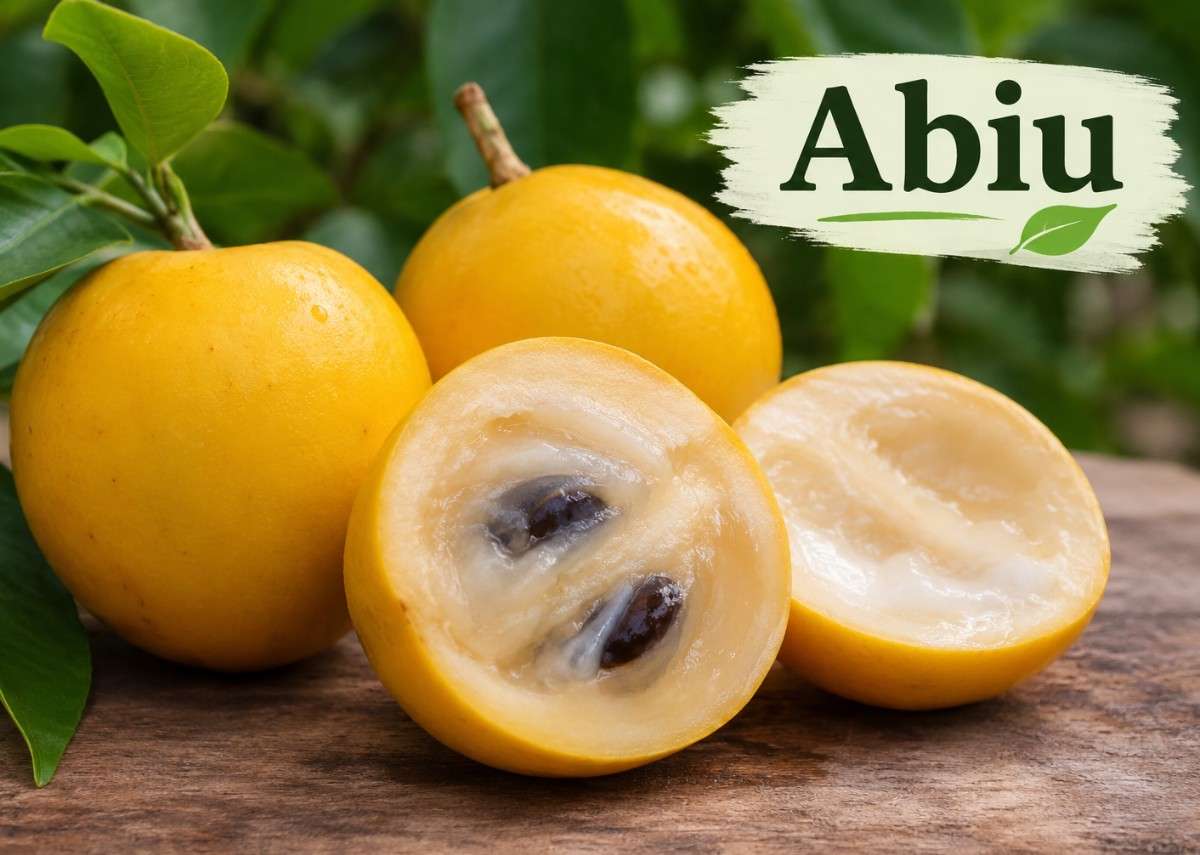
Abiu fruit is an exotic tropical fruit known for its bright yellow skin, soft translucent flesh, and naturally sweet, custard-like flavour. Native to the Amazon region of South America, this lesser-known fruit is gradually gaining attention among tropical fruit lovers because of its nutritional value and versatility.
Also called yellow star apple or yellow sapote, abiu is enjoyed fresh and can be added to fruit salads, smoothies, desserts, and other recipes. It contains water, natural carbohydrates, dietary fibre, vitamin C, and several essential minerals.
Beyond its delicious taste, abiu offers nutrients that can support everyday health. Its vitamin C contributes to immune function and collagen production, while its fibre supports digestion. However, research specifically examining the health effects of eating abiu in humans is still limited.
In this guide, we explore what abiu fruit is, its nutrition facts, 20 potential health benefits, possible side effects, how to eat it, and important precautions.
What Is Abiu Fruit?
Abiu fruit is a tropical fruit scientifically known as Pouteria caimito. It belongs to the Sapotaceae family and grows on evergreen trees native to tropical South America, particularly the Amazon region.
The fruit is generally round, oval, or slightly elongated. When ripe, its smooth skin turns bright yellow, while the inside contains soft, translucent white flesh with a sweet and mildly caramel-like flavour. Depending on the variety, it may contain one to four large, dark brown seeds.
Abiu is sometimes compared to sapodilla because of its sweetness, although its texture is softer and more jelly-like.
One important characteristic of abiu is its milky latex. Unripe fruit contains sticky latex that can make the mouth and lips uncomfortable. Therefore, it is important to allow the fruit to ripen fully before eating it.
Quick Facts:
- Scientific Name: Pouteria caimito
- Common Names: Abiu, Yellow star apple, Yellow sapote, or Caimito
- Origin: Amazon region of South America
- Colour: Bright yellow when ripe
- Taste: Sweet and mildly caramel-like
- Texture: Soft, creamy, and jelly-like
- Edible Part: Fully ripe fruit pulp
Nutrition Facts of Abiu Fruit
| Nutrient | Amount per 100 g |
|---|---|
| Calories | 66 kcal |
| Water | 83.1 g |
| Carbohydrates | 14.9 g |
| Dietary Fibre | 1.7 g |
| Protein | 0.83 g |
| Total Fat | 0.70 g |
| Calcium | 5.78 mg |
| Iron | 0.16 mg |
| Magnesium | 9.30 mg |
| Phosphorus | 20.3 mg |
| Potassium | 128 mg |
| Manganese | 0.08 mg |
| Zinc | 0.10 mg |
| Copper | 0.09 mg |
| Vitamin C | 10.3 mg |
| Vitamin B2 | 0.04 mg |
| Vitamin B6 | 0.05 mg |
Note: Nutritional values may vary depending on variety, ripeness, and growing conditions.
20 Potential Health Benefits of Abiu Fruit
- Supports Immune Function: Vitamin C helps support the immune system and protects cells from oxidative damage.
- Improves Digestive Health: Dietary fibre supports regular bowel movements and healthy digestion.
- Promotes Hydration: Its high water content contributes to daily fluid intake.
- Supports Healthy Skin: Vitamin C helps the body produce collagen, which maintains skin structure.
- Provides Antioxidants: Vitamin C and plant compounds help protect cells against oxidative stress.
- Supports Heart Health: Potassium contributes to normal blood pressure and muscle function.
- Maintains Muscle Function: Potassium and magnesium support normal muscle contractions.
- Supports Strong Bones: Calcium, magnesium, and phosphorus contribute to bone health.
- Supports Energy Metabolism: Vitamin B6 helps the body process carbohydrates, fats, and proteins.
- Supports Red Blood Cell Formation: Iron and vitamin B6 contribute to normal blood cell production.
- Promotes Nerve Health: Vitamin B6 supports normal nervous system function.
- Protects Cells: Vitamin C helps protect cells from free radical damage.
- Supports Gut Health: Dietary fibre contributes to healthy gut function and beneficial gut bacteria.
- Supports Eye Health: Plant antioxidants may contribute to cellular protection, although direct eye-health benefits require further research.
- Helps Maintain Blood Pressure: Potassium helps balance sodium levels and supports healthy blood pressure.
- Provides Natural Energy: Its natural carbohydrates provide energy for everyday activities.
- Supports Metabolism: B-group vitamins help the body carry out important metabolic processes.
- Supports Wound Healing: Vitamin C contributes to collagen production and normal tissue repair.
- Improves Nutritional Variety: Abiu provides a combination of vitamins, minerals, water, and dietary fibre.
- May Support Weight Management: Its water content and relatively low calorie content make it a useful fruit option in a balanced diet.
10 Possible Side Effects of Abiu Fruit
Abiu is generally enjoyed as a fresh fruit when fully ripe. However, eating unripe fruit or consuming excessive quantities may cause problems.
- Mouth Irritation: Sticky latex in unripe abiu may irritate the lips and mouth.
- Digestive Discomfort: Eating too much may cause stomach discomfort in sensitive individuals.
- Bloating: Excessive fibre intake may contribute to gas and bloating.
- Loose Stools: Large portions may cause changes in bowel movements.
- Allergic Reactions: Sensitive individuals may experience itching, swelling, or skin rashes.
- Increased Blood Sugar: Its natural carbohydrates can raise blood glucose levels.
- Nausea: Some people may experience nausea when trying unfamiliar tropical fruits.
- Oral Discomfort: Contact with unripe fruit latex may leave a sticky or uncomfortable sensation.
- Foodborne Illness: Improperly washed or spoiled fruit may cause food poisoning.
- Dietary Concerns: People following potassium-restricted or carbohydrate-controlled diets may need to monitor their portions.
Note: These are possible concerns, not clinically established side effects of abiu consumption.
How to Eat Abiu Fruit?
Abiu is simple to eat once fully ripe. Follow these steps:
- Choose Ripe Fruit: Select yellow fruit that is slightly soft.
- Wash Properly: Rinse the outer skin under clean running water.
- Cut in Half: Slice the fruit using a clean knife.
- Remove Seeds: Take out the large brown seeds.
- Scoop the Flesh: Enjoy the soft pulp with a spoon.
- Serve Chilled: Refrigerate briefly for a refreshing taste.
You can also add abiu pulp to smoothies, yoghurt, and fruit salads.
Tips for Consuming Abiu Fruit
- Choose Ripe Fruit: Avoid hard, immature fruit.
- Wash Before Eating: Clean the skin properly.
- Remove Seeds: Eat only the pulp.
- Eat Fresh: Enjoy the fruit soon after cutting.
- Try It Chilled: Refrigeration improves its refreshing texture.
- Combine with Other Fruits: Pair it with bananas, oranges, or strawberries.
- Avoid Extra Sugar: Abiu is naturally sweet.
- Start Small: Try a small portion if eating it for the first time.
- Check Freshness: Avoid mouldy or spoiled fruit.
- Maintain Variety: Include other fruits in your daily diet.
Other Uses of Abiu Fruit
Besides eating it fresh, abiu can be used in several food preparations.
- Smoothies: Blend the pulp with milk or yoghurt.
- Fruit Salads: Add small pieces to mixed fruit bowls.
- Ice Cream: Use the pulp in homemade ice cream.
- Sherbets: Prepare refreshing frozen desserts.
- Jams: Use ripe pulp in homemade fruit preserves.
- Yoghurt Toppings: Add fresh pulp to plain yoghurt.
- Juices: Blend the pulp into tropical fruit beverages.
- Puddings: Use it in sweet dessert recipes.
- Food Processing: Explore its pulp as an ingredient in food products.
- Frozen Preparations: Freeze the pulp for smoothies and desserts.
How Much Abiu Fruit Can You Eat in a Day?
There is no scientifically established daily serving recommendation for abiu.
Around 100 grams of ripe pulp can be a reasonable starting portion for a healthy adult. It provides approximately 66 calories.
Start with a small serving and adjust according to your dietary needs and tolerance. People with diabetes or kidney-related dietary restrictions should consider their individual nutritional requirements.
Best Time to Eat Abiu Fruit
Abiu can be enjoyed at different times of the day. There is no scientifically proven best time to eat it.
- Morning: Add it to your breakfast fruit bowl.
- Mid-Morning: Enjoy it as a light snack.
- Afternoon: Combine it with yoghurt.
- After Lunch: Eat it as a naturally sweet dessert.
- Evening: Enjoy a small serving as part of your fruit intake.
Who Should Eat Abiu Fruit?
Most people who tolerate tropical fruits can enjoy ripe abiu in moderation.
- Health-Conscious Individuals: Those looking to include more nutritious fruits in their diet.
- Vitamin C Seekers: People wanting additional dietary sources of vitamin C.
- People Seeking Fibre: Individuals looking to increase their dietary fibre intake.
- Tropical Fruit Lovers: People who enjoy naturally sweet fruits.
- Active Individuals: Those looking for fruit-based sources of natural carbohydrates.
- People Following Balanced Diets: Individuals wanting more variety in their fruit choices.
Who Should Not Eat Abiu Fruit?
Certain individuals should avoid abiu or seek professional advice before consuming it.
- People with Abiu Allergies: Anyone with a known allergy to this fruit should avoid it.
- People with Latex Sensitivity: Those with latex-related food sensitivities should seek medical advice before trying it.
- People with Sensitive Digestion: Individuals prone to bloating may need smaller portions.
- People with Diabetes: Monitor portions because abiu contains natural carbohydrates.
- People with Kidney Conditions: Those following potassium restrictions should consult their healthcare professional.
- People Eating Unripe Fruit: Avoid immature abiu because of its sticky latex.
How to Store Abiu Fruit?
Proper storage helps maintain the fruit’s freshness and quality.
- Room Temperature: Keep unripe fruit in a cool, ventilated place until ripe.
- Avoid Sunlight: Keep it away from direct sunlight and excessive heat.
- Handle Carefully: Avoid squeezing or bruising the fruit.
- Refrigerate Ripe Fruit: Store fully ripe abiu in the refrigerator.
- Use Airtight Containers: Keep cut pulp in a covered food-safe container.
- Consume Quickly: Eat cut fruit as soon as practical.
- Check Freshness: Discard fruit showing mould or unpleasant smells.
Precautions and Interactions
Keep these precautions in mind before consuming abiu.
- Eat Fully Ripe Fruit: Avoid unripe fruit because its latex may cause discomfort.
- Wash Thoroughly: Clean the outer skin before cutting.
- Remove Seeds: Avoid eating the hard seeds.
- Check for Allergies: Stop eating if you experience an unusual reaction.
- Monitor Blood Sugar: Consider its carbohydrate content if you have diabetes.
- Consider Kidney Health: Follow medical advice if you need to restrict potassium.
- Avoid Spoiled Fruit: Never consume mouldy or deteriorating fruit.
- Check Latex Sensitivity: Seek professional advice if you have a known latex-related food sensitivity.
- Do Not Replace Medication: Abiu is a food, not a treatment for medical conditions.
- Understand Research Limitations: Laboratory findings do not prove the same effects in humans.
FAQ’s
What Does Abiu Fruit Taste Like?
Abiu has a sweet, mild flavour with a soft, creamy, custard-like texture.
What Is Abiu Fruit Good For?
Abiu provides vitamin C, dietary fibre, potassium, and other nutrients that support overall health.
Can You Eat Abiu Fruit Every Day?
Yes, ripe abiu can be enjoyed in moderate portions as part of a balanced diet.
Is Abiu Fruit High in Sugar?
Abiu contains natural sugars and carbohydrates, so portion size matters for people monitoring blood sugar.
Is Abiu Fruit Safe During Pregnancy?
Fully ripe and properly washed abiu can generally be included in a balanced pregnancy diet.
Can Diabetics Eat Abiu Fruit?
Yes, in moderate portions, while considering its carbohydrate content and monitoring blood glucose.
Can You Eat Abiu Fruit Seeds?
The seeds are generally removed before eating; enjoy the ripe pulp instead.
Is Abiu Fruit Good for Weight Loss?
Its water content and relatively low calorie content make it suitable for a balanced weight-management diet.
Where Does Abiu Fruit Grow?
Abiu is native to tropical South America, particularly the Amazon region.
How to Know if Abiu Fruit is Ripe?
Ripe abiu usually has bright yellow skin and feels slightly soft when gently pressed.
Can You Eat Abiu Fruit Raw?
Yes, fully ripe abiu can be eaten fresh after washing, cutting, and removing the seeds.
Is Abiu Fruit Good for Skin?
Its vitamin C contributes to collagen production, which helps maintain healthy skin.
Is Abiu Fruit Safe for Children?
Yes, ripe abiu can be enjoyed by children in small, age-appropriate portions. Remove the seeds and supervise young children while eating.
What Is the English Name for Abiu Fruit?
Abiu is commonly called yellow star apple or yellow sapote in English.
Where Can I Buy Abiu Fruit?
You may find abiu at tropical fruit markets, specialty fruit stores, and online exotic fruit sellers, depending on availability in your region.
Are Abiu and Sapota the Same?
No. Abiu and sapota are different tropical fruits, although they belong to the same botanical family, Sapotaceae.
How Many Years Does It Take for Abiu to Fruit?
Abiu trees grown from seed may take around 3–5 years or longer to produce fruit, while grafted trees can fruit earlier under suitable conditions.
How to Grow Abiu Fruit?
Grow abiu from fresh seeds or grafted saplings in warm, tropical climates. Plant it in fertile, well-drained soil with plenty of sunlight and provide regular watering.
How Tall Can an Abiu Tree Grow?
An abiu tree typically grows around 9–12 metres tall, although some trees can reach approximately 35 metres in tropical conditions. Regular pruning can help control its height.
Sources / References:
- Brazilian Food Composition Table (TBCA)
- Oxford Academic
- PubMed
- International Journal of Plant & Soil Science
Disclaimer:
This article is for educational and informational purposes only. It is not a substitute for professional medical advice, diagnosis, or treatment. Consult a qualified healthcare professional regarding individual dietary needs or medical conditions.
Also Read: