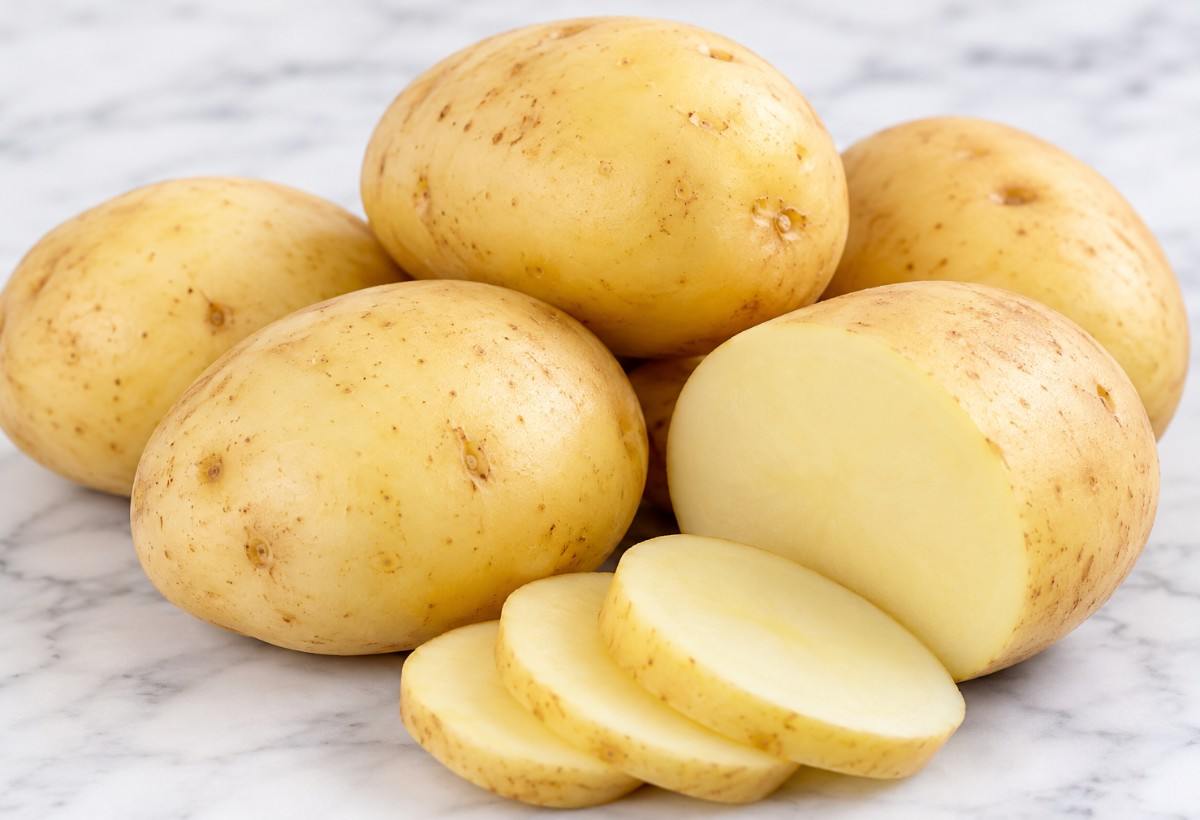
White potatoes are one of the most widely consumed vegetables in the world. They are affordable, easy to prepare, and versatile enough to be included in breakfast, lunch, and dinner. From baked potatoes and mashed potatoes to soups and homemade potato dishes, they are a familiar part of many diets.
But are white potatoes actually healthy? What nutrients do they provide, and how much should you eat?
Let’s explore the nutrition facts, 20 potential health benefits, side effects, cooking methods, and precautions associated with white potatoes.
What Are White Potatoes?
White potatoes are edible underground tubers that grow on the plant scientifically known as Solanum tuberosum. They belong to the nightshade family, which also includes tomatoes, eggplants, and peppers.
They typically have light brown, cream-colored, or pale yellow skin with white or creamy flesh inside. Depending on the variety, their texture can be fluffy, starchy, firm, or slightly waxy.
White potatoes are naturally rich in carbohydrates, particularly starch, which makes them an important source of dietary energy. They also contain potassium, vitamin C, vitamin B6, magnesium, and other beneficial nutrients.
They can be prepared in several ways, including boiling, baking, steaming, roasting, and mashing.
Unlike sweet potatoes, white potatoes generally have less natural sugar and a different nutritional profile. Both can be nutritious additions to a balanced eating pattern.
Nutrition Facts of White Potatoes
White potatoes provide several essential nutrients while being naturally low in fat. Their nutritional composition depends on the variety, serving size, cooking method, and whether the skin is eaten.
The following is an approximate nutrition information for 100 grams of baked white potatoes with skin and without added salt.
| Nutrient | Amount per 100 g |
|---|---|
| Calories | 92 kcal |
| Carbohydrates | 21.1 g |
| Protein | 2.1 g |
| Total Fat | 0.15 g |
| Dietary Fiber | 2.1 g |
| Total Sugars | 1.5 g |
| Potassium | 535 mg |
| Vitamin C | 9.6 mg |
| Vitamin B6 | 0.3 mg |
| Magnesium | 28 mg |
| Phosphorus | 70 mg |
| Iron | 1.1 mg |
| Calcium | 12 mg |
| Sodium | 10 mg |
Note: Values are approximate and based on USDA food composition data for baked white potatoes. Actual nutrient amounts can vary with preparation and variety.
20 Potential Health Benefits of White Potatoes
White potatoes contain several nutrients that support normal body functions. Their health benefits are mainly related to their vitamin, mineral, fiber, and carbohydrate content.
Here are 20 potential health benefits of including properly prepared white potatoes in a balanced diet.
- Supports Heart Health: Potassium helps maintain normal heart function.
- Helps Maintain Healthy Blood Pressure: Potassium supports healthy blood pressure regulation.
- Provides Natural Energy: Carbohydrates provide energy for daily activities.
- Supports Digestive Health: Dietary fiber helps support healthy digestion.
- Supports Immune Function: Vitamin C contributes to a healthy immune system.
- Supports Healthy Muscles: Potassium helps muscles contract properly.
- Contributes to Bone Health: Magnesium and phosphorus support healthy bones.
- Supports Brain Function: Vitamin B6 helps produce important brain chemicals.
- Helps Maintain Fluid Balance: Potassium regulates fluid balance in the body.
- Supports Nerve Function: Potassium helps maintain normal nerve communication.
- Provides Antioxidants: Vitamin C helps protect cells from oxidative damage.
- Supports Red Blood Cell Formation: Vitamin B6 contributes to hemoglobin production.
- Supports Metabolism: Vitamin B6 helps the body process nutrients.
- Helps Maintain Bowel Regularity: Fiber supports regular bowel movements.
- Supports Skin Health: Vitamin C helps produce collagen for healthy skin.
- Supports Wound Healing: Vitamin C contributes to normal tissue repair.
- Supports Healthy Blood Sugar Management Through Meal Balance: Pairing potatoes with protein and vegetables helps create balanced meals.
- Supports Healthy Pregnancy Nutrition: White potatoes provide vitamin C, vitamin B6, and potassium.
- Helps Support Satiety: Cooked potatoes can help you feel full for longer.
- Contributes to Overall Nutritional Intake: White potatoes provide several essential vitamins and minerals.
10 Side Effects of White Potatoes
White potatoes are generally safe for most people when properly prepared and eaten in reasonable portions. However, excessive consumption, certain cooking methods, and individual health conditions may cause problems.
Here are 10 possible side effects and concerns associated with white potatoes.
- Blood Sugar Spikes: Their starch content can increase blood glucose levels.
- Weight Gain: Excessive portions and calorie-rich toppings may contribute to weight gain.
- Digestive Discomfort: Eating large quantities may cause bloating in some people.
- Increased Sodium Intake: Salted potato dishes can increase sodium consumption.
- Increased Fat Intake: Deep-fried potatoes contain more added fats and calories.
- Potential Food Poisoning from Green Potatoes: Green potatoes may contain elevated glycoalkaloids that can cause nausea and vomiting.
- Heart Health Concerns from Frequent Fried Potato Consumption: Regularly eating fried potatoes may contribute to an unhealthy dietary pattern.
- Allergic Reactions: Some people may experience itching, swelling, or digestive symptoms due to potato allergies.
- Nutrient Imbalance: Eating potatoes too frequently instead of varied foods may reduce dietary diversity.
- Kidney-Related Concerns: Their potassium content may be unsuitable for people who need to restrict potassium intake.
How to Eat White Potatoes?
White potatoes can be enjoyed in several delicious ways. The best approach is to choose cooking methods that preserve their nutritional value without adding excessive salt, sugar, or unhealthy fats.
Here are some easy ways to include them in your diet:
- Boiled Potatoes: Boil peeled or unpeeled potatoes until tender and enjoy them with herbs, lemon juice, and a small amount of olive oil.
- Baked Potatoes: Bake whole potatoes with their skin and serve them with plain yogurt, vegetables, or beans.
- Mashed Potatoes: Prepare mashed potatoes using a moderate amount of milk or plain yogurt instead of excessive butter and cream.
- Potato Salad: Combine boiled potatoes with cucumber, onions, fresh herbs, and a light yogurt-based dressing.
- Roasted Potatoes: Roast potato cubes with olive oil, garlic, black pepper, and herbs.
- Potato Soup: Add cooked potatoes to homemade vegetable soup for a creamy texture and satisfying meal.
- Potato and Vegetable Curry: Combine potatoes with peas, carrots, tomatoes, and spices for a nutritious homemade dish.
- Potato Breakfast Bowl: Add boiled potatoes to eggs, spinach, tomatoes, or other vegetables for a filling breakfast.
Tips for Consuming White Potatoes
A few simple dietary habits can help you enjoy white potatoes while maintaining a balanced eating pattern.
- Eat the Skin: Keep the skin whenever practical because it contributes dietary fiber and other nutrients.
- Choose Healthy Cooking Methods: Prefer boiling, baking, steaming, and roasting over deep-frying.
- Control Portion Sizes: Avoid eating very large portions, especially if you are monitoring your carbohydrate intake.
- Combine with Protein: Pair potatoes with eggs, beans, lentils, fish, or chicken to create a balanced meal.
- Add Vegetables: Include leafy greens, broccoli, carrots, or other vegetables alongside potatoes.
- Limit Added Salt: Use herbs, garlic, lemon juice, and black pepper to improve flavor without excessive sodium.
- Avoid Green Potatoes: Do not eat potatoes that are significantly green, bitter, or heavily sprouted.
- Avoid Excessive Butter: Use moderate amounts of healthier fats instead of adding large quantities of butter or cream.
- Try Different Varieties: Explore different white potato varieties to enjoy changes in texture and flavor.
- Maintain Dietary Variety: Do not depend on potatoes as your only vegetable or carbohydrate source.
How to Cook White Potatoes?
White potatoes are easy to cook, and the method you choose can affect their texture and nutritional composition.
Here are four simple cooking methods.
1. Boiling White Potatoes
- Wash the potatoes thoroughly under running water.
- Peel them if desired, or leave the skin intact.
- Cut larger potatoes into evenly sized pieces.
- Place them in a pot and cover with water.
- Bring the water to a boil and cook until the potatoes become tender.
- Drain the water and season with herbs, black pepper, or a little olive oil.
2. Baking White Potatoes
- Preheat your oven to approximately 400°F (200°C).
- Wash and dry the potatoes thoroughly.
- Pierce each potato several times with a fork.
- Place them on a baking tray.
- Bake until the center becomes soft and the skin is tender.
- Serve with plain yogurt, vegetables, or your preferred healthy toppings.
3. Roasting White Potatoes
- Wash and cut the potatoes into small cubes.
- Add a moderate amount of olive oil.
- Season with garlic, black pepper, and dried herbs.
- Spread them evenly on a baking tray.
- Roast at approximately 400°F (200°C) until golden and tender.
- Turn the pieces occasionally for even cooking.
4. Steaming White Potatoes
- Wash the potatoes and cut them into evenly sized pieces.
- Add water to a steaming pot.
- Place the potatoes in a steamer basket above the water.
- Cover and steam until tender.
- Remove carefully and season with herbs or lemon juice.
Steaming and baking can help avoid the need for excessive added fats. Cooking methods involving water can also cause some water-soluble nutrients to move into the cooking water.
Other Uses of White Potatoes
Apart from being used in everyday meals, white potatoes have several practical uses in cooking and household activities.
- Thickening Soups: Mashed or blended potatoes can naturally thicken soups and vegetable stews without requiring large amounts of cream.
- Making Homemade Potato Flour: Dried and processed potatoes can be used to produce potato flour for certain baking and cooking recipes.
- Preparing Potato Starch: Starch extracted from potatoes is commonly used as a thickening ingredient in sauces, gravies, and soups.
- Creating Gluten-Free Recipes: Potato flour and potato starch can be used in selected gluten-free baking recipes.
- Making Crispy Snacks: Thinly sliced potatoes can be baked or air-fried to prepare homemade potato chips.
- Preparing Dumplings: Mashed potatoes can be incorporated into traditional dumplings and other dough-based dishes.
- Improving Food Texture: Potato starch can help improve the consistency and texture of certain food products.
- Making Homemade Gnocchi: Cooked and mashed potatoes are a traditional ingredient in Italian-style gnocchi.
How Many White Potatoes Should You Eat Daily?
There is no single recommended daily serving specifically for white potatoes. The appropriate amount depends on your total calorie requirements, physical activity, carbohydrate needs, and overall dietary pattern.
For many healthy adults, approximately one medium potato or 150–200 grams of cooked potatoes can be a reasonable portion within a balanced meal.
However, this is a practical serving suggestion rather than an official daily recommendation.
Consider the following tips:
- Choose moderate portions rather than eating potatoes in very large quantities.
- Combine potatoes with protein-rich foods and non-starchy vegetables.
- Monitor your total carbohydrate intake if you have diabetes.
- Choose boiled, steamed, or baked potatoes more often than deep-fried options.
- Adjust portions according to your individual nutritional requirements.
People with diabetes or kidney disease may need individualized dietary advice from a registered dietitian or healthcare professional.
Best Time to Eat White Potatoes
White potatoes can be eaten at different times of the day. There is no scientifically established best time to eat them for everyone.
Morning: Boiled or baked potatoes can provide carbohydrates for energy and can be included in a balanced breakfast with eggs or other protein sources.
Afternoon: Potatoes can be part of a satisfying lunch when combined with vegetables and protein-rich foods.
Evening: A moderate serving of boiled or roasted potatoes can be included in dinner alongside lean protein and vegetables.
After Exercise: Potatoes can help replenish carbohydrate stores after physical activity, especially when combined with protein as part of a recovery meal.
The overall quality and balance of your diet matter more than the exact time you eat potatoes.
Who Should Eat White Potatoes?
White potatoes can be included in the diets of many people because they provide energy and several essential nutrients.
- Active Individuals: They provide carbohydrates for energy.
- Growing Children: They supply energy and essential nutrients.
- Older Adults: They provide useful nutrients in an easy-to-prepare food.
- Vegetarians: They offer plant-based carbohydrates and minerals.
- People Needing More Energy: They provide an affordable energy source.
- Budget-Conscious Individuals: They are an economical food choice.
- People Avoiding Gluten: Plain potatoes are naturally gluten-free.
- People Needing Potassium: They provide a useful source of dietary potassium.
Who Should Not Eat White Potatoes?
Most people can safely enjoy properly prepared white potatoes. However, certain individuals may need to limit or avoid them depending on their health conditions and dietary requirements.
- People with Potato Allergies: They should avoid potatoes.
- People with Diabetes: They may need to monitor portions and blood glucose.
- People with Kidney Disease: Some may need to restrict potassium.
- People on Low-Carb Diets: They may need to limit potato intake.
- People Sensitive to Glycoalkaloids: They should avoid green or bitter potatoes.
- People with Food Intolerances: They should monitor symptoms after eating potatoes.
- People Restricting Potassium: They should follow professional dietary advice.
There is no need for healthy individuals to avoid white potatoes simply because they contain carbohydrates.
How to Store White Potatoes?
Proper storage helps maintain the quality, freshness, and safety of white potatoes.
- Cool Location: Store potatoes in a cool place.
- Dark Area: Keep them away from direct sunlight.
- Ventilated Container: Use a breathable bag or basket.
- Avoid Moisture: Keep potatoes dry to reduce spoilage.
- Separate from Onions: Store potatoes and onions separately.
- Check Sprouting: Inspect potatoes regularly.
- Avoid Washing Early: Wash them just before cooking.
- Refrigerate Cooked Potatoes: Store cooked potatoes in covered containers.
- Use Promptly: Consume refrigerated cooked potatoes within three to four days.
- Discard Spoiled Potatoes: Throw away moldy or rotten potatoes.
Precautions and Interactions
Although white potatoes are nutritious, a few precautions can help you consume them safely.
- Green Skin: Avoid significantly green potatoes.
- Bitter Taste: Discard unusually bitter potatoes.
- Damaged Potatoes: Avoid potatoes with extensive rot or mold.
- Blood Sugar: Monitor glucose responses if you have diabetes.
- Potassium Restrictions: Follow medical advice if potassium intake is restricted.
- Added Salt: Avoid excessive salt.
- Cooking Methods: Limit frequent deep-frying.
- Safe Storage: Refrigerate cooked potatoes promptly.
- Medication Advice: Check potassium-related dietary restrictions with your healthcare provider.
- Balanced Diet: Eat potatoes alongside a variety of nutritious foods.
FAQ’s
Are white potatoes healthy?
Yes, white potatoes can be part of a healthy diet because they provide potassium, vitamin C, vitamin B6, dietary fiber, and carbohydrates.
Are white potatoes good for weight loss?
White potatoes can fit into a weight-management diet when eaten in moderate portions and prepared with limited added fats. Boiled and baked potatoes can be filling.
Are white potatoes high in carbohydrates?
Yes, white potatoes are relatively high in carbohydrates because much of their energy comes from starch.
Are white potatoes healthier than sweet potatoes?
Both provide valuable nutrients. White potatoes generally contain more potassium in some preparations, while sweet potatoes are particularly rich in beta-carotene. Neither is universally healthier.
Can people with diabetes eat white potatoes?
Yes, many people with diabetes can eat white potatoes, but portion size and preparation matter because potatoes can raise blood glucose levels.
Should you eat white potatoes with their skin?
Yes, when properly washed and free from green discoloration or spoilage, potato skin can provide additional dietary fiber.
Can you eat white potatoes every day?
Many healthy people can include moderate portions of white potatoes in their daily diet, provided they also consume a variety of other nutritious foods.
Are white potatoes gluten-free?
Yes, plain white potatoes are naturally gluten-free. However, sauces, seasonings, and processed potato products may contain gluten.
Are boiled white potatoes better than fried potatoes?
Boiled potatoes generally contain less added fat and fewer calories than deep-fried potatoes, making them a practical choice for everyday meals.
Are white potatoes good for digestion?
Yes, their dietary fiber, especially in the skin, helps support regular bowel movements.
Are white potatoes good for the heart?
White potatoes contain potassium, which supports normal blood pressure and cardiovascular function.
Do white potatoes contain protein?
Yes, white potatoes contain small amounts of plant-based protein.
What is the healthiest way to cook white potatoes?
Boiling, steaming, baking, and roasting with limited added oil are healthy preparation methods.
Can white potatoes cause weight gain?
Eating excessive portions, particularly fried potatoes, can increase calorie intake and contribute to weight gain.
Are white potatoes good for muscle health?
Yes, their potassium content supports normal muscle contractions and muscle function.
Can you eat white potatoes at night?
Yes, white potatoes can be eaten at dinner as part of a balanced meal.
Are white potatoes good for skin?
They contain vitamin C, which supports collagen production and normal skin health.
Can white potatoes help reduce hunger?
Yes, boiled and baked potatoes can be filling and may help keep you satisfied between meals.
What is the difference between white potatoes and red potatoes?
White potatoes have light-colored skin and creamy flesh, while red potatoes have reddish skin, white flesh, and a firmer, waxier texture.
Which potato has less starch, red or white?
Red potatoes generally contain less starch than starchy white potato varieties, although the exact amount depends on the variety.
Which potato is best, yellow or white?
Both are nutritious. Yellow potatoes tend to have a buttery flavor, while white potatoes have a mild taste and versatile texture.
Where are white potatoes originally from?
Potatoes originated in the Andes region of South America, particularly around present-day Peru and northwestern Bolivia.
Are white potatoes safe for pregnant women?
Yes, properly washed and fully cooked white potatoes are generally safe during pregnancy and provide potassium, vitamin C, and carbohydrates.
Are white potatoes safe for children?
Yes, fully cooked white potatoes can be included in children’s diets. Serve them in age-appropriate, soft pieces to reduce choking risks.
What are white potatoes good for?
White potatoes provide energy, potassium, vitamin C, and vitamin B6, which support normal muscle, nerve, immune, and digestive functions.
What do white potatoes taste like?
White potatoes have a mild, slightly earthy, and subtly creamy flavor that works well in boiled, baked, mashed, and roasted dishes.
Sources / References:
Disclaimer:
This article is for educational purposes only and should not replace professional medical or nutritional advice. Consult a qualified healthcare professional for personalized dietary recommendations, especially if you have diabetes, kidney disease, or food allergies.
Also Read: