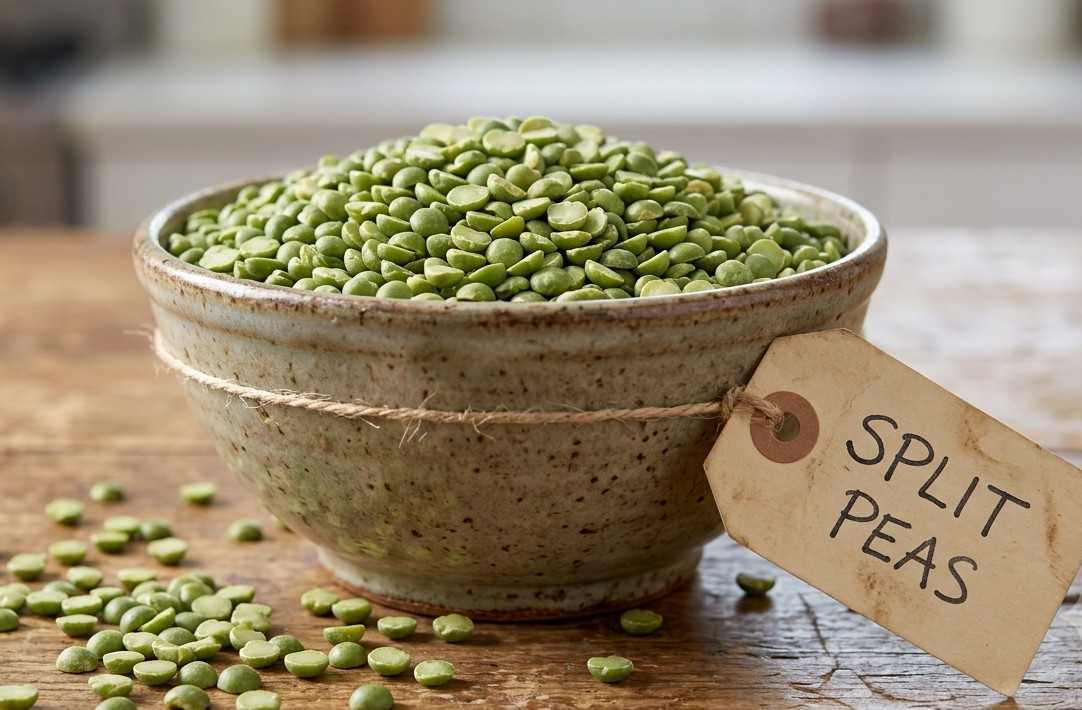
Split peas (also known as field peas, dry peas, soup peas, or matar dal) are an affordable, nutritious legume that can make everyday meals more filling and satisfying. Packed with plant-based protein, dietary fiber, complex carbohydrates, and essential minerals, they are a valuable addition to a balanced diet. Whether you enjoy them in a warm bowl of soup, a hearty stew, or a homemade dal, split peas offer plenty of nutritional value in a simple ingredient.
Green and yellow split peas are especially popular because they cook into a creamy texture and work well in many recipes. They may support digestive health, heart health, blood sugar management, and healthy weight maintenance when eaten as part of a balanced diet.
In this guide, you will learn what split peas are, their nutritional profile, potential health benefits, possible side effects, cooking methods, daily serving suggestions, and important precautions.
What Are Split Peas?
Split peas are dried peas that have been harvested, dried, and split along their natural seam. They come from the Pisum sativum plant, the same species that produces common garden peas. Unlike fresh peas, split peas are processed into smaller halves, making them convenient for cooking and storing.
There are two main varieties:
- Green split peas: These have a slightly sweet, earthy flavor and are commonly used in soups, stews, and Indian-style dishes.
- Yellow split peas: These have a mild, earthy flavor and are frequently used in soups, purees, and traditional dishes in several parts of the world.
Split peas are naturally low in fat and contain protein, fiber, folate, iron, potassium, magnesium, and other nutrients. They are also a source of complex carbohydrates that provide energy.
Although split peas are related to fresh green peas, they are generally more concentrated in nutrients by weight because they have been dried. Their nutrient content per serving depends on whether they are measured dry or cooked.
Nutrition Facts of Split Peas
The following is an approximate nutrition facts for 1 cup (about 196 grams) of cooked split peas, prepared without added salt. Actual values can vary depending on the variety and cooking method.
| Nutrient | Approximate amount |
|---|---|
| Calories | 231 kcal |
| Protein | 16.4 g |
| Total carbohydrates | 41.4 g |
| Dietary fiber | 16.3 g |
| Total sugars | 5.7 g |
| Total fat | 0.8 g |
| Saturated fat | 0.1 g |
| Iron | 2.5 mg |
| Potassium | 710 mg |
| Magnesium | 71 mg |
| Phosphorus | 180 mg |
| Folate | 127 mcg |
| Calcium | 27 mg |
| Zinc | 2.0 mg |
| Sodium | 4 mg |
What Makes Split Peas Nutritious?
- Plant-based protein: Helps build and maintain muscles and other body tissues.
- Dietary fiber: Supports regular bowel movements and digestive health.
- Complex carbohydrates: Provide energy and can help meals feel more satisfying.
- Folate: Supports DNA production and normal cell division.
- Iron: Helps the body produce hemoglobin, which carries oxygen in the blood.
- Potassium: Helps support normal muscle function and blood pressure regulation.
- Magnesium: Contributes to normal muscle, nerve, and energy-producing functions.
Split peas are not a complete protein source on their own because their amino acid profile is limited in certain essential amino acids. Eating a variety of plant proteins throughout the day, including grains, nuts, seeds, and other legumes, can help provide the amino acids your body needs.
20 Proven Health Benefits of Split Peas
1. Supports Digestive Health: Split peas contain abundant dietary fiber that helps support regular bowel movements and healthy digestive function.
2. May Help Relieve Constipation: Their fiber adds bulk to stool and can help make bowel movements more regular when consumed with adequate fluids.
3. Supports Heart Health: Split peas are naturally low in saturated fat and rich in fiber, making them a heart-friendly alternative to some foods high in saturated fat.
4. May Help Manage Cholesterol: Soluble fiber in legumes can help reduce the absorption of cholesterol in the digestive tract, potentially supporting healthier LDL cholesterol levels.
5. Supports Healthy Weight Management: The combination of protein and fiber helps you feel full for longer, which may make it easier to manage overall calorie intake.
6. Provides Plant-Based Protein: Split peas supply protein needed for muscle maintenance, tissue repair, and the production of important enzymes.
7. Helps Maintain Muscle Function: Their protein, magnesium, and potassium contribute to normal muscle function when consumed as part of a nutritionally balanced diet.
8. Supports Steadier Blood Sugar Levels: Fiber and slowly digested carbohydrates may help moderate the rate at which carbohydrates are absorbed, although individual blood sugar responses vary.
9. Provides Lasting Energy: Split peas contain complex carbohydrates that supply energy for everyday activities and bodily functions.
10. Supports Red Blood Cell Production: Their iron content contributes to hemoglobin production, which helps red blood cells transport oxygen throughout the body.
11. Contributes to Healthy Cell Growth: Folate supports DNA synthesis and normal cell division, making it particularly important during periods of rapid growth.
12. Supports Brain and Nervous System Function: Folate and other B vitamins help support normal neurological and cellular functions, although split peas are not a treatment for neurological conditions.
13. Helps Maintain Healthy Bones: Split peas provide phosphorus and magnesium, minerals involved in maintaining normal bones and teeth.
14. Supports Immune Function: Their protein, zinc, iron, and other nutrients help the body maintain normal immune defenses.
15. Promotes a Healthy Gut Microbiome: Certain fibers in split peas are fermented by intestinal bacteria, providing nourishment for beneficial microbes.
16. May Support Blood Pressure Management: Their potassium content and naturally low sodium level can fit into a dietary pattern designed to support healthy blood pressure.
17. Helps Meet Daily Fiber Needs: Adding split peas to meals can make it easier to obtain the dietary fiber needed for digestive and overall health.
18. Supports Tissue Repair: Protein provides amino acids that the body uses to repair and maintain muscles, skin, and other tissues.
19. May Help Reduce Overall Cardiovascular Risk: Replacing some processed meats or foods rich in saturated fat with legumes may improve certain cardiovascular risk factors when part of a healthy eating pattern.
20. Offers Affordable, Nutrient-Dense Nutrition: Split peas provide protein, fiber, and several minerals at a relatively low cost, making them a practical choice for balanced everyday meals.
10 Side Effects of Split Peas
Split peas are safe for most people when properly cooked and eaten in reasonable portions. However, their high fiber content and other naturally occurring compounds may cause problems for certain individuals.
1. Gas and Flatulence: Split peas contain fermentable carbohydrates that gut bacteria break down, producing gas in the digestive tract.
2. Abdominal Bloating: Eating a large portion, particularly when you are not accustomed to high-fiber foods, may cause a swollen or uncomfortable feeling in your abdomen.
3. Stomach Cramps: Some people experience intestinal cramping as their digestive system processes the fiber and fermentable carbohydrates in split peas.
4. Changes in Bowel Movements: Increasing fiber intake too quickly may cause loose stools, while insufficient fluid intake can contribute to constipation.
5. Digestive Discomfort: People with sensitive digestive systems may experience fullness, rumbling, or discomfort after eating split peas.
6. Allergic Reactions: Pea allergy is possible and may cause itching, hives, swelling, vomiting, breathing difficulties, or other allergic symptoms.
7. Blood Sugar Changes: Although split peas may help support steadier blood sugar responses, they still contain carbohydrates and can affect glucose levels, particularly in people with diabetes.
8. Excessive Calorie Intake: Large portions prepared with generous amounts of butter, cream, oil, or fatty meat can increase the meal’s total calorie content.
9. Potential Mineral Absorption Effects: Split peas contain phytates, natural compounds that can reduce the absorption of some minerals, including iron and zinc. A varied diet and appropriate food preparation help manage this concern.
10. Symptoms in People With Certain Digestive Conditions: Individuals with irritable bowel syndrome (IBS) or other gastrointestinal conditions may find split peas trigger symptoms, depending on their individual tolerance.
How to Eat Split Peas?
Split peas are versatile and can be incorporated into meals in several easy ways.
- Split Pea Soup: Prepare a hearty soup with split peas, onions, carrots, celery, garlic, and vegetable broth.
- Indian-Style Dal: Cook Field peas with turmeric, cumin, ginger, garlic, and other preferred spices.
- Stews: Add cooked split peas to vegetable or meat stews to increase their protein and fiber content.
- Salads: Mix cooled, cooked Field peas with chopped vegetables, herbs, and a light dressing.
- Purees: Blend thoroughly cooked Field peas with olive oil, lemon juice, and seasonings for a creamy dip or side dish.
- Grain Bowls: Combine split peas with brown rice, quinoa, roasted vegetables, or other whole grains.
- Pasta Sauces: Stir cooked Field peas into tomato-based sauces for a thicker, more filling meal.
- Vegetarian Patties: Mash cooked Field peas with oats, herbs, and spices to make patties.
Split peas are generally easier to incorporate into meals when they are cooked until tender. Avoid eating dried Field peas raw or undercooked.
Tips for Consuming Split Peas
- Start With Small Portions: Begin with about half a cup of cooked Field peas if you are not accustomed to eating legumes regularly.
- Rinse Before Cooking: Rinse dried split peas under running water and remove any stones or debris.
- Increase Fiber Gradually: Give your digestive system time to adjust instead of suddenly eating large quantities.
- Drink Enough Water: Adequate fluid intake helps dietary fiber perform its normal function.
- Use Herbs and Spices: Cumin, ginger, fennel, and other seasonings can add flavor without requiring excessive salt.
- Limit Excess Sodium: Use low-sodium broth and moderate the amount of salt added during cooking.
- Combine With Other Foods: Pair split peas with vegetables, whole grains, and healthy fats for a more balanced meal.
- Check Packaged Products: Read ingredient lists for added sodium, flavorings, and other ingredients if you purchase packaged split pea soup.
- Cook Until Tender: Thorough cooking improves texture and makes split peas easier to eat.
- Pay Attention to Your Tolerance: Reduce the serving size if you experience persistent bloating, gas, or discomfort.
How to Cook Split Peas?
Cooking split peas is straightforward because they usually soften without requiring an overnight soak. Soaking is optional, although it may shorten cooking time for some batches.
Ingredients:
- 1 cup dried green or yellow split peas
- 4 cups water or low-sodium vegetable broth
- 1 small chopped onion
- 1 chopped carrot
- 1 minced garlic clove
- 1/2 teaspoon ground cumin, optional
- Black pepper and salt to taste
Instructions:
- Rinse the Split Peas: Place the dried peas in a strainer, rinse thoroughly, and remove any unwanted debris.
- Prepare the Vegetables: Chop the onion and carrot, then mince the garlic.
- Combine the Ingredients: Add the split peas, water or broth, onion, carrot, and garlic to a large pot.
- Bring to a Boil: Heat the mixture until it begins to boil.
- Simmer Gently: Reduce the heat, partially cover the pot, and simmer for approximately 45–60 minutes, stirring occasionally.
- Check the Texture: Continue cooking until the peas are soft. Add extra water if the mixture becomes too thick.
- Season the Dish: Add cumin, black pepper, and a moderate amount of salt toward the end.
- Serve Warm: Enjoy the cooked split peas as soup or serve them with rice, whole grains, or vegetables.
Cooking time varies with the age of the dried peas, the cooking equipment, and the desired consistency. Some batches may cook faster or require additional time.
Can you cook Field peas in a pressure cooker? Yes. Follow your appliance’s instructions for legumes, use sufficient liquid, and never fill the cooker beyond the manufacturer’s recommended limit for foods that expand or foam. Allow pressure to release according to the appliance instructions.
How to Use Split Peas?
Split peas can be used in everyday cooking to improve the nutritional value and texture of different dishes.
- As a Protein Source: Include cooked Field peas in vegetarian meals as a source of plant-based protein.
- As a Soup Base: Blend cooked peas with broth and vegetables to make a thick, creamy soup without needing heavy cream.
- As a Thickener: Add well-cooked Field peas to soups and stews to improve their consistency.
- As a Meat Alternative: Use mashed split peas in selected recipes for vegetarian burgers, patties, or fillings.
- As a Meal-Prep Ingredient: Cook a batch in advance and add portions to meals throughout the week, refrigerating or freezing them safely.
- As a Side Dish: Season cooked Field peas with herbs, spices, and a small amount of olive oil.
- As a Filling: Use mashed Field peas in wraps, savory pancakes, or vegetable-stuffed dishes.
Other Uses of Split Peas
Beyond their traditional use in soup, split peas have several practical culinary applications.
- Vegetarian Meal Preparation: Cooked Field peas can serve as a base for plant-based lunches and dinners.
- Homemade Dips: Blended Field peas create a thick dip that can be seasoned with lemon juice, garlic, and herbs.
- Vegetable Patties: Their soft texture helps bind ingredients in homemade vegetarian patties.
- Food Thickening: Pureed split peas can thicken soups and sauces without relying on refined flour.
- Batch Cooking: Dried Field peas are convenient for preparing large quantities of meals ahead of time.
- Budget-Friendly Cooking: Their low cost and long shelf life make them useful for economical meal planning.
Split peas are primarily a food ingredient. There is insufficient evidence to recommend them as a topical skin treatment or as a remedy for specific diseases.
How Much Split Peas Can You Eat in a Day?
For many healthy adults, about 1/2 to 1 cup of cooked split peas per day can be a reasonable serving, depending on appetite, total dietary needs, and how well they tolerate fiber.
| Serving size | Approximate calories | Approximate protein | Approximate fiber |
|---|---|---|---|
| 1/2 cup cooked | 116 kcal | 8.2 g | 8.2 g |
| 1 cup cooked | 231 kcal | 16.4 g | 16.3 g |
| 1 1/2 cups cooked | 347 kcal | 24.6 g | 24.5 g |
These values are estimates based on cooked split peas without added ingredients.
There is no single daily serving that is right for everyone. Your ideal portion depends on your energy requirements, the other foods you eat, your digestive tolerance, and any medical dietary restrictions.
If you rarely eat legumes, begin with half a cup or less and increase gradually. A full cup provides a substantial amount of fiber, so eating it alongside other high-fiber foods may cause discomfort if your body is not accustomed to that intake.
Best Time to Eat Split Peas
Split peas can be eaten at different times of the day. Their nutritional benefits do not depend on a specific hour.
- At Breakfast: Add a small portion of cooked split peas to a savory breakfast bowl or vegetable dish.
- At Lunch: Enjoy split pea soup or dal with vegetables and whole grains for a filling meal.
- At Dinner: Serve Field peas with roasted vegetables, rice, or another balanced side dish.
- After Physical Activity: Include them in a meal to provide carbohydrates and protein that contribute to recovery and replenishment.
- During Meal Preparation: Eat them whenever they fit comfortably into your usual routine.
If Field peas cause bloating, you may prefer to eat smaller portions earlier in the day rather than having a large serving close to bedtime. This is a matter of personal comfort, not a universal dietary rule.
Who Should Eat Split Peas?
Split peas can be a useful addition to many diets because they supply protein, fiber, and essential nutrients.
- People Following Vegetarian Diets: Field peas provide plant-based protein that can complement other protein sources.
- People Seeking More Fiber: Their fiber content can help increase daily intake and support regular bowel movements.
- People Managing Their Weight: Protein and fiber can contribute to fullness when split peas replace less nutritious options in balanced meals.
- People Supporting Heart Health: Their low saturated fat content and fiber make them suitable for many heart-conscious eating patterns.
- People Looking for Affordable Nutrition: Dried Field peas are economical and can be stored for extended periods under appropriate conditions.
- Physically Active Adults: Their protein and carbohydrates can contribute to everyday energy needs and post-exercise meals.
- People Seeking Plant-Based Meal Variety: Field peas offer an alternative to other legumes, beans, and lentils.
- People Interested in Nutrient-Rich Foods: Their folate, iron, magnesium, and other nutrients can help support a varied diet.
People with specific medical conditions should consider their individual dietary requirements before substantially increasing their intake.
Who Should Not Eat Split Peas?
Most people can eat properly cooked split peas, but some individuals need to avoid them or adjust their portions.
- People With a Pea Allergy: Anyone with a confirmed pea allergy should avoid Field peas and products containing them unless an allergy specialist advises otherwise.
- People With Severe Digestive Symptoms: Individuals who consistently experience significant bloating, abdominal pain, or diarrhea after eating Field peas may need to limit or avoid them.
- People Following a Medically Prescribed Diet: Those on a restricted diet for kidney disease or another medical condition should follow their clinician’s advice about portion sizes and nutrient intake.
- People With IBS or Food Intolerances: Split peas may trigger symptoms in some individuals, so portion size and personal tolerance matter.
- People With Certain Gastrointestinal Conditions: Anyone whose clinician has prescribed a temporary low-fiber diet may need to limit Field peas until advised otherwise.
- People With Difficulty Swallowing: Field peas should be prepared to the consistency recommended by their healthcare professional, especially when a modified-texture diet is required.
How to Store Split Peas?
Proper storage helps maintain the quality of dried split peas and prevents cooked leftovers from spoiling.
- Store in an Airtight Container: Keep dried Field peas in a clean, sealed container to protect them from moisture and pests.
- Choose a Cool, Dry Place: Store the container in a pantry or cupboard away from direct sunlight, heat, and humidity.
- Check for Signs of Damage: Discard peas that show mold, unusual moisture, insect infestation, or other signs of spoilage.
- Use Older Stock First: Rotate your supply so that older packages are used before newer ones.
- Refrigerate Cooked Split Peas Promptly: Transfer cooked peas to shallow, covered containers and refrigerate within two hours of cooking, or within one hour when the surrounding temperature exceeds 90°F (32°C).
- Use Refrigerated Leftovers Within 3–4 Days: Keep cooked split peas at 40°F (4°C) or below and discard leftovers that have been stored too long or show signs of spoilage.
- Freeze for Longer Storage: Freeze cooked Field peas in meal-sized portions in airtight, freezer-safe containers.
- Label Stored Portions: Write the preparation date on containers to help keep track of storage time.
Dried Field peas can remain usable for a long time when stored properly, but their quality may gradually decline. Older peas can take longer to soften during cooking.
Precautions and Interactions
Split peas are nutritious, but a few precautions can help you include them safely.
- Increase Fiber Gradually: A sudden increase in fiber can cause gas, bloating, and changes in bowel movements.
- Drink Adequate Fluids: Water helps fiber support normal bowel function.
- Cook Thoroughly: Proper cooking improves texture and makes Field peas easier to digest.
- Monitor Blood Glucose: People using insulin or glucose-lowering medication should account for the carbohydrates in Field peas as part of their individualized meal plan.
- Follow Kidney Disease Dietary Advice: Split peas contain potassium and phosphorus, which may need to be managed in some people with kidney disease.
- Consider Iron Absorption: Field peas contain non-heme iron, which is less readily absorbed than heme iron from animal foods; vitamin C-rich foods such as tomatoes or bell peppers can help improve absorption.
- Be Aware of Allergies: People with known pea allergies should avoid Field peas and check ingredient labels.
- Review Packaged Soup Ingredients: Commercial split pea soups may contain considerable sodium or added fats, depending on the product.
- Avoid Unnecessary Supplements: Eating split peas does not mean you need extra iron, folate, or other supplements; supplementation should be based on individual needs and professional advice.
- Seek Medical Advice for Persistent Symptoms: Ongoing digestive discomfort, suspected food allergies, or significant changes in bowel habits deserve appropriate medical assessment.
For most healthy adults, Field peas can be a valuable part of a varied, balanced diet. They are not a substitute for prescribed treatment, and no single food can guarantee protection against a disease.
FAQ’s
Are split peas healthy?
Yes. Field peas provide plant-based protein, fiber, folate, iron, potassium, and other nutrients that support digestion and general health.
What are split peas good for?
Field peas are good for supporting digestive health, providing plant-based protein, increasing fiber intake, and helping maintain fullness as part of a balanced diet.
Are split peas healthier than lentils?
Both are nutritious legumes rich in protein and fiber. Their nutritional differences are relatively small, and the healthier choice depends on your dietary needs, preferences, and how they are prepared.
Do split peas need to be soaked overnight?
No, Field peas generally do not need overnight soaking. Rinse them before cooking and simmer until tender, usually for about 45–60 minutes.
Are split peas good for weight loss?
Yes, Field peas may support weight management because their protein and fiber help you feel full for longer, potentially reducing unnecessary snacking.
Can you eat split peas every day?
Yes, most people can eat Field peas daily in moderate portions. Start with a small serving if you are not accustomed to high-fiber foods.
Do split peas cause gas and bloating?
Yes, Field peas may cause gas and bloating because they contain fermentable carbohydrates and fiber. Gradually increasing your intake may help reduce discomfort.
Are split peas high in protein?
Yes, one cup of cooked Field peas contains approximately 16 grams of protein, making them a valuable plant-based protein source.
Are split peas good for people with diabetes?
Field peas can fit into many diabetes-friendly meal plans because their fiber may help moderate blood sugar responses. However, they contain carbohydrates, so portion size and individual glucose responses matter.
Are green and yellow split peas equally nutritious?
Green and yellow Field peas have broadly similar nutritional profiles. Both provide protein, fiber, complex carbohydrates, and essential minerals.
Are split peas good for heart health?
Field peas may support heart health because they contain fiber, are naturally low in saturated fat, and can replace foods higher in saturated fat in a balanced diet.
Are split peas gluten-free?
Yes, plain Field peas are naturally gluten-free. Check packaged products for added ingredients or possible cross-contact with gluten-containing foods.
Can split peas help relieve constipation?
Yes, their dietary fiber can help promote regular bowel movements. Increase fiber gradually and drink enough water to support normal bowel function.
Can you eat split peas at night?
Yes, Field peas can be eaten at dinner or in the evening. If they cause gas or bloating, try a smaller portion or eat them earlier.
Are split peas safe during pregnancy?
Field peas can be part of a balanced pregnancy diet because they provide folate, protein, iron, and fiber. Cook them thoroughly and follow your healthcare professional’s dietary advice.
What is the difference between split peas and green peas?
Field peas are dried peas split into halves, while green peas are commonly eaten fresh or frozen. Drying concentrates nutrients by weight and gives split peas a longer shelf life.
Can split peas replace meat?
Field peas can replace meat as a protein source in some meals, particularly when combined with a varied diet containing grains, nuts, seeds, and other protein-rich foods.
Are split peas good for digestion?
Yes, their fiber supports bowel regularity and can nourish beneficial gut bacteria. However, people with sensitive digestive systems may experience gas or bloating.
How long do cooked split peas last in the refrigerator?
Cooked Field peas generally last 3–4 days in a refrigerator kept at 40°F (4°C) or below when stored in covered containers and refrigerated promptly.
Can you eat split peas without cooking them?
Dried Field peas should be cooked before eating. Cooking softens them and makes them easier to consume and digest.
What are split peas called in India?
Split peas are commonly called split green peas (hari matar) or yellow split peas (peeli matar), although names vary by region.
What is the difference between peas and split peas?
Peas are often eaten fresh or frozen, while Field peas are dried, mature peas split into halves.
Do split peas spike blood sugar?
Field peas may help moderate blood sugar responses due to their fiber and protein, but portion size still matters.
Do split peas need to be soaked?
No, Field peas usually do not need soaking. Rinse and cook them until tender.
Why does my stomach hurt after eating split pea soup?
Fiber and fermentable carbohydrates may cause gas, bloating, or cramps. Seek medical advice if pain is severe or persistent.
Are split peas safe for children?
Yes, thoroughly cooked Field peas can be nutritious for children. Serve them in an age-appropriate texture.
What do split peas taste like?
Field peas have a mild, earthy flavor and become soft and creamy when cooked.
Conclusion
Split peas are a practical, affordable, and nutrient-rich food that can contribute to a healthy diet. They provide plant-based protein, substantial dietary fiber, complex carbohydrates, and important minerals. Regularly including them in balanced meals may support digestive health, fullness, and several cardiovascular health markers.
Whether you choose green or yellow split peas, prepare them in soups, stews, salads, or dal, and adjust your serving size to your personal needs. If you are not used to high-fiber foods, start with smaller portions to minimize digestive discomfort.
Sources / References:
Disclaimer:
This guide is for informational and educational purposes only and does not replace professional medical advice, diagnosis, or treatment. Consult a qualified healthcare professional for advice tailored to your health needs.
Also Read: