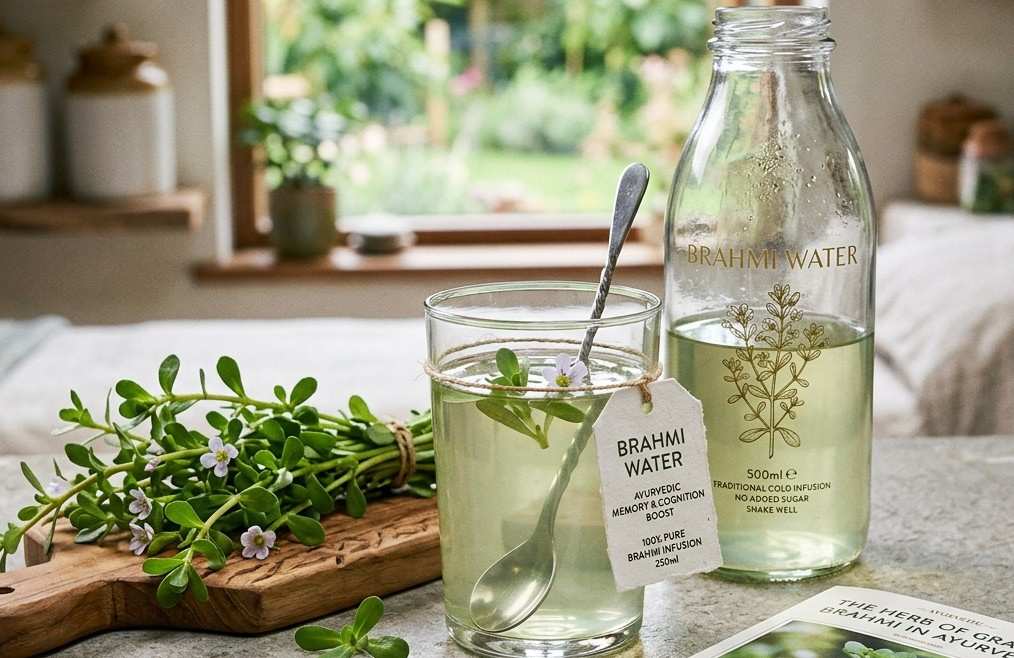
Brahmi water is gaining popularity among health-conscious individuals who are looking for natural ways to boost brain function, reduce stress, and support overall wellness. Rooted in ancient Ayurvedic traditions, Brahmi has long been celebrated as a powerful herb for mental clarity and vitality. When infused in water, it becomes a gentle, refreshing, and easy-to-consume tonic that fits seamlessly into modern lifestyles.
This guide explores everything you need to know about Brahmi water—from its proven health benefits and preparation to precautions and daily use.
What is Brahmi Water?
Brahmi water is a herbal infusion made by soaking or boiling Brahmi leaves (fresh or dried) in water. Brahmi, scientifically known as Bacopa monnieri, is a creeping herb commonly found in wetlands and has been used for centuries in Ayurveda as a “medhya rasayana,” meaning a rejuvenator for the brain and nervous system.
The water absorbs the plant’s bioactive compounds, including bacosides, which are believed to support cognitive function, memory, and emotional balance. Unlike strong herbal decoctions, Brahmi water is mild, making it suitable for daily consumption when used properly.
Components of Brahmi Water
While Brahmi water is not calorie-dense, it contains trace amounts of beneficial plant compounds.
| Nutrient / Compound | Approximate Value (per 1 cup) |
|---|---|
| Calories | 2–5 kcal |
| Carbohydrates | <1 g |
| Protein | <0.5 g |
| Fat | 0 g |
| Bacosides | Present (trace amounts) |
| Antioxidants | Moderate |
| Vitamin C | Trace |
| Calcium | Trace |
| Iron | Trace |
20 Science-Backed Benefits of Brahmi Water
- Enhances Memory: Brahmi water supports memory retention and recall by improving neural communication.
- Boosts Brain Function: It enhances cognitive performance, especially in learning and concentration.
- Reduces Anxiety: Brahmi has adaptogenic properties that help calm the nervous system and reduce stress levels.
- Improves Focus: Regular intake may help increase attention span and mental clarity.
- Supports Neuroprotection: Antioxidants in Brahmi help protect brain cells from oxidative damage.
- Promotes Better Sleep: It may improve sleep quality by calming the mind and reducing mental agitation.
- Enhances Mood: Brahmi water may help balance neurotransmitters linked to mood regulation.
- Reduces Inflammation: It contains anti-inflammatory compounds that support overall health.
- Supports Digestive Health: Brahmi can help soothe the gut and improve digestion.
- Boosts Immunity: Antioxidants help strengthen the body’s natural defense system.
- Improves Skin Health: Detoxifying effects may contribute to clearer and healthier skin.
- Supports Hair Growth: Traditionally used to nourish the scalp and strengthen hair follicles.
- Balances Hormones: It may help regulate stress-related hormonal imbalances.
- Enhances Learning Ability: Often used in students to improve comprehension and retention.
- Protects Against Cognitive Decline: May support long-term brain health and reduce age-related decline.
- Improves Blood Circulation: Helps enhance oxygen flow to the brain.
- Supports Liver Function: Mild detox properties may benefit liver health.
- Reduces Mental Fatigue: Helps combat tiredness caused by prolonged mental work.
- Aids Meditation and Mindfulness: Promotes a calm and focused mental state.
- Supports Overall Wellness: Acts as a gentle daily tonic for mind-body balance.
10 Side Effects of Brahmi Water
- Digestive Discomfort: Excess intake may cause nausea or stomach cramps.
- Drowsiness: Its calming effects can lead to sleepiness in some individuals.
- Dry Mouth: Some users may experience mild dryness.
- Lowered Heart Rate: Brahmi may slightly reduce heart rate in sensitive individuals.
- Allergic Reactions: Rare, but possible in those sensitive to herbal plants.
- Headache: Overconsumption may trigger mild headaches.
- Interaction with Medications: Can interfere with sedatives or thyroid medications.
- Loose Stools: High intake may cause mild diarrhea.
- Fatigue: Excessive calming effect may reduce alertness.
- Hormonal Effects: May influence thyroid hormone levels in some cases.
How to Make Brahmi Water?
Ingredients:
- 5–7 fresh Brahmi leaves or 1 teaspoon dried Brahmi
- 1 cup water
Method:
- Wash the Brahmi leaves thoroughly.
- Add them to a cup of water.
- Let it soak overnight or boil for 5–7 minutes.
- Strain the liquid.
- Drink it on an empty stomach for best results.
Tips for Consuming Brahmi Water
- Start with small quantities to observe how your body reacts.
- Drink it fresh for maximum potency.
- Avoid adding sugar; a drop of honey can be used if needed.
- Stay consistent for noticeable benefits.
- Pair with a balanced diet and healthy lifestyle.
Other Uses of Brahmi Water
- Hair Rinse: Can be used as a natural rinse to strengthen hair.
- Skin Toner: Apply topically for soothing and anti-aging effects.
- Face Mist: Refreshes and hydrates tired skin.
- Scalp Treatment: Helps reduce dandruff and irritation.
- Relaxation Drink: Used before meditation or yoga sessions.
How Much Brahmi Water Can You Drink in a Day?
Typically, 1 to 2 cups per day is considered safe for most adults. Beginners should start with half a cup and gradually increase if needed. Excessive consumption should be avoided to prevent side effects.
Best Time to Drink Brahmi Water
- Morning (Empty Stomach): Best for cognitive and digestive benefits.
- Before Bed: Helpful for relaxation and improved sleep (in small amounts).
- Before Study or Work: Enhances focus and mental clarity.
Who Should Drink Brahmi Water?
- Students and professionals needing better focus and memory
- Individuals experiencing stress or anxiety
- People looking for natural brain support
- Those practicing meditation or mindfulness
- Individuals interested in Ayurvedic wellness
Who Should Avoid Brahmi Water?
- Pregnant or breastfeeding women without medical advice
- People on sedative or thyroid medications
- Individuals with low heart rate conditions
- Those with known allergies to herbal supplements
- Children unless guided by a healthcare professional
How to Store Brahmi Water?
- Store in a clean glass container.
- Keep refrigerated if not consumed immediately.
- Use within 24 hours for best quality.
- Avoid storing in metal containers.
Precautions and Interactions
- Consult a healthcare provider before starting if you are on medication.
- Avoid combining with strong sedatives or alcohol.
- Monitor your body’s response, especially in the first few days.
- Do not exceed recommended intake levels.
- Maintain a balanced approach—herbal remedies work best alongside a healthy lifestyle.
Final Thoughts
Brahmi water is a simple yet powerful herbal drink that bridges ancient wisdom with modern wellness needs. Its ability to support brain health, reduce stress, and promote overall balance makes it a valuable addition to daily routines. However, like any natural remedy, it should be used mindfully and in moderation.
FAQ’s
What is Brahmi water good for?
Water is mainly used to improve memory, enhance focus, reduce stress, and support overall brain health while also offering mild digestive and antioxidant benefits.
Can I drink Brahmi water every day?
Yes, water can be consumed daily in moderate amounts, typically 1–2 cups per day, as long as your body responds well to it.
How long does it take for Brahmi water to show results?
Some people may notice improved calmness and focus within a few days, but cognitive benefits like memory improvement usually take a few weeks of consistent use.
Is Brahmi water safe for children?
Brahmi is sometimes used for children in Ayurveda, but water should only be given under the guidance of a healthcare professional.
Can Brahmi water help with anxiety?
Yes, Brahmi has adaptogenic properties that help reduce stress and anxiety by calming the nervous system.
Does Brahmi water improve sleep?
It may promote better sleep due to its calming effects, especially when consumed in small amounts in the evening.
Can I drink Brahmi water on an empty stomach?
Yes, drinking it on an empty stomach in the morning is often recommended for better absorption and enhanced benefits.
What does Brahmi water taste like?
Water has a slightly bitter and earthy taste, which is typical of many Ayurvedic herbs.
Can I add honey or lemon to Brahmi water?
Yes, a small amount of honey or a few drops of lemon can be added to improve taste without significantly affecting its benefits.
Is Brahmi water good for skin?
Yes, its antioxidant properties may help improve skin clarity and reduce signs of aging when consumed regularly.
Can Brahmi water help with hair growth?
Indirectly, yes; it supports scalp health and reduces stress, which can contribute to healthier hair growth.
Can pregnant women drink Brahmi water?
Pregnant or breastfeeding women should consult a doctor before consuming water.
Does Brahmi water affect blood pressure?
Brahmi may have a mild effect on lowering blood pressure, so individuals with low blood pressure should use it cautiously.
Can I store Brahmi water for later use?
Yes, it can be stored in the refrigerator for up to 24 hours, but fresh preparation is always preferred.
Can Brahmi water be taken with other herbal drinks?
It can be combined carefully with other mild herbs, but avoid mixing too many herbs without proper guidance.
Does Brahmi water help in weight loss?
While not a direct weight-loss drink, it may support metabolism and reduce stress-related eating habits.
Can Brahmi water improve concentration in students?
Yes, it is widely used to enhance focus, learning ability, and memory retention in students.
Is Brahmi water detoxifying?
It has mild detoxifying properties that help support liver function and overall body cleansing.
Can I drink Brahmi water at night?
Yes, in small quantities, it can be consumed at night to promote relaxation and better sleep.
What does Brahmi Water smell like?
Water has a mild, earthy, and slightly herbal aroma, often described as fresh and green with a faint bitterness similar to crushed leaves; the scent is generally light and not overpowering.
Also Read: