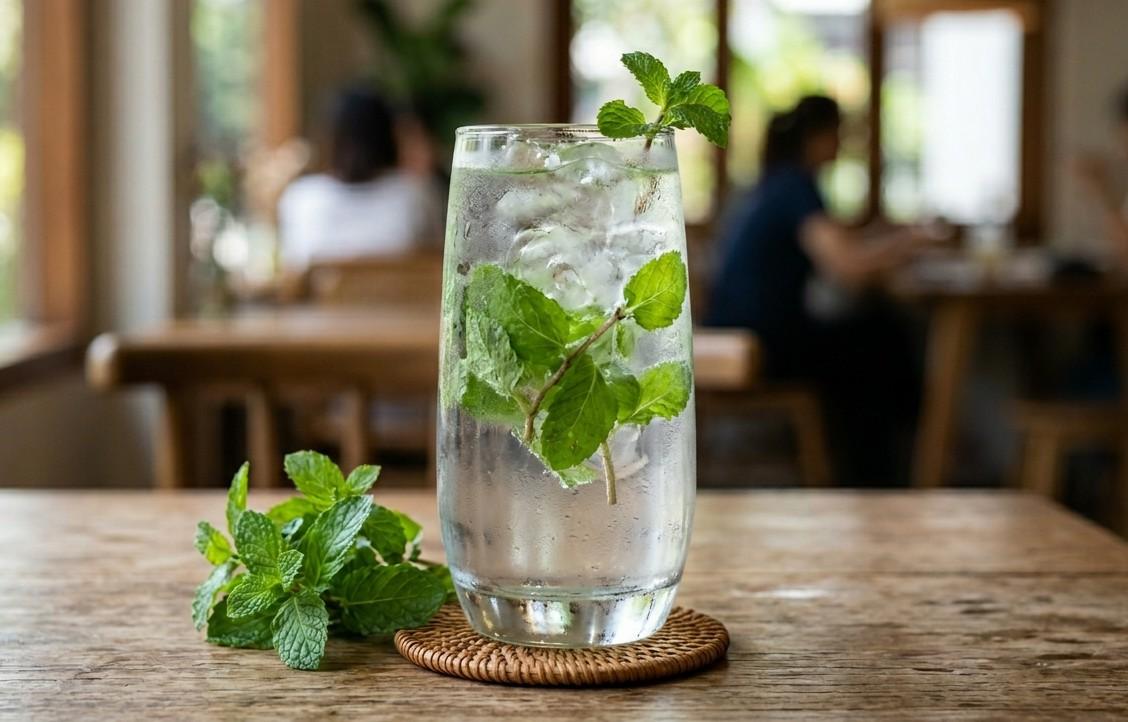
Peppermint water is more than just a cooling beverage—it’s a simple, natural infusion that combines hydration with the therapeutic properties of peppermint leaves. Known for its refreshing aroma and soothing effects, peppermint water has been used in traditional remedies for centuries and is now gaining popularity as a daily wellness drink.
This guide explores everything you need to know about peppermint water, including its science-backed health benefits, preparation methods, precautions, and more.
What is Peppermint Water?
Peppermint water is an herbal infusion made by steeping fresh or dried peppermint leaves in water. The plant peppermint (Mentha × piperita) is a hybrid of watermint and spearmint, known for its high menthol content, which gives it a distinctive cooling sensation and aroma.
Unlike sugary beverages, peppermint water is naturally calorie-free and offers a subtle flavor along with various health-supporting compounds such as antioxidants, flavonoids, and essential oils.
Components of Peppermint Water
Peppermint water is extremely low in calories but contains beneficial plant compounds. Below is an approximate nutritional breakdown per 1 cup (240 ml):
| Nutrient | Amount |
|---|---|
| Calories | 2 kcal |
| Carbohydrates | 0.5 g |
| Protein | 0 g |
| Fat | 0 g |
| Fiber | 0 g |
| Vitamin A | 2–4% DV |
| Vitamin C | 1–2% DV |
| Iron | Trace |
| Potassium | Small amount |
| Antioxidants | Present |
| Menthol | Active compound |
Note: Values vary depending on the concentration of peppermint leaves used.
20 Proven Benefits of Peppermint Water
- Improves Digestion: Peppermint infused water helps relax digestive muscles, reducing bloating and improving overall digestion.
- Relieves Bloating: The menthol in peppermint reduces gas formation and abdominal discomfort.
- Supports Gut Health: It may help balance gut bacteria and soothe the intestinal lining.
- Reduces Irritable Bowel Syndrome (IBS) Symptoms: Studies suggest peppermint can reduce IBS symptoms like cramps and gas.
- Freshens Breath Naturally: Its antibacterial properties help combat bad breath.
- Boosts Hydration: The refreshing taste encourages higher water intake.
- Eases Headaches: Menthol can improve blood flow and reduce tension headaches.
- Supports Respiratory Health: Peppermint may help clear nasal congestion and ease breathing.
- Reduces Stress and Anxiety: The aroma of peppermint has calming effects on the mind.
- Enhances Mental Clarity: Peppermint may improve focus, alertness, and cognitive performance.
- Aids Weight Management: It may reduce appetite and support metabolism.
- Soothes Nausea: Peppermint is widely used to reduce nausea and motion sickness.
- Anti-Inflammatory Properties: It contains compounds that reduce inflammation in the body.
- Supports Skin Health: Antioxidants help fight free radicals and promote healthy skin.
- Regulates Hormonal Balance: Some studies suggest peppermint may influence hormone levels.
- Improves Sleep Quality: Its calming effects may help promote better sleep.
- Supports Liver Function: Peppermint may assist in detoxification processes.
- Boosts Immunity: Antioxidants strengthen the body’s natural defense system.
- Helps Reduce Menstrual Pain: Peppermint’s muscle-relaxing properties can ease cramps.
- Cooling Effect on Body: Ideal for hot climates, it helps naturally cool the body.
10 Side Effects of Peppermint Water
- May Cause Heartburn: Peppermint can relax the lower esophageal sphincter, leading to acid reflux.
- Allergic Reactions: Some individuals may experience skin irritation or allergic responses.
- Interference with Medications: Peppermint may interact with certain drugs, especially antacids.
- Lower Blood Sugar Levels: It may affect glucose levels in some individuals.
- Not Ideal for GERD Patients: People with acid reflux conditions should avoid it.
- May Affect Kidney Function: Excessive consumption could stress the kidneys.
- Possible Hormonal Effects: High intake may influence hormone levels.
- Unsafe for Infants: Peppermint is not recommended for very young children.
- May Cause Mouth Irritation: Strong infusions can irritate sensitive tissues.
- Excess Cooling Effect: Overconsumption may lead to discomfort in cold conditions.
How to Make Peppermint Water
Ingredients:
- 1 handful of fresh peppermint leaves or 1–2 teaspoons dried peppermint
- 2 cups water
Method:
- Wash the peppermint leaves thoroughly.
- Bring water to a boil.
- Add the leaves and let them steep for 5–10 minutes.
- Strain the liquid into a cup or bottle.
- Let it cool or refrigerate for a chilled version.
Optional: Add lemon slices or honey for flavor.
Tips for Consuming Peppermint Water
- Drink it fresh for maximum benefits.
- Avoid over-concentration to prevent irritation.
- Combine with other herbs like ginger or lemon for enhanced effects.
- Use warm peppermint leaves water after meals for digestion.
- Avoid drinking immediately before lying down if prone to acidity.
Other Uses of Peppermint Water
- Facial Toner: Helps tighten pores and refresh skin.
- Hair Rinse: Promotes scalp health and reduces dandruff.
- Mouth Rinse: Acts as a natural breath freshener.
- Room Freshener: The aroma can uplift mood and environment.
- Cooling Mist: Can be used as a body spray in hot weather.
How Much Peppermint Water Can You Drink in a Day?
Generally, 1–3 cups per day is considered safe for most people. Excessive consumption should be avoided to prevent side effects such as acidity or irritation.
Best Time to Drink Peppermint Water
- Morning: Helps refresh the body and mind.
- After Meals: Aids digestion and reduces bloating.
- Evening: Promotes relaxation and reduces stress.
Avoid drinking it right before bedtime if you are sensitive to reflux.
Who Should Drink Peppermint Water?
- Individuals with digestive issues like bloating or gas
- People looking for a natural detox drink
- Those wanting to improve hydration habits
- Individuals seeking mental clarity and relaxation
- People in hot climates needing a cooling drink
Who Should Avoid Peppermint Water?
- People with acid reflux or GERD
- Pregnant or breastfeeding women (consult a doctor)
- Infants and very young children
- Individuals with peppermint allergies
- People on medications that may interact with peppermint
How to Store Peppermint Water
- Store in a clean, airtight glass container
- Keep refrigerated for up to 24–48 hours
- Avoid storing at room temperature for long periods
- Shake before use if natural oils settle
Precautions and Interactions
Peppermint leaves water is generally safe, but some precautions are important:
- Medication Interactions: It may interact with antacids, blood pressure medications, and diabetes drugs.
- Medical Conditions: People with gallbladder issues or GERD should consult a doctor before use.
- Moderation is Key: Overconsumption may lead to unwanted side effects.
- Quality Matters: Use fresh, clean, and preferably organic peppermint leaves.
Final Thoughts
Peppermint infused water is a simple yet powerful addition to a healthy lifestyle. With its refreshing taste, digestive benefits, and calming properties, it serves as both a hydration booster and a natural remedy. Whether you’re looking to improve gut health, reduce stress, or simply enjoy a flavorful drink, peppermint leaves water offers a versatile and accessible solution.
FAQ’s
What does peppermint water taste like?
Peppermint leaves water has a cool, refreshing taste with a mild natural sweetness and a slightly sharp menthol-like finish.
What does peppermint water smell like?
It has a strong, clean, minty aroma that feels cooling and energizing, often associated with freshness.
Is peppermint water good for digestion?
Yes, Peppermint infused water is widely known to support digestion by relaxing the digestive tract and reducing bloating, gas, and discomfort.
Can I drink peppermint water every day?
Yes, most people can safely drink peppermint leaves water daily in moderate amounts, typically 1–3 cups per day.
Does peppermint water help with weight loss?
Peppermint infused water may support weight management by reducing cravings, improving digestion, and encouraging better hydration, but it is not a standalone weight loss solution.
Is peppermint water good for skin?
Yes, its antioxidants may help improve skin health, reduce inflammation, and promote a natural glow when consumed regularly.
Can peppermint water reduce bad breath?
Yes, its antibacterial properties help fight odor-causing bacteria, making it a natural breath freshener.
Is peppermint water safe during pregnancy?
It may be safe in small amounts, but pregnant women should consult a healthcare professional before regular consumption.
Can children drink peppermint water?
Older children can have small amounts, but it is not recommended for infants or very young children.
Does peppermint water help with headaches?
Yes, the menthol in peppermint may help relieve tension headaches by improving blood flow and providing a cooling effect.
Can peppermint water help with nausea?
Yes, it is commonly used as a natural remedy to ease nausea and motion sickness.
Is peppermint water good for sleep?
It can promote relaxation, but in some people, it may trigger acid reflux if consumed right before bedtime.
Can I drink peppermint water on an empty stomach?
Yes, it is generally safe and may help kickstart digestion and refresh the body in the morning.
Does peppermint water have caffeine?
No, Peppermint infused water is naturally caffeine-free.
Can peppermint water cause acidity?
In some individuals, especially those prone to acid reflux, peppermint infused water may trigger heartburn.
Is peppermint water good for colds and congestion?
Yes, its menthol content may help open nasal passages and make breathing easier.
Can I add lemon or honey to peppermint water?
Yes, adding lemon or honey can enhance both the taste and health benefits.
Can peppermint water be used for detox?
Peppermint infused water can support natural detox processes by improving digestion and hydration, though it is not a detox cure.
Is peppermint water better hot or cold?
Both are beneficial—warm Peppermint infused water aids digestion, while cold peppermint leaves water is more refreshing and hydrating, especially in hot weather.
How long does peppermint water take to work?
Peppermint infused water can start working within 15–30 minutes for issues like bloating, gas, or mild nausea, though effects may vary depending on the individual and the condition.
What is peppermint water good for?
Peppermint infused water is good for improving digestion, relieving bloating and gas, freshening breath, supporting hydration, easing headaches, and promoting relaxation.
What is peppermint water used for?
It is commonly used as a natural remedy for digestive discomfort, nausea, stress relief, mild respiratory issues, and as a refreshing daily hydration drink.
Is peppermint water good for gastritis?
Peppermint infused water may help soothe mild digestive discomfort, but it can worsen symptoms in some people with gastritis or acid reflux, so it should be consumed cautiously and only after consulting a healthcare professional if symptoms persist.
Also Read: