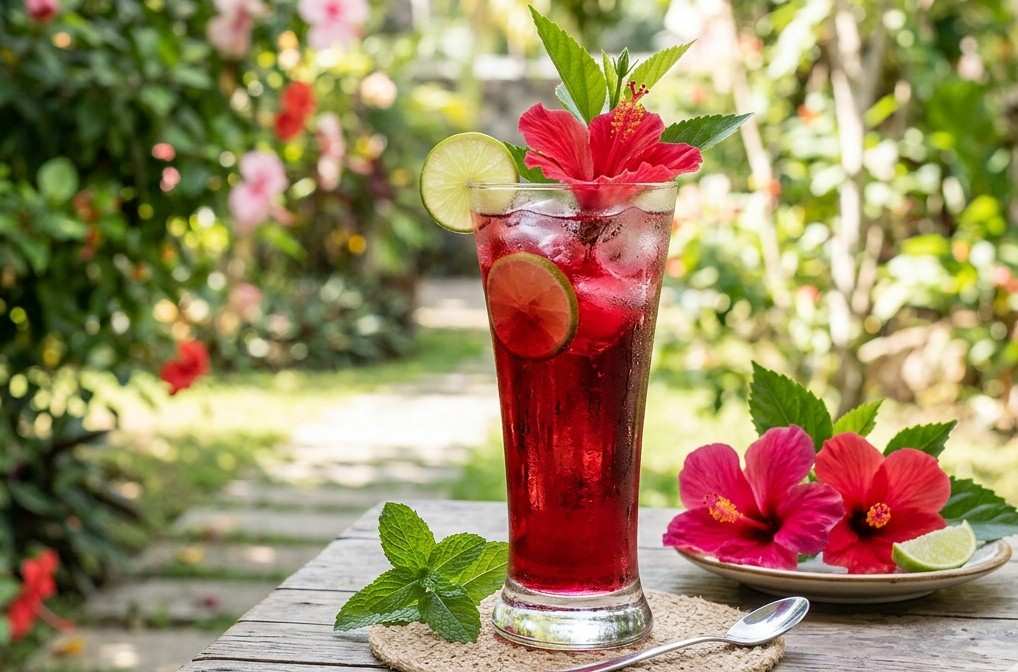
Hibiscus water is a vibrant, ruby-red herbal drink that has been enjoyed across cultures for centuries. Known for its tangy flavor, refreshing taste, and impressive health benefits, this simple infusion is made by steeping dried hibiscus flowers in water. Whether consumed hot or cold, hibiscus water is more than just a thirst-quencher—it’s a natural wellness drink packed with antioxidants and nutrients.
In this guide, you’ll learn everything about hibiscus water, including its scientifically supported health benefits, potential side effects, preparation methods, and practical usage tips.
What is Hibiscus Water?
Hibiscus water is a herbal infusion made from the dried petals of the hibiscus flower, most commonly Hibiscus sabdariffa. When steeped in water, the petals release a deep red color and a tart, cranberry-like flavor.
Traditionally consumed in regions like Africa, the Caribbean, Mexico (as “Agua de Jamaica”), and parts of Asia, water has long been valued in folk medicine. Today, it is widely recognized for its antioxidant properties, cardiovascular benefits, and cooling effect on the body.
Unlike sugary beverages, hibiscus water is naturally low in calories and free from caffeine, making it a healthy alternative for daily hydration.
Components of Hibiscus Water (Per 1 Cup / 240 ml)
| Nutrient | Amount (Approx.) |
|---|---|
| Calories | 2–5 kcal |
| Carbohydrates | 0.5–1 g |
| Sugar | 0 g |
| Fiber | 0 g |
| Vitamin C | 5–10 mg |
| Calcium | 5–10 mg |
| Iron | 0.1–0.3 mg |
| Potassium | 20–40 mg |
| Antioxidants | High (polyphenols, anthocyanins) |
Note: Values may vary depending on preparation and concentration.
20 Proven Benefits of Hibiscus Water
- Rich in Antioxidants – Water contains powerful antioxidants like anthocyanins that help fight oxidative stress and reduce cell damage.
- Supports Heart Health – Regular consumption may help lower blood pressure and improve overall cardiovascular function.
- May Lower Blood Pressure – Studies suggest hibiscus can reduce both systolic and diastolic blood pressure naturally.
- Helps Manage Cholesterol Levels – It may reduce LDL (bad cholesterol) while improving HDL (good cholesterol).
- Aids in Weight Management – Hibiscus water may help reduce fat accumulation and support metabolism.
- Improves Liver Health – Its detoxifying properties support liver function and reduce fat buildup.
- Boosts Immunity – Rich in vitamin C, it strengthens the immune system against infections.
- Supports Digestive Health – It helps improve digestion and can relieve mild constipation.
- Anti-Inflammatory Properties – Hibiscus contains compounds that help reduce inflammation in the body.
- May Help Control Blood Sugar – Some studies indicate it can help regulate blood glucose levels.
- Promotes Healthy Skin – Antioxidants support skin health and may reduce signs of aging.
- Supports Kidney Health – It acts as a mild diuretic, helping flush out toxins.
- Helps Reduce Anxiety – The calming effect of herbal infusions may support mental relaxation.
- Improves Hydration – It’s a flavorful way to increase daily fluid intake.
- May Have Antibacterial Effects – Hibiscus extracts have shown activity against certain bacteria.
- Supports Hormonal Balance – It may help regulate hormonal fluctuations, especially in women.
- Aids in Cooling the Body – Traditionally used to reduce body heat in hot climates.
- Enhances Metabolism – May improve metabolic processes that support energy balance.
- May Reduce Menstrual Discomfort – Some evidence suggests it can ease cramps and discomfort.
- Supports Overall Wellness – Regular intake contributes to general health and vitality.
10 Side Effects of Hibiscus Water
- May Lower Blood Pressure Too Much – Excess intake can cause hypotension in some individuals.
- Possible Allergic Reactions – Some people may experience itching or mild allergic responses.
- Interferes with Medications – It may interact with blood pressure or diabetes medications.
- Not Safe During Pregnancy – High intake may affect hormonal balance and is not recommended.
- May Affect Liver Enzymes – In large quantities, it could impact liver function.
- Digestive Discomfort – Overconsumption may cause stomach upset or cramps.
- Dizziness or Fatigue – Due to lowered blood pressure in sensitive individuals.
- May Impact Fertility – Some studies suggest it could influence reproductive hormones.
- Drug Interaction Risk – Especially with antihypertensive or diuretic drugs.
- Excess Acidity – Its tart nature may irritate those with acid sensitivity.
How to Make Hibiscus Water?
Making hibiscus water at home is simple and requires minimal ingredients.
Ingredients:
- 1–2 tablespoons dried hibiscus petals
- 2–3 cups water
- Optional: honey, lemon, or mint
Method:
- Bring water to a boil.
- Add dried hibiscus petals.
- Let it simmer for 5–10 minutes.
- Turn off heat and allow it to steep for another 5 minutes.
- Strain the liquid into a cup or jar.
- Add sweetener or flavoring if desired.
- Serve hot or chill for a refreshing cold drink.
Tips for Consuming Hibiscus Water
- Start with small quantities to observe how your body reacts.
- Avoid adding excessive sugar to maintain its health benefits.
- Combine with herbs like mint or ginger for enhanced flavor.
- Drink it fresh for maximum nutrient content.
- Use organic dried hibiscus petals for better quality.
- Stay hydrated by incorporating it as part of your daily fluid intake.
Other Uses of Hibiscus Water
Hibiscus water is not limited to drinking—it has versatile applications:
- Hair Rinse – Helps strengthen hair and add shine.
- Skin Toner – Acts as a natural astringent for clearer skin.
- Natural Dye – Used for coloring food or fabrics.
- Culinary Ingredient – Can be used in desserts, syrups, and sauces.
- Iced Tea Base – Popular as a refreshing summer beverage.
- Detox Drinks – Combined with other herbs for cleansing routines.
How Much Hibiscus Water Can You Drink in a Day?
Moderation is key when consuming hibiscus water. Generally:
- 1–2 cups per day is considered safe for most healthy adults.
- Avoid excessive consumption, especially if you have low blood pressure.
- Consult a healthcare professional if you plan to consume it regularly for therapeutic purposes.
Best Time to Drink Hibiscus Water
- Morning – Helps kickstart metabolism and hydration.
- Afternoon – A refreshing alternative to sugary beverages.
- Post-Meal – May aid digestion.
- Avoid Late Night – Due to its mild diuretic effect, it may disrupt sleep.
Who Should Drink Hibiscus Water?
Water is suitable for:
- Individuals looking to improve heart health
- People managing mild hypertension
- Those seeking natural detox drinks
- Individuals aiming for weight management
- Anyone wanting a caffeine-free beverage
Who Should Avoid Hibiscus Water?
Certain individuals should limit or avoid water:
- Pregnant or breastfeeding women
- People with low blood pressure
- Individuals on blood pressure or diabetes medications
- Those with known allergies to hibiscus
- People with hormone-sensitive conditions
How to Store Hibiscus Water?
Proper storage helps maintain freshness and safety:
- Store in a clean, airtight glass container
- Keep refrigerated for up to 2–3 days
- Avoid leaving it at room temperature for long periods
- Do not consume if it develops an off smell or taste
Precautions and Interactions
While water is generally safe, it’s important to take precautions:
- Consult a healthcare provider if you have existing medical conditions
- Avoid combining with antihypertensive drugs without guidance
- Monitor your body’s response when consuming regularly
- Do not rely solely on water for medical treatment
- Use moderate amounts to prevent adverse effects
Final Thoughts
Hibiscus water is a simple yet powerful herbal drink that combines refreshing taste with a wide range of health benefits. From supporting heart health to boosting immunity and aiding digestion, it offers a natural way to enhance overall wellness.
However, like any natural remedy, it should be consumed mindfully. Understanding the right quantity, timing, and potential interactions ensures you get the most out of this vibrant drink without unwanted side effects.
FAQ’s
What does hibiscus water taste like?
Water has a tart, slightly sour flavor similar to cranberry juice, with a refreshing and mildly fruity aftertaste.
Can I drink hibiscus water every day?
Yes, most healthy adults can drink 1–2 cups daily in moderation, as long as they do not have any medical conditions that restrict its use.
Is hibiscus water good for weight loss?
Water may support weight management by improving metabolism and reducing fat accumulation when combined with a healthy lifestyle.
Does hibiscus water lower blood pressure?
Yes, studies suggest it may help reduce both systolic and diastolic blood pressure, making it beneficial for people with mild hypertension.
Is hibiscus water safe during pregnancy?
No, it is generally not recommended during pregnancy as it may affect hormone levels and uterine activity.
Can hibiscus water help with skin health?
Yes, its antioxidants may help improve skin texture, reduce signs of aging, and promote a healthy glow.
Does hibiscus water contain caffeine?
No, water is naturally caffeine-free, making it suitable for people avoiding stimulants.
Can I drink hibiscus water on an empty stomach?
Yes, many people drink it in the morning on an empty stomach, but those with sensitive stomachs should start with small amounts.
Is hibiscus water good for digestion?
Yes, it may support digestion and help relieve mild constipation due to its natural compounds.
Does hibiscus water help in detoxification?
It may support the body’s natural detox processes, especially by aiding liver function and hydration.
Can children drink hibiscus water?
Yes, in small amounts, but it should be diluted and given occasionally rather than daily.
Is hibiscus water acidic?
Yes, it is naturally acidic, which gives it its tart taste and may not suit people with acid sensitivity.
Can I drink hibiscus water at night?
It is better to avoid it late at night due to its mild diuretic effect, which may disrupt sleep.
Does hibiscus water help control blood sugar?
Some studies suggest it may help regulate blood sugar levels, but it should not replace medical treatment.
Can I add sweeteners to hibiscus water?
Yes, you can add natural sweeteners like honey or stevia, but avoid excessive sugar to maintain its health benefits.
Is hibiscus water good for hair?
Yes, it can be used as a hair rinse to improve shine and scalp health.
How much hibiscus water is too much?
Consuming more than 3–4 cups daily may lead to side effects like low blood pressure or digestive discomfort.
Can I drink hibiscus water cold?
Yes, water can be enjoyed both hot and cold, and it is especially refreshing when chilled.
How long does it take for Hibiscus Water to work?
The effects of water can vary depending on the purpose; hydration benefits are immediate, while improvements in blood pressure or overall health may take a few weeks of regular consumption.
What does Hibiscus Water smell like?
Water has a mild, floral aroma with a slightly tangy and fruity scent that is light and refreshing.
What is Hibiscus Water good for?
Water is good for supporting heart health, improving digestion, boosting immunity, aiding weight management, and promoting healthy skin due to its antioxidant content.
Can I spray hibiscus water on my hair every day?
Yes, you can spray water on your hair daily in small amounts, as it may help improve shine, strengthen strands, and support scalp health without causing buildup.
Also Read: