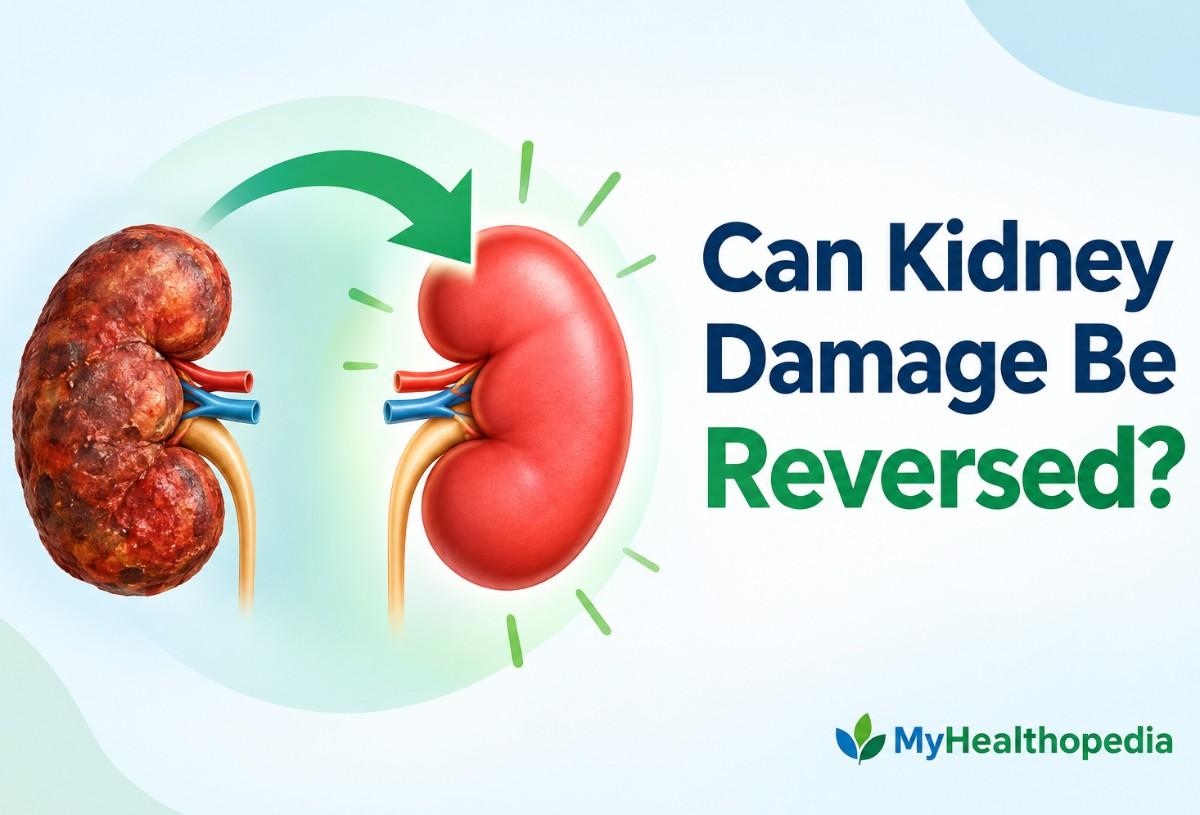
Kidney damage can be frightening, especially when a blood test shows a high creatinine level or a lower-than-normal eGFR. One of the most common questions people have after hearing that their kidney function is reduced is: Can kidney damage be reversed?
The answer depends largely on what caused the kidney damage, how long it has been present, and whether the problem is acute or chronic.
Some types of kidney injury can improve substantially when the underlying cause is treated. For example, kidney function may recover after certain cases of dehydration, infection, medication-related injury, or urinary blockage. Acute kidney injury (AKI) can sometimes recover when its cause is addressed.
Chronic kidney disease (CKD) is different. Long-standing kidney damage generally cannot be completely reversed, particularly in advanced disease. However, treatment can often slow or sometimes stabilize further loss of kidney function and reduce complications.
Understanding this difference is important because a lower kidney-function number does not automatically mean that your kidneys are permanently failing.
Can Kidney Damage Be Reversed?
Sometimes, yes—but it depends on the type and cause of the damage.
Acute kidney injury can be reversible in some people. When the underlying problem is treated promptly, kidney function may improve considerably. In contrast, established chronic kidney disease usually involves permanent loss of some kidney function, although treatment can protect the remaining function and slow progression.
This is why doctors first try to determine whether reduced kidney function is caused by:
- Acute kidney injury
- Chronic kidney disease
- A urinary blockage
- Dehydration or low blood flow to the kidneys
- Infection or inflammation
- Certain medications or toxins
- Diabetes or high blood pressure
- Another underlying kidney condition
The cause matters as much as the kidney-function number itself.
What Is Kidney Damage?
Your kidneys continuously filter your blood, remove waste and extra fluid, and help maintain the body’s fluid and mineral balance.
When the kidneys are damaged, they may become less effective at performing these jobs. Waste products can build up in the blood, and abnormalities may develop in urine, electrolytes, fluid balance, blood pressure, or other body systems.
Kidney damage can be temporary or long-lasting.
1. Acute Kidney Injury
Acute kidney injury happens relatively suddenly, often over hours or days. It can occur because of severe dehydration, illness, reduced blood flow to the kidneys, urinary obstruction, certain medicines, infections, or other medical problems.
The important point is that AKI can sometimes improve once the underlying cause is treated.
2. Chronic Kidney Disease
Chronic kidney disease develops over time. CKD is generally considered chronic when kidney abnormalities persist for at least three months.
Advanced, long-lasting CKD typically cannot be reversed. The goal is usually to identify the cause, protect remaining kidney function, slow progression, and manage complications.
Can Acute Kidney Damage Be Reversed?
Yes, acute kidney injury can be reversible in some cases.
Recovery depends on the cause, severity of the injury, the person’s overall health, and how quickly treatment begins.
For example, if reduced kidney function is caused by dehydration or another temporary problem, correcting the underlying issue may allow kidney function to improve. Kidney function may also improve when a urinary blockage is successfully treated.
However, AKI should never be treated as something to simply wait out. Severe AKI can be dangerous and may require hospitalization, medication changes, treatment of infection, fluids or other interventions, and sometimes temporary dialysis.
Even when kidney function improves, people who experience AKI may remain at increased risk for future kidney problems.
Can Chronic Kidney Damage Be Reversed?
Usually, established chronic kidney damage cannot be completely reversed.
When kidney tissue has been permanently damaged over a long period, there is currently no standard treatment that simply restores all lost kidney function.
However, this does not mean that nothing can be done.
Treatment can help protect the kidney function that remains. NIDDK notes that management of CKD focuses on slowing progression and reducing complications, including controlling blood pressure and blood glucose, addressing albumin in the urine, making appropriate dietary changes, and maintaining healthy lifestyle habits.
In other words:
Permanent kidney damage may not be reversible, but worsening kidney function is not inevitable in every person.
Can Creatinine Levels Go Back to Normal?
Sometimes.
Creatinine is a waste product commonly measured through a blood test to help assess kidney function. A temporary increase in creatinine can occur during acute kidney injury and may improve when the underlying cause is corrected.
A persistently elevated creatinine, however, may indicate chronic kidney disease or another ongoing problem.
It is also important not to judge kidney health from one laboratory result alone. Trends over time, eGFR, urine albumin, medical history, medications, blood pressure, and the suspected cause all matter.
The National Kidney Foundation notes that eGFR can fluctuate between tests and that looking at the overall pattern over time can be more useful than focusing on one result.
What Can Cause Reversible Kidney Damage?
Several situations can cause a temporary decline in kidney function.
1. Dehydration
Severe dehydration can reduce blood flow to the kidneys and contribute to acute kidney injury. Treating the underlying fluid imbalance may help kidney function recover.
2. Certain Medicines
Some medications can contribute to kidney injury in susceptible people. This is particularly important when someone is dehydrated, seriously ill, or taking multiple medications.
Never stop a prescribed medicine on your own. Instead, ask your doctor or pharmacist whether your medicines are appropriate for your kidney function.
3. Urinary Blockage
A blockage that prevents urine from leaving the kidneys can damage kidney function. Depending on the cause, removing the obstruction may allow kidney function to improve.
4. Severe Infection or Illness
Serious infections and other acute illnesses can temporarily reduce kidney function. Treating the underlying illness may allow recovery.
5. Reduced Blood Flow
Conditions that significantly reduce blood flow to the kidneys can cause acute kidney injury. Prompt medical treatment may improve kidney function.
What Causes Permanent or Long-Term Kidney Damage?
Common causes of chronic kidney disease include:
- Diabetes
- High blood pressure
- Certain inherited kidney diseases
- Glomerular diseases
- Repeated kidney injuries
- Long-standing urinary tract problems
- Some autoimmune diseases
- Certain medications or toxic exposures
- Other chronic medical conditions
Diabetes and high blood pressure are particularly important because controlling these conditions can help protect kidney function.
How Can You Protect Your Kidneys From Further Damage?
Even when existing kidney damage cannot be reversed, protecting the remaining kidney function can make a major difference.
1. Control Blood Pressure
High blood pressure can both contribute to kidney disease and become a complication of it.
Keeping blood pressure within the range recommended by your healthcare professional is one of the most important ways to protect kidney health.
2. Manage Blood Sugar
For people with diabetes, managing blood glucose is an important part of protecting the kidneys.
High blood sugar over time can damage the small blood vessels involved in kidney filtration.
3. Take Medicines as Prescribed
Some medications can help slow kidney disease progression, particularly in certain people with albuminuria.
ACE inhibitors and ARBs, for example, may be used in appropriate patients to help control blood pressure and reduce albuminuria. They should only be taken under medical supervision because kidney function and potassium levels may need monitoring.
4. Reduce Excess Salt
A high-sodium diet can contribute to high blood pressure and fluid retention.
For people with CKD, dietary sodium needs should be individualized, but NIDDK recommends limiting sodium to help with blood pressure control.
5. Follow a Kidney-Appropriate Diet
There is no single kidney diet that works for everyone.
Depending on kidney function and laboratory results, a person may need adjustments involving sodium, protein, potassium, phosphorus, or fluid intake.
This is why people with kidney disease should avoid making major dietary restrictions without professional guidance. A registered dietitian familiar with kidney disease can help create an appropriate eating plan.
6. Maintain a Healthy Weight
A healthy weight can support blood pressure, blood glucose control, cardiovascular health, and overall kidney health.
7. Stay Physically Active
Regular physical activity can support cardiovascular health, glucose control, weight management, and overall well-being. NIDDK recommends incorporating physical activity into CKD management when appropriate.
8. Avoid Smoking
Smoking can contribute to cardiovascular disease and may be associated with progression of kidney disease. Quitting smoking is an important part of protecting overall health.
9. Be Careful With Painkillers
Some pain medicines can be harmful to the kidneys, particularly when used frequently or in people who already have kidney problems.
If you have kidney disease, ask your healthcare professional before regularly using over-the-counter pain medicines.
10. Keep Follow-Up Appointments
Kidney disease can progress without obvious symptoms.
Regular testing can help your healthcare team monitor:
- eGFR
- Creatinine
- Urine albumin
- Blood pressure
- Potassium and other electrolytes
- Blood glucose when relevant
- Other markers based on your condition
Early identification gives you more opportunities to address the factors contributing to kidney damage.
Can Kidney Function Improve After Stage 3 CKD?
This question is common, but it needs a careful answer.
If someone has true chronic kidney disease, the lost kidney function is generally not considered fully reversible. However, kidney-function measurements can fluctuate, and an individual may sometimes see their eGFR improve between tests.
A change in eGFR does not necessarily mean that permanent kidney tissue has regenerated.
The more useful question is often:
Is kidney function stable, improving because a temporary problem was corrected, or steadily declining?
Your healthcare professional can evaluate the trend and determine whether the change represents CKD progression, an acute problem, medication effect, or another cause.
Can Kidney Damage From High Blood Pressure Be Reversed?
High blood pressure can damage the blood vessels and filtering structures of the kidneys over time.
Once chronic structural damage has occurred, it generally cannot simply be reversed. However, controlling blood pressure can help prevent additional damage and slow CKD progression.
This is one reason why treating high blood pressure early is so important.
Can Kidney Damage From Diabetes Be Reversed?
Diabetes can damage the kidney’s filtering system and may lead to albumin appearing in the urine.
Early kidney changes may sometimes improve with effective treatment of the underlying risk factors, particularly when elevated blood glucose and blood pressure are addressed. However, established chronic kidney damage may not be reversible.
The goal is to control diabetes and other risk factors and prevent additional kidney damage.
Are There Symptoms When Kidney Damage Is Reversible?
Unfortunately, symptoms alone cannot tell you whether kidney damage is reversible.
Early CKD often causes few or no noticeable symptoms. A person can have significant kidney disease without feeling seriously ill.
Possible symptoms of more significant kidney problems can include:
- Swelling around the feet or ankles
- Changes in urination
- Unusual tiredness
- Nausea
- Loss of appetite
- Shortness of breath
- Muscle cramps
- Difficulty concentrating
- Persistent itching
These symptoms can have many causes, so they should not be used to diagnose kidney disease by themselves.
When Should You See a Doctor?
Seek medical attention promptly if you have symptoms suggesting a sudden kidney problem, particularly:
- A significant reduction in urine
- Blood in the urine
- Severe swelling
- Severe weakness
- Persistent vomiting
- Shortness of breath
- Confusion
- Severe dehydration
- Sudden changes in kidney blood tests
A sudden change in kidney function can represent acute kidney injury, which may require urgent evaluation.
What Tests Check for Kidney Damage?
Doctors commonly use a combination of blood and urine tests.
1. Blood Creatinine and eGFR
Creatinine is measured in the blood, and eGFR is estimated from laboratory and personal factors to assess kidney filtration.
2. Urine Albumin
Albumin in the urine can provide important information about kidney damage and the risk of progression.
3. Blood Pressure
Blood pressure is closely connected to kidney health and is an important part of kidney disease monitoring.
4. Imaging
Depending on the situation, an ultrasound or another imaging test may be used to look for obstruction, structural abnormalities, stones, or other causes.
Additional tests may be required depending on the suspected cause.
Can Dialysis Reverse Kidney Damage?
Dialysis can perform some of the functions that failing kidneys can no longer perform, such as removing waste and excess fluid.
However, dialysis itself does not repair permanently damaged kidney tissue.
People with acute kidney injury may sometimes need dialysis temporarily while their kidneys recover. In advanced kidney failure, dialysis or kidney transplantation may be needed as long-term kidney replacement therapy.
Can a Kidney Heal Itself?
The kidneys have some capacity for recovery after certain acute injuries.
This is why kidney function can sometimes improve after acute kidney injury or urinary obstruction when the underlying cause is successfully treated.
However, this should not be interpreted as meaning that every type of kidney damage can heal itself. Long-standing chronic kidney disease is different, and permanent loss of kidney function generally cannot simply be restored.
The Most Important Thing to Remember
The phrase “kidney damage” does not always mean permanent kidney failure.
Some kidney problems are temporary and potentially reversible. Others cause permanent changes that can only be managed rather than reversed.
The key is to identify the cause as early as possible.
If kidney function has recently decreased, don’t assume that your kidneys are permanently damaged based on one creatinine or eGFR result. Ask your healthcare professional whether the change could represent acute kidney injury, chronic kidney disease, dehydration, medication effects, urinary obstruction, or another condition.
Early diagnosis and appropriate treatment can help protect kidney function for the future.
FAQ’s
Can kidneys repair themselves after damage?
Kidneys can recover from some acute injuries, but permanent damage from chronic kidney disease usually cannot be fully repaired.
Can kidney function improve?
Yes. Kidney function can improve when a temporary problem such as dehydration, infection, medication-related injury, or urinary blockage is treated.
Can Stage 3 kidney disease be reversed?
Stage 3 chronic kidney disease is generally not considered fully reversible, but treatment may help stabilize kidney function and slow further progression.
Can drinking water repair damaged kidneys?
Adequate hydration can help prevent dehydration-related kidney problems, but drinking extra water cannot repair permanent kidney damage. People with kidney disease may have individualized fluid needs.
What foods help repair the kidneys?
There is no single food that repairs damaged kidneys. A kidney-friendly diet should be individualized based on kidney function, blood pressure, medications, and laboratory results.
How long does it take for kidneys to recover from acute kidney injury?
Recovery varies depending on the cause and severity of the injury. Some people recover within days or weeks, while others may take longer or have lasting kidney impairment.
Does kidney damage always lead to kidney failure?
No. Many people with kidney disease do not develop kidney failure, particularly when the condition is detected early and appropriately managed.
Can kidney damage be reversed naturally?
There is no proven natural remedy that can reverse established chronic kidney damage. Natural lifestyle measures may support overall kidney health but should not replace medical treatment.
Can kidneys recover after dehydration?
Kidney function can improve after dehydration if dehydration is the main cause of the acute kidney injury. Severe dehydration, however, can be dangerous and may require medical treatment.
Sources / References:
About the Author:
Written by: Kirti Solanki (Health Content Researcher)
Health content researcher focused on creating reader-friendly, evidence-informed articles that make complex health topics easier to understand.
Disclaimer:
This guide is for educational purposes only and does not replace professional medical advice, diagnosis, or treatment. If you have abnormal kidney test results or symptoms of kidney problems, consult a qualified healthcare professional for personalized evaluation.
Also Read: