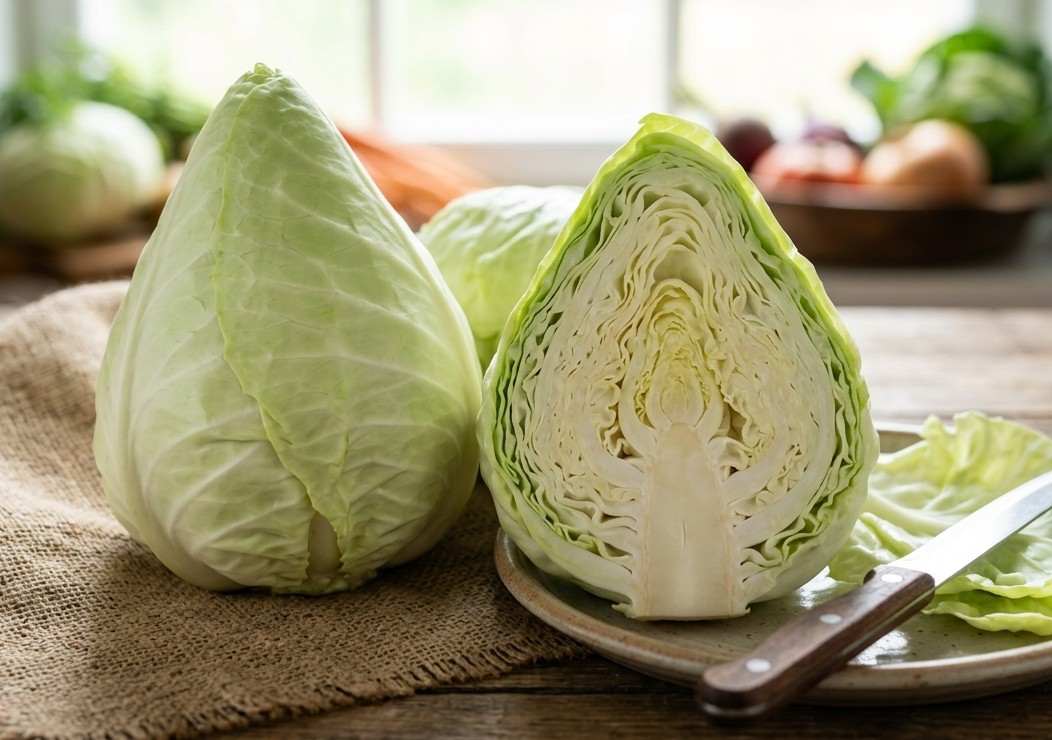
Pointed white cabbage is a crisp, mildly sweet vegetable that can be a nutritious addition to everyday meals. Its tender leaves, distinctive cone-shaped head, and delicate flavor make it suitable for salads, soups, stir-fries, steamed dishes, and fermented foods. It provides vitamin C, vitamin K, folate, fiber, and other nutrients that support overall health.
Whether you want to improve your daily vegetable intake, explore healthier cooking options, or learn about the nutritional value of pointed white cabbage, this guide covers its potential health benefits, nutrition facts, possible side effects, preparation methods, and precautions.
What Is Pointed White Cabbage?
Pointed white cabbage, also called sweetheart cabbage, arrowhead cabbage, cone cabbage, or hispi cabbage in some regions, is a variety of cabbage with a distinctive tapered, cone-shaped head. It belongs to the Brassica oleracea species, the same species that includes other familiar cabbage varieties.
Unlike round-headed white cabbage, pointed cabbage generally has a more elongated shape, softer leaves, and a delicate, slightly sweet flavor. Its leaves are often tender enough to enjoy raw, although cooking makes them even softer and brings out their natural sweetness.
Pointed white cabbage is commonly used in European cooking and can be incorporated into many cuisines. It pairs well with carrots, onions, garlic, potatoes, herbs, lemon juice, and a variety of spices.
From a nutritional perspective, pointed white cabbage is low in calories and provides vitamin C, vitamin K, folate, and dietary fiber. It also contains plant compounds found in cruciferous vegetables, including glucosinolates, which are studied for their potential role in human health.
It is a versatile vegetable for people looking to build balanced meals, increase their vegetable intake, and enjoy nutrient-rich foods without adding many calories.
Nutrition Facts of Pointed White Cabbage
Pointed white cabbage has a nutritional profile similar to other raw green and white cabbage varieties. The following is an approximate values for 100 grams of raw cabbage. Exact amounts vary depending on the variety, growing conditions, freshness, and preparation method.
| Nutrient | Approximate amount |
|---|---|
| Calories | 25 kcal |
| Carbohydrates | 5.8 g |
| Dietary fiber | 2.5 g |
| Protein | 1.3 g |
| Total fat | 0.1 g |
| Natural sugars | 3.2 g |
| Vitamin C | 36.6 mg |
| Vitamin K | 76 mcg |
| Folate (vitamin B9) | 43 mcg |
| Potassium | 170 mg |
| Calcium | 40 mg |
| Magnesium | 12 mg |
| Iron | 0.47 mg |
| Water | Approximately 92 g |
20 Health Benefits of Pointed White Cabbage
1. Supports Immune Function: Pointed white cabbage provides vitamin C, which helps immune cells function normally and supports the body’s natural defenses.
2. Promotes Healthy Digestion: Its dietary fiber helps support regular bowel movements and contributes to normal digestive function.
3. Supports Heart Health: Its fiber, potassium, and low saturated fat content can complement an overall heart-friendly eating pattern.
4. Helps Maintain Healthy Bones: Vitamin K contributes to normal bone metabolism, while cabbage also provides small amounts of calcium and other minerals.
5. Supports Skin Health: Vitamin C is needed for collagen production, which helps maintain the structure and normal function of the skin.
6. Contributes to Wound Healing: Adequate vitamin C supports collagen formation and normal tissue repair as the body heals.
7. Helps With Weight Management: Its low calorie content and water volume make pointed cabbage a useful way to add bulk to meals without adding many calories.
8. Supports Normal Blood Clotting: Vitamin K helps the body produce proteins involved in normal blood coagulation.
9. Contributes to Red Blood Cell Formation: Folate supports DNA synthesis and the formation of healthy red blood cells, although cabbage alone cannot treat anemia.
10. Supports Normal Muscle Function: Potassium helps regulate muscle contractions and normal nerve signaling.
11. Helps Maintain Fluid Balance: The potassium in pointed cabbage contributes to electrolyte balance, which is important for normal cellular function.
12. Provides Antioxidant Nutrients: Vitamin C and other plant compounds help protect cells from oxidative damage as part of the body’s antioxidant defense system.
13. Supports Healthy Aging: Its combination of vitamins, minerals, fiber, and plant compounds can contribute to a varied diet that supports health throughout adulthood.
14. Contributes to Brain and Nervous System Function: Folate supports normal cellular processes, while potassium helps maintain the electrical signals needed for nerve function.
15. Supports Eye Health Indirectly: Vitamin C contributes to overall nutritional health, although pointed white cabbage is not a particularly rich source of the carotenoids most associated with eye health.
16. Supports Gut Health: Dietary fiber helps nourish normal bowel function, and some fiber can be fermented by beneficial gut bacteria.
17. Helps Improve Meal Nutrient Density: Adding cabbage to meals increases the amount of vegetables, vitamins, and minerals without substantially increasing calories.
18. Supports a Healthy Blood Pressure Eating Pattern: Potassium-rich foods such as cabbage can contribute to a dietary pattern that supports healthy blood pressure, although cabbage is not a blood pressure treatment.
19. Provides Plant Compounds for Research: As a cruciferous vegetable, cabbage contains glucosinolates and related compounds being studied for their biological effects; their presence does not establish a cancer-prevention benefit from eating cabbage.
20. Encourages a Balanced Diet: Its mild flavor and versatility make it easier to include vegetables regularly, supporting a varied diet rich in different plant foods.
10 Possible Side Effects of Pointed White Cabbage
Pointed white cabbage is generally safe for most people when eaten in ordinary food amounts. However, eating large portions or having certain digestive conditions can cause discomfort.
1. Gas Production: Cabbage contains fermentable carbohydrates that intestinal bacteria can break down, potentially producing excess gas.
2. Abdominal Bloating: Large servings may cause a feeling of fullness or swelling, especially in people sensitive to cruciferous vegetables.
3. Stomach Discomfort: Eating a large amount of raw cabbage may cause digestive discomfort in people with sensitive stomachs.
4. Changes in Bowel Movements: Increasing fiber intake suddenly may lead to temporary changes in stool frequency or consistency.
5. IBS Symptom Flare-Ups: Some people with irritable bowel syndrome find cabbage triggers bloating, gas, or abdominal pain, depending on the amount and their individual tolerance.
6. Possible Diarrhea After Large Servings: A sudden increase in fiber or an individual food intolerance may cause loose stools in susceptible people.
7. Potential Allergic Reactions: Although uncommon, cabbage allergy can occur and may cause itching, hives, swelling, or other allergic symptoms.
8. Foodborne Illness From Contamination: Unwashed or improperly handled cabbage may carry harmful microorganisms, which can cause gastrointestinal illness.
9. Possible Medication Interaction: Cabbage contains vitamin K, so sudden, substantial changes in intake may interfere with the management of warfarin therapy.
10. Thyroid Concerns With Very High Intake: Cruciferous vegetables contain compounds that can affect iodine metabolism under certain conditions, but ordinary servings are generally not a concern for people with adequate iodine intake.
How to Eat Pointed White Cabbage?
Pointed white cabbage can be eaten raw or cooked. Its tender leaves and mild flavor make it suitable for simple everyday meals.
- Eat It Raw: Slice the leaves thinly and add them to salads or slaws.
- Make a Cabbage Salad: Combine shredded cabbage with carrots, cucumber, lemon juice, and a small amount of olive oil.
- Add It to Soups: Cut the cabbage into small pieces and simmer it with vegetables, beans, or chicken.
- Prepare a Stir-Fry: Cook sliced cabbage with garlic, ginger, carrots, and your preferred protein.
- Steam It: Steam the leaves until tender for a simple vegetable side dish.
- Roast It: Cut the cabbage into wedges, brush lightly with olive oil, and roast until the edges turn golden.
- Add It to Wraps: Use finely shredded cabbage to add crunch to sandwiches, wraps, and tacos.
- Ferment It: Prepare fermented cabbage using a reliable food-safety recipe and appropriate salt levels.
Wash the cabbage under clean running water before cutting it, and remove damaged outer leaves. Avoid using soap or household cleaning products on vegetables.
Tips for Consuming Pointed White Cabbage
- Start With Small Portions: If you do not regularly eat cabbage, begin with a modest serving and increase it gradually.
- Choose Fresh Heads: Look for firm heads with crisp leaves and no signs of decay or extensive discoloration.
- Combine It With Protein: Pair cabbage with beans, eggs, fish, tofu, or chicken to make a more balanced meal.
- Use Gentle Cooking Methods: Steaming, quick stir-frying, and light sautéing help retain texture and can make cabbage easier for some people to tolerate.
- Avoid Excessive Cooking: Prolonged boiling can reduce some water-soluble nutrients, including vitamin C.
- Add Flavor Naturally: Garlic, black pepper, lemon juice, herbs, and a little olive oil can enhance the taste without requiring excessive salt.
- Increase Fiber Gradually: Drink enough fluids and introduce high-fiber foods slowly to help your digestive system adjust.
- Observe Your Tolerance: If raw cabbage causes discomfort, try a smaller serving or eat it cooked.
- Maintain Variety: Alternate cabbage with other vegetables so that your diet provides a wider range of nutrients.
How to Cook Pointed White Cabbage?
Pointed white cabbage cooks relatively quickly because its leaves are often more tender than those of larger, round-headed cabbage varieties.
1. Steaming:
Cut the cabbage into wedges or strips and steam for approximately 5–8 minutes, or until tender. Finish with lemon juice and black pepper.
2. Stir-Frying:
Slice the cabbage and cook it in a little oil with garlic and your choice of vegetables for about 5–8 minutes, stirring frequently.
3. Roasting:
Cut into wedges, season lightly, and roast at 200°C (400°F) for approximately 20–30 minutes, turning as needed until tender and browned.
4. Making Soup:
Add sliced cabbage during the later part of cooking so it becomes tender without turning excessively soft. Simmer until the vegetables are cooked through.
Cooking times depend on the thickness of the slices and the texture you prefer. For the best flavor, season the cabbage lightly and avoid adding too much salt or butter.
Other Uses of Pointed White Cabbage
Beyond traditional meals, pointed white cabbage can be used in several practical ways in the kitchen.
- Homemade Coleslaw: Finely shredded pointed cabbage makes a crunchy base for coleslaw with carrots, yogurt dressing, or a light vinaigrette.
- Vegetable Wraps: Use softened cabbage leaves as a wrapper for rice, beans, minced meat, or other fillings.
- Fermented Foods: Cabbage can be fermented into sauerkraut using appropriate food-safety techniques.
- Sandwich Fillings: Add thinly sliced cabbage to sandwiches and burgers for extra texture and freshness.
- Meal Preparation: Cooked cabbage can be portioned into containers and added to lunches and dinners throughout the week.
- Vegetable Stock: Clean cabbage trimmings can be used in vegetable stock, provided they are fresh and free from spoilage.
- Low-Calorie Meal Additions: Add cabbage to soups, stews, and mixed vegetable dishes to increase their volume without adding many calories.
How Much Pointed White Cabbage Can You Eat in a Day?
There is no official daily serving recommendation specifically for pointed white cabbage. However, about 1 cup of shredded raw cabbage, or approximately 70–100 grams, is a reasonable starting portion for many adults.
You can eat more if it suits your digestive system and fits into a balanced diet. Your total vegetable intake, individual tolerance, and health conditions are more important than meeting a specific cabbage quantity.
| Serving size | Approximate calories | Best use |
|---|---|---|
| ½ cup raw, shredded | 13 kcal | Small salad or garnish |
| 1 cup raw, shredded | 18–25 kcal | Everyday meal addition |
| 150 g raw | 38 kcal | Larger salad or side dish |
| 1 cup cooked | Varies by preparation | Vegetable side dish |
Calories are estimates. Oil, butter, sauces, and other ingredients can substantially increase the calories in cooked cabbage.
Practical advice: Start with a small serving if you are prone to bloating. Increase the amount gradually if you tolerate it well, and include other vegetables in your diet for nutritional variety.
Best Time to Eat Pointed White Cabbage
Pointed white cabbage can be eaten at different times of the day. There is no strong evidence that one particular time provides special health benefits.
- At Lunch: Add raw or cooked cabbage to your meal for extra fiber and vegetables.
- At Dinner: Serve steamed, roasted, or stir-fried cabbage alongside a balanced dinner.
- At Breakfast: Include a small portion in a vegetable omelet or savory breakfast wrap.
- As a Snack: Enjoy a small cabbage slaw or use cabbage strips with a suitable dip.
- Before or After Exercise: Cabbage can be part of a balanced meal, but it is not a special workout food; choose portions that do not cause digestive discomfort during exercise.
If raw cabbage causes gas or bloating, try eating it cooked or avoiding large servings immediately before bedtime.
Who Should Eat Pointed White Cabbage?
Pointed white cabbage can be a useful addition to many different eating patterns.
- People Seeking a Balanced Diet: Those who want to eat more vegetables can use pointed cabbage in salads, soups, and side dishes.
- People Managing Their Weight: Its low calorie content makes it a convenient ingredient in meals designed around appropriate portions and overall energy intake.
- People Looking to Increase Fiber Intake: Cabbage provides dietary fiber that supports regular bowel movements.
- People Seeking Vitamin C Sources: Those who want to increase their intake of vitamin C can include raw or lightly cooked cabbage alongside other vitamin-rich foods.
- People Following Plant-Based Diets: Vegetarians and vegans can use cabbage as a source of fiber and several vitamins, although it does not replace protein-rich foods.
- People Interested in Heart-Healthy Eating: Cabbage can complement a balanced dietary pattern that includes fruits, vegetables, whole grains, legumes, and appropriate protein sources.
- People Wanting Affordable Vegetables: Pointed cabbage is versatile and can help stretch meals when combined with other inexpensive ingredients.
Who Should Not Eat Pointed White Cabbage?
Most people do not need to avoid pointed white cabbage entirely. However, some people may need to limit it or seek individualized dietary advice.
- People With a Cabbage Allergy: Anyone with a confirmed allergy to cabbage should avoid it and follow medical advice regarding related foods.
- People With Severe Digestive Sensitivity: Those who consistently experience gas, bloating, or abdominal pain after eating cabbage may need smaller portions or suitable alternatives.
- People With Irritable Bowel Syndrome: Individuals whose symptoms are triggered by cabbage may benefit from a tailored dietary plan with help from a registered dietitian.
- People Taking Warfarin: They generally do not need to eliminate cabbage, but should maintain a consistent vitamin K intake and follow their clinician’s guidance.
- People With Medically Prescribed Dietary Restrictions: Anyone following a specific diet for a digestive or other medical condition should confirm whether cabbage fits their individual plan.
- People With Suspected Foodborne Illness: Avoid eating cabbage that is spoiled or contaminated, and seek medical advice if symptoms are severe or persistent.
How to Store Pointed White Cabbage?
- Refrigerate Whole Cabbage: Store an unwashed, whole cabbage in the refrigerator’s crisper drawer to help preserve freshness.
- Keep It Dry: Excess moisture can encourage spoilage, so avoid storing wet leaves in a tightly sealed bag.
- Use a Suitable Bag: A perforated produce bag can help protect the cabbage while allowing some air circulation.
- Wrap Cut Portions: Cover cut surfaces and place the remaining cabbage in a clean, airtight container or suitable food-storage bag.
- Separate Spoiled Leaves: Remove damaged or decaying outer leaves before storing the remaining usable cabbage.
- Use Cut Cabbage Promptly: Refrigerate cut cabbage and use it within a few days for the best quality.
- Freeze for Longer Storage: Blanch cabbage briefly, cool it rapidly, drain it, and freeze it in suitable freezer-safe packaging; the texture will soften after thawing.
- Check Before Use: Discard cabbage that develops mold, extensive sliminess, or an unpleasant rotten odor.
For food safety, keep the refrigerator at 4°C (40°F) or below. Storage life varies with freshness, temperature, and moisture.
Precautions and Interactions
- Warfarin Interaction: Cabbage contains vitamin K, which affects warfarin’s action; keep intake consistent rather than suddenly increasing or eliminating cabbage.
- Digestive Tolerance: Increase fiber-rich foods gradually if you are not accustomed to them, as sudden increases may cause gas and bloating.
- Iodine and Thyroid Health: People with thyroid disorders should maintain adequate iodine intake and discuss major dietary changes with their healthcare professional; ordinary cabbage servings are generally safe for most people.
- Food Hygiene: Wash cabbage thoroughly under running water and use clean knives, cutting boards, and utensils to reduce contamination risks.
- Avoid Spoiled Produce: Do not eat cabbage with signs of spoilage, and do not assume cooking will make badly spoiled food safe.
- Balanced Nutrition: Do not rely on pointed white cabbage alone to meet your vitamin, mineral, protein, or energy needs.
- Medication Management: Do not change prescribed medication or supplements because you have added cabbage to your diet.
- Individual Medical Advice: If you have a chronic digestive condition, take medication that requires dietary consistency, or have specific nutritional restrictions, seek advice from a qualified healthcare professional.
FAQ’s
What is pointed white cabbage good for?
Pointed white cabbage provides vitamin C, vitamin K, folate, and dietary fiber that support immune function, normal blood clotting, bone health, and digestion.
Is pointed white cabbage healthier than regular cabbage?
Pointed white cabbage and regular white cabbage have similar nutritional profiles, although their exact nutrient content varies by variety, freshness, and cooking method.
Can you eat pointed white cabbage raw?
Yes, pointed white cabbage can be eaten raw in salads and coleslaw after washing it thoroughly under running water.
Does pointed white cabbage cause gas?
Yes, pointed white cabbage may cause gas and bloating in some people because it contains fiber and fermentable carbohydrates.
Is pointed white cabbage good for weight loss?
Pointed white cabbage can support weight management because it is low in calories and provides fiber that contributes to fullness.
Can you eat pointed white cabbage every day?
Yes, most people can enjoy pointed white cabbage daily as part of a varied, balanced diet, provided they tolerate it well.
Is pointed white cabbage good for digestion?
Its dietary fiber supports regular bowel movements, although large portions may trigger bloating or discomfort in people with sensitive digestive systems.
Is pointed white cabbage good for your heart?
Pointed white cabbage contains fiber and potassium that can complement a heart-healthy eating pattern, but it does not independently prevent or treat heart disease.
Is pointed white cabbage safe during pregnancy?
Yes, properly washed or thoroughly cooked pointed white cabbage can generally be included in a balanced pregnancy diet.
Can people with diabetes eat pointed white cabbage?
Yes, pointed white cabbage is relatively low in carbohydrates per serving and can fit into many diabetes-friendly meal plans.
Is pointed white cabbage better raw or cooked?
Both raw and cooked pointed white cabbage offer nutritional benefits. Raw cabbage retains more heat-sensitive vitamin C, while cooking softens its texture and may make it easier to tolerate.
Does pointed white cabbage contain vitamin K?
Yes, pointed white cabbage contains vitamin K, which supports normal blood clotting and bone metabolism.
Can pointed white cabbage affect thyroid health?
Ordinary servings are generally safe for most people, but extremely high consumption alongside inadequate iodine intake may be a concern in certain circumstances.
How long does pointed white cabbage last in the refrigerator?
A fresh, whole head may last around one to two weeks or sometimes longer, depending on its freshness and storage conditions. Cut cabbage should be used sooner.
Can you freeze pointed white cabbage?
Yes, pointed white cabbage can be blanched, cooled, drained, and frozen in freezer-safe packaging, although its texture may become softer after thawing.
What does pointed white cabbage taste like?
Pointed white cabbage has a mild, slightly sweet flavor with a crisp texture when raw and a softer, sweeter taste when cooked.
Is pointed white cabbage safe for children?
Yes, pointed white cabbage is generally safe for children when thoroughly washed, appropriately cooked or finely chopped according to their age, and served in age-appropriate portions to reduce choking risk.
Sources and References:
About the Author:
Written by: Kirti Solanki (Health Content Researcher): Kirti Solanki writes health and nutrition content focused on making evidence-informed information accessible to general readers. This article is intended for educational purposes and is not a substitute for individualized medical advice.
Disclaimer:
This guide is for informational purposes only and does not replace professional medical advice, diagnosis, or treatment. Consult a qualified healthcare professional about individual dietary needs, medication interactions, or persistent symptoms.
Also Read: