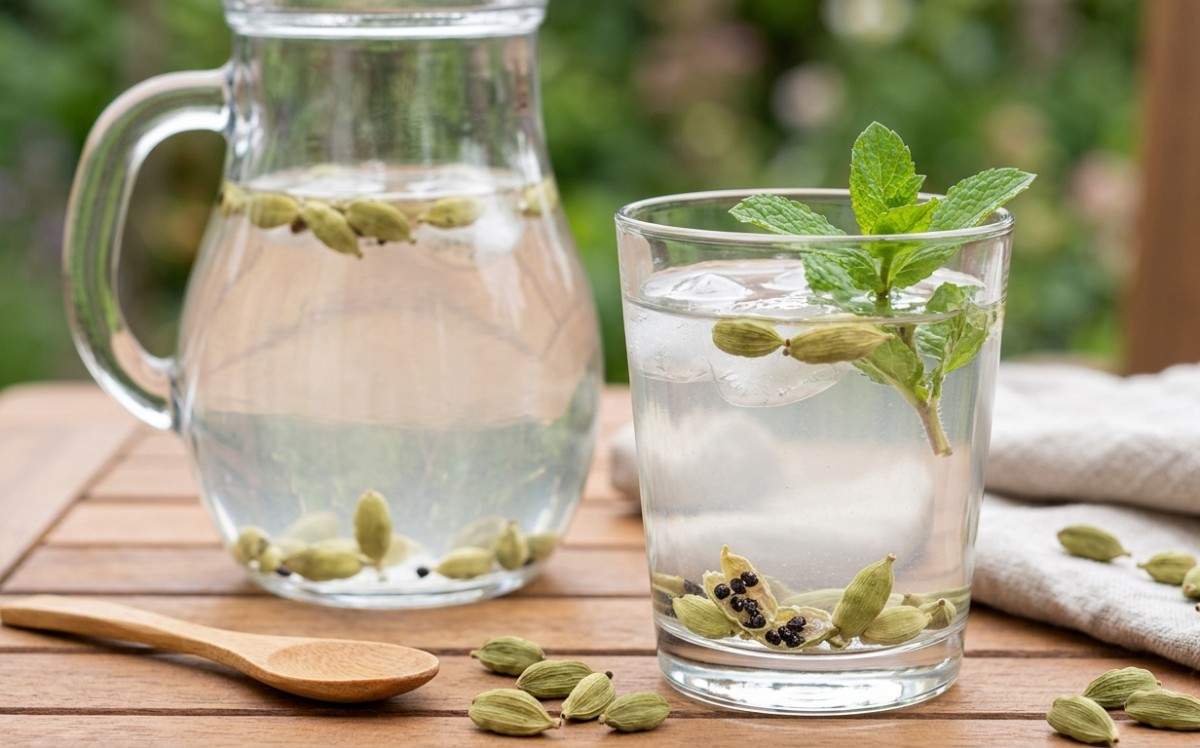
Cardamom water is a simple yet powerful herbal drink that has been used in traditional wellness practices for centuries. Known for its soothing aroma and refreshing taste, this spice-infused water is often consumed for digestion, detox support, and overall vitality. In many Indian households, cardamom is more than just a kitchen spice—it is a daily wellness ingredient.
In this guide, you will learn what cardamom water is, its nutrition profile, proven health benefits, possible side effects, preparation methods, and how to use it safely.
What is Cardamom Water?
Cardamom water is a herbal infusion made by soaking or boiling crushed cardamom pods in water. Cardamom, scientifically known as Elettaria cardamomum, is often referred to as the “Queen of Spices.” It contains natural essential oils, antioxidants, and bioactive compounds such as cineole, terpinene, and limonene.
When cardamom pods are steeped in water, these beneficial compounds are released into the liquid, creating a mildly sweet, aromatic, and slightly spicy drink. Cardamom water can be consumed warm or at room temperature, and it is often taken in the morning on an empty stomach.
Components of Cardamom Water
Since cardamom water is diluted, its nutritional content depends on the quantity of cardamom used. Below is an approximate nutritional breakdown based on 2 crushed green cardamom pods infused in 1 cup (250 ml) of water.
| Nutrient | Approximate Amount per Cup |
|---|---|
| Calories | 2–5 kcal |
| Carbohydrates | <1 g |
| Protein | Trace |
| Fat | Trace |
| Fiber | Trace |
| Potassium | 15–25 mg |
| Calcium | 5–10 mg |
| Magnesium | 2–4 mg |
| Iron | 0.1–0.2 mg |
| Antioxidants | Present (flavonoids & essential oils) |
| Essential Oils | Cineole, limonene, terpinene |
While the calorie content is minimal, cardamom water provides beneficial plant compounds and antioxidants that support overall health.
20 Science-Backed Benefits of Cardamom Water
- Supports Digestive Health: Cardamom water stimulates digestive enzymes, helping reduce bloating, gas, and indigestion.
- Relieves Acidity Naturally: The alkaline properties of cardamom may help neutralize stomach acid and reduce heartburn symptoms.
- Reduces Bloating: Its carminative compounds relax intestinal muscles, preventing gas formation.
- Freshens Breath: Cardamom’s antimicrobial properties help fight oral bacteria that cause bad breath.
- Supports Oral Health: The natural antibacterial compounds may reduce harmful microbes in the mouth.
- Rich in Antioxidants: Cardamom contains flavonoids and phenolic compounds that help protect cells from oxidative stress.
- May Help Lower Blood Pressure: Some studies suggest cardamom’s diuretic and antioxidant effects may support healthy blood pressure levels.
- Promotes Detoxification: Cardamom water may support kidney function by promoting urine production.
- Supports Liver Function: Antioxidant compounds may help protect the liver from toxin-induced damage.
- Improves Metabolism: Cardamom may stimulate metabolic activity, supporting healthy weight management.
- Aids Weight Management: By improving digestion and reducing water retention, it may indirectly support fat loss efforts.
- May Regulate Blood Sugar Levels: Some research indicates cardamom may improve insulin sensitivity.
- Boosts Immunity: Its antimicrobial and antioxidant properties help strengthen immune defense.
- Supports Respiratory Health: Cineole in cardamom may help open airways and reduce congestion.
- Reduces Inflammation: Cardamom’s bioactive compounds may lower inflammation markers in the body.
- Improves Circulation: It may help enhance blood circulation due to its mild stimulant properties.
- Reduces Stress and Anxiety: The aroma of cardamom may have calming effects on the nervous system.
- Supports Heart Health: Antioxidant and anti-inflammatory effects contribute to cardiovascular wellness.
- May Improve Skin Clarity: Detoxifying and antioxidant properties may support clearer skin.
- Supports Hormonal Balance: Traditional practices suggest cardamom may help balance certain hormonal functions.
10 Side Effects of Cardamom Water
- Allergic Reactions: Some individuals may experience itching, rashes, or breathing difficulty if allergic to cardamom.
- Gallstone Complications: Cardamom may stimulate bile flow, which could worsen gallstone pain in sensitive individuals.
- Low Blood Pressure Risk: Excess consumption may cause blood pressure to drop too much in those already on medication.
- Digestive Irritation: Overuse may lead to nausea or stomach discomfort.
- Drug Interactions: Cardamom may interact with blood pressure or blood-thinning medications.
- Mild Diarrhea: Large amounts may cause loose stools due to its digestive-stimulating effects.
- Pregnancy Concerns: Excessive intake is not recommended without medical advice during pregnancy.
- Skin Sensitivity: Direct topical use of concentrated cardamom water may irritate sensitive skin.
- Blood Sugar Drops: Individuals on diabetes medication should monitor levels to avoid hypoglycemia.
- Hormonal Sensitivity: Excessive use may potentially influence hormone-sensitive conditions.
How to Make Cardamom Water?
Method 1: Soaking Method
- Take 2–3 green cardamom pods.
- Lightly crush them to release the seeds.
- Add them to 1 cup of water.
- Let it soak overnight.
- Strain and drink in the morning.
Method 2: Boiling Method
- Crush 2–3 cardamom pods.
- Add to 1–2 cups of water.
- Boil for 5–7 minutes.
- Strain and allow it to cool slightly.
- Drink warm.
Optional: Add a few drops of lemon juice for taste.
Tips for Consuming Cardamom Water
- Use fresh green cardamom pods for maximum benefits.
- Avoid adding sugar to preserve its health properties.
- Start with small quantities to assess tolerance.
- Drink it plain for best digestive support.
- Pair it with a balanced diet and healthy lifestyle.
Other Uses of Cardamom Water
- Natural mouth rinse for fresh breath.
- Mild facial toner for oily skin.
- Added to herbal teas for flavor enhancement.
- Used in cooking rice or desserts for aroma.
- Mixed with honey for sore throat relief.
How Much Cardamom Water Can You Drink in a Day?
Generally, 1–2 cups per day is considered safe for most healthy adults. Using 2–3 pods daily is sufficient to gain benefits without overconsumption.
Excessive intake is not recommended, especially for individuals on medication.
Best Time to Drink Cardamom Water
- Morning on an empty stomach for digestive support.
- After meals to reduce bloating.
- Before bedtime in small amounts for relaxation.
- During seasonal changes for immune support.
Morning consumption is the most popular choice for metabolic and digestive benefits.
Who Should Drink Cardamom Water?
- Individuals with mild digestive issues.
- People looking for natural detox support.
- Those experiencing bloating or acidity.
- Individuals seeking natural breath fresheners.
- People wanting a caffeine-free herbal beverage option.
Who Should Avoid Cardamom Water?
- Individuals allergic to cardamom or related spices.
- People with gallstones without medical consultation.
- Those on blood pressure medication.
- Individuals on anticoagulant therapy.
- Pregnant women without medical advice.
- People with severe gastrointestinal disorders.
How to Store Cardamom Water?
- Store in a glass container.
- Refrigerate if not consumed immediately.
- Consume within 24 hours for freshness.
- Avoid storing in plastic for long durations.
- Do not reheat multiple times.
Freshly prepared cardamom water is always more effective than stored versions.
Precautions and Interactions
- Consult a healthcare professional if you have chronic health conditions.
- Monitor blood pressure and blood sugar if on medication.
- Avoid excessive quantities.
- Discontinue use if you experience allergic symptoms.
- Do not substitute it for prescribed medical treatment.
Cardamom water is generally safe when consumed in moderation, but natural does not always mean risk-free. Responsible use ensures maximum benefit with minimal side effects.
Final Thoughts
Cardamom water is a simple, affordable, and natural wellness drink that offers multiple potential health benefits. From improving digestion and supporting heart health to promoting fresh breath and reducing inflammation, it has earned its place in traditional health practices.
However, like any herbal remedy, moderation is essential. When consumed thoughtfully, cardamom water can be a refreshing addition to your daily routine. If you are considering adding it regularly to your diet, especially for therapeutic purposes, it is wise to consult a healthcare provider for personalized guidance.
FAQ’s
What does Cardamom Water taste like?
Water has a mildly sweet, slightly spicy, and refreshing taste with subtle citrusy and herbal undertones, making it light and soothing rather than overpowering.
What does Cardamom Water smell like?
It has a warm, aromatic fragrance that is sweet, floral, and slightly minty due to the natural essential oils present in cardamom.
What is Cardamom Water good for?
Water is commonly used to support digestion, reduce bloating and acidity, freshen breath, promote detoxification, support heart health, and provide antioxidant protection when consumed in moderation.
Can I drink cardamom water every day?
Yes, most healthy adults can drink 1–2 cups of water daily in moderation without issues.
Is cardamom water good for weight loss?
Water may support weight management by improving digestion, reducing bloating, and mildly boosting metabolism, but it is not a standalone weight loss solution.
Can I drink cardamom water on an empty stomach?
Yes, drinking it on an empty stomach in the morning may help stimulate digestion and reduce acidity.
Does cardamom water help with bloating?
Yes, cardamom has carminative properties that may help relieve gas, bloating, and stomach discomfort.
Is cardamom water safe during pregnancy?
Small culinary amounts are generally safe, but regular medicinal use should only be taken after consulting a healthcare professional.
Can cardamom water lower blood pressure?
Some studies suggest cardamom may help support healthy blood pressure levels, but individuals on medication should monitor their levels carefully.
Does cardamom water improve skin health?
Its antioxidant properties may support clearer skin by reducing oxidative stress and aiding detoxification.
Can diabetics drink cardamom water?
It may help support blood sugar balance, but individuals with diabetes should consult their doctor before making it a daily habit.
How long does it take to see results from cardamom water?
Digestive relief may be noticed within days, while other benefits may take several weeks of consistent use.
Can I add honey or lemon to cardamom water?
Yes, adding lemon or a small amount of honey can enhance taste and provide additional health benefits.
Is cardamom water good before bedtime?
Yes, in small amounts it may promote relaxation due to its calming aroma and digestive support.
Can children drink cardamom water?
Small diluted amounts are generally safe for children, but it is best to consult a pediatrician before regular use.
Does cardamom water help with bad breath?
Yes, its natural antimicrobial properties may help reduce odor-causing bacteria in the mouth.
Can I reuse cardamom pods to make water again?
It is best to use fresh pods each time, as reused pods lose most of their beneficial compounds.
Is cardamom water better hot or cold?
Warm water is generally preferred for digestion, but it can be consumed at room temperature based on preference.
Also Read: