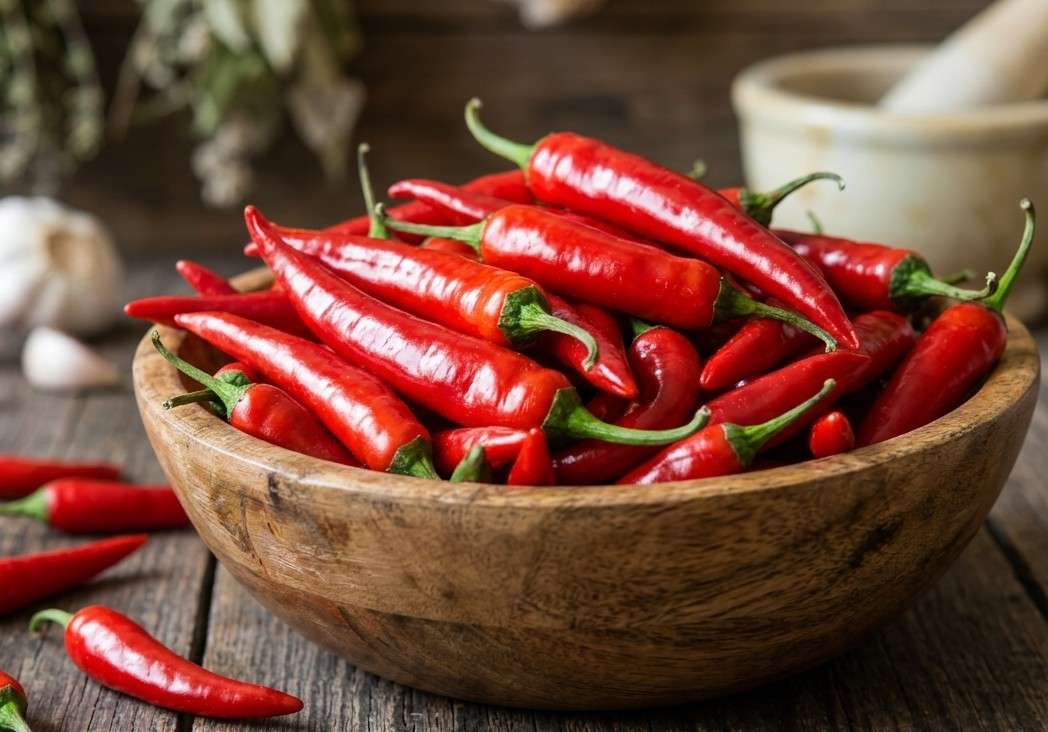
Chili peppers are among the most popular spices in the world, valued for their fiery flavor, vibrant color, and impressive nutritional profile. From mild varieties to extremely hot peppers, they have been used for centuries in cuisines and traditional wellness practices. The compound responsible for their heat, capsaicin, has attracted significant scientific interest due to its potential health-promoting properties.
Whether eaten fresh, dried, powdered, or cooked into meals, chili peppers can add both flavor and nutrition to your diet. This guide explores everything you need to know about chili peppers, including their nutrition, benefits, side effects, usage tips, storage methods, and precautions.
What Are Chili Peppers?
Chili peppers are the fruits of plants belonging to the Capsicum genus. They are native to the Americas but are now cultivated worldwide. Chili peppers vary in size, shape, color, and heat level. Common varieties include jalapeño, cayenne, serrano, habanero, Thai chili, and bird’s eye chili.
The heat in chili peppers comes from capsaicinoids, especially capsaicin. These compounds stimulate heat receptors in the mouth, creating the characteristic spicy sensation. Besides their culinary uses, chili peppers are also used in supplements, topical creams, and natural remedies.
Nutrition Facts of Chili Peppers
The following values are approximate for 100 grams of raw red chili peppers.
| Nutrient | Amount |
|---|---|
| Calories | 40 kcal |
| Carbohydrates | 8.8 g |
| Protein | 1.9 g |
| Fat | 0.4 g |
| Fiber | 1.5 g |
| Vitamin C | 143.7 mg |
| Vitamin A | 952 IU |
| Vitamin B6 | 0.5 mg |
| Folate | 23 mcg |
| Potassium | 322 mg |
| Magnesium | 23 mg |
| Iron | 1.0 mg |
| Calcium | 14 mg |
| Water | 88 g |
| Capsaicin | Varies by variety |
20 Proven Health Benefits of Chili Peppers
- Rich in Vitamin C: Chili peppers provide a high amount of vitamin C, which supports immune health and collagen production.
- Supports Immune Function: Regular consumption may help strengthen the body’s natural defense system against infections.
- Contains Powerful Antioxidants: Chili peppers contain antioxidants that help protect cells from oxidative stress and free-radical damage.
- May Boost Metabolism: Capsaicin can temporarily increase calorie burning and metabolic rate.
- Supports Weight Management: Spicy foods may help reduce appetite and increase feelings of fullness.
- Promotes Heart Health: Chili peppers may contribute to healthy cholesterol levels and improved circulation.
- May Lower Inflammation: Capsaicin possesses anti-inflammatory properties that may help reduce chronic inflammation.
- Supports Healthy Digestion: Moderate intake may stimulate digestive juices and improve digestion.
- May Improve Blood Sugar Control: Some studies suggest capsaicin may help support healthy glucose metabolism.
- Enhances Circulation: Chili peppers may help improve blood flow throughout the body.
- Supports Eye Health: Vitamin A and carotenoids in chili peppers contribute to healthy vision.
- May Reduce Pain Sensation: Capsaicin is commonly used in topical pain-relief products due to its effect on pain receptors.
- Supports Brain Function: Antioxidants and vitamins may help protect brain cells from oxidative damage.
- May Improve Mood: Eating spicy foods can stimulate the release of endorphins, promoting feelings of well-being.
- Supports Skin Health: The vitamins and antioxidants in chili peppers contribute to healthy skin maintenance.
- May Have Antimicrobial Properties: Certain compounds in chili peppers may help inhibit the growth of harmful microorganisms.
- Supports Respiratory Health: Spicy peppers may help clear nasal congestion and improve airflow.
- May Promote Longevity: Research suggests regular chili pepper consumption may be associated with lower mortality risk.
- Supports Healthy Blood Vessels: Capsaicin may help maintain healthy blood vessel function.
- May Aid Exercise Performance: Improved circulation and metabolism may support physical performance and recovery.
10 Side Effects of Chili Peppers
- Digestive Irritation: Excessive consumption may cause stomach discomfort, burning sensations, or indigestion.
- Heartburn Risk: Spicy peppers can trigger acid reflux or worsen heartburn in sensitive individuals.
- Stomach Pain: Large amounts may irritate the stomach lining and cause abdominal pain.
- Diarrhea: Overconsumption can speed up bowel movements and lead to diarrhea.
- Mouth Burning: The capsaicin content can cause intense burning sensations in the mouth.
- Skin Irritation: Direct contact with chili pepper may cause redness, itching, or burning of the skin.
- Eye Irritation: Touching the eyes after handling peppers can result in severe discomfort and watering.
- May Trigger IBS Symptoms: Individuals with irritable bowel syndrome may experience worsening symptoms.
- Allergic Reactions: Some people may develop allergic responses to chili pepper.
- Sleep Disruption: Consuming large amounts of spicy foods late at night may interfere with sleep quality.
How to Eat Chili Peppers?
There are many ways to enjoy chili peppers:
- Add fresh chopped peppers to salads.
- Use them in soups, curries, and stews.
- Mix into stir-fries and vegetable dishes.
- Include them in sauces and salsas.
- Add chili flakes to pizza and pasta.
- Blend into marinades and dressings.
- Roast or grill whole peppers.
- Use dried chili powder as a seasoning.
- Add small amounts to smoothies for a spicy twist.
- Include them in homemade pickles.
Tips for Consuming Chili Peppers
- Start with mild varieties if you are new to spicy foods.
- Increase consumption gradually to build tolerance.
- Pair chili pepper with meals rather than eating them alone.
- Drink milk or consume yogurt if the heat feels overwhelming.
- Wear gloves when handling very hot peppers.
- Avoid touching your eyes after handling peppers.
- Remove seeds and membranes to reduce heat intensity.
- Stay hydrated when eating spicy foods.
- Choose fresh, firm peppers for maximum quality.
- Consume in moderation for best results.
Other Uses of Chili Peppers
- Natural Food Coloring: Chili pepper are used to add vibrant red color to various foods.
- Spice Production: Dried peppers are processed into chili powder and seasoning blends.
- Topical Pain Relief: Capsaicin extracted from peppers is used in pain-relief creams and patches.
- Pest Deterrent: Chili-based sprays are commonly used as natural garden pest repellents.
- Food Preservation: Chili pepper have traditionally been used to help preserve foods.
- Hot Sauce Manufacturing: Peppers are the primary ingredient in many spicy condiments.
- Traditional Remedies: Various cultures use chili pepper in traditional wellness practices.
- Animal Repellent: Chili-based products may help discourage unwanted animals from gardens.
- Cosmetic Applications: Capsaicin is occasionally used in specialized skincare products.
- Flavor Enhancement: Chili pepper are widely used to intensify the flavor profile of foods.
How Much Chili Peppers Can You Eat in a Day?
There is no official daily recommended intake for chili peppers. Most healthy adults can comfortably consume between 5 and 15 grams of fresh chili peppers daily, depending on their tolerance level.
Individuals accustomed to spicy foods may consume more, while beginners should start with very small amounts. Excessive consumption may increase the risk of digestive discomfort and other side effects.
| Form | Typical Amount |
|---|---|
| Fresh chili peppers | 5–15 g daily |
| Dried chili peppers | 1–3 g daily |
| Chili powder | ¼–1 teaspoon daily |
| Capsaicin supplements | Follow product instructions |
| Capsaicin cream | Use as directed by healthcare providers |
Dosage may vary based on age, health status, and spice tolerance.
Best Time to Eat Chili Peppers
- During lunch or dinner as part of a balanced meal.
- Before exercise if tolerated, as capsaicin may support metabolism.
- During colder weather for a warming effect.
- Earlier in the day if spicy foods affect sleep.
- With meals rather than on an empty stomach to reduce irritation.
Who Should Eat Chili Peppers?
- Healthy Adults: Most healthy individuals can enjoy chili pepper as part of a balanced diet.
- People Seeking More Flavor: Chili pepper can enhance meals without adding many calories.
- Weight-Conscious Individuals: Capsaicin may support appetite control and calorie expenditure.
- Athletes and Active Individuals: The nutrients and circulation-supporting properties may benefit active lifestyles.
- People Looking for Antioxidants: Chili pepper provide vitamins and protective plant compounds.
- Those Wanting Immune Support: Their vitamin C content may contribute to immune health.
- Vegetarians and Vegans: Chili pepper can add flavor and nutrients to plant-based diets.
- People Seeking Variety in Meals: They offer unique flavors and culinary versatility.
- Individuals Interested in Heart Health: Moderate intake may support cardiovascular wellness.
- People Who Enjoy Spicy Foods: Those with good tolerance can safely include them in regular meals.
Who Should Not Eat Chili Peppers?
- People with Severe Acid Reflux: Chili pepper may worsen reflux symptoms.
- Individuals with Active Stomach Ulcers: Spicy foods can aggravate discomfort.
- People with IBS Sensitivity: Some individuals may experience symptom flare-ups.
- Those with Chili Allergies: Anyone allergic should completely avoid chili pepper.
- Individuals with Severe Digestive Disorders: Spicy foods may increase irritation.
- People Recovering from Gastrointestinal Surgery: Healthcare providers may recommend avoiding spicy foods temporarily.
- Young Children Sensitive to Spice: High heat levels may cause discomfort.
- People with Chronic Heartburn: Chili pepper can worsen symptoms in susceptible individuals.
- Those Taking Certain Medications: Capsaicin may interact with specific medications.
- Individuals with Low Spice Tolerance: Large amounts may cause significant discomfort.
How to Store Chili Peppers?
- Store in the Refrigerator: Fresh peppers stay fresh longer when refrigerated.
- Keep Them Dry: Excess moisture can encourage spoilage and mold growth.
- Use Airtight Containers: Proper containers help maintain freshness.
- Freeze for Long-Term Storage: Frozen peppers can last several months.
- Dry for Preservation: Dehydrated peppers can be stored for extended periods.
- Keep Away from Direct Sunlight: Sunlight may reduce quality and freshness.
- Store Whole Until Use: Whole peppers generally stay fresh longer than chopped peppers.
- Check Regularly for Spoilage: Remove any peppers showing mold or soft spots.
- Label Frozen Portions: Dating packages helps track storage time.
- Avoid Crushing: Handle carefully to prevent bruising and damage.
Precautions and Interactions
- Start with Small Amounts: Introduce chili pepper gradually to assess tolerance.
- Avoid Excessive Consumption: Large amounts may increase digestive side effects.
- Use Gloves When Handling Hot Peppers: This helps prevent skin irritation.
- Keep Away from Eyes: Capsaicin can cause significant eye discomfort.
- Consult a Healthcare Provider if Pregnant: Individual tolerance and dietary needs may vary.
- Monitor Digestive Symptoms: Reduce intake if discomfort develops.
- Be Cautious with Blood-Thinning Medications: Capsaicin may influence blood-related functions.
- Check Supplement Labels Carefully: Capsaicin supplements vary in strength and concentration.
- Use Topical Products as Directed: Capsaicin creams should be applied according to instructions.
- Seek Medical Advice for Allergic Reactions: Any signs of allergy require prompt medical attention.
Conclusion
Chili peppers are much more than a spicy ingredient. They are rich in vitamins, antioxidants, and bioactive compounds such as capsaicin that may support metabolism, heart health, immune function, and overall wellness. While moderate consumption can provide numerous health benefits, excessive intake may lead to digestive discomfort and other side effects.
By consuming chili peppers in appropriate amounts and choosing preparation methods that suit your tolerance level, you can enjoy their unique flavor and nutritional advantages as part of a healthy and balanced diet.
FAQ’s
What nutrient are chili peppers highest in?
Chili pepper are especially high in vitamin C and also provide vitamin A, vitamin B6, and various antioxidants.
Can chili peppers help with weight loss?
Capsaicin may slightly increase calorie burning and reduce appetite, making chili pepper a helpful addition to a weight-management diet.
Is it safe to eat chili peppers every day?
For most healthy adults, eating moderate amounts of chili pepper daily is generally safe and may offer health benefits.
Do chili peppers boost metabolism?
Yes, capsaicin has been shown to temporarily increase metabolic rate and thermogenesis.
Are chili peppers good for heart health?
Research suggests that chili pepper may support healthy blood circulation and cardiovascular function.
Can chili peppers improve digestion?
In moderate amounts, chili pepper may stimulate digestive juices and support digestion, though excessive intake can cause irritation.
Do chili peppers contain antioxidants?
Yes, chili pepper contain antioxidants such as vitamin C, carotenoids, and flavonoids that help protect cells from oxidative stress.
Are chili peppers good for immunity?
Their high vitamin C content helps support normal immune system function.
Can chili peppers lower blood sugar levels?
Some studies suggest capsaicin may help support healthy blood sugar regulation, but more research is needed.
Are green and red chili peppers equally healthy?
Both are nutritious, but red chili pepper generally contain more vitamin A and certain antioxidants than green varieties.
What makes chili peppers spicy?
The spicy sensation comes from capsaicin and related compounds known as capsaicinoids.
Can chili peppers cause stomach problems?
Yes, excessive consumption may lead to heartburn, stomach discomfort, diarrhea, or digestive irritation in sensitive individuals.
Are chili peppers bad for acid reflux?
They can trigger or worsen acid reflux symptoms in some people who are prone to heartburn.
Can chili peppers help clear a blocked nose?
Yes, spicy peppers may temporarily relieve nasal congestion by stimulating mucus flow.
Do chili peppers contain protein?
Yes, but only in small amounts. They are not considered a significant protein source.
Can children eat chili peppers?
Children can eat mild chili pepper in small amounts, but very hot varieties may cause discomfort and irritation.
What is the hottest type of chili pepper?
Some of the hottest peppers include Carolina Reaper and Pepper X, known for their extremely high heat levels.
What is the best way to reduce chili pepper burn?
Milk, yogurt, cheese, and other dairy products can help neutralize capsaicin and reduce the burning sensation more effectively than water.
Can chili peppers be eaten raw?
Yes, chili pepper can be eaten raw, added to salads, sandwiches, and fresh salsas.
Are dried chili peppers as healthy as fresh ones?
Dried chili pepper retain many nutrients and beneficial compounds, although some vitamin C may be lost during drying.
Can chili peppers help relieve pain?
Capsaicin is commonly used in topical creams and patches to help manage certain types of pain.
Are chili peppers good for skin health?
Their vitamin C and antioxidant content may support collagen production and help protect skin cells.
Is Chili Peppers Safe for Pregnant Women?
Yes, chili pepper are generally safe during pregnancy when eaten in moderation, though they may cause heartburn in some women.
What Is Chili Peppers Good For?
Chili pepper may support immunity, metabolism, heart health, and overall wellness due to their vitamins and antioxidants.
What Does Chili Peppers Taste Like?
Chili pepper have a spicy, bold flavor that can range from mildly warm to extremely hot, depending on the variety.
Also Read: