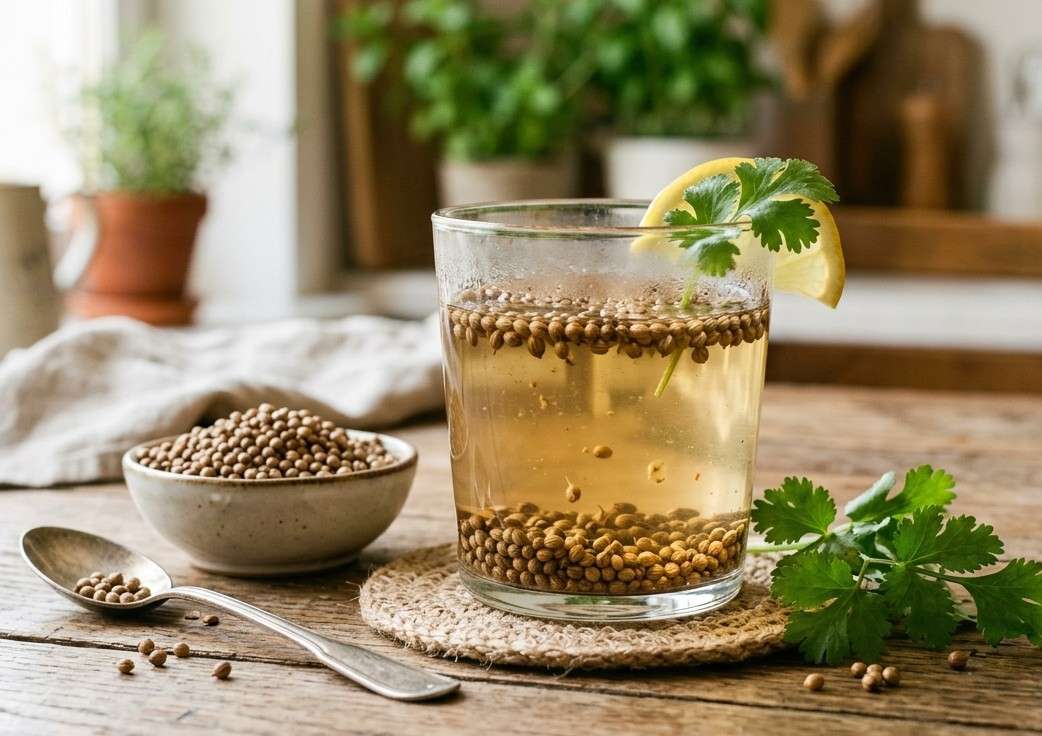
Coriander seed water is a traditional herbal drink that has been used for centuries in various cultures, especially in India, the Middle East, and parts of Asia. Made by soaking or boiling coriander seeds in water, this simple beverage is valued for its refreshing taste and potential health benefits. Coriander seeds are rich in antioxidants, vitamins, minerals, and plant compounds that may support digestion, metabolism, heart health, and overall wellness.
In recent years, coriander seed water has gained popularity among health-conscious individuals seeking natural remedies for everyday health concerns. Whether consumed first thing in the morning or throughout the day, this herbal infusion offers a convenient way to incorporate the goodness of coriander into your routine.
This guide explores everything you need to know about coriander seed water, including its nutritional profile, science-backed health benefits, side effects, preparation methods, storage tips, and precautions.
What is Coriander Seed Water?
Coriander seed water is a herbal beverage prepared by soaking coriander seeds (the dried seeds of the coriander plant) in water overnight or by boiling them in water. The soaking or boiling process allows beneficial compounds from the seeds to infuse into the water.
Coriander seeds come from the coriander plant, scientifically known as Coriandrum sativum. While the fresh leaves are commonly known as cilantro, the dried seeds have a warm, citrusy flavor and are widely used as a spice and traditional remedy.
The resulting coriander seed water contains small amounts of nutrients and bioactive compounds that may contribute to various health benefits.
Nutrition Facts of Coriander Seed Water
The exact nutritional value varies depending on preparation strength and soaking time.
| Nutrient | Approximate Amount per 1 Cup (240 ml) |
|---|---|
| Calories | 2–5 |
| Carbohydrates | Less than 1 g |
| Protein | Trace |
| Fat | Trace |
| Fiber | 0 g |
| Calcium | 5–15 mg |
| Potassium | 10–30 mg |
| Magnesium | 2–8 mg |
| Phosphorus | 2–8 mg |
| Iron | Trace |
| Vitamin C | Trace |
| Antioxidants | Present |
| Essential Oils | Present |
| Polyphenols | Present |
20 Proven Health Benefits of Coriander Seed Water
- Supports Digestion: Coriander seed water may stimulate digestive enzymes and promote smoother digestion.
- Reduces Bloating: The natural compounds in coriander seeds may help decrease gas formation and abdominal bloating.
- May Improve Blood Sugar Control: Research suggests coriander may help support healthy glucose metabolism.
- Rich in Antioxidants: Coriander seeds contain antioxidants that help combat oxidative stress in the body.
- Supports Heart Health: The compounds in coriander may contribute to healthy cholesterol and blood pressure levels.
- May Help Lower LDL Cholesterol: Some studies indicate coriander can help reduce harmful LDL cholesterol.
- Promotes Healthy HDL Cholesterol: Coriander may support increased levels of beneficial HDL cholesterol.
- Supports Liver Function: The antioxidant properties of coriander may help protect liver cells from damage.
- May Aid Weight Management: Drinking coriander seed water may support hydration and healthy metabolism.
- Supports Kidney Health: Traditional use suggests coriander may help maintain normal urinary function.
- Acts as a Natural Diuretic: Coriander seed water may encourage healthy fluid elimination from the body.
- May Reduce Inflammation: Coriander contains compounds that exhibit anti-inflammatory properties.
- Supports Immune Function: The antioxidants and plant compounds may contribute to a healthy immune response.
- May Improve Skin Health: Regular consumption may help support clearer and healthier-looking skin.
- Promotes Detoxification: Coriander seed water is commonly used as part of natural cleansing routines.
- May Help Regulate Blood Pressure: Potassium and bioactive compounds may support healthy blood pressure levels.
- Supports Healthy Metabolism: Coriander may help optimize various metabolic processes within the body.
- May Help Reduce Acidity: Traditional remedies use coriander water to soothe occasional stomach discomfort.
- Supports Respiratory Health: The anti-inflammatory properties may contribute to respiratory comfort.
- Promotes Overall Hydration: Drinking coriander seed water helps maintain fluid balance and hydration.
10 Side Effects of Coriander Seed Water
- Allergic Reactions: Some individuals may experience itching, swelling, or allergic symptoms after consumption.
- Low Blood Sugar Risk: Excessive intake may lower blood sugar levels, particularly in sensitive individuals.
- Blood Pressure Reduction: Large amounts may contribute to lower-than-normal blood pressure.
- Digestive Discomfort: Overconsumption may occasionally cause stomach upset or loose stools.
- Dizziness: Some people may experience mild dizziness due to blood pressure changes.
- Medication Interactions: Coriander may interact with medications used for diabetes or hypertension.
- Excessive Urination: Its mild diuretic effect may increase urinary frequency.
- Skin Sensitivity: Allergic individuals may experience skin irritation after exposure.
- Possible Dehydration: Excessive consumption combined with fluid loss may contribute to dehydration.
- Pregnancy Concerns with Excessive Use: Very large amounts should be avoided unless approved by a healthcare professional.
How to Make Coriander Seed Water?
Overnight Soaking Method
Ingredients
- 1 tablespoon coriander seeds
- 1 glass (250 ml) water
Instructions
- Rinse the coriander seeds thoroughly.
- Add the seeds to a glass of water.
- Cover and soak overnight for 8–12 hours.
- Strain the water in the morning.
- Drink on an empty stomach or as desired.
Boiled Method
Ingredients
- 1 tablespoon coriander seeds
- 2 cups water
Instructions
- Add coriander seeds to water.
- Bring the mixture to a boil.
- Simmer for 5–10 minutes.
- Allow it to cool slightly.
- Strain and serve warm or chilled.
Tips for Consuming Coriander Seed Water
- Drink Fresh: Freshly prepared coriander seed water provides the best flavor and quality.
- Start Slowly: Begin with small amounts to assess your body’s response.
- Use Quality Seeds: Choose clean, fresh, and organic coriander seeds whenever possible.
- Stay Hydrated: Continue drinking adequate plain water throughout the day.
- Avoid Excessive Intake: Moderate consumption is generally preferable to excessive use.
- Drink Consistently: Regular intake may provide more noticeable benefits than occasional use.
- Combine with a Healthy Diet: Coriander seed water works best alongside balanced nutrition.
- Strain Properly: Remove seeds before drinking for a smoother experience.
- Consume on an Empty Stomach: Many people prefer drinking it in the morning before breakfast.
- Monitor Blood Sugar: Individuals with diabetes should track their blood sugar levels carefully.
Other Uses of Coriander Seed Water
Apart from being consumed as a beverage, coriander seed water has several additional uses:
- Can be used as a natural facial rinse.
- May be added to herbal detox routines.
- Can be incorporated into homemade hair care treatments.
- May be used as a base for herbal beverages.
- Can be added to soups and broths.
- May be used in wellness and cleansing programs.
- Can serve as a refreshing summer drink.
- May be combined with lemon or mint for added flavor.
- Can be used in traditional Ayurvedic practices.
- May support hydration during hot weather.
How Much Coriander Seed Water Can You Drink in a Day?
For most healthy adults, consuming 1–2 cups (250–500 ml) of coriander seed water daily is generally considered sufficient.
Beginners may start with one cup per day and observe how their body responds. Excessive consumption is usually unnecessary and may increase the risk of side effects such as low blood sugar, excessive urination, or digestive discomfort.
Individuals with medical conditions should consult a healthcare professional before making coriander seed water a daily habit.
Best Time to Drink Coriander Seed Water
The ideal time depends on your wellness goals:
- Early morning on an empty stomach is the most popular time.
- Before meals may support digestion.
- Between meals can help maintain hydration.
- After heavy meals may help reduce bloating.
- During hot weather can serve as a refreshing herbal drink.
Many people prefer consuming coriander seed water first thing in the morning to maximize its digestive and cleansing benefits.
Who Should Drink Coriander Seed Water?
- People with Digestive Issues: Individuals experiencing occasional bloating or indigestion may find it helpful.
- Those Seeking Natural Hydration: Coriander seed water offers a refreshing alternative to sugary beverages.
- People Managing Weight: It may complement healthy weight-management efforts.
- Individuals Looking for Antioxidants: The antioxidant compounds may support overall wellness.
- Health-Conscious Adults: It can be incorporated into a balanced lifestyle and wellness routine.
- People Interested in Traditional Remedies: It remains a popular option in traditional health practices.
- Those Seeking Liver Support: The plant compounds may contribute to normal liver function.
- Individuals Focused on Heart Health: Coriander may support cardiovascular wellness.
Who Should Avoid Coriander Seed Water?
- People with Coriander Allergies: Anyone allergic to coriander should avoid consuming it.
- Individuals with Very Low Blood Pressure: Coriander may further reduce blood pressure levels.
- People Prone to Low Blood Sugar: Excessive intake may increase the risk of hypoglycemia.
- Individuals Taking Diabetes Medication: Medical supervision may be necessary.
- People Taking Blood Pressure Medication: Monitoring may be required due to possible interactions.
- Those with Severe Digestive Sensitivities: Some individuals may experience digestive discomfort.
- Pregnant Women Using Large Quantities: Excessive consumption should be discussed with a healthcare provider.
- People Scheduled for Surgery: Coriander may affect blood sugar regulation before procedures.
How to Store Coriander Seed Water?
- Refrigerate Immediately: Store prepared coriander seed water in the refrigerator after preparation.
- Use Airtight Containers: Airtight glass containers help preserve freshness.
- Consume Within 24 Hours: Fresh consumption provides the best taste and quality.
- Avoid Room Temperature Storage: Extended exposure may encourage bacterial growth.
- Label Preparation Date: Marking the date helps track freshness.
- Keep Away from Sunlight: Direct sunlight may affect quality and flavor.
- Do Not Reheat Repeatedly: Multiple reheating cycles can reduce freshness.
- Discard if Spoiled: Avoid consumption if there is an unusual smell or appearance.
Precautions and Interactions
Although coriander seed water is generally safe for most people when consumed in moderation, certain precautions should be considered.
- Monitor Blood Sugar Levels: Coriander seed water may lower blood sugar, so people with diabetes should monitor their glucose levels regularly.
- Watch Blood Pressure Changes: Individuals with low blood pressure or those taking blood pressure medications should use coriander seed water cautiously.
- Check for Allergic Reactions: People allergic to coriander, cilantro, parsley, or related plants may experience allergic symptoms after consumption.
- Consult Before Pregnancy Use: Pregnant women should consult a healthcare professional before consuming large amounts of coriander seed water regularly.
- Seek Medical Advice While Breastfeeding: Nursing mothers should discuss regular use with their healthcare provider as a precaution.
- Use Carefully with Diabetes Medications: Coriander may enhance the effects of blood sugar-lowering medications and increase the risk of hypoglycemia.
- Be Cautious with Blood Pressure Medications: Combining coriander seed water with antihypertensive drugs may cause blood pressure to drop too low.
- Avoid Excessive Consumption: Drinking excessive amounts may increase the risk of digestive discomfort, dizziness, or frequent urination.
- Stop Before Surgery: Coriander seed water may affect blood sugar regulation, so it is advisable to discontinue use before scheduled surgical procedures.
- Monitor Kidney Conditions: People with existing kidney disorders should consult a healthcare professional before regular consumption.
- Choose Clean, Quality Seeds: Using fresh and properly stored coriander seeds helps reduce the risk of contamination.
- Do Not Replace Medical Treatment: Coriander seed water should complement, not replace, prescribed medications or professional medical care.
- Start with Small Amounts: New users should begin with a small serving to assess individual tolerance and response.
- Stay Properly Hydrated: Because coriander has mild diuretic properties, adequate water intake should be maintained throughout the day.
- Consult a Healthcare Professional: Individuals with chronic health conditions or those taking multiple medications should seek professional advice before daily use.
Conclusion
Coriander seed water is a simple, affordable, and refreshing herbal drink with a long history of traditional use. Rich in antioxidants and beneficial plant compounds, it may support digestion, hydration, heart health, metabolism, and overall wellness. While moderate consumption is generally safe for most healthy adults, excessive intake may lead to side effects or interactions with certain medications.
FAQ’s
What is coriander seed water good for?
Coriander seed water may support digestion, hydration, heart health, blood sugar management, and overall wellness.
Can I drink coriander seed water every day?
Yes, most healthy adults can drink 1–2 cups daily in moderation.
Is coriander seed water good for weight loss?
It may support weight-management efforts by promoting hydration and healthy digestion when combined with a balanced diet and exercise.
Can coriander seed water help with bloating?
Yes, it is traditionally used to reduce gas, bloating, and digestive discomfort.
Can people with diabetes drink coriander seed water?
Yes, but they should monitor blood sugar levels and consult their healthcare provider if taking diabetes medications.
Does coriander seed water lower blood pressure?
It may help support healthy blood pressure levels, so people with low blood pressure should consume it cautiously.
Can I drink coriander seed water at night?
Yes, it can be consumed at night, although morning consumption is more common.
Can coriander seed water improve skin health?
Its antioxidants may help support healthier-looking skin as part of an overall healthy lifestyle.
Can I add lemon to coriander seed water?
Yes, lemon can be added for extra flavor and additional nutrients.
Is coriander seed water the same as coriander tea?
They are similar, but coriander tea is usually prepared by boiling the seeds, while coriander seed water is often made by soaking them overnight.
Is coriander seed water good for kidneys?
Coriander seed water may support normal kidney function and hydration, but it is not a treatment for kidney disease.
Is coriander seed water good for fatty liver?
Its antioxidants may help support liver health, but more research is needed to confirm benefits for fatty liver.
What does Coriander Seed Water taste like?
It has a mild, earthy, slightly citrusy flavor with subtle herbal notes.
How long does it take for Coriander Seed Water to work?
Some digestive benefits may be noticed within a few days, while other effects may require regular consumption over several weeks.
What does Coriander Seed Water smell like?
It has a fresh, herbal aroma with light citrus and spice-like notes.
Is Coriander Seed Water safe for pregnant women?
Moderate amounts are generally considered safe, but pregnant women should consult their healthcare provider before regular use.
Is Coriander Seed Water safe for children?
Yes, in small amounts, but it should be introduced gradually and consumed under parental supervision.
Is coriander good for gastritis?
Coriander may help soothe mild digestive discomfort, but people with gastritis should consult a healthcare professional for personalized advice.
Is coriander water hot or cold?
Coriander water is considered cooling in traditional wellness practices and can be consumed warm or cold.
Which is better, jeera water or dhaniya water?
Both have benefits; jeera (cumin) water is often preferred for digestion, while dhaniya (coriander) water is commonly used for hydration and overall wellness.
Also Read: