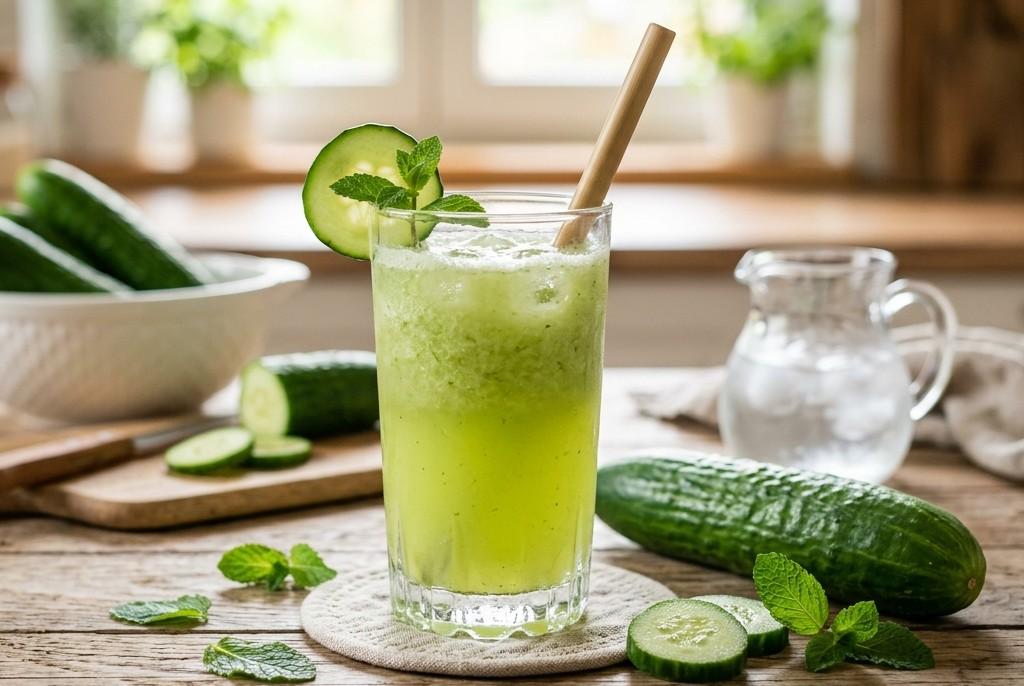
Cucumber juice is one of the simplest and most refreshing beverages you can add to a healthy lifestyle. Made by extracting the liquid from fresh cucumbers, this naturally hydrating drink is low in calories yet rich in water, vitamins, minerals, and plant compounds. Whether you’re looking to stay hydrated during summer, support healthy skin, improve digestion, or increase your daily vegetable intake, cucumber juice can be a nutritious addition to a balanced diet.
Although cucumber juice is often promoted as a “detox drink,” its real benefits come from its impressive hydration, antioxidant content, and valuable nutrients rather than any miracle cleansing effect.
In this guide, you’ll learn everything about cucumber juice, including its nutrition facts, science-backed health benefits, possible side effects, preparation methods, storage tips, and who should or should not drink it.
What is Cucumber Juice?
Cucumber juice is a refreshing beverage prepared by blending or juicing fresh cucumbers and straining the pulp if desired. It can be consumed plain or combined with ingredients such as lemon, mint, ginger, celery, apple, or spinach for added flavor and nutritional value.
Since cucumbers contain about 95–96% water, the juice is naturally hydrating while remaining very low in calories. It also contains antioxidants like flavonoids, cucurbitacins, and lignans that may help protect cells from oxidative stress.
Nutrition Facts of Cucumber Juice
| Nutrient | Amount (Per 240 ml) |
|---|---|
| Calories | 15–20 kcal |
| Water | 230–235 g |
| Carbohydrates | 3–4 g |
| Natural Sugars | 1.5–2 g |
| Dietary Fiber | <1 g |
| Protein | 0.7–1 g |
| Fat | 0.2 g |
| Potassium | 150–170 mg |
| Vitamin K | 15–20 mcg |
| Vitamin C | 3–5 mg |
| Magnesium | 12–15 mg |
| Calcium | 15–20 mg |
| Folate | 10–15 mcg |
| Sodium | 2–5 mg |
Values vary depending on cucumber variety and preparation method.
20 Proven Health Benefits of Cucumber Juice
- Excellent Hydration: Its high water content helps maintain hydration, especially during hot weather or after exercise.
- Low-Calorie Beverage: Cucumber juice provides hydration with very few calories, making it suitable for weight management.
- Supports Healthy Skin: Vitamin C, silica, and antioxidants may contribute to healthier-looking skin.
- Provides Antioxidants: Natural compounds like flavonoids help reduce oxidative stress in the body.
- May Support Heart Health: Potassium helps maintain healthy blood pressure by balancing sodium levels.
- Helps Maintain Blood Pressure: Drinking cucumber juice alongside a healthy diet may support normal blood pressure.
- Supports Bone Health: Vitamin K contributes to healthy bones and proper blood clotting.
- Promotes Healthy Digestion: The water content supports smooth digestion and regular bowel movements.
- May Reduce Mild Bloating: Hydration and potassium may help reduce temporary water retention.
- Supports Kidney Function: Adequate fluid intake helps maintain normal kidney function in healthy individuals.
- May Aid Weight Loss: Replacing sugary beverages with cucumber juice can reduce calorie intake.
- Supports Immune Health: Vitamin C contributes to normal immune system function.
- Helps Maintain Electrolyte Balance: Potassium and magnesium support fluid and electrolyte balance.
- May Help Reduce Inflammation: Plant compounds found in cucumbers may have mild anti-inflammatory properties.
- Supports Healthy Aging: Antioxidants help protect cells from free radical damage.
- May Improve Exercise Recovery: Rehydration after physical activity can support recovery.
- Supports Eye Health: Hydration may help maintain normal tear production and eye comfort.
- May Help Control Appetite: Drinking cucumber juice before meals may increase fullness due to its water content.
- Naturally Refreshing Alternative: It replaces sugar-sweetened beverages with a healthier option.
- Easy Way to Increase Vegetable Intake: Drinking cucumber juice can help people consume more vegetables daily.
10 Side Effects of Cucumber Juice
- Excessive Urination: Drinking large amounts may increase urination because of its high water content.
- Digestive Discomfort: Some people may experience bloating or stomach upset after consuming large quantities.
- Allergic Reactions: Individuals allergic to cucumbers or related plants may develop itching or swelling.
- May Interact with Blood Thinners: Vitamin K may affect people taking anticoagulant medications.
- Possible Low Blood Pressure: Excessive intake may contribute to lower blood pressure in susceptible individuals.
- Blood Sugar Considerations: Homemade juice without added sugar is generally low in sugar, but mixed juices may contain more carbohydrates.
- Pesticide Exposure: Non-organic cucumbers should be washed thoroughly before juicing.
- May Trigger Oral Allergy Syndrome: People allergic to ragweed pollen may experience mouth itching.
- Possible Kidney Concerns: Individuals with advanced kidney disease should monitor potassium intake under medical advice.
- Nutrient Loss from Straining: Removing pulp reduces dietary fiber content.
How to Make Cucumber Juice at Home?
Ingredients:
- 2 medium fresh cucumbers
- ½ lemon (optional)
- Fresh mint leaves (optional)
- Small piece of ginger (optional)
- Ice cubes
Instructions:
- Wash cucumbers thoroughly.
- Peel if desired (keeping the peel increases nutrients).
- Chop into small pieces.
- Blend until smooth.
- Strain if you prefer a smoother juice.
- Add lemon juice or mint if desired.
- Serve immediately over ice.
Tips for Consuming Cucumber Juice
- Drink freshly prepared juice for maximum nutrients.
- Leave the peel on after washing thoroughly.
- Avoid adding refined sugar.
- Combine with lemon or ginger for extra flavor.
- Consume as part of a balanced diet.
- Pair with protein-rich breakfasts for better satiety.
- Use chilled cucumbers for a refreshing drink.
- Choose firm, fresh cucumbers without soft spots.
Other Uses of Cucumber Juice
- Natural facial toner.
- Cooling face mist.
- Homemade face masks.
- Added to smoothies.
- Frozen into ice cubes for drinks.
- Base for detox-style infused water.
- Used in healthy popsicles.
- Mixed into salad dressings.
- Added to green soups.
- Ingredient in refreshing mocktails.
How Much Cucumber Juice Can You Drink in a Day?
For most healthy adults, 1–2 cups (240–480 ml) of fresh cucumber juice per day is generally considered a reasonable amount as part of a balanced diet.
Start with smaller portions if you’re trying it for the first time. People with kidney disease, low blood pressure, or those taking certain medications should consult a healthcare professional before consuming large amounts regularly.
Best Time to Drink Cucumber Juice
- Morning on an empty stomach for hydration.
- Before breakfast as part of a healthy routine.
- Before workouts for hydration.
- After exercise to replace fluids.
- Between meals as a refreshing snack.
- During hot summer afternoons.
- Before dinner if replacing sugary beverages.
Who Should Drink Cucumber Juice?
- People Needing Better Hydration: Its high water content helps increase daily fluid intake.
- Individuals Managing Weight: The low-calorie drink supports healthy eating habits.
- Athletes: It helps replenish fluids after exercise.
- Office Workers: It provides refreshing hydration during long working hours.
- Older Adults: It may help support hydration, which often declines with age.
- People with Low Vegetable Intake: It offers an easy way to consume more vegetables.
- Those Following Healthy Diets: It fits well into Mediterranean and plant-rich diets.
- Individuals Looking for Sugar-Free Drinks: Homemade cucumber juice contains very little natural sugar.
- People with Active Lifestyles: It supports hydration throughout the day.
- Those Seeking Healthy Skin: Proper hydration contributes to healthy skin appearance.
Who Should Avoid Cucumber Juice?
- People Allergic to Cucumbers: They should avoid cucumber juice completely.
- Individuals Taking Blood Thinners: They should maintain consistent vitamin K intake and consult their healthcare provider.
- People with Advanced Kidney Disease: Potassium intake may need medical supervision.
- Individuals with Frequent Digestive Sensitivity: Large amounts may worsen bloating.
- Those with Very Low Blood Pressure: Excessive intake may not be appropriate.
- People with Oral Allergy Syndrome: It may trigger itching or irritation.
- Infants Under Six Months: Cucumber juice is not recommended as a primary drink.
- Anyone Experiencing Side Effects: Stop consumption and seek medical advice if symptoms occur.
How to Store Cucumber Juice?
- Refrigerate Immediately: Store fresh juice within two hours of preparation.
- Use Airtight Glass Bottles: This helps reduce oxidation.
- Consume Within 24–48 Hours: Fresh juice tastes best when consumed quickly.
- Avoid Room Temperature Storage: Bacteria multiply faster at warm temperatures.
- Shake Before Drinking: Natural separation is normal.
- Freeze for Longer Storage: Freeze in ice cube trays for smoothies or recipes.
- Keep Away from Sunlight: Light may reduce certain nutrients.
- Discard if Spoiled: Do not drink juice with an unusual odor or appearance.
Precautions and Interactions
Although cucumber juice is generally safe for healthy individuals, moderation is important.
- Wash cucumbers thoroughly to reduce pesticide residue.
- Drink freshly prepared juice whenever possible.
- Avoid replacing whole vegetables entirely, since juicing reduces fiber.
- People taking blood-thinning medications should maintain consistent vitamin K intake.
- Individuals with kidney disease should consult their physician before increasing intake.
- Pregnant and breastfeeding women can generally enjoy cucumber juice as part of a balanced diet, provided it is prepared hygienically.
- Avoid adding excessive salt or sugar.
- Homemade juice is preferable to commercially sweetened varieties.
FAQ’s
Can I drink cucumber juice every day?
Yes, most healthy adults can drink 1–2 cups of fresh cucumber juice daily as part of a balanced diet.
Is cucumber juice good for weight loss?
Yes. It is naturally low in calories and can replace sugary drinks, making it a healthy choice for weight management.
Does cucumber juice detox the body?
There is no scientific evidence that cucumber juice “detoxes” the body. However, staying hydrated supports the body’s natural detoxification processes through the kidneys and liver.
Is cucumber juice good for the skin?
Yes. Its water content, vitamin C, and antioxidants help support healthy, hydrated skin.
Can cucumber juice help lower blood pressure?
Its potassium content may help support healthy blood pressure when consumed as part of an overall heart-healthy diet.
Should I peel cucumbers before juicing?
Not necessarily. Keeping the peel on adds extra nutrients and antioxidants, but wash the cucumber thoroughly before juicing.
Can I drink cucumber juice on an empty stomach?
Yes. Many people enjoy drinking fresh juice in the morning on an empty stomach for hydration.
Is cucumber juice safe during pregnancy?
Yes, freshly prepared cucumber juice is generally safe during pregnancy when consumed in moderation and prepared hygienically. Consult your healthcare provider if you have specific concerns.
Is cucumber juice safe for children?
Yes. Children can drink small amounts of fresh juice as part of a balanced diet, but whole cucumbers are a better source of dietary fiber.
Can people with diabetes drink cucumber juice?
Yes. Unsweetened juice is naturally low in carbohydrates and can fit into a diabetes-friendly diet. Avoid adding sugar or sweetened fruit juices.
Does cucumber juice contain a lot of sugar?
No. Fresh juice contains only small amounts of natural sugar and is much lower in sugar than most fruit juices.
How long does fresh cucumber juice last?
Fresh juice is best consumed immediately but can be stored in an airtight container in the refrigerator for up to 24–48 hours.
What can I mix with cucumber juice?
You can mix cucumber juice with lemon, mint, ginger, celery, spinach, parsley, or green apple for extra flavor and nutrients.
Can cucumber juice improve digestion?
Yes. Its high water content supports healthy digestion and may help relieve mild constipation when combined with a fiber-rich diet.
Is cucumber juice better than eating whole cucumbers?
Whole cucumbers are generally more nutritious because they contain more dietary fiber. Juice is an excellent option for hydration but should not completely replace whole vegetables.
Can I freeze cucumber juice?
Yes. You can freeze cucumber juice in airtight containers or ice cube trays for up to 2–3 months. Thaw it in the refrigerator before use.
What does Cucumber Juice taste like?
Juice has a light, crisp, refreshing, and mildly sweet taste with a clean, cooling flavor. Adding lemon, mint, or ginger can make it even more refreshing.
How long does it take for Cucumber Juice to work?
The hydrating effects of juice begin almost immediately after drinking it. However, noticeable benefits for skin, digestion, or overall wellness typically require regular consumption as part of a healthy diet and lifestyle over several weeks.
What does Cucumber Juice smell like?
Fresh cucumber juice has a mild, clean, earthy aroma with a slightly grassy scent. It is not overpowering and smells fresh and cooling.
What is Cucumber Juice good for?
Juice is good for hydration, supporting healthy skin, aiding digestion, providing antioxidants, promoting heart health, maintaining electrolyte balance, and replacing sugary beverages with a low-calorie, nutrient-rich drink.
Sources / References:
- U.S. Department of Agriculture (USDA) FoodData Central
- Harvard T.H. Chan School of Public Health – The Nutrition Source
- National Institutes of Health (NIH)
- Academy of Nutrition and Dietetics
- World Health Organization (WHO)
About the Author:
Written by: Kirti Solanki (Health Content Researcher)
Kirti Solanki is a Health Content Researcher who creates evidence-based, reader-friendly articles on nutrition, wellness, healthy foods, and preventive healthcare. Her content is developed using trusted scientific resources and reputable health organizations to provide accurate, practical, and easy-to-understand health information.
Disclaimer:
This guide is intended for educational and informational purposes only and should not be considered medical advice. It does not replace diagnosis, treatment, or recommendations from a qualified healthcare professional. Always consult your doctor or registered dietitian before making significant dietary or lifestyle changes, especially if you have a medical condition, are pregnant, breastfeeding, or take prescription medications.
Also Read: