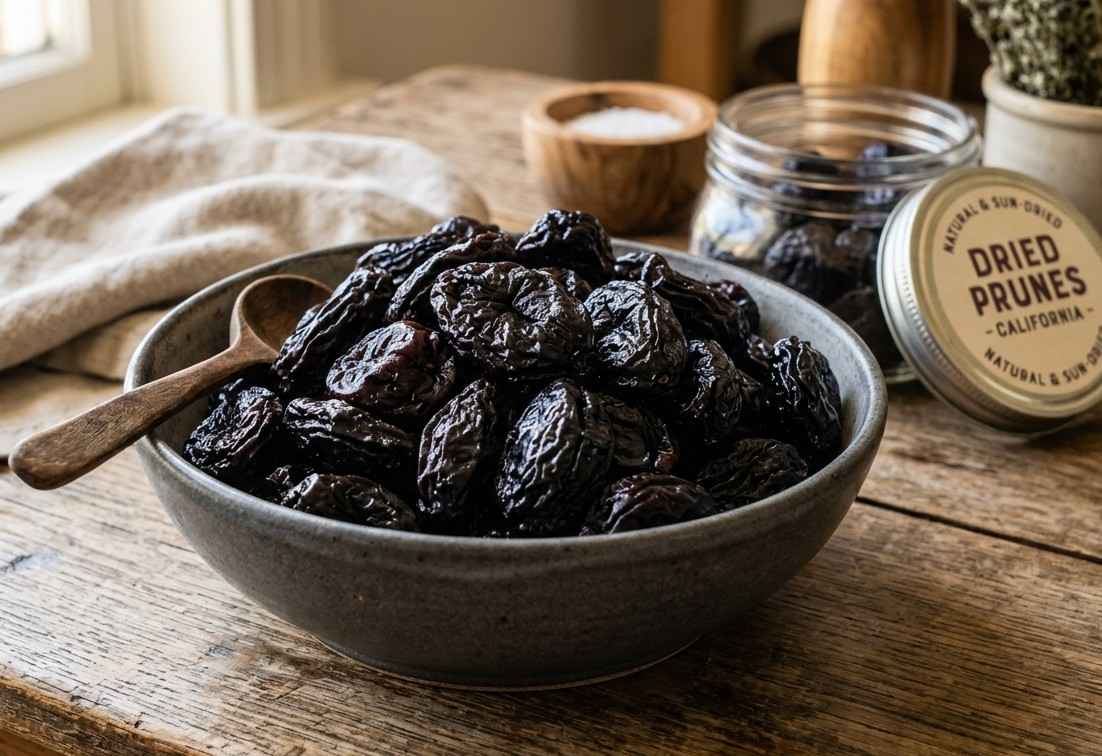
Dried prunes, often simply called prunes, are one of the most underrated superfoods in the world of natural health. Known for their sweet taste and powerful digestive benefits, these wrinkled fruits are actually dried versions of plums and have been used for centuries in traditional diets and remedies.
In this guide, you’ll discover everything about dried prunes—from their nutritional profile and science-backed health benefits to how to consume, store, and use them effectively in your daily life.
What is Dried Prunes?
Dried prunes are dehydrated plums, typically from specific varieties like European plums that are ideal for drying due to their high sugar content and firm flesh. The drying process removes most of the water content while concentrating nutrients, fiber, and natural sugars.
Unlike many dried fruits, prunes are unique because they do not require fermentation or added sugar to preserve them. They naturally contain compounds that help extend shelf life.
Prunes are soft, chewy, and naturally sweet with a slightly tangy undertone. They are widely recognized for supporting digestive health but offer far more benefits than that.
Nutrition Facts of Dried Prunes (Per 100g)
| Nutrient | Amount |
|---|---|
| Calories | 240 kcal |
| Carbohydrates | 64 g |
| Natural Sugars | 38 g |
| Dietary Fiber | 7 g |
| Protein | 2.2 g |
| Fat | 0.4 g |
| Potassium | 732 mg |
| Iron | 0.9 mg |
| Magnesium | 41 mg |
| Vitamin K | 60 mcg |
| Vitamin A | 781 IU |
| Vitamin C | 0.6 mg |
Prunes are especially rich in fiber, potassium, and antioxidants, making them a nutrient-dense addition to any diet.
20 Proven Health Benefits of Dried Prunes
1. Supports Digestive Health
Prunes are rich in dietary fiber and sorbitol, which help regulate bowel movements and relieve constipation naturally.
2. Prevents Constipation
They act as a mild natural laxative, improving stool consistency and frequency.
3. Promotes Gut Health
Prunes nourish beneficial gut bacteria, improving overall digestive balance.
4. Boosts Bone Health
Regular consumption may help prevent bone loss due to their high vitamin K and mineral content.
5. Rich in Antioxidants
They contain polyphenols that combat oxidative stress and inflammation.
6. Improves Heart Health
Potassium helps regulate blood pressure and supports cardiovascular health.
7. Helps Manage Weight
High fiber content promotes satiety and reduces overeating.
8. Regulates Blood Sugar
Despite their sweetness, prunes have a low glycemic index when consumed in moderation.
9. Improves Skin Health
Antioxidants help slow down skin aging and improve complexion.
10. Supports Eye Health
Vitamin A content contributes to better vision and eye protection.
11. Boosts Energy Levels
Natural sugars provide quick and sustained energy.
12. Prevents Anemia
Iron content supports red blood cell production.
13. Reduces Inflammation
Anti-inflammatory compounds may help reduce chronic inflammation.
14. Supports Brain Health
Antioxidants may protect against cognitive decline.
15. Improves Liver Function
Prunes may support detoxification processes.
16. Strengthens Immunity
Nutrients and antioxidants boost immune defense.
17. Helps Maintain Healthy Cholesterol Levels
Fiber helps reduce LDL cholesterol.
18. Supports Hormonal Balance
Micronutrients contribute to overall hormonal health.
19. Aids in Detoxification
Fiber and antioxidants help cleanse the body.
20. Enhances Overall Longevity
Regular intake contributes to long-term health and wellness.
10 Side Effects of Dried Prunes
1. Digestive Discomfort
Excess consumption may cause bloating or gas.
2. Diarrhea
High sorbitol content can lead to loose stools.
3. High Sugar Intake
Overeating may increase calorie and sugar intake.
4. Weight Gain
Excessive consumption can contribute to weight gain.
5. Allergic Reactions
Rare but possible in sensitive individuals.
6. Kidney Issues
High potassium may not be suitable for those with kidney problems.
7. Tooth Decay
Sticky sugars can harm dental health if oral hygiene is poor.
8. Interaction with Medications
May interfere with certain laxatives or medications.
9. Blood Sugar Spikes
Overconsumption may affect diabetics.
10. Dehydration Risk
Excess fiber without enough water can worsen constipation.
How to Make Dried Prunes?
Method 1: Sun Drying
- Wash and cut ripe plums in half.
- Remove the pits.
- Place them under direct sunlight for several days.
- Turn occasionally for even drying.
Method 2: Oven Drying
- Preheat oven to 80–90°C.
- Place halved plums on a tray.
- Dry for 8–12 hours until shriveled.
Method 3: Dehydrator
- Arrange plums evenly.
- Set temperature to 55–60°C.
- Dry for 10–18 hours.
How to Eat Dried Prunes?
- Eat them as a snack
- Add to smoothies
- Mix into oatmeal or cereal
- Include in salads
- Use in baking (cakes, muffins)
- Cook in savory dishes like stews
Tips for Consuming Dried Prunes
- Start with small quantities if new to prunes
- Drink plenty of water
- Combine with other fruits and nuts
- Avoid overeating
- Choose unsweetened, preservative-free prunes
Other Uses of Dried Prunes
- Natural sweetener in recipes
- Ingredient in jams and chutneys
- Face masks for skin hydration (DIY)
- Used in traditional remedies for digestion
- Added to sauces for depth of flavor
How Much Dried Prunes Can You Eat in a Day?
A moderate intake is recommended:
- Adults: 4–6 prunes per day
- For constipation relief: 6–10 prunes (under guidance)
Excess intake should be avoided to prevent side effects.
Best Time to Eat Dried Prunes
- Morning: Supports digestion and energy
- Before bed: May help with bowel movement next day
- Between meals: Healthy snack option
Who Should Eat Dried Prunes?
- People with constipation
- Individuals needing more fiber
- Those with low potassium levels
- Athletes needing quick energy
- Older adults for bone health
Who Should Avoid Dried Prunes?
- Individuals with severe digestive sensitivity
- People with kidney disease (due to potassium)
- Diabetics (if not monitored)
- Those on specific medications
How to Store Dried Prunes?
- Store in an airtight container
- Keep in a cool, dry place
- Refrigerate for longer shelf life
- Avoid exposure to moisture
- Use within 6–12 months for best quality
Precautions and Interactions
- Consult a healthcare provider if on medication
- Avoid combining with strong laxatives
- Monitor intake if diabetic
- Drink enough water to aid digestion
- Introduce gradually into diet
Conclusion
Dried prunes are far more than just a remedy for constipation—they are a nutrient-rich superfood that supports digestion, heart health, bone strength, and overall well-being. With their natural sweetness and versatility, they can easily be incorporated into a balanced diet.
FAQ’s
What are dried prunes made from?
Dried prunes are made from fresh plums that have been dehydrated naturally using sunlight, ovens, or dehydrators.
Are dried prunes good for digestion?
Yes, they are well known for improving digestion due to their high fiber and natural sorbitol content, which helps promote regular bowel movements.
Can I eat prunes every day?
Yes, eating prunes daily is safe when consumed in moderate amounts and as part of a balanced diet.
Do dried prunes help with constipation quickly?
They can provide relief within a few hours to a day, depending on your digestive system and water intake.
Are prunes high in sugar?
Yes, prunes contain natural sugars, so portion control is important, especially for people monitoring blood sugar levels.
Are dried prunes good for weight loss?
They can support weight loss when eaten in moderation, as their fiber helps keep you full and reduces overeating.
Can diabetics eat dried prunes?
Yes, but in limited quantities and under medical guidance, since prunes contain natural sugars.
Can prunes cause diarrhea?
Yes, eating too many prunes can lead to diarrhea due to their natural laxative effect.
Are prunes good for bone health?
Yes, they contain vitamin K, potassium, and antioxidants that may help support strong bones.
Do prunes help in detoxification?
Yes, their fiber and antioxidants support the body’s natural detox processes.
Can children eat dried prunes?
Yes, in small quantities. They are often given to help relieve mild constipation in children.
Are prunes better than other dried fruits?
Prunes are particularly beneficial for digestion, but all dried fruits have their own nutritional advantages.
Are dried prunes good for skin?
Yes, antioxidants in prunes may help improve skin health and reduce signs of aging.
Is dried prunes safe for pregnant women?
Yes, dried prunes are generally safe during pregnancy when eaten in moderation. They are especially helpful for relieving constipation, a common issue during pregnancy. However, excessive intake may cause diarrhea or discomfort, so it’s best to consume them in small amounts and consult a healthcare provider if unsure.
What is dried prunes good for?
Dried prunes are best known for supporting digestive health, but they also help improve bone strength, support heart health, boost energy, and provide antioxidants that protect the body from damage.
What does dried prunes taste like?
Dried prunes have a naturally sweet, rich flavor with a slight tanginess. Their texture is soft, chewy, and slightly sticky, making them enjoyable as a snack or ingredient in recipes.
Also Read: