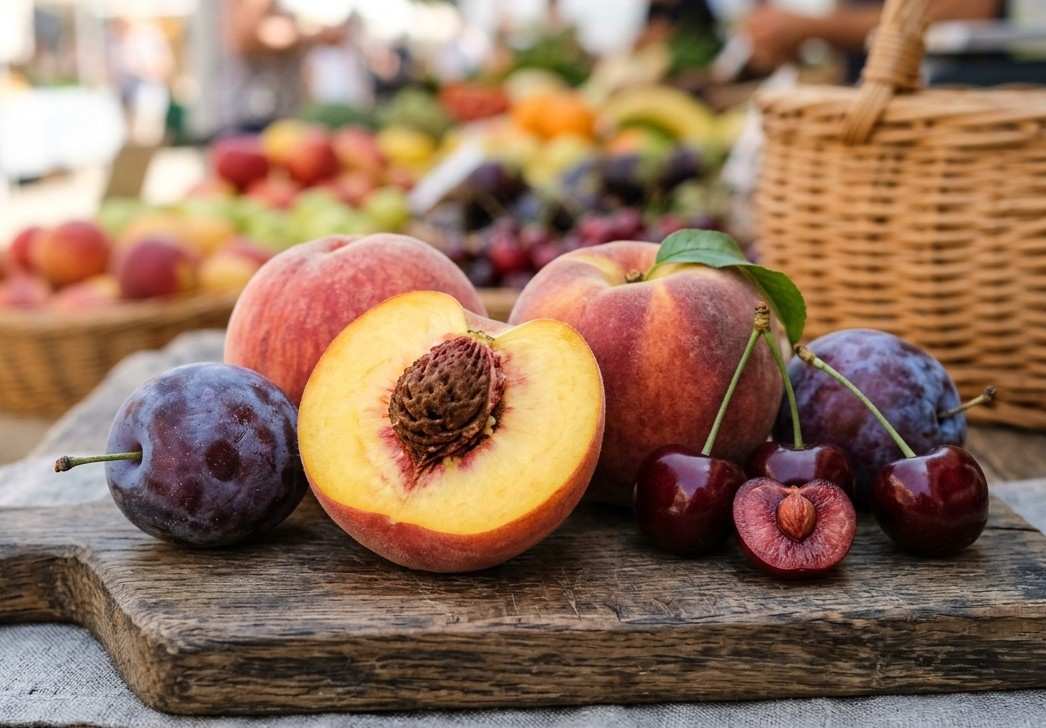
Drupe is a fascinating category of fruit known for its fleshy outer part and hard stone or pit inside. Many of the world’s favorite fruits belong to the drupe family, including peaches, cherries, plums, mangoes, olives, apricots, and coconuts. These fruits are not only delicious but also packed with vitamins, minerals, antioxidants, and fiber that support overall health.
Drupes are widely consumed fresh, dried, juiced, or used in desserts, sauces, jams, oils, and traditional remedies. Their sweet or tangy flavor and nutrient-rich profile make them an important part of balanced diets around the world.
This guide explores everything you need to know about drupe fruits, including their nutritional value, science-backed health benefits, side effects, dosage, storage tips, and much more.
What is Drupe?
A drupe is a type of fruit that contains three layers:
- Thin outer skin
- Soft fleshy middle layer
- Hard inner shell or stone that contains a seed
Because of this structure, drupes are often called “stone fruits.”
Common examples of drupes include:
- Peach
- Mango
- Cherry
- Plum
- Coconut
- Olive
- Apricot
- Nectarine
- Almond
Drupes are valued for their refreshing taste, natural sweetness, and impressive nutritional content. Some drupes are eaten raw, while others are processed into oils, beverages, dried snacks, or culinary ingredients.
Nutrition Facts of Drupe Fruit
The nutritional content varies depending on the type of drupe fruit. Below is an approximate nutrition table based on common edible drupes per 100 grams.
| Nutrient | Amount |
|---|---|
| Calories | 50–80 kcal |
| Carbohydrates | 12–20 g |
| Natural Sugars | 8–15 g |
| Dietary Fiber | 2–4 g |
| Protein | 0.5–2 g |
| Fat | 0.2–1 g |
| Vitamin C | 5–20 mg |
| Vitamin A | 200–1000 IU |
| Potassium | 150–300 mg |
| Magnesium | 5–20 mg |
| Calcium | 5–15 mg |
| Iron | 0.2–0.8 mg |
| Antioxidants | Moderate to High |
| Water Content | 75–90% |
20 Proven Health Benefits of Drupe
- Supports Digestion: The fiber in drupe fruits helps improve digestion and supports healthy bowel movements.
- Boosts Immunity: Vitamin C and antioxidants strengthen the immune system and help fight infections.
- Promotes Heart Health: Potassium and plant compounds may help maintain healthy blood pressure and cardiovascular function.
- Improves Skin Glow: Antioxidants and vitamins nourish the skin and may reduce signs of aging.
- Aids Weight Management: Most drupes are naturally low in calories and high in fiber, helping control appetite.
- Hydrates the Body: Many drupe fruits have high water content that supports hydration.
- Supports Eye Health: Vitamin A and carotenoids may help maintain healthy vision.
- Enhances Energy Levels: Natural sugars provide quick and healthy energy for daily activities.
- Reduces Oxidative Stress: Antioxidants help protect cells from free radical damage.
- Supports Bone Strength: Certain drupes contain minerals like calcium and magnesium that support bones.
- Improves Gut Health: Fiber feeds beneficial gut bacteria and supports a balanced microbiome.
- Helps Regulate Blood Pressure: Potassium may help reduce the effects of excess sodium in the body.
- Supports Brain Function: Antioxidants and healthy nutrients may help cognitive performance and memory.
- Promotes Healthy Hair: Vitamins and minerals in drupes may strengthen hair and support scalp health.
- May Reduce Inflammation: Polyphenols and antioxidants can help lower inflammation in the body.
- Supports Healthy Pregnancy: Folate and vitamins found in some drupes may support fetal development.
- Improves Metabolism: Nutrient-rich drupes help support overall metabolic activity.
- Helps Detoxification: Water and antioxidants may support the body’s natural detox processes.
- Supports Healthy Aging: Nutrients in drupe fruits may help maintain cellular health as you age.
- May Lower Disease Risk: Regular fruit intake is associated with reduced risk of chronic diseases.
10 Side Effects of Drupe Fruit
- May Cause Allergic Reactions: Some individuals may experience itching, swelling, or allergies from certain drupes.
- Can Increase Blood Sugar: Excessive intake of sweet drupes may affect blood glucose levels.
- May Cause Digestive Upset: Eating too many drupes can lead to bloating or diarrhea.
- Risk of Weight Gain: Overconsumption of calorie-dense drupes like coconut may contribute to weight gain.
- Possible Pesticide Exposure: Non-organic fruits may contain pesticide residues if not washed properly.
- May Trigger Kidney Issues: High potassium fruits may not suit people with kidney disorders.
- Can Cause Tooth Sensitivity: Acidic drupes may affect tooth enamel in sensitive individuals.
- Risk of Choking: Seeds or pits can be dangerous if accidentally swallowed.
- May Interact with Medications: Some fruits may interact with blood pressure or diabetes medicines.
- Could Cause Stomach Pain: Sensitive individuals may experience cramps after overeating drupe fruits.
How to Eat Drupe Fruit?
There are many delicious ways to enjoy drupe fruits:
- Eat fresh and ripe as a snack
- Add sliced drupes to salads
- Blend into smoothies or juices
- Use in desserts and baked dishes
- Make jams, chutneys, or sauces
- Dry them for healthy snacks
- Add to yogurt or oatmeal
- Use coconut or olive drupes in cooking
- Freeze for refreshing treats
- Include in fruit bowls and breakfast recipes
Tips for Consuming Drupe
- Wash fruits thoroughly before eating
- Choose ripe and fresh drupes
- Avoid consuming damaged or spoiled fruits
- Remove pits before serving to children
- Pair with nuts or yogurt for balanced nutrition
- Consume in moderation for better digestion
- Prefer seasonal and organic options when possible
- Refrigerate cut fruits promptly
- Drink enough water with high-fiber fruits
- Rotate different drupe varieties for diverse nutrients
Other Uses of Drupe Fruit
- Used in Cooking: Drupes are widely used in savory dishes, desserts, and sauces.
- Made into Oils: Olive and coconut drupes are processed into popular cooking oils.
- Used in Cosmetics: Fruit extracts and oils are added to skincare and haircare products.
- Prepared as Dried Snacks: Dried plums and apricots are nutritious snack options.
- Used in Traditional Medicine: Some drupes are used in herbal and folk remedies.
- Made into Beverages: Drupes are commonly used in juices, wines, and smoothies.
- Used in Baking: Peaches, cherries, and plums are popular in cakes and pies.
- Animal Feed Applications: Certain drupe by-products are used as livestock feed.
- Decorative Purposes: Coconut shells and pits are sometimes used in crafts.
- Used in Aromatherapy: Oils from drupe fruits are utilized in wellness and massage products.
How Much Drupe Can You Eat in a Day?
The ideal amount depends on the type of drupe and individual health needs. In general:
- 1–2 cups of fresh drupe fruits daily is considered moderate for most adults
- Dried drupes should be eaten in smaller portions because they are concentrated in sugar and calories
- High-fat drupes like coconut should be consumed carefully in balanced diets
- People with diabetes should monitor portion sizes
Moderation is the key to enjoying the health benefits without unwanted side effects.
Recommended daily intake examples:
| Drupe Type | Suggested Daily Intake |
|---|---|
| Cherries | 1 cup |
| Peaches | 1–2 medium fruits |
| Mango | 1 cup sliced |
| Plums | 2–3 fruits |
| Apricots | 3–5 fresh fruits |
| Olives | 5–10 olives |
| Coconut Meat | ¼–½ cup |
These are general recommendations and may vary according to age, activity level, and health condition.
Best Time to Eat Drupe Fruit
Morning
Eating drupe fruits in the morning provides natural energy and hydration.
Before Workouts
Natural sugars can help fuel exercise and physical activity.
As a Midday Snack
Drupes make a refreshing and healthy alternative to processed snacks.
After Meals
Fiber-rich drupes may support digestion when consumed after meals in moderate amounts.
Summer Season
Many drupes are especially refreshing during hot weather due to their water content.
Who Should Eat Drupe?
- Active Individuals: Natural carbohydrates help provide energy for physical activities.
- People Seeking Weight Control: Fiber-rich drupes may help increase fullness.
- Children: Nutrients in drupes support healthy growth and development.
- Older Adults: Vitamins and antioxidants may support healthy aging.
- Athletes: Potassium and natural sugars aid recovery and hydration.
- People with Constipation: Fiber can help improve bowel regularity.
- Pregnant Women: Many drupes provide vitamins beneficial during pregnancy.
- People with Dry Skin: Healthy nutrients may support skin hydration.
- Vegetarians: Drupes add valuable nutrients to plant-based diets.
- Health-Conscious Individuals: They are excellent additions to balanced eating plans.
Who Should Not Eat Drupe?
- People with Fruit Allergies: Certain drupes may trigger allergic reactions.
- Individuals with Kidney Disease: High-potassium drupes may not be suitable in excess.
- Diabetics Without Portion Control: Sweet drupes can affect blood sugar if overeaten.
- People with Sensitive Digestion: Excess fruit intake may cause bloating or discomfort.
- Individuals on Restricted Diets: Some medical diets limit fruit intake.
- People with Fructose Intolerance: Natural fruit sugars may trigger symptoms.
- Infants Without Supervision: Hard pits can present choking hazards.
- People Taking Certain Medicines: Fruit compounds may interact with medications.
- Individuals with Severe Acid Reflux: Acidic drupes may worsen symptoms.
- People with Oral Sensitivity: Some fruits may irritate the mouth or gums.
How to Store Drupe Fruit?
- Store at Room Temperature: Unripe drupes can ripen naturally on the kitchen counter.
- Refrigerate Ripe Fruits: Cooling helps extend freshness and shelf life.
- Keep Away from Moisture: Excess moisture can speed up spoilage.
- Use Airtight Containers: Cut drupes stay fresher in sealed containers.
- Freeze for Long-Term Storage: Frozen drupes work well in smoothies and desserts.
- Avoid Direct Sunlight: Heat can quickly damage ripe fruits.
- Separate Damaged Fruits: Spoiled fruits can affect nearby produce.
- Wash Before Eating, Not Storing: Washing too early may increase moisture buildup.
- Use Paper Bags for Ripening: This helps trap ethylene gas and speeds ripening.
- Consume Quickly After Cutting: Fresh-cut fruits lose quality over time.
Precautions and Interactions
- Monitor Sugar Intake: Sweet drupes should be eaten carefully by diabetics.
- Avoid Eating Pits: Some pits contain harmful compounds and should not be consumed.
- Check for Allergies: Stop consumption if allergic symptoms appear.
- Consult a Doctor During Illness: People with chronic conditions should seek medical advice.
- Be Careful with Medication Interactions: Certain fruits may influence medicine absorption.
- Wash Thoroughly Before Eating: This reduces dirt and pesticide residues.
- Do Not Overeat Dried Drupes: Concentrated sugars and calories may cause problems.
- Introduce Slowly to Children: Start with small amounts to monitor reactions.
- Choose Fresh and High-Quality Fruits: Poor-quality fruits may contain mold or bacteria.
- Practice Portion Control: Moderate intake supports healthier digestion and nutrition.
Conclusion
Drupe fruits are among the most nutritious and flavorful foods found in nature. From peaches and cherries to mangoes and olives, these stone fruits provide essential vitamins, antioxidants, fiber, and hydration that support overall wellness.
Regular and moderate consumption of drupes may benefit digestion, heart health, skin, immunity, and energy levels. However, like all foods, they should be consumed mindfully to avoid excessive sugar intake or digestive discomfort.
FAQ’s
Is Drupe safe for pregnant women?
Yes, most drupe fruits are safe for pregnant women when eaten in moderation as part of a balanced diet. They provide vitamins, fiber, hydration, and antioxidants that may support maternal and fetal health.
What is Drupe good for?
Drupe fruits are good for digestion, immunity, heart health, skin support, hydration, and overall nutrition due to their vitamins, minerals, antioxidants, and fiber content.
What does Drupe taste like?
The taste of drupe fruits varies by type, but most are sweet, juicy, mildly tangy, or creamy. Examples include the sweetness of mangoes and peaches or the slightly tart flavor of cherries and plums.
Is drupe healthy?
Yes, most drupe fruits are rich in vitamins, antioxidants, fiber, and minerals that support overall health.
Can I eat drupe every day?
Yes, moderate daily consumption of drupe fruits is generally safe and beneficial for most people.
Are drupes good for weight loss?
Many drupes are low in calories and high in fiber, which may help support weight management.
Are drupes high in sugar?
Some drupes naturally contain moderate amounts of sugar, especially ripe mangoes and cherries.
Is drupe safe for children?
Yes, drupe fruits are usually safe for children when served properly without pits or hard seeds.
Can diabetics eat drupe fruits?
Yes, diabetics can eat drupes in moderation while monitoring portion sizes and blood sugar levels.
Can drupe improve digestion?
Yes, the fiber in drupe fruits may help support healthy digestion and bowel regularity.
Are dried drupes healthy?
Dried drupes can be nutritious but should be eaten in moderation because they contain concentrated sugars and calories.
Can drupe help skin health?
The vitamins and antioxidants in drupe fruits may help support healthier and glowing skin.
Are drupe pits edible?
Most drupe pits should not be eaten because some contain harmful compounds and can be difficult to digest.
Are drupes acidic?
Some drupes, such as cherries and plums, can be mildly acidic.
Can drupe fruits cause allergies?
Yes, certain people may experience allergic reactions to specific drupe fruits.
Are coconuts considered drupes?
Yes, botanically, coconuts are classified as drupes.
Can drupe fruits be eaten raw?
Yes, most drupes are commonly eaten fresh and raw.
Are drupes good for hydration?
Many drupe fruits have high water content that may help keep the body hydrated.
Which drupe is the healthiest?
Different drupes offer different nutrients, but cherries, olives, mangoes, and peaches are often considered highly nutritious.
Also Read: