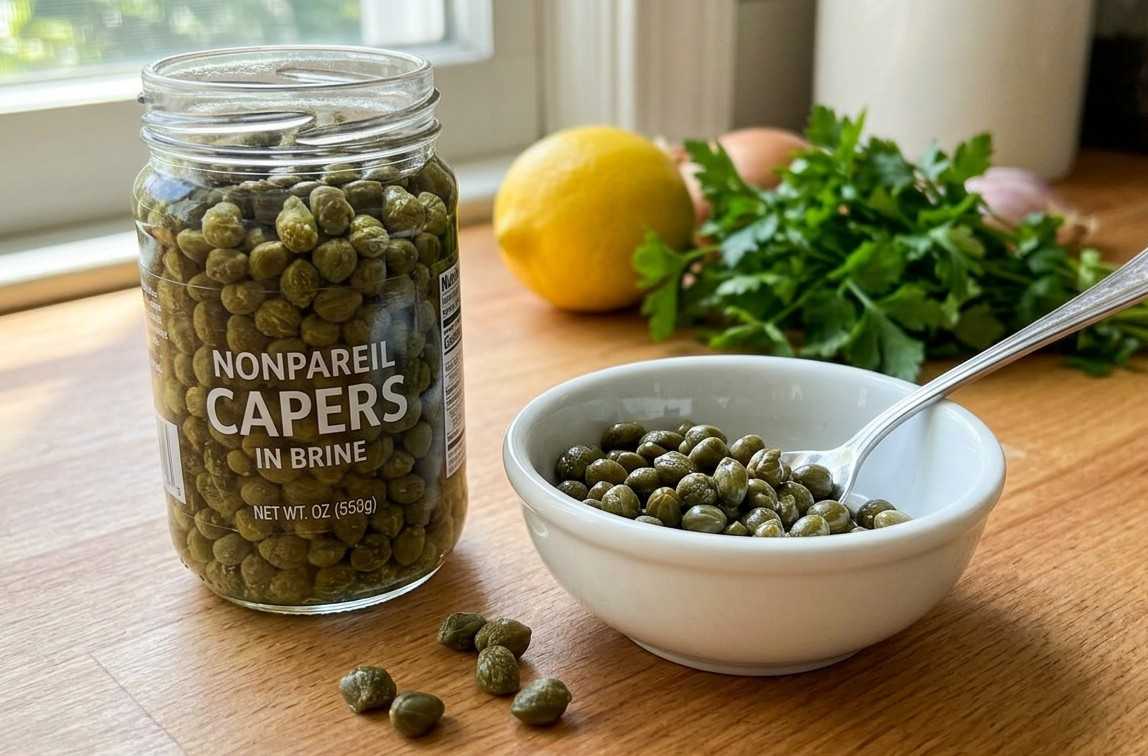
Capers are tiny flower buds that pack a surprisingly bold flavor and an impressive nutritional profile. Commonly used in Mediterranean cuisine, these tangy and salty buds are popular in salads, pasta dishes, sauces, and seafood recipes. Despite their small size, capers contain antioxidants, vitamins, minerals, and plant compounds that may support overall health.
This guide explains everything you need to know about capers, including their nutrition facts, science-backed health benefits, side effects, uses, dosage, storage methods, and precautions.
What Are Capers?
Capers are the unopened flower buds of the caper bush, scientifically known as Capparis spinosa. The plant grows mainly in Mediterranean regions, parts of Asia, and the Middle East. The buds are hand-picked and then preserved in salt, brine, or vinegar before consumption.
Capers have a sharp, lemony, salty, and slightly tangy flavor. They are widely used in Mediterranean, Italian, and Greek cooking. Different varieties of capers are available based on size, with smaller capers generally considered more flavorful and aromatic.
Nutrition Facts of Capers
Below is the approximate nutritional value of 1 tablespoon (about 8–9 grams) of capers.
| Nutrient | Amount |
|---|---|
| Calories | 2 |
| Protein | 0.2 g |
| Carbohydrates | 0.4 g |
| Fiber | 0.3 g |
| Fat | 0.1 g |
| Sodium | 200–240 mg |
| Calcium | 8 mg |
| Iron | 0.3 mg |
| Magnesium | 2 mg |
| Potassium | 8 mg |
| Vitamin K | 6.9 mcg |
| Vitamin A | Small amount |
| Antioxidants | Present |
Capers are low in calories but high in sodium due to the preservation process. They also contain beneficial antioxidants like quercetin and rutin.
20 Proven Health Benefits of Capers
- Rich in Antioxidants: Caper contain powerful antioxidants like quercetin and rutin that help protect cells from oxidative stress.
- Supports Heart Health: The flavonoids in caper may help improve blood circulation and support cardiovascular wellness.
- May Reduce Inflammation: Natural plant compounds in caper may help lower inflammation in the body.
- Supports Digestive Health: The fiber in caper may promote smoother digestion and healthy bowel movements.
- Helps Control Blood Sugar: Some studies suggest caper may help support healthy blood glucose levels.
- Boosts Immune Function: Vitamins and antioxidants in caper may strengthen the immune system.
- Supports Bone Health: Vitamin K and calcium in capers contribute to stronger bones.
- May Improve Skin Health: Antioxidants in caper may help protect skin from premature aging.
- Supports Liver Function: Traditional medicine has used caper to support liver wellness.
- May Aid Weight Management: Capers are low in calories and can add flavor without excess fat or sugar.
- Supports Brain Health: Antioxidants may help reduce oxidative damage linked to cognitive decline.
- May Have Anti-Aging Effects: Plant compounds in caper may help reduce cellular damage associated with aging.
- Supports Healthy Blood Vessels: Rutin in capers may strengthen capillary walls and improve circulation.
- May Help Lower Cholesterol: Certain compounds in caper may support healthy cholesterol levels.
- Supports Eye Health: Antioxidants may help protect eye tissues from free radical damage.
- May Improve Metabolism: Minerals and plant nutrients in caper may support metabolic activity.
- Supports Respiratory Health: Traditional remedies have used caper to support respiratory wellness.
- May Reduce Water Retention: Caper may have mild diuretic properties that help reduce bloating.
- Supports Healthy Hair: Antioxidants and minerals may contribute to healthier hair growth.
- Enhances Flavor Naturally: Caper can improve food taste without adding many calories or sugar.
10 Side Effects of Capers
- High Sodium Content: Excess caper consumption may increase sodium intake and contribute to high blood pressure.
- May Cause Bloating: Some people may experience digestive discomfort or gas after eating capers.
- Risk of Water Retention: High sodium levels may lead to swelling or fluid retention.
- Possible Allergic Reactions: Rare allergic reactions such as itching or rashes may occur.
- May Trigger Stomach Irritation: Sensitive individuals may experience acidity or stomach upset.
- Can Increase Thirst: Salt-preserved caper may cause dehydration or increased thirst.
- Not Ideal for Kidney Disease: High sodium content may not be suitable for people with kidney issues.
- May Interact with Medications: Caper may affect certain blood pressure or diuretic medications.
- Can Cause Headaches in Sensitive People: Excess salt intake from caper may contribute to headaches.
- May Raise Blood Pressure: Overconsumption may negatively affect people with hypertension.
How to Eat Capers?
Capers are versatile and can be added to many dishes for extra flavor.
Popular Ways to Eat Capers:
- Add caper to pasta sauces and salads.
- Sprinkle them over pizza or roasted vegetables.
- Mix caper into tuna, chicken, or potato salad.
- Use them in Mediterranean dips and spreads.
- Pair caper with fish and seafood dishes.
- Blend them into tartar sauce or dressings.
- Add to sandwiches and wraps for tanginess.
- Include in rice bowls and grain salads.
Before eating, some people rinse caper under water to reduce excess saltiness.
Tips for Consuming Capers
- Choose smaller caper for a more delicate flavor.
- Rinse salted caper before use to reduce sodium.
- Use caper in moderation due to their salt content.
- Pair caper with healthy fats like olive oil.
- Store opened jars properly in the refrigerator.
- Add caper at the end of cooking to preserve flavor.
- Combine caper with herbs and lemon for Mediterranean dishes.
- Check labels for sodium content before purchasing.
Other Uses of Capers
- Natural Flavor Enhancer: Capers are commonly used to intensify the flavor of sauces and dressings.
- Traditional Herbal Remedy: Some traditional systems use caper extracts for digestive support.
- Pickling Ingredient: Capers are used in pickled vegetable recipes for tanginess.
- Garnish Option: Chefs use caper as decorative garnishes in gourmet dishes.
- Mediterranean Cooking Staple: Capers are essential in many Italian and Greek recipes.
- Ingredient in Tapenade: Capers are blended into olive spreads and tapenades.
- Savory Snack Addition: Some people add caper to snack boards and appetizers.
- Sauce Ingredient: Capers are commonly included in tartar sauce and remoulade.
- Soup Flavoring: Caper can add depth to soups and stews.
- Seasoning Alternative: Caper may replace extra salt in certain recipes.
How Much Capers Can You Eat in a Day?
Moderation is important when eating capers because of their sodium content.
Most healthy adults can safely consume about 1–2 tablespoons of capers per day as part of a balanced diet. Individuals with high blood pressure, kidney disease, or sodium-sensitive conditions should consume smaller amounts.
There is no official medicinal dosage for caper. Culinary use is the most common form of consumption.
General Dietary Intake:
- Beginners: 1 teaspoon daily
- Moderate Intake: 1 tablespoon daily
- Higher Intake: Up to 2 tablespoons occasionally
People consuming caper supplements or extracts should follow product instructions and consult a healthcare professional.
Best Time to Eat Capers
Caper can be eaten at any time of the day.
Common Timing Suggestions:
- During lunch or dinner in savory dishes
- Before meals in salads or appetizers
- With protein-rich meals like fish or chicken
- As part of Mediterranean-style meals
Avoid eating excessive amounts late at night if you are sensitive to salty foods.
Who Should Eat Capers?
- People Seeking Low-Calorie Flavor: Caper add strong flavor with very few calories.
- Mediterranean Diet Followers: Caper fit well into Mediterranean-style eating plans.
- Individuals Wanting More Antioxidants: Caper contain beneficial plant compounds and flavonoids.
- People Looking to Reduce Added Sauces: Caper can naturally enhance taste without heavy sauces.
- Those Interested in Heart-Friendly Foods: Caper may support cardiovascular wellness when consumed moderately.
- People Enjoying Savory Foods: Their tangy and salty flavor complements many dishes.
- Adults Seeking Variety in Meals: Caper can diversify salads, seafood, and pasta recipes.
- Individuals Interested in Traditional Foods: Caper have a long history in Mediterranean cuisine.
Who Should Not Eat Capers?
- People with High Blood Pressure: The sodium content may worsen hypertension.
- Individuals with Kidney Disease: Excess sodium may strain kidney function.
- People on Low-Sodium Diets: Caper may exceed sodium restrictions.
- Individuals Sensitive to Salt: Salt-sensitive people may experience bloating or headaches.
- People with Severe Digestive Issues: Caper may irritate sensitive stomachs in some cases.
- Individuals Allergic to Capers: Allergic reactions may occur rarely.
- People with Fluid Retention Problems: High sodium may increase swelling.
- Those Taking Certain Medications: Diuretics or blood pressure medications may interact with high sodium intake.
How to Store Capers?
- Refrigerate After Opening: Opened jars should always be stored in the refrigerator.
- Keep Capers Submerged: Ensure caper remain covered in brine or vinegar.
- Use a Clean Spoon: Prevent contamination by using clean utensils.
- Seal the Jar Tightly: Proper sealing helps preserve freshness and flavor.
- Avoid Direct Sunlight: Store unopened jars in a cool, dark place.
- Check Expiration Dates: Avoid consuming expired capers.
- Discard if Odor Changes: Unusual smells may indicate spoilage.
- Do Not Freeze Frequently: Repeated freezing may affect texture and taste.
Precautions and Interactions
- Monitor Sodium Intake: People with hypertension should limit caper consumption.
- Consult a Doctor During Pregnancy: Excess sodium may not be ideal during pregnancy.
- Use Carefully with Diuretics: Caper may influence fluid balance in the body.
- Watch for Allergic Symptoms: Stop use if itching or swelling occurs.
- Avoid Excess Consumption: Too many caper may cause digestive discomfort.
- Check Medication Compatibility: Speak with a healthcare professional if taking blood pressure medicines.
- Drink Enough Water: High-sodium foods may increase dehydration risk.
- Balance with Fresh Foods: Pair caper with fruits and vegetables for a healthier meal balance.
Conclusion
Capers are small but highly flavorful flower buds that offer more than just culinary appeal. They provide antioxidants, vitamins, and beneficial plant compounds that may support heart health, digestion, immunity, and overall wellness. Their bold flavor makes them a valuable ingredient in Mediterranean cuisine and many savory recipes.
However, because capers are high in sodium, moderation is important. People with high blood pressure or kidney issues should be especially cautious. When consumed sensibly as part of a balanced diet, caper can be a delicious and nutritious addition to everyday meals.
FAQ’s
What are capers made from?
Capers are the unopened flower buds of the caper bush (Capparis spinosa), usually preserved in salt, vinegar, or brine.
Are capers healthy?
Yes, caper contain antioxidants, fiber, and beneficial plant compounds that may support heart health, digestion, and immunity when eaten in moderation.
Can you eat capers every day?
Most healthy adults can eat small amounts of caper daily, but moderation is important because they are high in sodium.
What do capers taste like?
Caper have a salty, tangy, lemony, and slightly peppery flavor that enhances savory dishes.
Are capers good for weight loss?
Capers are low in calories and can add flavor to meals without adding much fat or sugar, making them suitable for weight-management diets.
Do capers need to be cooked?
No, caper can be eaten directly from the jar, though they are also commonly added to cooked dishes.
Can capers be eaten raw?
Yes, capers are safe to eat raw after being preserved in brine, salt, or vinegar.
Are capers high in sodium?
Yes, preserved capers are naturally high in sodium, so people on low-salt diets should consume them carefully.
What foods go well with capers?
Caper pair well with fish, chicken, pasta, salads, olives, lemon, tomatoes, and Mediterranean recipes.
Are capers good for digestion?
Caper contain small amounts of fiber and plant compounds that may support digestive health.
Can people with high blood pressure eat capers?
People with hypertension should limit caper intake because of their high sodium content.
Are capers a fruit or vegetable?
Capers are flower buds, though they are commonly used like a vegetable or seasoning in cooking.
Can pregnant women eat capers?
Pregnant women can usually eat caper in moderation, but excessive sodium intake should be avoided.
Do capers contain antioxidants?
Yes, capers are rich in antioxidants such as quercetin and rutin, which may help protect cells from damage.
Can diabetics eat capers?
Capers are low in carbohydrates and may fit into a diabetic-friendly diet when consumed moderately.
Are capers vegan?
Yes, capers are plant-based and suitable for vegan and vegetarian diets.
Why are capers salty?
Capers are preserved in salt or brine, which gives them their characteristic salty flavor.
Can capers replace salt in recipes?
Caper can add a salty and tangy flavor to dishes, helping reduce the need for extra table salt.
What is the difference between capers and caper berries?
Capers are unopened flower buds, while caper berries are the mature fruit of the caper plant.
Is Capers safe for children?
Yes, capers are generally safe for children in small amounts, but their high sodium content means they should be eaten occasionally and in moderation.
What is Capers good for?
Capers are known for their antioxidants, low-calorie content, and ability to enhance flavor in salads, pasta, seafood, and Mediterranean dishes.
What are capers called in India?
Capers are sometimes referred to as “Kabraa” or simply called capers in India, though they are less common in traditional Indian cooking.
What is the flavor of capers?
Caper have a salty, tangy, lemony, and slightly peppery flavor with a strong savory taste.
Are capers vegetarian?
Yes, capers are completely vegetarian and vegan because they are flower buds from the caper plant.
Are capers used in Indian food?
Capers are not widely used in traditional Indian cuisine, but they are sometimes added to fusion dishes, salads, and Mediterranean-style recipes in India.
Which is healthier, capers or olives?
Both can be healthy in moderation, but capers are lower in calories while olives provide more healthy fats and vitamin E.
Also Read: