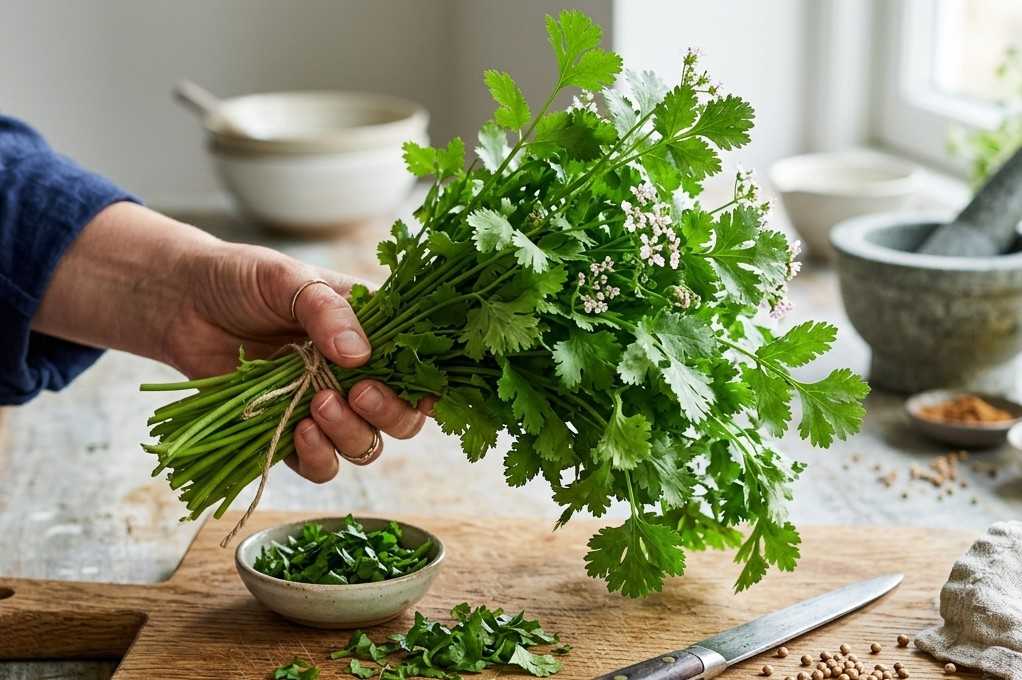
Coriander is one of the most widely used herbs and spices in the world. Known for its fresh aroma, bright flavor, and medicinal value, coriander has been used for centuries in cooking and traditional healing practices. Every part of the coriander plant is useful, including the leaves, seeds, and roots. In many countries, coriander leaves are called cilantro, while the dried seeds are referred to as coriander seeds.
This versatile herb is commonly added to curries, soups, salads, chutneys, spice blends, and herbal drinks. Apart from enhancing flavor, coriander is rich in vitamins, minerals, antioxidants, and plant compounds that may support digestion, heart health, immunity, and overall wellness.
In this guide, you will learn everything about coriander, including its nutrition facts, science-backed health benefits, side effects, best ways to consume it, dosage, storage methods, precautions, and more.
What is Coriander?
Coriander is an aromatic herb obtained from the plant Coriandrum sativum, which belongs to the parsley family. It is native to parts of Europe, North Africa, and Asia but is now cultivated worldwide.
The plant produces delicate green leaves and small round seeds. Coriander leaves have a refreshing citrus-like flavor, while the seeds offer a warm, slightly sweet, and nutty taste.
Coriander is used in several forms:
- Fresh coriander leaves
- Dried coriander seeds
- Ground coriander powder
- Coriander oil
- Coriander root
- Coriander water or tea
It is widely used in Indian, Middle Eastern, Mexican, Thai, and Mediterranean cuisines.
Nutrition Facts of Coriander
Below is the approximate nutritional value of fresh coriander leaves per 100 grams.
| Nutrient | Amount |
|---|---|
| Calories | 23 kcal |
| Protein | 2.1 g |
| Carbohydrates | 3.7 g |
| Fiber | 2.8 g |
| Fat | 0.5 g |
| Vitamin A | 6748 IU |
| Vitamin C | 27 mg |
| Vitamin K | 310 mcg |
| Folate | 62 mcg |
| Calcium | 67 mg |
| Potassium | 521 mg |
| Magnesium | 26 mg |
| Iron | 1.8 mg |
| Phosphorus | 48 mg |
| Sodium | 46 mg |
Coriander also contains antioxidants, flavonoids, polyphenols, and essential oils that contribute to its health-promoting properties.
20 Proven Health Benefits of Coriander
- Supports Digestion: Coriander may help stimulate digestive enzymes and reduce bloating, gas, and indigestion.
- Rich in Antioxidants: Coriander contains powerful antioxidants that help protect the body from oxidative stress and free radical damage.
- Boosts Immunity: The vitamins and plant compounds in coriander may strengthen the immune system and help fight infections.
- May Lower Blood Sugar: It may help improve insulin activity and support healthy blood sugar management.
- Promotes Heart Health: It may help reduce bad cholesterol and support healthy blood circulation.
- Supports Healthy Skin: The antioxidants and antibacterial properties of coriander may help maintain clear and healthy skin.
- Helps Reduce Inflammation: It contains anti-inflammatory compounds that may ease swelling and discomfort.
- Improves Eye Health: Vitamin A in coriander may support better vision and eye protection.
- Supports Brain Function: It antioxidants may help protect brain cells and support memory and concentration.
- May Reduce Anxiety: Some traditional remedies use it for its calming and relaxing effects.
- Freshens Breath Naturally: Coriander leaves may help reduce bad breath and oral bacteria.
- Supports Weight Management: It is low in calories and may help support a balanced diet for weight control.
- Promotes Healthy Bones: Vitamin K and calcium in coriander may support stronger bones.
- Helps Detoxify the Body: Coriander may help remove certain heavy metals and toxins from the body.
- Supports Kidney Health: Coriander water is traditionally used to support urinary and kidney function.
- May Improve Sleep Quality: It may have mild calming properties that support restful sleep.
- Supports Liver Function: Coriander may help protect the liver from oxidative damage.
- May Ease Menstrual Discomfort: Traditional medicine often uses coriander seeds to help reduce menstrual cramps.
- Supports Healthy Blood Pressure: Potassium in coriander may help maintain healthy blood pressure levels.
- May Help Fight Infections: It contains antimicrobial compounds that may help combat harmful microbes.
10 Side Effects of Coriander
- Allergic Reactions: Some people may experience itching, swelling, or skin irritation after consuming coriander.
- May Lower Blood Sugar Too Much: Excessive intake may cause blood sugar levels to drop excessively in sensitive individuals.
- Can Cause Digestive Discomfort: Eating too much coriander may lead to stomach upset or diarrhea.
- Possible Breathing Issues: Rare allergic reactions may cause difficulty breathing in sensitive individuals.
- May Trigger Skin Sensitivity: Coriander oil or extracts may irritate sensitive skin.
- Could Interact with Medications: It may affect blood sugar or blood pressure medications.
- May Cause Dizziness: Excessive consumption may occasionally lead to lightheadedness.
- Can Lower Blood Pressure Excessively: Large amounts may contribute to very low blood pressure in some individuals.
- Possible Sun Sensitivity: Certain compounds in coriander may increase sensitivity to sunlight in rare cases.
- May Affect Surgery Recovery: It may influence blood sugar levels during surgical procedures.
How to Eat Coriander?
There are many delicious ways to include coriander in your daily diet.
Fresh Coriander Leaves
- Add chopped coriander leaves to curries, soups, salads, and rice dishes.
- Use as a garnish for Indian and Mexican recipes.
- Blend into chutneys and sauces.
Coriander Seeds
- Roast and grind seeds into spice powder.
- Add to curries, pickles, and spice blends.
- Brew coriander seed tea.
Coriander Water
- Soak coriander seeds overnight in water and drink in the morning.
Coriander Tea
- Boil coriander seeds in water and strain before drinking.
Smoothies and Juices
- Blend fresh coriander with fruits and vegetables for a refreshing drink.
Coriander Powder
- Sprinkle ground coriander into soups, stews, marinades, and roasted vegetables.
Tips for Consuming Coriander
- Wash fresh coriander thoroughly before use.
- Use fresh leaves for maximum flavor and nutrients.
- Store coriander properly to maintain freshness.
- Start with small amounts if consuming coriander for the first time.
- Pair coriander with lemon, garlic, cumin, or mint for enhanced taste.
- Avoid overcooking fresh coriander leaves to preserve nutrients.
- Choose organic coriander when possible.
- Use roasted coriander seeds for a richer flavor.
- Drink coriander water in moderation.
- Consume coriander as part of a balanced diet.
Other Uses of Coriander
- Used in Herbal Remedies: It is commonly used in traditional herbal preparations for digestion and wellness.
- Added to Beauty Products: Coriander extracts are used in soaps, creams, and skincare products.
- Used in Aromatherapy: Essential oil is sometimes used for relaxation and stress relief.
- Acts as a Natural Flavoring Agent: Coriander is widely used in sauces, snacks, and spice mixes.
- Used in Pickling: Coriander seeds are often added to pickles for flavor enhancement.
- Included in Detox Drinks: Coriander water is popular in natural detox beverages.
- Used in Baking: Ground coriander can add flavor to breads and pastries.
- Added to Meat Marinades: It helps improve aroma and taste in marinades.
- Used in Ayurvedic Practices: It has long been used in traditional Ayurvedic preparations.
- Added to Herbal Teas: Coriander seeds are used in herbal infusions and wellness drinks.
How Much Coriander Can You Eat in a Day?
Moderate consumption of coriander is generally considered safe for most healthy adults.
General daily recommendations include:
- Fresh coriander leaves: 10–20 grams per day
- Coriander seeds: 1–2 teaspoons per day
- Coriander water or tea: 1–2 cups daily
Excessive intake may increase the risk of digestive discomfort or low blood sugar in sensitive individuals.
The ideal dosage of coriander depends on age, health condition, and the form being consumed.
| Form of Coriander | Suggested Dosage |
|---|---|
| Fresh leaves | 10–20 g daily |
| Coriander powder | 1–2 teaspoons daily |
| Coriander seeds | 1–2 teaspoons daily |
| Coriander tea | 1–2 cups daily |
| Coriander water | 1 glass daily |
| Coriander oil | Use only as directed |
It is best to consume coriander in moderation as part of a healthy diet.
Best Time to Eat Coriander
Different forms of coriander may be consumed at different times depending on personal preference and health goals.
- Morning: Coriander water may support digestion and hydration.
- Before meals: Coriander may help stimulate appetite and digestive enzymes.
- With meals: Fresh dhania can improve flavor and nutrient intake.
- Evening: Coriander tea may support relaxation and digestion.
There is no strict rule, and dhania can be enjoyed throughout the day.
Who Should Eat Coriander?
- People with Digestive Issues: Coriander may help reduce bloating and support healthy digestion.
- Individuals Seeking Weight Management: Low-calorie coriander may fit well into balanced diets.
- People Looking to Improve Immunity: Coriander provides vitamins and antioxidants that support immune health.
- Individuals with High Blood Pressure: Potassium in coriander may support healthy blood pressure levels.
- People Interested in Natural Detox Drinks: Coriander water is commonly used in wellness routines.
- Those Wanting Healthier Skin: Coriander antioxidants may support skin wellness.
- People Seeking Better Heart Health: Coriander may help support healthy cholesterol levels.
- Individuals Looking for Flavorful Low-Calorie Herbs: Coriander adds flavor without adding many calories.
- People Interested in Herbal Teas: Coriander tea can be a soothing herbal beverage.
- Those Following Plant-Based Diets: Coriander can add nutrients and flavor to vegetarian meals.
Who Should Not Eat Coriander?
- People Allergic to Coriander: Individuals with coriander allergies should avoid it completely.
- Individuals with Very Low Blood Pressure: Excess dhania may further reduce blood pressure.
- People Taking Diabetes Medication: Coriander may enhance blood sugar-lowering effects.
- Individuals Preparing for Surgery: Coriander may affect blood sugar control during surgery.
- People Sensitive to Herbal Products: Some individuals may react to coriander oils or extracts.
- Infants in Large Amounts: Large quantities may not be suitable for very young children.
- Individuals with Severe Digestive Sensitivity: Excess dhania may trigger stomach discomfort.
- People with Certain Food Allergies: Those allergic to parsley, celery, or similar plants may react to coriander.
- Pregnant Women Using Supplements Excessively: Large medicinal amounts should only be used with medical advice.
- People Taking Blood Pressure Medication: Excess coriander may intensify medication effects.
How to Store Coriander?
- Refrigerate Fresh Leaves: Store fresh dhania in the refrigerator to keep it fresh longer.
- Use Airtight Containers: Keep coriander powder and seeds in sealed containers to prevent moisture exposure.
- Keep Away from Sunlight: Store coriander in a cool, dark place for better shelf life.
- Wrap Fresh Coriander Properly: Wrap leaves in paper towels before refrigeration to reduce moisture.
- Freeze for Long-Term Storage: Chopped dhania leaves can be frozen for future use.
- Store Seeds Whole: Whole coriander seeds retain flavor longer than ground powder.
- Avoid Excess Moisture: Moisture can cause mold and spoilage.
- Label Storage Containers: Mark dates to track freshness.
- Use Clean Utensils: Always use dry spoons when handling coriander powder.
- Discard Spoiled Coriander: Avoid using dhania with a foul smell or mold growth.
Precautions and Interactions
- Consult a Doctor if Pregnant: Large medicinal amounts should be discussed with a healthcare provider.
- Monitor Blood Sugar Levels: Coriander may lower blood sugar in some individuals.
- Use Carefully with Blood Pressure Medicines: Coriander may enhance blood pressure-lowering effects.
- Avoid Excessive Consumption: Too much coriander may cause digestive discomfort.
- Check for Allergic Reactions: Stop use immediately if itching or swelling occurs.
- Use Essential Oil Carefully: Coriander essential oil should be diluted before topical use.
- Avoid Before Surgery: It may affect blood sugar management during surgical procedures.
- Store Properly to Prevent Contamination: Improper storage may lead to spoilage or mold.
- Use Supplements Responsibly: Herbal supplements should not replace medical treatment.
- Consult a Healthcare Professional for Medical Conditions: Individuals with chronic illnesses should seek medical guidance before using coriander medicinally.
Conclusion
Coriander is far more than just a flavorful herb. It is packed with nutrients, antioxidants, and beneficial plant compounds that may support digestion, immunity, heart health, skin wellness, and overall health. Whether consumed as fresh leaves, seeds, powder, tea, or coriander water, this versatile ingredient can easily become part of a healthy daily diet.
Although coriander is generally safe for most people, moderation is important. Excessive intake may cause side effects or interact with certain medications. Proper storage, balanced consumption, and awareness of possible allergies can help you enjoy the many benefits of coriander safely.
FAQ’s
What is coriander good for?
Coriander may help support digestion, immunity, heart health, blood sugar balance, and skin wellness due to its antioxidants and nutrients.
Can coriander be eaten every day?
Yes, dhania can usually be eaten daily in moderate amounts as part of a balanced diet.
Is coriander the same as cilantro?
In many countries, fresh leaves are called cilantro, while the dried seeds are known as coriander.
What does coriander taste like?
Fresh coriander leaves have a citrus-like and refreshing flavor, while the seeds are warm, nutty, and slightly sweet.
Is coriander good for weight loss?
It is low in calories and may support weight management when included in a healthy diet.
Can coriander lower blood sugar?
It may help support healthy blood sugar levels, but people taking diabetes medication should consume it carefully.
Is coriander safe during pregnancy?
Small food amounts are generally considered safe, but excessive medicinal use should only be taken with medical advice.
Can coriander help digestion?
Yes, it is traditionally used to reduce bloating, gas, and indigestion.
What is coriander called in India?
Dhania leaves are commonly called “dhania” in India, and the seeds are known as “dhania seeds.”
Is coriander good for the skin?
The antioxidants and antibacterial compounds in coriander may help support healthy and clear skin.
Can coriander be eaten raw?
Yes, fresh coriander leaves are commonly eaten raw in salads, chutneys, and garnishes.
Is coriander good for blood pressure?
Potassium in dhania may help support healthy blood pressure levels.
Can coriander cause allergies?
Yes, some people may experience allergic reactions such as itching, swelling, or skin irritation.
Is coriander good for immunity?
Yes, dhania contains vitamins, antioxidants, and plant compounds that may help support the immune system.
Does coriander contain vitamins?
Yes, dhania is rich in vitamins A, C, and K along with minerals and antioxidants.
Is coriander better fresh or dried?
Fresh dhania leaves provide more vitamin content, while dried dhania seeds offer concentrated flavor and spice benefits.
Is coriander safe for children?
Yes, dhania is usually safe for children in moderate food amounts.
Which herb is closest to coriander?
Parsley is the closest in appearance, while cilantro has the closest flavor.
What can substitute for coriander?
Parsley, basil, mint, cumin, or caraway can replace dhania in recipes.
Also Read: