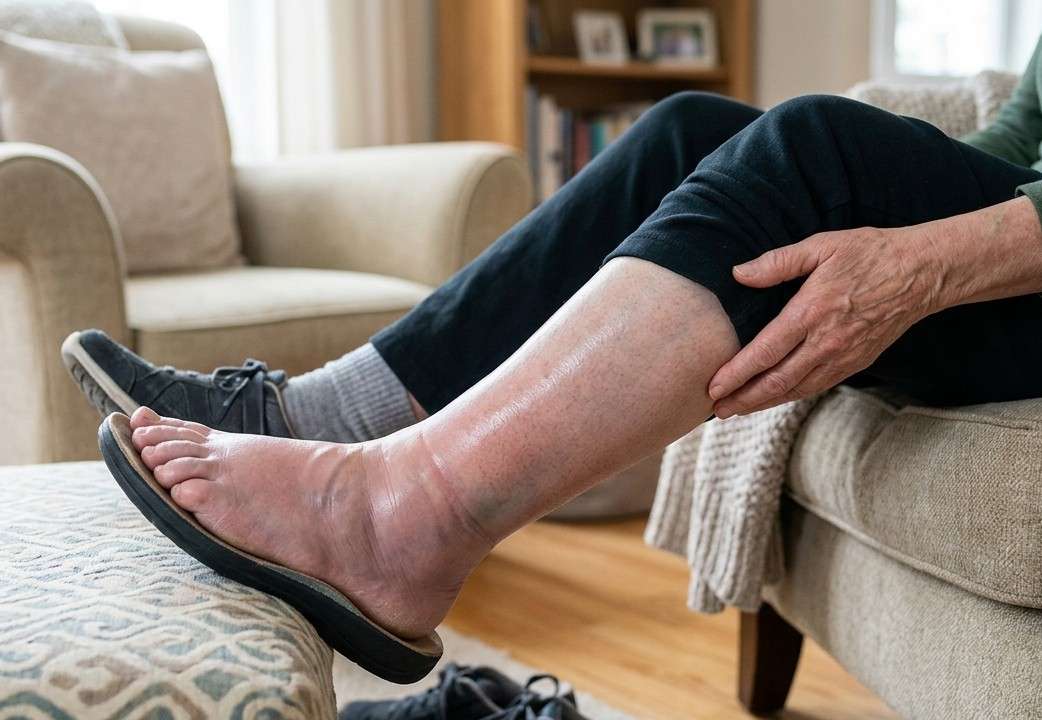
Have you ever noticed your feet, ankles, or hands looking swollen after a long day of standing or sitting? While temporary swelling can happen to anyone, persistent or unexplained swelling may be a sign of edema. Edema is a common condition caused by excess fluid becoming trapped in the body’s tissues. It can affect people of all ages, although it is more common in older adults, pregnant women, and individuals with certain medical conditions.
Understanding why edema occurs, recognizing its symptoms early, and knowing when to seek medical attention can help prevent complications and improve quality of life. This guide explains everything you need to know about edema (also known as fluid retention or water retention), including its causes, different types, symptoms, diagnosis, and available treatment options.
What Is Edema?
Edema is the medical term for swelling caused by excess fluid accumulating in the body’s tissues. Although it most commonly affects the legs, ankles, feet, and hands, it can occur almost anywhere in the body, including the lungs, abdomen, face, and even the brain.
Normally, tiny blood vessels called capillaries allow a small amount of fluid to leak into surrounding tissues. This fluid supplies oxygen and nutrients to cells before returning to the bloodstream through the veins and lymphatic vessels. When this balance is disrupted, excess fluid remains trapped in the tissues, leading to swelling.
Edema can develop suddenly or gradually, depending on its cause. Some cases are mild and temporary, while others require prompt medical evaluation because they may signal a serious underlying health condition.
How Does Edema Develop?
The body carefully regulates fluid movement between blood vessels and surrounding tissues. Several factors help maintain this balance, including blood pressure, protein levels in the blood, healthy blood vessels, and proper lymphatic drainage.
Edema occurs when one or more of these mechanisms stop working properly.
Common reasons include:
- Increased pressure inside blood vessels pushes more fluid into surrounding tissues.
- Low blood protein levels reduce the ability to keep fluid inside blood vessels.
- Damaged or leaky capillaries allow excess fluid to escape.
- Poor lymphatic drainage prevents fluid from returning to circulation.
- Kidney problems cause the body to retain excess sodium and water.
- Hormonal changes may increase water retention.
When fluid continues to accumulate faster than the body can remove it, visible swelling develops.
Types of Edema
Different forms of edema affect different parts of the body. Identifying the type often helps healthcare providers determine the underlying cause.
1. Peripheral Edema
Peripheral edema is the most common form and affects the:
- Feet
- Ankles
- Lower legs
- Hands
- Arms
It often develops after standing or sitting for long periods but may also result from heart, kidney, or liver disease.
2. Pitting Edema
Pitting edema occurs when pressing a finger into the swollen skin leaves an indentation that remains for several seconds before slowly returning to normal.
This type commonly occurs in:
- Heart failure
- Kidney disease
- Liver disease
- Venous insufficiency
3. Non-Pitting Edema
Unlike pitting edema, pressing the swollen area does not leave a dent.
This form is commonly associated with:
- Lymphedema
- Thyroid disorders
- Chronic lymphatic blockage
4. Pulmonary Edema
Pulmonary edema occurs when fluid builds up inside the lungs, making breathing difficult.
Symptoms may include:
- Severe shortness of breath
- Rapid breathing
- Persistent coughing
- Wheezing
- Pink, frothy sputum in severe cases
Pulmonary edema is a medical emergency requiring immediate treatment.
5. Cerebral Edema
Cerebral edema refers to swelling inside the brain.
Possible causes include:
- Head injury
- Stroke
- Brain infection
- Brain tumors
- High-altitude illness
Symptoms may include severe headache, confusion, seizures, weakness, and loss of consciousness. Immediate medical care is essential.
6. Macular Edema
Macular edema affects the retina of the eye, particularly the macula, which is responsible for sharp central vision.
It commonly occurs in people with diabetes and other eye diseases.
Symptoms include:
- Blurred vision
- Distorted vision
- Difficulty reading
- Reduced central vision
7. Lymphedema
Lymphedema develops when the lymphatic system cannot drain fluid properly.
Common causes include:
- Cancer treatment
- Removal of lymph nodes
- Radiation therapy
- Congenital lymphatic disorders
Swelling often affects one arm or one leg and may gradually become permanent if untreated.
Causes of Edema
Many different conditions can lead to fluid accumulation. Some are harmless and temporary, while others require medical treatment.
1. Prolonged Sitting or Standing
Remaining in one position for several hours allows gravity to pull fluid into the lower legs and feet.
This commonly occurs during:
- Long flights
- Road trips
- Office work
- Standing jobs
2. High Sodium Intake
Consuming excessive salt causes the body to retain water, increasing the risk of swelling.
Processed foods, fast foods, canned soups, and salty snacks are common contributors.
3. Pregnancy
Hormonal changes and increased pressure from the growing uterus can slow blood flow from the legs, leading to swelling in the feet and ankles.
While mild swelling is common, sudden or severe swelling—especially with high blood pressure or headaches—requires immediate medical evaluation.
4. Medications
Several medications may contribute to edema, including:
- Blood pressure medications
- Steroids
- Hormone therapy
- Certain diabetes medications
- Nonsteroidal anti-inflammatory drugs (NSAIDs)
- Some antidepressants
Never stop a prescribed medication without consulting your healthcare provider.
5. Chronic Venous Insufficiency
Weak or damaged leg veins make it difficult for blood to return to the heart.
This increases pressure inside veins, allowing fluid to leak into surrounding tissues.
6. Heart Failure
When the heart cannot pump blood efficiently, fluid may build up in the legs, abdomen, and lungs.
Swelling that worsens over time, particularly when combined with shortness of breath, should be evaluated promptly.
7. Kidney Disease
Healthy kidneys remove excess water and sodium from the body.
Kidney disease can reduce this function, causing fluid retention and swelling around the eyes, hands, feet, and ankles.
8. Liver Disease
Conditions such as cirrhosis reduce the production of proteins like albumin, allowing fluid to leak into tissues and the abdomen.
9. Lymphatic System Disorders
Blocked or damaged lymph vessels prevent proper drainage, causing persistent swelling known as lymphedema.
10. Infections and Inflammation
Infections, allergic reactions, insect bites, burns, and injuries increase blood flow to affected tissues, leading to temporary swelling.
Related Articles:
- Lower Back Ache: Causes, Symptoms, Treatment & Exercises
- Hammertoes: Causes, Symptoms, Treatment, Exercises & Prevention
- Flat Feet: Causes, Symptoms, Treatment, Exercises & Prevention
Risk Factors for Edema
Several factors increase the likelihood of developing edema.
These include:
- Older age
- Pregnancy
- Obesity
- High-sodium diet
- Sedentary lifestyle
- Chronic heart disease
- Kidney disease
- Liver disease
- Diabetes
- Cancer treatment
- Varicose veins
- Certain prescription medications
- Limited mobility
- Recent surgery
Having one or more risk factors does not guarantee edema, but it may increase susceptibility.
Symptoms of Edema
Symptoms vary depending on the underlying cause and the part of the body affected.
Common symptoms include:
- Swelling of the feet, ankles, legs, hands, or face
- Puffy or stretched skin
- Skin that appears shiny or tight
- Difficulty wearing shoes or rings
- Feeling of heaviness in the limbs
- Reduced flexibility in joints
- Weight gain due to fluid retention
- Indentation after pressing the skin (pitting edema)
- Mild discomfort or aching
Depending on the affected organ, additional symptoms may occur.
For example:
Pulmonary edema may cause:
- Shortness of breath
- Chest discomfort
- Rapid breathing
- Persistent cough
Cerebral edema may cause:
- Severe headache
- Confusion
- Vomiting
- Vision changes
- Seizures
These symptoms require urgent medical attention.
How Is Edema Diagnosed?
Diagnosing edema begins with a detailed medical history and physical examination. Your healthcare provider will assess the location, severity, and duration of the swelling while asking about medications, diet, recent travel, pregnancy, and existing health conditions.
Depending on the suspected cause, additional tests may include:
- Blood tests to evaluate kidney, liver, thyroid, and heart function
- Urine tests to check for protein loss or kidney disease
- Chest X-ray if lung or heart problems are suspected
- Electrocardiogram (ECG) to assess heart rhythm
- Echocardiogram to evaluate heart function
- Doppler ultrasound to check for blood clots or venous insufficiency
- CT scan or MRI in selected cases
- Lymphatic imaging when lymphedema is suspected
Accurate diagnosis is important because treating the underlying cause is often the most effective way to reduce swelling.
Treatment Options for Edema
Treatment depends on the underlying cause, the severity of swelling, and the affected area. Mild edema may improve with simple lifestyle changes, while more serious cases require medical treatment.
Common treatment approaches include:
1. Lifestyle Changes
For mild swelling, healthcare providers may recommend:
- Elevating the affected limbs above heart level
- Regular walking and gentle exercise
- Reducing sodium intake
- Avoiding prolonged sitting or standing
- Maintaining a healthy body weight
2. Compression Therapy
Compression stockings or sleeves help improve circulation and reduce fluid buildup, particularly in people with chronic venous insufficiency or lymphedema.
3. Medications
In some cases, doctors may prescribe diuretics (“water pills”) to help the body remove excess fluid. These medications should only be taken under medical supervision, as they may not be appropriate for every type of edema.
4. Treating the Underlying Condition
Long-term improvement often depends on managing the root cause, such as:
- Heart disease
- Kidney disease
- Liver disease
- Thyroid disorders
- Venous insufficiency
- Lymphedema
For conditions like pulmonary edema or cerebral fluid retention, emergency treatment is often necessary and may include oxygen therapy, intravenous medications, or other specialized interventions.
20 Evidence-Based Ways to Help Manage Edema
Managing edema starts with identifying and treating the underlying cause. While some cases require medical treatment, many people can reduce mild swelling through healthy lifestyle changes and proper self-care. Always follow your healthcare provider’s advice, especially if fluid retention is related to heart, kidney, or liver disease.
1. Reduce Sodium Intake
Eating less salt helps your body retain less water. Limit processed foods, packaged snacks, canned soups, and fast food, which are often high in sodium.
2. Stay Physically Active
Regular movement improves blood circulation and helps prevent fluid from pooling in the legs. Walking, cycling, and swimming are excellent low-impact exercises.
3. Elevate Your Legs
Raising your legs above heart level for 20–30 minutes several times a day can encourage excess fluid to return to the bloodstream.
4. Wear Compression Stockings
Compression stockings provide gentle pressure that supports healthy blood flow and reduces swelling, particularly in the lower legs.
5. Maintain a Healthy Weight
Excess body weight places additional pressure on veins and lymphatic vessels, making fluid retention more likely.
6. Stay Hydrated
Drinking enough water supports kidney function and helps maintain the body’s natural fluid balance.
7. Limit Long Periods of Sitting
If you work at a desk, stand up and walk for a few minutes every hour to encourage circulation.
8. Avoid Standing for Too Long
Standing in one place for extended periods can increase swelling in the feet and ankles. Shift your weight and take short walking breaks whenever possible.
9. Exercise Your Calf Muscles
Simple ankle circles, heel raises, and calf stretches help pump blood back toward the heart.
10. Follow Your Medication Plan
Take prescribed medications exactly as directed. Never stop or adjust medicines without consulting your healthcare provider.
11. Wear Comfortable Clothing
Avoid tight socks, belts, or clothing that restrict blood flow.
12. Eat More Potassium-Rich Foods
Foods such as bananas, spinach, sweet potatoes, avocados, and beans may help maintain fluid balance. If you have kidney disease, ask your healthcare provider before increasing potassium intake.
13. Manage Chronic Health Conditions
Keeping conditions like diabetes, high blood pressure, heart disease, and kidney disease under control can reduce the risk of persistent edema.
14. Protect Your Skin
Swollen skin is more vulnerable to cuts, infections, and irritation. Keep your skin clean and moisturized.
15. Avoid Excess Alcohol
Alcohol can contribute to dehydration and worsen fluid imbalance in some individuals.
16. Choose Heart-Healthy Foods
A diet rich in vegetables, fruits, whole grains, lean proteins, and healthy fats supports cardiovascular health and may improve circulation.
17. Practice Gentle Stretching
Daily stretching improves flexibility and promotes healthy blood flow throughout the body.
18. Monitor Sudden Weight Changes
Rapid weight gain over a few days may indicate fluid retention and should be discussed with a healthcare provider.
19. Stop Smoking
Smoking damages blood vessels and reduces circulation, increasing the risk of swelling and vascular disease.
20. Attend Regular Medical Checkups
Routine health screenings can identify underlying medical conditions before they become more serious.
Best Foods to Eat for Edema
Although no single food cures edema, a balanced diet can support healthy circulation and reduce fluid retention.
| Food | Why It May Help |
|---|---|
| Cucumbers | High water content supports hydration |
| Watermelon | Naturally hydrating and low in sodium |
| Berries | Rich in antioxidants |
| Leafy greens | Good source of vitamins and minerals |
| Bananas | Contain potassium |
| Sweet potatoes | Provide potassium and fiber |
| Avocados | Healthy fats and potassium |
| Oats | High in fiber and heart-friendly |
| Brown rice | Supports a balanced diet |
| Beans and lentils | Plant protein and fiber |
| Salmon | Rich in omega-3 fatty acids |
| Unsalted nuts | Healthy fats and minerals |
| Yogurt | Good source of protein and calcium |
| Citrus fruits | Rich in vitamin C |
| Tomatoes | Provide potassium and antioxidants |
Foods to Limit or Avoid
Certain foods can contribute to water retention, especially when eaten frequently.
- Processed meats
- Fast food
- Packaged snacks
- Chips
- Salted nuts
- Instant noodles
- Canned soups with added salt
- Pickles
- Processed cheese
- Sugary beverages
- Excess sweets
- Highly processed frozen meals
- Alcohol (in excess)
Reading nutrition labels and choosing lower-sodium options can make a significant difference.
Lifestyle Tips for Living with Edema
Living with edema often requires consistent daily habits.
- Wear supportive footwear.
- Move regularly throughout the day.
- Avoid crossing your legs for long periods.
- Sleep with your legs slightly elevated if recommended by your healthcare provider.
- Stay hydrated.
- Follow a balanced, low-sodium eating pattern.
- Monitor swelling and report significant changes.
- Protect swollen skin from injury.
- Maintain regular medical appointments.
Can Edema Be Prevented?
Not every case of edema can be prevented, but healthy habits may lower your risk.
Prevention strategies include:
- Exercise regularly.
- Maintain a healthy weight.
- Eat a balanced, low-sodium diet.
- Stay hydrated.
- Avoid prolonged sitting or standing.
- Wear compression stockings if recommended.
- Control blood pressure and blood sugar.
- Take medications as prescribed.
- Stop smoking.
- Attend routine health checkups.
Possible Complications of Edema
If left untreated, chronic fluid retention can lead to complications, including:
- Persistent pain and discomfort
- Reduced mobility
- Skin ulcers
- Skin infections such as cellulitis
- Poor wound healing
- Permanent tissue changes
- Increased risk of blood clots in some individuals
- Difficulty walking
- Reduced quality of life
Pulmonary edema and cerebral fluid retention are medical emergencies and can become life-threatening without immediate treatment.
When Should You See a Doctor?
Seek medical advice if you experience:
- Swelling that lasts for several days without improvement
- Swelling affecting only one leg
- Severe pain or redness
- Swelling accompanied by fever
- Rapid or unexplained weight gain
- Skin sores or leaking fluid
- Swelling during pregnancy associated with headaches or vision changes
Seek emergency medical care immediately if swelling is accompanied by:
- Sudden shortness of breath
- Chest pain
- Severe difficulty breathing
- Blue lips or fingertips
- Confusion
- Loss of consciousness
These symptoms may indicate a serious medical emergency.
Conclusion
Edema is a common condition characterized by excess fluid collecting in the body’s tissues, leading to noticeable swelling. While mild cases often result from prolonged sitting, standing, or a high-sodium diet, persistent or severe fluid retention may signal an underlying condition involving the heart, kidneys, liver, veins, or lymphatic system.
Early recognition, proper diagnosis, and appropriate treatment are essential for preventing complications. Healthy lifestyle habits—including regular exercise, reducing sodium intake, maintaining a healthy weight, and managing chronic medical conditions—can play an important role in reducing swelling and improving overall health.
FAQs
Can edema kill you?
Mild edema is usually harmless, but severe fluid retention can be life-threatening if left untreated.
How do I get rid of edema?
Reduce salt intake, stay active, elevate the affected area, and treat the underlying cause with medical guidance.
Is edema dangerous?
Mild fluid retention is often temporary, but persistent or severe swelling may indicate a serious medical condition.
Can drinking more water reduce edema?
Yes. Staying well hydrated may help maintain normal fluid balance, although treatment depends on the underlying cause.
Does walking help edema?
Yes. Walking improves circulation and can reduce swelling in the legs and feet.
Are compression stockings effective?
Yes. They are commonly recommended to improve circulation and reduce swelling in the legs.
Can pregnancy cause edema?
Yes. Mild swelling is common during pregnancy, especially in the feet and ankles.
Is edema a symptom or a disease?
Fluid retention is generally a symptom of an underlying condition rather than a disease itself.
Can medications cause edema?
Yes. Some blood pressure medicines, steroids, NSAIDs, hormone therapy, and certain diabetes medications may contribute to swelling.
Can edema go away on its own?
Temporary fluid retention often improves with rest, movement, and reducing sodium intake. Persistent swelling should be medically evaluated.
Can exercise help reduce edema?
Yes. Regular physical activity promotes circulation and may help reduce mild swelling.
Is edema permanent?
Not always. Many cases improve once the underlying cause is treated.
Can stress cause edema?
Stress alone rarely causes fluid retention, but it may contribute indirectly by affecting hormones and lifestyle habits.
Sources / References:
- National Institute of Diabetes and Digestive and Kidney Diseases (NIDDK)
- MedlinePlus – Edema
- Mayo Clinic – Edema
- Cleveland Clinic – Edema
- NHS – Swollen Ankles, Feet and Legs
- American Heart Association
- National Heart, Lung, and Blood Institute (NHLBI)
- Merck Manual Consumer Version
About the Author:
Written by: Kirti Solanki (Health Content Researcher)
Kirti Solanki is a Health Content Researcher who creates evidence-based, easy-to-understand health articles based on trusted medical sources to help readers make informed wellness decisions.
Disclaimer:
This guide is for educational purposes only and is not a substitute for professional medical advice, diagnosis, or treatment. Always consult a qualified healthcare provider for personalized medical guidance.
Also Read: