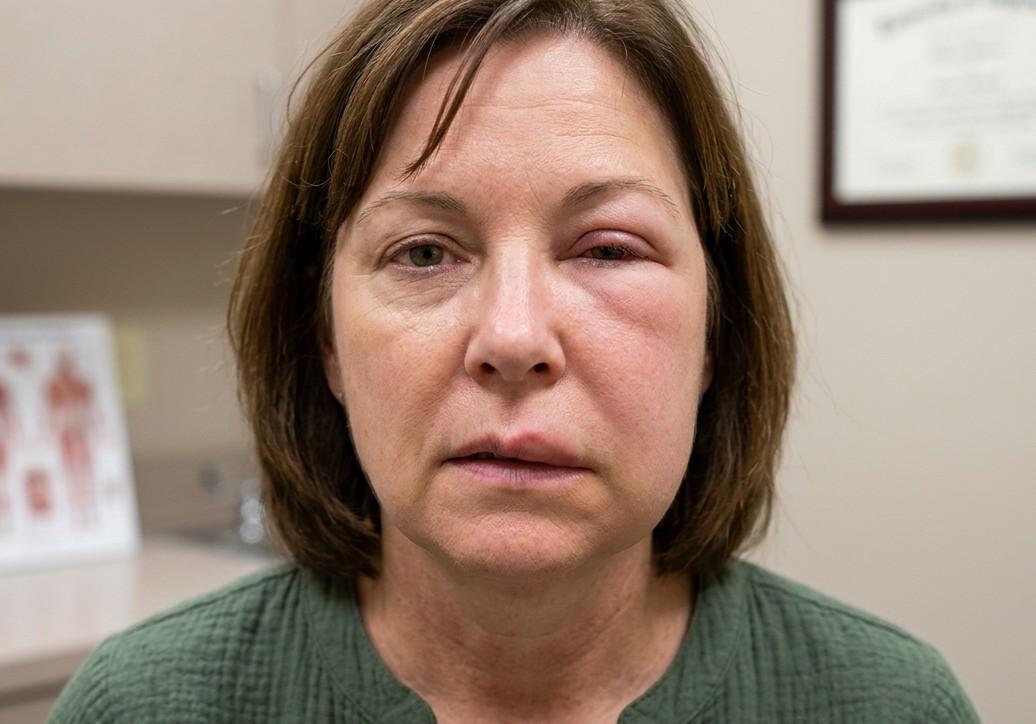
Facial swelling is a common symptom that can occur for many different reasons, ranging from mild allergies to serious infections or medical emergencies. While slight puffiness after waking up or following a minor injury may not be a cause for concern, sudden or severe swelling can indicate an underlying health condition that requires prompt medical attention.
The face contains delicate tissues, muscles, blood vessels, and lymphatic structures that can become swollen due to inflammation, fluid buildup, infection, trauma, or allergic reactions. Identifying the cause of facial swelling is essential because treatment varies depending on the underlying condition.
This guide explains the common causes, symptoms, diagnosis, treatment options, and home care tips to help you understand facial swelling and know when it’s time to seek professional medical care.
What Is Facial Swelling?
Facial swelling refers to an abnormal enlargement or puffiness of the tissues of the face. It may affect one side of the face or both sides and can involve the cheeks, eyes, lips, jaw, forehead, chin, or neck.
Swelling develops when excess fluid accumulates in facial tissues or when inflammation causes blood vessels to leak fluid into surrounding areas. Depending on the cause, facial swelling may develop gradually over several days or appear suddenly within minutes.
In some cases, swelling is painless and temporary. In others, it may be accompanied by pain, redness, warmth, itching, fever, or difficulty breathing.
Types of Facial Swelling
Understanding the type of swelling helps healthcare providers determine the underlying cause.
1. One-Sided Facial Swelling
Swelling affecting only one side of the face is commonly caused by:
- Dental abscess
- Sinus infection
- Facial injury
- Salivary gland infection
- Insect bite
- Skin infection
2. Bilateral Facial Swelling
Swelling on both sides of the face may occur due to:
- Allergic reactions
- Kidney disease
- Hormonal changes
- Certain medications
- Autoimmune disorders
3. Sudden Facial Swelling
Rapid swelling developing within minutes or hours may indicate:
- Food allergy
- Medication allergy
- Angioedema
- Anaphylaxis (medical emergency)
4. Gradual Facial Swelling
Slowly developing swelling often results from:
- Chronic sinus infections
- Dental infections
- Thyroid disorders
- Kidney disease
- Chronic inflammatory conditions
5. Localized Swelling
Localized swelling affects one specific area such as:
- Lips
- Eyelids
- Cheek
- Jaw
- Nose
Symptoms of Facial Swelling
Symptoms vary depending on the underlying cause.
Common symptoms include:
- Puffiness of the face
- Swollen cheeks
- Swollen eyelids
- Lip swelling
- Redness
- Warm skin
- Tenderness
- Facial pain
- Difficulty opening the mouth
- Tooth pain
- Headache
- Sinus pressure
- Fever
- Skin rash
- Itching
- Difficulty swallowing
- Difficulty breathing (emergency)
- Swollen lymph nodes
- Fluid retention
- Facial tightness
Causes of Facial Swelling
Many conditions can lead to facial swelling. Some are minor, while others require immediate medical treatment.
1. Allergic Reactions
One of the most common causes is an allergic reaction to:
- Foods
- Medications
- Insect stings
- Latex
- Cosmetic products
- Pet dander
- Pollen
Allergic swelling often develops quickly and may involve the lips, eyelids, tongue, or throat.
2. Angioedema
Angioedema is swelling beneath the skin caused by an allergic or non-allergic reaction.
It commonly affects:
- Lips
- Eyes
- Face
- Tongue
- Throat
Angioedema can become life-threatening if it interferes with breathing.
3. Tooth Infection (Dental Abscess)
An infected tooth can spread bacteria into nearby tissues, causing swelling in:
- Jaw
- Cheek
- Face
- Neck
Symptoms often include:
- Severe toothache
- Fever
- Bad taste in the mouth
- Swollen gums
- Difficulty chewing
Dental abscesses require prompt dental treatment.
4. Sinus Infection
Inflamed sinuses can cause swelling around:
- Eyes
- Nose
- Cheeks
- Forehead
Additional symptoms include:
- Nasal congestion
- Thick mucus
- Facial pressure
- Fever
- Headache
5. Facial Injury
Trauma from sports, falls, accidents, or surgery may result in swelling due to tissue damage or bleeding beneath the skin.
Symptoms may include:
- Bruising
- Pain
- Cuts
- Difficulty moving the jaw
6. Cellulitis
Cellulitis is a bacterial skin infection that causes:
- Redness
- Warmth
- Swelling
- Pain
- Fever
Untreated cellulitis can spread rapidly and requires antibiotics.
7. Salivary Gland Infection
Blocked or infected salivary glands can lead to swelling near:
- Jaw
- Ear
- Cheeks
Symptoms include:
- Dry mouth
- Pain while eating
- Fever
- Bad taste
8. Viral Infections
Several viruses may cause facial swelling, including:
- Mumps
- Epstein-Barr virus
- Influenza
- COVID-19 (in some cases)
Swollen salivary glands are a hallmark of mumps.
9. Kidney Disease
When the kidneys cannot remove excess fluid effectively, swelling may occur around:
- Eyes
- Face
- Hands
- Feet
Morning facial puffiness is common in some kidney disorders.
10. Thyroid Disorders
Hypothyroidism may cause facial puffiness due to fluid retention and changes in skin tissues.
Other symptoms include:
- Fatigue
- Weight gain
- Dry skin
- Cold intolerance
11. Medication Side Effects
Certain medications may cause facial swelling, including:
- ACE inhibitors
- NSAIDs
- Antibiotics
- Steroids
- Blood pressure medications
Any sudden swelling after starting a new medication should be evaluated promptly.
12. Cosmetic Procedures
Temporary swelling commonly occurs after:
- Botox
- Dermal fillers
- Dental procedures
- Facial surgery
- Laser treatments
Most swelling resolves within a few days, but persistent or worsening swelling should be assessed by a healthcare provider.
Facial Swelling Risk Factors
Certain factors increase the likelihood of developing facial swelling.
These include:
- Allergies
- Poor dental hygiene
- Chronic sinus disease
- Smoking
- Diabetes
- Kidney disease
- Autoimmune disorders
- Recent facial surgery
- Weak immune system
- Family history of angioedema
- Certain medications
How Facial Swelling Is Diagnosed?
A healthcare provider will evaluate your symptoms and medical history before determining the cause. Diagnosis may include:
1. Medical History
Your provider may ask:
- When did the swelling begin?
- Is it painful?
- Did you eat new foods?
- Have you started a new medication?
- Have you had recent dental work?
- Do you have allergies?
- Do you have fever or breathing problems?
2. Physical Examination
The healthcare provider may examine:
- Eyes
- Nose
- Mouth
- Teeth
- Gums
- Neck
- Skin
- Lymph nodes
3. Blood Tests
Blood tests can help identify:
- Infection
- Allergic reactions
- Autoimmune diseases
- Kidney disease
- Thyroid disorders
4. Imaging Tests
Depending on symptoms, your doctor may recommend:
- Dental X-rays
- CT scan
- MRI
- Ultrasound
- Sinus imaging
These tests help detect abscesses, fractures, tumors, or blocked salivary glands.
5. Allergy Testing
If allergies are suspected, skin or blood tests may help identify the trigger.
Treatment for Facial Swelling
Treatment depends entirely on the underlying cause.
1. Antihistamines
These medications help reduce swelling caused by mild allergic reactions.
They are commonly recommended for:
- Seasonal allergies
- Food allergies (mild)
- Insect bites
- Skin allergies
2. Corticosteroids
Steroids reduce inflammation and may be prescribed for:
- Severe allergies
- Autoimmune conditions
- Significant inflammation
They should only be used under medical supervision.
3. Antibiotics
Antibiotics are necessary when swelling is caused by bacterial infections such as:
- Dental abscesses
- Cellulitis
- Sinus infections (selected cases)
- Salivary gland infections
Always complete the full course as prescribed.
4. Dental Treatment
If an infected tooth is the source of swelling, treatment may include:
- Root canal therapy
- Tooth extraction
- Drainage of an abscess
- Antibiotics when indicated
Prompt dental care helps prevent the spread of infection.
5. Drainage Procedures
Some abscesses require surgical drainage to remove pus and relieve pressure. This procedure is typically performed by a dentist or surgeon.
6. Treatment for Underlying Conditions
Managing chronic conditions such as kidney disease, thyroid disorders, or autoimmune diseases can help reduce recurrent facial swelling over time.
Home Remedies for Mild Facial Swelling
Home care may help reduce mild swelling caused by minor injuries, temporary fluid retention, or uncomplicated inflammation. However, these remedies are not a substitute for medical treatment if swelling is severe, rapidly worsening, or accompanied by breathing difficulties.
1. Apply a Cold Compress
Place a cold pack or a clean cloth wrapped around ice on the swollen area for 10–20 minutes at a time. This can help reduce inflammation and discomfort, especially after a minor injury.
2. Stay Well Hydrated
Drinking enough water supports normal fluid balance and may help reduce puffiness caused by dehydration or excess sodium intake.
3. Limit Salt Intake
High-sodium foods can contribute to fluid retention. Choosing a balanced diet with fresh fruits, vegetables, and minimally processed foods may help decrease swelling.
4. Elevate Your Head While Sleeping
Sleeping with your head slightly elevated can reduce fluid accumulation in the face, particularly if morning puffiness is a recurring issue.
5. Maintain Good Oral Hygiene
If dental problems are contributing to facial swelling, brushing twice daily, flossing, and using an antiseptic mouthwash may help reduce the risk of infection while you arrange dental care.
6. Avoid Known Allergens
If you have identified allergy triggers, minimizing exposure can help prevent future episodes of allergic facial swelling.
7. Rest and Recover
Getting adequate rest allows your body to heal more effectively, particularly if swelling is related to a minor illness or injury.
Prevention Tips for Facial Swelling
While not all cases of facial swelling can be prevented, adopting healthy habits can lower your risk of infections, allergies, and other common triggers.
1. Practice Good Oral Hygiene
Many cases of facial swelling are linked to dental infections. Brush your teeth twice a day with fluoride toothpaste, floss daily, and visit your dentist regularly for cleanings and checkups.
2. Manage Allergies
If you have known allergies, avoid your triggers whenever possible. Keep prescribed allergy medications available, and discuss an emergency action plan with your healthcare provider if you’ve had severe allergic reactions in the past.
3. Treat Sinus Infections Promptly
Ignoring prolonged nasal congestion or sinus infections can increase the risk of facial swelling. Seek medical advice if symptoms persist or worsen.
4. Protect Your Face from Injury
Wear appropriate protective gear during sports, cycling, or activities that increase the risk of facial trauma.
5. Stay Hydrated
Drinking enough water helps maintain your body’s fluid balance and may reduce temporary facial puffiness caused by dehydration.
6. Limit Excess Sodium
A diet high in salt can contribute to water retention. Choose fresh foods and reduce processed or packaged foods whenever possible.
7. Follow Medication Instructions
Take medications exactly as prescribed and inform your healthcare provider if you’ve experienced allergic reactions to medications in the past.
8. Manage Chronic Health Conditions
Keeping conditions such as diabetes, kidney disease, thyroid disorders, and autoimmune diseases under control can help reduce the risk of recurrent facial swelling.
9. Maintain a Healthy Lifestyle
A balanced diet, regular physical activity, adequate sleep, and stress management support overall health and may help reduce inflammation throughout the body.
When Should You See a Doctor?
Facial swelling is not always an emergency, but some situations require prompt medical evaluation.
Seek medical attention if facial swelling:
- Lasts longer than 24 to 48 hours without improvement
- Continues to worsen despite home care
- Is accompanied by severe facial pain
- Occurs with a high fever
- Develops after a dental infection or toothache
- Is associated with redness, warmth, or pus
- Makes it difficult to open your mouth
- Returns frequently without a known cause
- Is associated with swelling around the eyes that affects vision
- Occurs after a facial injury with significant bruising or deformity
Early diagnosis and treatment can help prevent complications and improve recovery.
When Is Facial Swelling a Medical Emergency?
Call your local emergency services or seek immediate medical care if facial swelling is accompanied by:
- Difficulty breathing
- Wheezing
- Swelling of the tongue or throat
- Difficulty swallowing
- Sudden severe allergic reaction
- Loss of consciousness
- Severe facial trauma
- Rapidly spreading redness with high fever
- Confusion or altered mental status
These symptoms may indicate a life-threatening condition such as anaphylaxis, severe infection, or airway obstruction.
Possible Complications of Facial Swelling
The outlook for facial swelling depends on the underlying cause. Mild swelling often resolves with appropriate treatment, while untreated infections or allergic reactions can lead to serious complications. Potential complications include:
1. Spread of Infection
Untreated dental abscesses or cellulitis can spread to nearby tissues or, in rare cases, enter the bloodstream.
2. Airway Obstruction
Severe allergic reactions and angioedema can cause swelling of the tongue and throat, making breathing difficult. This is a medical emergency.
3. Vision Problems
Severe infections around the eyes may affect vision and require urgent treatment.
4. Chronic Facial Swelling
Some medical conditions, such as lymphatic disorders or autoimmune diseases, can lead to recurring or persistent swelling.
5. Permanent Tissue Damage
Delayed treatment of severe infections or trauma may result in scarring or damage to surrounding tissues.
FAQs
Is facial swelling a medical emergency?
It can be. Seek emergency medical care if facial swelling is accompanied by difficulty breathing, throat or tongue swelling, chest tightness, or loss of consciousness.
Why is only one side of my face swollen?
One-sided facial swelling is often caused by a tooth abscess, sinus infection, salivary gland infection, insect bite, or facial injury.
Can a tooth infection cause facial swelling?
Yes. A dental abscess can spread infection to nearby tissues, causing swelling of the cheek, jaw, or face. Prompt dental treatment is important.
Can allergies make your face swell?
Yes. Food allergies, medications, insect stings, and environmental allergens can trigger facial swelling, especially around the eyes and lips.
How long does facial swelling last?
The duration depends on the cause. Minor swelling may improve within a few hours or days, while swelling caused by infection or chronic illness may last longer until treated.
Can dehydration cause facial swelling?
Yes. Dehydration may lead to temporary water retention, making the face appear puffy in some people.
Does sleeping position affect facial swelling?
Yes. Sleeping flat or on one side may cause fluid to collect in the face overnight. Elevating your head with an extra pillow may reduce morning puffiness.
Can stress cause facial swelling?
Stress does not directly cause facial swelling but may worsen allergies, skin conditions, or inflammation that contribute to facial puffiness.
Is facial swelling a symptom of a sinus infection?
Yes. Sinus infections can cause swelling around the eyes, cheeks, forehead, and nose, along with congestion and facial pressure.
What medications can cause facial swelling?
Some medications, including ACE inhibitors, antibiotics, NSAIDs, and certain blood pressure medications, may cause facial swelling as a side effect or allergic reaction.
Can kidney disease cause facial swelling?
Yes. Kidney disease can lead to fluid retention, often causing puffiness around the eyes and swelling of the face, especially in the morning.
Why do I wake up with a swollen face?
Morning facial swelling may result from sleeping position, excess salt intake, allergies, dehydration, alcohol consumption, or underlying medical conditions.
Can hormonal changes cause facial swelling?
Yes. Hormonal fluctuations during menstruation, pregnancy, or menopause may cause temporary fluid retention and facial puffiness.
Should I use ice or heat for facial swelling?
A cold compress is generally recommended for recent injuries or inflammation. Heat should only be used if advised by a healthcare professional.
Can facial swelling go away on its own?
Mild swelling caused by minor injuries or temporary fluid retention may resolve without treatment. Persistent or worsening swelling should be evaluated by a healthcare provider.
Which doctor should I see for facial swelling?
You may see a primary care physician, dentist, allergist, dermatologist, or an ear, nose, and throat (ENT) specialist, depending on the suspected cause.
Is facial swelling always serious?
No. Facial swelling can result from minor causes such as a small injury, temporary fluid retention, or mild allergies. However, sudden, severe, or persistent swelling should be evaluated by a healthcare provider.
Is facial swelling a symptom of COVID-19?
Facial swelling is not considered a common symptom of COVID-19. However, some people may experience swelling due to related complications, allergic reactions, or secondary infections.
Should I massage facial swelling?
Massage is generally not recommended unless advised by a healthcare professional, as it may worsen swelling caused by infection or injury.
What deficiency causes a puffy face?
Protein deficiency can cause facial puffiness, but allergies, infections, and medical conditions are more common causes.
Can high BP cause face swelling?
High blood pressure rarely causes facial swelling, but some blood pressure medications or kidney disease can.
What drink reduces face swelling?
Water is the best drink. Herbal teas like chamomile or green tea may also help reduce mild puffiness.
What cancers cause facial swelling?
Head and neck cancers, lymphoma, salivary gland cancer, and SVC syndrome from lung cancer may cause facial swelling.
Can a brain tumour cause facial swelling?
Not usually. Facial swelling is not a common symptom of a brain tumour.
What illness gives you a puffy face?
Allergies, sinus infections, kidney disease, hypothyroidism, Cushing’s syndrome, and dental infections can cause a puffy face.
What virus causes facial swelling?
Mumps is the most common viral cause. EBV, influenza, and COVID-19 may also contribute.
What foods cause face puffiness?
Salty, processed foods and alcohol can cause temporary puffiness. Food allergies can also trigger facial swelling.
Sources / References:
- American Academy of Allergy, Asthma & Immunology (AAAAI)
- American Dental Association (ADA)
- American Academy of Family Physicians (AAFP)
- MedlinePlus (U.S. National Library of Medicine)
- National Health Service (NHS)
About the Author
Written by: Kirti Solanki (Health Content Researcher)
Kirti Solanki is a Health Content Researcher who creates evidence-based, reader-friendly health articles using information from trusted medical organizations and peer-reviewed resources. Her focus is on making complex medical topics easy to understand while encouraging informed healthcare decisions.
Disclaimer
This article is intended for educational and informational purposes only and should not be considered medical advice, diagnosis, or treatment. Always consult a qualified healthcare professional for personalized medical guidance. If you experience severe facial swelling, difficulty breathing, or swelling of the tongue or throat, seek emergency medical care immediately.
Also Read: