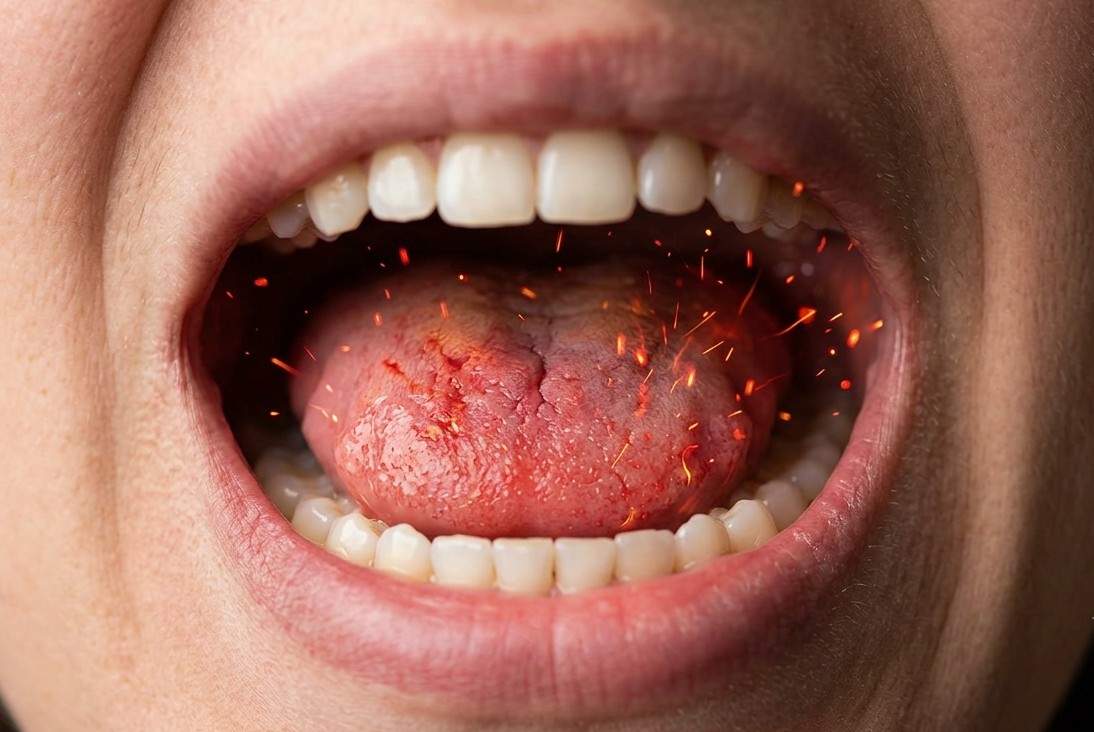
Burning Mouth Syndrome (BMS) is a frustrating condition that causes a persistent burning, tingling, or scalding sensation in the mouth without any visible sores or obvious medical cause. For many people, the discomfort can affect daily activities such as eating, drinking, speaking, and even sleeping.
Although BMS is not life-threatening, it can significantly reduce quality of life. The good news is that identifying possible underlying causes and following the right treatment plan can help manage symptoms and improve comfort.
This guide explains everything you need to know about Burning Mouth Syndrome, including its causes, symptoms, diagnosis, treatment options, home remedies, prevention tips, and frequently asked questions.
What Is Burning Mouth Syndrome?
Burning Mouth Syndrome (BMS) is a chronic pain disorder characterized by a burning or scalding sensation affecting the tongue, lips, gums, roof of the mouth, inside of the cheeks, or the entire mouth.
Unlike burns caused by hot foods or drinks, there are usually no visible signs of injury during an oral examination. Because of this, diagnosing BMS can sometimes be challenging.
Symptoms may last for months or even years and often fluctuate throughout the day.
How Common Is Burning Mouth Syndrome?
Burning Mouth Syndrome is relatively uncommon but affects middle-aged and older adults more frequently.
Women, particularly after menopause, are significantly more likely to develop the condition than men.
Researchers estimate that approximately 1% to 4% of the general population experiences BMS, although the exact prevalence varies among studies.
Types of Burning Mouth Syndrome
1. Primary Burning Mouth Syndrome
Primary BMS has no identifiable medical or dental cause. Experts believe it may result from nerve dysfunction affecting pain and taste sensations.
2. Secondary Burning Mouth Syndrome
Secondary BMS develops due to another underlying condition such as:
- Nutritional deficiencies
- Diabetes
- Dry mouth
- Oral infections
- Hormonal changes
- Medication side effects
- Acid reflux
- Allergies
Treating the underlying condition often improves symptoms.
Burning Mouth Syndrome Symptoms
Symptoms vary from person to person.
Common symptoms include:
- Persistent burning sensation on the tongue
- Burning lips
- Burning gums
- Burning palate
- Burning inside the cheeks
- Dry mouth
- Increased thirst
- Metallic taste
- Bitter taste
- Loss of taste
- Tingling sensation
- Numbness
- Mouth soreness without visible ulcers
- Pain that worsens throughout the day
- Difficulty eating spicy or acidic foods
The tongue is the most commonly affected area.
What Does Burning Mouth Syndrome Feel Like?
Many patients describe the pain as:
- Hot coffee burn
- Scalded mouth
- Pins and needles
- Tingling sensation
- Electric-like pain
- Stinging
- Raw feeling
- Constant irritation
Symptoms may improve while eating but return afterward.
Causes of Burning Mouth Syndrome
The exact cause remains unknown in many cases. Possible causes include:
1. Nerve Damage
Abnormal function of the nerves controlling pain and taste may trigger symptoms.
2. Hormonal Changes
Many women develop BMS after menopause, suggesting hormonal changes may play a role.
3. Dry Mouth (Xerostomia)
Reduced saliva can irritate oral tissues and increase burning sensations.
4. Nutritional Deficiencies
Deficiencies in:
- Vitamin B12
- Iron
- Folate
- Zinc
- Vitamin B6
may contribute to symptoms.
5. Diabetes
Poorly controlled diabetes can damage nerves and affect oral tissues.
6. Oral Thrush
Yeast infections may produce burning, soreness, and taste changes.
7. Acid Reflux (GERD)
Stomach acid reaching the mouth may irritate oral tissues.
8. Allergic Reactions
Sensitivity to:
- Toothpaste
- Mouthwash
- Dental materials
- Certain foods
may cause oral burning.
9. Psychological Factors
Stress, anxiety, and depression may worsen symptoms or increase pain sensitivity.
10. Medication Side Effects
Certain medications that cause dry mouth may contribute to BMS.
Burning Mouth Syndrome Risk Factors
You may be at higher risk if you are:
- Female
- Over 50 years old
- Postmenopausal
- Living with diabetes
- Experiencing chronic stress
- Vitamin deficient
- Living with dry mouth
- Having thyroid disorders
- Wearing dentures
- Taking medications that reduce saliva
How Is Burning Mouth Syndrome Diagnosed?
There is no single test for Burning Mouth Syndrome.
Healthcare providers usually perform:
- Complete medical history
- Oral examination
- Dental examination
- Blood tests
- Vitamin level testing
- Blood sugar testing
- Thyroid function tests
- Saliva flow evaluation
- Allergy testing
- Oral swab for fungal infection
- Review of medications
The goal is to rule out other conditions before diagnosing primary BMS.
Treatment for Burning Mouth Syndrome
Treatment depends on whether an underlying cause is identified.
1. Treat Nutritional Deficiencies
Replacing missing vitamins or minerals may improve symptoms.
2. Manage Dry Mouth
Doctors may recommend:
- Saliva substitutes
- Prescription medications
- Sugar-free chewing gum
- Frequent water intake
3. Treat Oral Infections
Antifungal medications help when oral thrush is present.
4. Improve Blood Sugar Control
Managing diabetes may reduce nerve irritation.
5. Medications for Nerve Pain
Depending on the individual, healthcare providers may prescribe medications that affect nerve-related pain.
6. Cognitive Behavioral Therapy (CBT)
CBT may help people cope with chronic pain and reduce stress-related symptom flare-ups.
7. Lifestyle Changes
Avoiding triggers often reduces discomfort.
Home Remedies for Burning Mouth Syndrome
While home remedies cannot cure BMS, they may help reduce symptoms.
1. Drink Plenty of Water
Frequent sips can ease dryness.
2. Suck on Ice Chips
Cold temperatures may temporarily reduce burning.
3. Chew Sugar-Free Gum
Stimulates saliva production.
4. Avoid Spicy Foods
Hot peppers and spicy meals may worsen pain.
5. Limit Acidic Foods
Reduce:
- Citrus fruits
- Tomatoes
- Vinegar-heavy foods
if they trigger symptoms.
6. Avoid Tobacco
Smoking may irritate oral tissues.
7. Reduce Alcohol
Alcoholic beverages and alcohol-containing mouthwashes may worsen burning.
8. Manage Stress
Relaxation techniques such as meditation, deep breathing, or yoga may help some individuals.
Foods to Eat with Burning Mouth Syndrome
Choose foods that are gentle on the mouth.
Examples include:
- Yogurt
- Oatmeal
- Bananas
- Rice
- Mashed potatoes
- Smoothies
- Eggs
- Cooked vegetables
- Soft fruits
- Lean proteins
- Soups (warm, not hot)
Foods to Avoid with BMS
Some foods may trigger symptoms.
These include:
- Chili peppers
- Hot sauce
- Citrus fruits
- Pineapple
- Tomatoes
- Carbonated drinks
- Alcohol
- Coffee (if irritating)
- Very hot foods
- Vinegar-rich foods
- Strong mint products
Complications of BMS
Persistent symptoms may lead to:
- Sleep disturbances
- Anxiety
- Depression
- Difficulty eating
- Reduced appetite
- Weight loss
- Reduced quality of life
- Social withdrawal
When Should You See a Doctor?
Seek medical evaluation if you experience:
- Burning mouth lasting longer than two weeks
- Severe mouth pain
- Difficulty swallowing
- Persistent dry mouth
- Taste changes
- Mouth pain with weight loss
- Mouth sores that do not heal
- Symptoms interfering with daily activities
Early diagnosis helps identify treatable causes.
Can Burning Mouth Syndrome Be Prevented?
Not every case can be prevented, but healthy habits may reduce risk.
These include:
- Eating a balanced diet
- Staying hydrated
- Treating vitamin deficiencies
- Controlling diabetes
- Practicing good oral hygiene
- Managing stress
- Regular dental checkups
- Avoiding tobacco
- Limiting alcohol
Living With Burning Mouth Syndrome
Living with BMS can be challenging, but many people find relief through a combination of medical care, dietary adjustments, stress management, and proper oral hygiene.
Keeping a symptom diary can also help identify triggers such as certain foods, medications, or stressful situations. Sharing this information with your healthcare provider may improve treatment decisions.
Remember that treatment often takes time. Regular follow-up with your dentist, physician, or oral medicine specialist can help monitor progress and adjust your care plan as needed.
FAQs
Who is most likely to develop Burning Mouth Syndrome?
It is most common in women over the age of 50, especially after menopause, although it can affect anyone.
Is Burning Mouth Syndrome serious?
It is not usually dangerous, but it can significantly affect eating, speaking, sleeping, and overall quality of life.
Is Burning Mouth Syndrome contagious?
No. BMS is not contagious and cannot spread from person to person.
Can stress make Burning Mouth Syndrome worse?
Yes. Stress, anxiety, and emotional tension can worsen symptoms in many people.
Which vitamins are linked to Burning Mouth Syndrome?
Deficiencies in vitamin B12, vitamin B6, folate, iron, and zinc have been associated with BMS.
Can diabetes cause Burning Mouth Syndrome?
Yes. Poorly controlled diabetes may contribute to nerve damage and dry mouth, increasing the risk of burning mouth symptoms.
Does Burning Mouth Syndrome cause dry mouth?
Many people experience dry mouth along with BMS, although saliva production may sometimes remain normal.
Can acid reflux cause Burning Mouth Syndrome?
Yes. Acid reflux (GERD) may irritate the mouth and contribute to burning sensations in some individuals.
Is there a cure for Burning Mouth Syndrome?
There is no single cure for primary BMS, but treating underlying causes and managing symptoms can provide significant relief.
Can Burning Mouth Syndrome go away on its own?
Some cases improve over time, especially when an underlying cause is treated. Others may require long-term symptom management.
Can dehydration make Burning Mouth Syndrome worse?
Yes. Dehydration can worsen dry mouth and increase oral discomfort.
Does Burning Mouth Syndrome affect taste?
Yes. Many people notice a metallic, bitter, or reduced sense of taste.
Is Burning Mouth Syndrome linked to menopause?
Yes. Hormonal changes during and after menopause are considered an important risk factor.
Can allergies trigger Burning Mouth Syndrome?
Yes. Allergies to certain foods, dental materials, toothpaste, or mouthwash may contribute to symptoms in some individuals.
How long does Burning Mouth Syndrome last?
Symptoms may last for months or even years, depending on the underlying cause and response to treatment.
Can smoking make Burning Mouth Syndrome worse?
Yes. Tobacco products can irritate the mouth and may worsen burning sensations.
Is Burning Mouth Syndrome permanent?
Not always. Some cases improve with treatment, while others may persist for months or years.
Does Burning Mouth Syndrome spread?
The discomfort may involve multiple areas of the mouth, but it does not “spread” like an infection.
Can a brain tumor cause Burning Mouth Syndrome?
Rarely. Brain tumors are not a common cause, but neurological conditions can cause similar symptoms.
What kind of doctor should I see for Burning Mouth Syndrome?
See a dentist or primary care doctor first. You may be referred to an oral medicine specialist, ENT, or neurologist.
Can liver problems cause Burning Mouth Syndrome?
Not usually, but liver disease may contribute through nutritional deficiencies.
Which nerve causes Burning Mouth Syndrome?
It is often linked to dysfunction of the trigeminal and facial nerves.
Do neurologists treat Burning Mouth Syndrome?
Yes. Neurologists may treat cases related to nerve dysfunction.
Can neck issues cause Burning Mouth Syndrome?
Sometimes. Certain neck or nerve problems may contribute to oral pain.
Is yogurt good for Burning Mouth Syndrome?
Yes. Plain yogurt is cool, soft, and may soothe mouth discomfort.
How do you reverse Burning Mouth Syndrome?
Treat the underlying cause and manage symptoms with medical care and lifestyle changes.
Are bananas good for Burning Mouth Syndrome?
Yes. Bananas are soft, non-acidic, and generally easy on the mouth.
Why do I suddenly get Burning Mouth Syndrome?
Possible causes include dry mouth, stress, vitamin deficiencies, medications, or hormonal changes.
What herb helps Burning Mouth Syndrome?
Chamomile and sage may help some people, but evidence is limited.
What makes Burning Mouth Syndrome worse?
Spicy foods, acidic foods, alcohol, tobacco, stress, dehydration, and hot drinks can worsen symptoms.
Key Takeaways
- BMS causes persistent burning pain without visible mouth abnormalities.
- The tongue is the most commonly affected area.
- Women after menopause have a higher risk.
- Underlying causes may include vitamin deficiencies, dry mouth, diabetes, acid reflux, nerve dysfunction, and oral infections.
- Diagnosis focuses on ruling out other medical conditions.
- Treatment depends on the underlying cause and may include medications, nutritional support, dry mouth management, and lifestyle changes.
- Early medical evaluation can improve symptom control and overall quality of life.
Sources / References:
- National Institute of Dental and Craniofacial Research (NIDCR)
- Mayo Clinic
- Cleveland Clinic
- American Dental Association (ADA)
- National Health Service (NHS)
- Oral Diseases Journal
- International Association for the Study of Pain (IASP)
About the Author:
Kirti Solanki is a Health Content Researcher who creates evidence-based, reader-friendly health articles by reviewing trusted medical guidelines and peer-reviewed research. Her goal is to make complex medical information accurate, understandable, and practical for everyday readers.
Disclaimer:
This guide is for educational purposes only and should not replace professional medical advice, diagnosis, or treatment. Always consult a qualified healthcare provider regarding persistent oral pain or other health concerns.
Also Read: