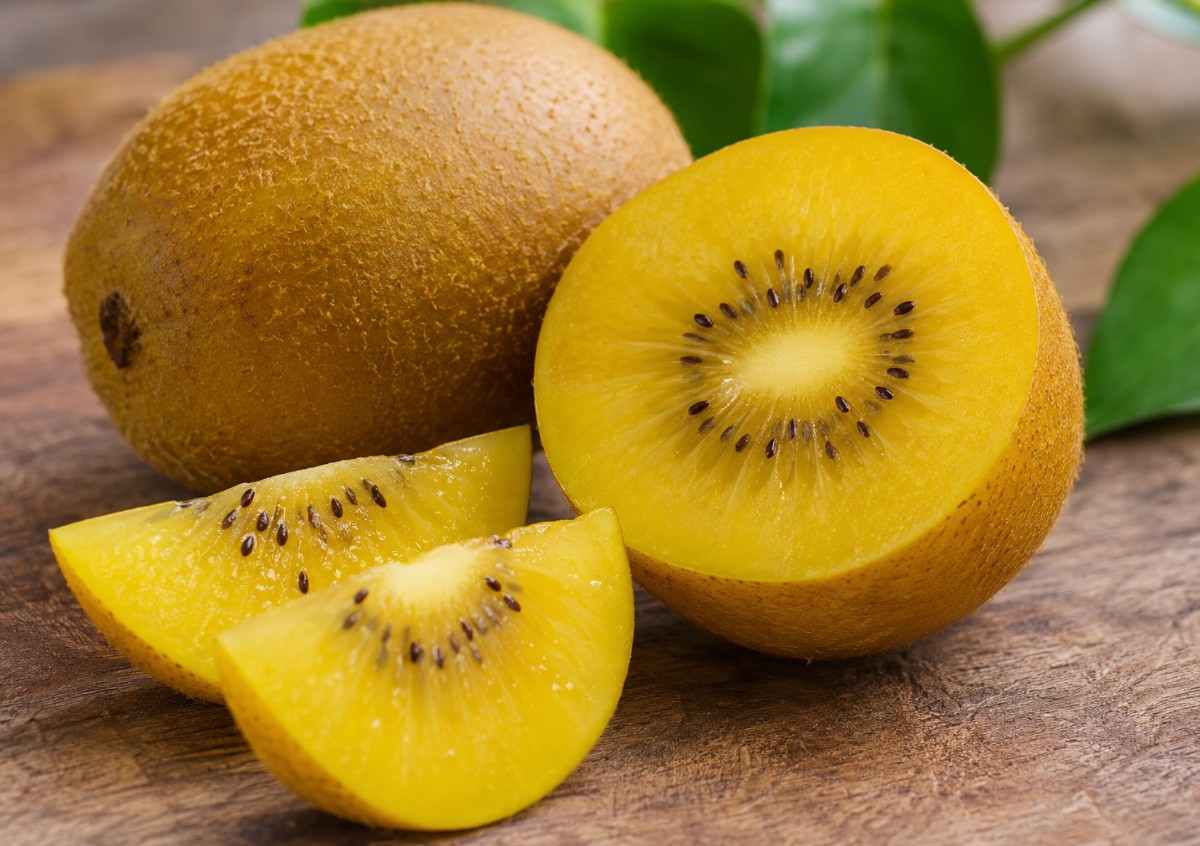
Golden kiwi (also known as Yellow Kiwi, or Gold Kiwifruit) is a delicious, naturally sweet fruit packed with vitamin C, antioxidants, dietary fiber, and essential nutrients. Its bright golden flesh, smooth texture, and tropical flavor make it a refreshing addition to a healthy diet. Beyond its taste, golden kiwi provides nutrients that support immune function, digestive health, skin health, and overall well-being.
Unlike green kiwi, golden kiwi generally has smoother, less hairy skin, a sweeter taste, and a slightly different nutritional composition. It is particularly known for its high vitamin C content, which helps protect cells from oxidative damage and supports several important functions in the body.
In this guide, we will explore what golden kiwi is, its nutrition facts, 20 potential health benefits, possible side effects, how to eat it, and the precautions you should know before consuming it.
What Is Golden Kiwi?
Golden kiwi, also known as yellow kiwi or gold kiwifruit, is an edible fruit that belongs to the Actinidia family. Its botanical name is generally associated with Actinidia chinensis. It is native to China and is now commercially grown in countries such as New Zealand, Italy, and other regions with suitable climates.
Golden kiwi has a golden-yellow or bright yellow interior, small edible black seeds, and a thin, relatively smooth brown skin. Compared with green kiwi, it usually tastes sweeter, less acidic, and more tropical.
One of its most impressive nutritional qualities is its high vitamin C content. It also contains dietary fiber, potassium, folate, vitamin E, and beneficial plant compounds.
Golden kiwi can be enjoyed fresh, sliced, blended into smoothies, or added to different recipes. Its naturally sweet flavor makes it a convenient way to add more fruit and nutrients to your everyday meals.
Nutrition Facts of Golden Kiwi
The following is an approximate nutrition information for 100 grams of raw golden kiwi. Values can vary depending on the cultivar, ripeness, and growing conditions.
| Nutrient | Approximate amount per 100 g |
|---|---|
| Calories | 63 kcal |
| Carbohydrates | 15.8 g |
| Natural sugars | 12.3 g |
| Dietary fiber | 1.4 g |
| Protein | 1.0 g |
| Total fat | 0.3 g |
| Saturated fat | 0.07 g |
| Vitamin C | 161 mg |
| Potassium | 315 mg |
| Folate | 31 mcg |
| Vitamin E | 1.5 mg |
| Calcium | 17 mg |
| Magnesium | 12 mg |
| Phosphorus | 25 mg |
| Sodium | 3 mg |
Note: These are approximate values for raw gold kiwifruit, not a guaranteed nutritional profile for every variety. Vitamin C is particularly sensitive to storage and handling.
20 Potential Health Benefits of Golden Kiwi
Here are 20 potential health benefits of including golden kiwi in a balanced diet.
- Supports Immune Function: Golden kiwi contains abundant vitamin C, which supports the normal functioning of immune cells and helps the body maintain its natural defenses.
- Promotes Healthy Digestion: Its dietary fiber contributes to digestive health by supporting regular bowel movements and helping maintain normal intestinal function.
- Supports Skin Health: Vitamin C plays an essential role in collagen production, helping maintain normal skin structure, firmness, and elasticity.
- Provides Antioxidant Protection: Golden kiwi contains vitamin C, vitamin E, and other plant compounds that help protect cells against oxidative stress.
- Supports Heart Health: Its potassium content contributes to normal blood pressure regulation, while a balanced diet rich in fruits may support cardiovascular health.
- Helps Maintain Healthy Blood Pressure: Potassium helps balance the effects of sodium and supports normal blood vessel and muscle function.
- Supports Collagen Production: The vitamin C in golden kiwi is necessary for collagen formation, which supports skin, cartilage, bones, and blood vessels.
- May Help Reduce Constipation: Kiwifruit consumption has been investigated in human studies for improving bowel movements and constipation-related symptoms, although the strongest evidence is not exclusive to golden varieties.
- Supports Iron Absorption: Vitamin C improves the absorption of non-heme iron from plant-based foods, making golden kiwi a useful addition to meals containing beans, lentils, and leafy vegetables.
- Supports Eye Health: Golden kiwi contains carotenoid compounds, including lutein and zeaxanthin, which are associated with normal eye health.
- Contributes to Healthy Bones: Vitamin C supports collagen formation in bone tissue, while potassium and other minerals contribute to normal body functions related to bone health.
- Supports Brain Function: Folate contributes to normal neurological function and plays an important role in several processes involved in brain and nervous system health.
- Helps Maintain Healthy Blood Vessels: Vitamin C supports collagen formation, which is important for maintaining the structure of blood vessel walls.
- Supports Energy Metabolism: Golden kiwi provides folate and other micronutrients that contribute to normal metabolic processes and help the body use nutrients from food.
- May Support Better Iron Status: Vitamin C improves plant-based iron absorption, which may be particularly useful for people who obtain most of their iron from vegetarian foods.
- Supports Healthy Cell Function: Folate is necessary for DNA synthesis and cell division, making it an important nutrient for normal growth and tissue maintenance.
- Contributes to Hydration: Golden kiwi has a high water content, helping contribute to daily fluid intake when included in a balanced diet.
- Supports Muscle Function: Its potassium content contributes to normal muscle contraction and nerve signaling.
- May Support Respiratory Health: A small randomized study in older adults found that regular gold kiwifruit consumption reduced the severity or duration of certain upper respiratory symptoms, although it did not significantly reduce the overall incidence of infections.
- Supports Overall Nutritional Health: Golden kiwi provides vitamin C, fiber, potassium, folate, and other nutrients that help fill nutritional gaps and contribute to a varied, balanced diet.
10 Possible Side Effects of Golden Kiwi
Golden kiwi is generally safe for most people when consumed in normal food quantities. However, some individuals may experience unwanted reactions, especially if they have a fruit allergy, digestive sensitivity, or certain medical conditions. Here are 10 possible side effects to know about.
- Allergic Reactions: Some people may develop an allergic reaction to golden kiwi, with symptoms such as itching, hives, swelling, or difficulty breathing.
- Mouth and Throat Itching: People with oral allergy syndrome may experience tingling, itching, or mild swelling in their lips, tongue, mouth, or throat after eating kiwi.
- Digestive Discomfort: Eating too much golden kiwi may cause stomach discomfort, particularly in people who are sensitive to fruit fiber or natural fruit sugars.
- Diarrhea: Consuming large quantities may increase bowel movements or cause loose stools in some individuals.
- Abdominal Bloating: The fiber and fermentable carbohydrates in fruit may contribute to gas or bloating in people with sensitive digestive systems.
- Stomach Cramps: Some individuals may experience abdominal cramps after eating more golden kiwi than their digestive system comfortably tolerates.
- Acid Reflux Symptoms: Although golden kiwi is generally less acidic in taste than green kiwi, its natural fruit acids may aggravate reflux symptoms in some sensitive individuals.
- Oral Irritation: Certain people may experience irritation or discomfort in their mouth after eating fresh kiwi because of its natural enzymes and other fruit compounds.
- Possible Problems With Potassium Restrictions: Golden kiwi contains potassium, so people who need to restrict potassium because of kidney disease or another medical condition should follow their healthcare professional’s dietary advice.
- Severe Allergic Reactions: Rarely, kiwi allergy can cause anaphylaxis, a serious allergic reaction that requires immediate emergency medical attention.
How to Eat Golden Kiwi?
Golden kiwi is easy to prepare and can be enjoyed in several ways. Its naturally sweet flavor makes it suitable for breakfast, snacks, desserts, and refreshing beverages.
Here are some simple ways to eat it:
- Eat It Fresh: Wash the fruit, cut it in half, and scoop out the golden flesh with a spoon.
- Eat It With the Skin: If properly washed and tolerated, golden kiwi skin is edible and provides additional fiber.
- Add It to Fruit Salad: Combine sliced golden kiwi with strawberries, bananas, apples, grapes, and other favorite fruits.
- Make a Smoothie: Blend golden kiwi with yogurt, milk, or other fruits for a refreshing smoothie.
- Add It to Oatmeal: Place sliced golden kiwi over oatmeal or overnight oats for natural sweetness.
- Prepare Fresh Juice: Blend golden kiwi with water and other fruits for a homemade fruit drink.
- Use It as a Dessert Topping: Add kiwi slices to yogurt bowls, pancakes, or homemade desserts.
- Make a Fruit Salsa: Combine chopped golden kiwi with cucumber, lime juice, and herbs for a fresh topping.
Tips for Consuming Golden Kiwi
A few simple habits can help you enjoy golden kiwi while making the most of its nutritional value.
- Choose Ripe Fruits: Select golden kiwi that gives slightly when gently pressed but is not excessively soft.
- Wash Before Eating: Rinse the fruit under clean running water before cutting or peeling it.
- Eat It Fresh: Fresh kiwi is a convenient way to obtain vitamin C and other nutrients.
- Keep the Skin: If you tolerate it, eating the washed skin can increase your fiber intake.
- Combine With Iron-Rich Foods: Enjoy golden kiwi alongside lentils, beans, spinach, or other plant-based iron sources.
- Avoid Excessive Consumption: Start with one fruit if you are not accustomed to eating kiwi.
- Cut Just Before Eating: Cutting the fruit shortly before serving helps maintain its freshness.
- Avoid Adding Extra Sugar: Golden kiwi is naturally sweet, so additional sugar is usually unnecessary.
- Try Different Recipes: Add it to salads, smoothies, breakfast bowls, and homemade fruit desserts.
- Check for Allergic Symptoms: Stop eating it if you notice itching, swelling, or other unusual reactions.
Other Uses of Golden Kiwi
Besides eating it as a fresh fruit, golden kiwi can be used in different food preparations and everyday recipes.
- Fruit Smoothies: Golden kiwi can be blended with bananas, berries, yogurt, or milk to prepare nutritious smoothies.
- Homemade Fruit Salads: Its bright yellow flesh adds natural sweetness, color, and freshness to fruit salads.
- Yogurt Toppings: Chopped golden kiwi makes a refreshing topping for plain yogurt and breakfast bowls.
- Healthy Desserts: It can be used in fruit parfaits, chilled desserts, puddings, and homemade fruit bowls.
- Homemade Popsicles: Blended golden kiwi can be frozen into homemade fruit popsicles without requiring added sugar.
- Fruit Sauces: Mashed golden kiwi can be used to prepare sweet fruit sauces for pancakes and desserts.
- Salad Dressings: Pureed golden kiwi can be incorporated into homemade fruit-based dressings.
- Food Garnishing: Its attractive golden color makes it useful for decorating cakes, fruit platters, and other dishes.
- Fruit Salsas: Chopped kiwi can be combined with lime, cucumber, and fresh herbs to make a sweet and tangy salsa.
- Natural Meat Marinades: Kiwi contains actinidin, a natural protein-digesting enzyme that can help tenderize meat. Use it briefly because prolonged marination may make meat overly soft.
How Much Golden Kiwi Can You Eat in a Day?
For most healthy adults, one to two medium-sized golden kiwis per day can be a reasonable fruit serving, depending on the size of the fruit and the rest of the diet.
A medium golden kiwi generally provides vitamin C, dietary fiber, potassium, and natural carbohydrates. Eating one fruit can be a convenient way to increase your daily fruit intake.
However, there is no officially established daily requirement specifically for golden kiwi. Your ideal amount depends on your overall diet, nutritional needs, digestive tolerance, and medical conditions.
If you are trying golden kiwi for the first time, begin with a small portion and observe how your body responds.
People with kidney disease, potassium restrictions, or a known kiwi allergy should seek individualized advice before including it in their diet.
Best Time to Eat Golden Kiwi
Golden kiwi can be eaten at different times of the day. There is no scientifically established best time that makes it more beneficial than eating it at another time.
Here are some convenient options:
- In the Morning: Enjoy Yellow kiwi with breakfast, oatmeal, or yogurt to add vitamin C and fiber to your morning meal.
- Between Meals: Eat it as a refreshing mid-morning or afternoon snack.
- Before or After Exercise: Its carbohydrates and potassium make it a convenient fruit option around physical activity.
- With Iron-Rich Meals: Include golden kiwi with plant-based meals to help improve non-heme iron absorption.
- In the Evening: You can enjoy it as part of an evening snack if it does not trigger digestive discomfort or acid reflux.
Choose the time that suits your routine and digestive comfort rather than following a strict eating schedule.
Who Should Eat Golden Kiwi?
Golden kiwi can be a nutritious addition to the diet of many people. Its vitamin C, fiber, potassium, and folate content make it particularly useful for individuals looking to eat more nutrient-rich fruits.
- People Looking to Support Immunity: Its vitamin C content contributes to the normal functioning of the immune system.
- People With Low Fruit Intake: Yellow kiwi offers an easy way to add another serving of fruit to daily meals.
- People Seeking Better Digestion: Its dietary fiber may support normal bowel movements and digestive function.
- Vegetarians and Vegans: Vitamin C helps improve the absorption of non-heme iron from plant-based foods.
- People Interested in Skin Health: Its vitamin C content supports normal collagen production.
- Older Adults: Its soft texture and nutrient content can make it a convenient fruit choice, provided it is tolerated.
- People With Active Lifestyles: Golden kiwi provides natural carbohydrates, potassium, and vitamin C.
- People Following Balanced Diets: It supplies several essential nutrients while providing relatively few calories.
- People Who Enjoy Healthy Snacks: Its natural sweetness makes it a convenient alternative to many highly processed sweet snacks.
- People Looking for Vitamin C Sources: Yellow kiwi is particularly rich in vitamin C and can help meet daily nutritional requirements.
Who Should Not Eat Golden Kiwi?
Although golden kiwi is safe for most people, certain individuals should avoid it or consult a healthcare professional before consuming it.
- People With Kiwi Allergies: Anyone with a confirmed kiwi allergy should avoid Yellow kiwi because it can trigger allergic reactions.
- People With Previous Anaphylaxis: Individuals who have experienced severe allergic reactions to kiwi should not experiment with other kiwi varieties without specialist advice.
- People With Oral Allergy Syndrome: Those who experience mouth or throat itching after eating kiwi should seek advice from an allergy specialist.
- People With Latex-Fruit Allergy: Some people with latex allergy may also react to kiwi because of cross-reactive allergens.
- People With Sensitive Digestive Systems: Individuals who experience bloating, cramps, or diarrhea after eating kiwi may need to limit or avoid it.
- People With Kidney Disease: Those following a potassium-restricted diet should consult their healthcare professional before consuming it regularly.
- People With Reflux Sensitivity: Individuals whose reflux symptoms worsen after eating acidic fruits may need to limit their intake.
- People With Known Fruit Intolerances: Anyone who consistently experiences digestive symptoms after eating kiwi should avoid triggering portions.
- Infants Starting Solid Foods: Kiwi should only be introduced in an age-appropriate texture and safely prepared form, following pediatric feeding guidance.
- People Advised to Follow a Restricted Diet: Individuals with specific medical dietary restrictions should check whether Yellow kiwi fits their prescribed eating plan.
How to Store Golden Kiwi?
Proper storage helps maintain the freshness, flavor, and nutritional quality of golden kiwi.
- Store Unripe Kiwi at Room Temperature: Keep firm Yellow kiwi at room temperature until it becomes slightly soft when gently pressed.
- Refrigerate Ripe Kiwi: Once ripe, place Yellow kiwi in the refrigerator to slow further ripening.
- Use a Clean Container: Store cut fruit in a clean, airtight food-safe container.
- Keep Cut Kiwi Refrigerated: Refrigerate sliced or peeled kiwi promptly and consume it within a few days.
- Avoid Excessive Moisture: Do not store wet fruit for long periods because excess moisture can encourage spoilage.
- Keep Away From Strong-Smelling Foods: Use a covered container to help prevent the fruit from absorbing unwanted refrigerator odors.
- Separate From Ethylene-Producing Fruits: If you want to slow ripening, avoid storing unripe kiwi beside fruits such as apples and bananas.
- Check Before Eating: Discard fruit that develops mold, an unpleasant smell, or an unusual slimy texture.
- Freeze for Longer Storage: Peel and slice golden kiwi before freezing it in a suitable freezer-safe container.
- Avoid Repeated Temperature Changes: Keep ripe kiwi refrigerated rather than repeatedly moving it between warm and cold environments.
Precautions and Interactions
Golden kiwi is generally well tolerated as a food, but a few precautions are important, particularly for people with allergies or medical dietary restrictions.
- Check for Allergies: Avoid golden kiwi if you have a known allergy to kiwi or have been advised to avoid it by an allergy specialist.
- Watch for Cross-Reactions: People with pollen or latex allergies may have an increased risk of reacting to certain kiwi proteins.
- Do Not Ignore Severe Symptoms: Difficulty breathing, throat swelling, faintness, or widespread hives after eating kiwi require immediate emergency medical attention.
- Consider Kidney Health: People with advanced kidney disease or potassium restrictions should account for the potassium in golden kiwi.
- Avoid Excessive Intake: Eating too much fruit at once may lead to bloating, diarrhea, or abdominal discomfort.
- Wash Before Cutting: Always wash the fruit under running water to reduce surface dirt and contamination.
- Be Careful With Food Preparation: Use clean knives, cutting boards, and containers when preparing fresh kiwi.
- Consider Digestive Sensitivity: People with irritable bowel syndrome or other digestive conditions should monitor their individual tolerance.
- Check Medication-Related Diet Restrictions: There are no well-established major medication interactions with ordinary food portions of kiwi, but follow any specific dietary instructions provided by your healthcare professional.
- Do Not Replace Medical Treatment: Gold Kiwifruit can contribute to a nutritious diet but should never replace prescribed medication or treatment.
FAQ’s
Is golden kiwi healthier than green kiwi?
Both varieties are nutritious. Golden kiwi generally contains more vitamin C, while green kiwi often provides more dietary fiber.
Can you eat golden kiwi skin?
Yes, Gold Kiwifruit skin is edible. Wash it thoroughly before eating, or peel it if you prefer a smoother texture.
Is golden kiwi good for weight loss?
Gold Kiwifruit is relatively low in calories and contains water and fiber, making it a suitable fruit for a balanced weight-management diet.
Is golden kiwi good for digestion?
Yes, Gold Kiwifruit contains dietary fiber that supports regular bowel movements and digestive health.
Does golden kiwi have more vitamin C than oranges?
Yes, Gold Kiwifruit generally contains considerably more vitamin C per 100 grams than oranges, although the exact amount varies.
Can people with diabetes eat golden kiwi?
Yes, many people with diabetes can enjoy moderate portions of whole Gold Kiwifruit. However, they should consider its natural sugar and carbohydrate content when planning meals.
Is golden kiwi good for skin?
Yes, Gold Kiwifruit contains vitamin C, which supports collagen production and helps protect skin cells against oxidative stress.
Does golden kiwi help with constipation?
Gold Kiwifruit may help improve bowel movements because it contains dietary fiber and has been studied for its potential digestive benefits.
What does golden kiwi taste like?
Gold Kiwifruit has a naturally sweet, juicy, and tropical flavor with mild tanginess. It is generally sweeter and less acidic-tasting than green kiwi.
Can you eat golden kiwi every day?
Yes, most people can safely eat Gold Kiwifruit every day in moderate portions, provided they do not have a kiwi allergy or a medical dietary restriction.
Is golden kiwi good for immunity?
Gold Kiwifruit is rich in vitamin C, which supports normal immune system function and helps protect cells from oxidative damage.
Can children eat golden kiwi?
Yes, children can eat Gold Kiwifruit when served in an age-appropriate texture and safely cut into small pieces. Watch for possible allergic reactions.
How do you know when golden kiwi is ripe?
A ripe Gold Kiwifruit feels slightly soft when gently pressed. It should have a pleasant fruity smell without signs of mold or spoilage.
How long does golden kiwi last in the refrigerator?
Ripe Gold Kiwifruit can generally last around one to two weeks in the refrigerator, depending on its initial ripeness and storage conditions. Cut kiwi should be refrigerated in an airtight container and consumed within a few days.
Can you eat golden kiwi at night?
Yes, Gold Kiwifruit can be enjoyed at night as a light fruit snack. However, people with acid reflux or digestive sensitivity should consider their individual tolerance.
Is golden kiwi acidic?
Gold Kiwifruit contains natural organic acids, although it generally tastes sweeter and less acidic than green kiwi. People with acid reflux should monitor their individual tolerance.
Is golden kiwi safe for pregnant women?
Yes, Gold Kiwifruit is generally safe during pregnancy when eaten in normal food portions. It provides vitamin C, folate, and fiber that support maternal nutrition.
What is golden kiwi good for?
Gold Kiwifruit supports immunity, digestion, skin health, and overall wellness because it is rich in vitamin C, fiber, and antioxidants.
What is special about golden kiwi?
Gold Kiwifruit is known for its golden-yellow flesh, naturally sweet tropical flavor, smooth skin, and high vitamin C content.
Is golden kiwi available in India?
Yes, Gold Kiwifruit is available in India through premium fruit stores, selected supermarkets, and online grocery platforms.
Is golden kiwi expensive?
Yes, Gold Kiwifruit is generally more expensive than green kiwi because it is often imported and sold as a premium fruit.
Sources / References:
Disclaimer:
This article is for educational purposes only and should not replace professional medical advice, diagnosis, or treatment. Consult a qualified healthcare professional about individual dietary needs or medical concerns.
Also Read: