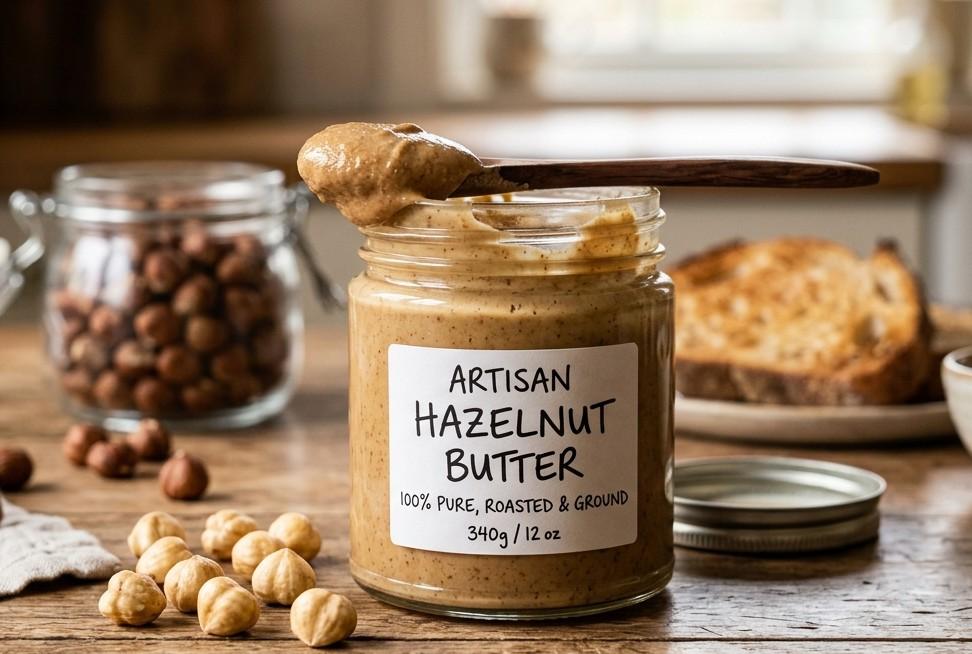
Hazelnut butter is a rich, creamy spread made by grinding roasted hazelnuts into a smooth paste. Naturally packed with healthy fats, plant-based protein, fiber, vitamins, minerals, and antioxidants, it has become a popular alternative to peanut butter and almond butter among health-conscious people. Unlike chocolate hazelnut spreads that often contain added sugar and palm oil, pure hazelnut butter delivers the natural flavor and nutritional benefits of hazelnuts.
This guide explores everything you need to know about hazelnut butter, including its nutrition facts, health benefits, possible side effects, and the best ways to enjoy it as part of a balanced diet.
What is Hazelnut Butter?
Hazelnut butter is a natural nut butter produced by grinding roasted or raw hazelnuts until they release their natural oils and form a smooth, creamy consistency. Some varieties contain only hazelnuts, while others may include a small amount of salt or natural oil for improved texture. Premium-quality hazelnut butter generally contains no added sugar, preservatives, hydrogenated oils, or artificial ingredients.
Hazelnuts are harvested from hazel trees, primarily grown in countries such as Turkey, Italy, the United States, Spain, and Georgia. Because hazelnuts are naturally rich in healthy fats, the grinding process transforms them into a silky, spreadable butter without requiring additional fats. Hazelnut butter has a naturally sweet, roasted, nutty flavor that pairs well with fruits, bread, yogurt, smoothies, desserts, and savory recipes.
Nutrition Facts of Hazelnut Butter
| Nutrient | Amount (Per 2 tablespoons (32 g) |
|---|---|
| Calories | 190–200 kcal |
| Protein | 4–5 g |
| Total Fat | 18–19 g |
| Saturated Fat | 1.5 g |
| Monounsaturated Fat | 14 g |
| Polyunsaturated Fat | 2 g |
| Carbohydrates | 5–6 g |
| Dietary Fiber | 3 g |
| Natural Sugars | 1–2 g |
| Vitamin E | 5–7 mg |
| Magnesium | 45 mg |
| Calcium | 35 mg |
| Iron | 1 mg |
| Potassium | 190 mg |
| Phosphorus | 100 mg |
| Copper | 0.4 mg |
| Manganese | 0.7 mg |
Values are approximate and may vary depending on the brand and ingredients.
20 Proven Health Benefits of Hazelnut Butter
1. Supports Heart Health
The high content of monounsaturated fats may help improve cholesterol levels and support long-term cardiovascular health when consumed in moderation.
2. Rich in Healthy Fats
Hazelnut butter provides heart-friendly fats that supply long-lasting energy and support healthy cell function.
3. Excellent Source of Vitamin E
Vitamin E acts as a powerful antioxidant that helps protect cells from oxidative damage and supports healthy skin and immune function.
4. Provides Plant-Based Protein
Its moderate protein content helps support muscle maintenance, tissue repair, and overall body function.
5. Helps Keep You Full
The combination of healthy fats, protein, and fiber promotes satiety and may help reduce unnecessary snacking.
6. Supports Brain Function
Healthy fats and antioxidants contribute to normal brain function and may help protect nerve cells from oxidative stress.
7. May Help Lower Bad Cholesterol
Regular intake of unsaturated fats may help reduce LDL cholesterol while supporting healthy HDL cholesterol levels.
8. Supports Healthy Blood Sugar Levels
Because it contains relatively few carbohydrates and healthy fats, hazelnut butter may help slow glucose absorption when eaten with balanced meals.
9. High in Antioxidants
Hazelnuts naturally contain antioxidant compounds that help combat free radicals and support overall health.
10. Promotes Healthy Skin
Vitamin E and healthy fats nourish the skin from within and may help maintain skin elasticity and hydration.
11. Supports Bone Health
Minerals such as magnesium, phosphorus, and calcium contribute to strong bones and healthy skeletal function.
12. Aids Digestive Health
Dietary fiber supports regular bowel movements and helps maintain a healthy digestive system.
13. Provides Sustained Energy
Its nutrient-dense composition delivers slow-releasing energy that can fuel daily activities.
14. Supports Muscle Function
Magnesium and potassium play important roles in normal muscle contraction and relaxation.
15. Helps Reduce Oxidative Stress
Natural antioxidants may reduce oxidative damage associated with aging and environmental stress.
16. Supports Immune Function
Vitamin E, copper, and other nutrients help maintain a healthy immune system.
17. May Support Healthy Weight Management
Its satisfying combination of fats and protein may help control appetite when consumed as part of a balanced diet.
18. Supports Healthy Blood Vessel Function
Healthy fats may contribute to improved vascular health and normal blood circulation.
19. Naturally Gluten-Free
Pure hazelnut butter is naturally gluten-free, making it suitable for most people following a gluten-free diet.
20. Easy to Include in a Balanced Diet
Its versatility makes it simple to add nutrient-rich healthy fats and protein to everyday meals and snacks.
Related Articles:
- Walnut Butter: 20 Benefits, Nutrition, Side Effects & How to Make It
- Cashew Butter: 20 Benefits, Nutrition, Side Effects & How to Make It
- Sunflower Seed Butter: 20 Benefits, Side Effects & How to Make It
10 Side Effects of Hazelnut Butter
1. May Trigger Nut Allergies
People with hazelnut or tree nut allergies should avoid hazelnut butter because it can cause severe allergic reactions.
2. High in Calories
Large portions may contribute to excessive calorie intake and weight gain if consumed regularly.
3. May Cause Digestive Discomfort
Eating excessive amounts may lead to bloating, gas, or stomach discomfort in sensitive individuals.
4. Possible Added Sugar
Flavored or sweetened varieties may contain significant amounts of added sugar, reducing their nutritional value.
5. Risk of Overeating
Its rich flavor and creamy texture can make portion control difficult.
6. Possible Added Oils
Some commercial brands contain palm oil or other added fats that may reduce the product’s overall nutritional quality.
7. Oxalate Content
Hazelnuts contain oxalates, which may be a concern for individuals prone to certain types of kidney stones.
8. Potential Medication Considerations
People following medically prescribed diets should consult their healthcare provider before making major dietary changes.
9. May Cause Acne in Some Individuals
Although evidence is limited, some people report skin breakouts after consuming large amounts of nut butters.
10. Possible Rancidity
Improper storage may cause the natural oils to become rancid, affecting both taste and nutritional quality.
How to Eat Hazelnut Butter?
Hazelnut butter is versatile and can easily be incorporated into everyday meals and snacks.
- Spread it on whole-grain toast or multigrain bread.
- Add it to oatmeal or overnight oats.
- Blend it into smoothies for extra creaminess.
- Stir it into Greek yogurt.
- Use it as a dip for apples slices, bananas, pears, or strawberries.
- Spread it on rice cakes.
- Mix it into homemade energy balls.
- Add it to protein shakes.
- Use it as a topping for pancakes or waffles.
- Enjoy it straight from the spoon in moderation.
Tips for Consuming Hazelnut Butter
- Choose products made with 100% hazelnuts whenever possible.
- Read ingredient labels carefully and avoid added sugars and hydrogenated oils.
- Practice portion control because hazelnut butter is calorie-dense.
- Pair it with fruits or whole grains for a balanced snack.
- Stir natural hazelnut butter if the oil separates.
- Refrigerate after opening if recommended by the manufacturer.
- Include it as part of a varied, nutrient-rich diet.
- Individuals with tree nut allergies should avoid consuming it.
- Use clean, dry utensils to prevent contamination.
- Introduce small amounts first if trying it for the first time.
How to Use Hazelnut Butter?
Hazelnut butter is suitable for both sweet and savory recipes.
- Spread on toast, bagels, or crackers.
- Blend into fruit smoothies.
- Mix into oatmeal or porridge.
- Stir into yogurt or cottage cheese.
- Use as a filling for sandwiches.
- Drizzle over pancakes, waffles, or French toast.
- Add to homemade granola bars.
- Mix into salad dressings for a nutty flavor.
- Incorporate into sauces for roasted vegetables.
- Use in cookies, brownies, muffins, cakes, and other baked goods.
- Prepare healthy desserts using cocoa powder and natural sweeteners.
- Blend into homemade protein bites.
- Swirl into chia pudding.
- Mix into homemade ice cream or frozen yogurt.
- Add to smoothie bowls for extra nutrition.
Other Uses of Hazelnut Butter
Beyond being a delicious spread, hazelnut butter has many practical culinary uses.
- Natural Baking Ingredient: Replace butter or part of the oil in baked goods to add a rich nutty flavor and extra nutrition.
- Smoothie Booster: Blend it into smoothies for a creamy texture and additional protein and healthy fats.
- Dessert Filling: Use it as a filling for cakes, pastries, cookies, and homemade chocolates.
- Breakfast Topping: Spread it over pancakes, waffles, toast, or oatmeal for a satisfying breakfast.
- Fruit Dip: Pair it with apple slices, bananas, pears, or strawberries for a wholesome snack.
- Salad Dressing Base: Whisk it with olive oil, lemon juice, and herbs to create a creamy salad dressing.
- Sauce Thickener: Add a spoonful to savory sauces for extra richness and depth of flavor.
- Energy Ball Ingredient: Mix it with oats, seeds, and dried fruits to prepare homemade energy bites.
- Frozen Treat Base: Blend it into frozen yogurt or homemade ice cream for a creamy dessert.
- Healthy Snack Spread: Spread it on rice cakes, crackers, or celery sticks for a quick, nutrient-rich snack.
How to Make Hazelnut Butter?
Making hazelnut butter at home is simple and requires only one main ingredient.
Ingredients:
- 2–3 cups roasted hazelnuts
- Optional: A pinch of sea salt
- Optional: 1 teaspoon vanilla extract
- Optional: Cinnamon or cocoa powder for flavor
Instructions:
- Roast the hazelnuts at 350°F (175°C) for about 10–15 minutes if they are not already roasted.
- Allow them to cool slightly.
- Rub the nuts with a clean kitchen towel to remove most of the loose skins.
- Place the hazelnuts into a high-powered food processor.
- Blend continuously for 8–15 minutes, scraping down the sides as needed.
- The mixture will first become crumbly before turning into a smooth, creamy butter as the natural oils are released.
- Add salt or other optional flavorings if desired and blend again.
- Transfer the butter to a clean, airtight glass jar.
Homemade hazelnut butter contains no preservatives, making it a healthier alternative to many commercial spreads.
How Much Hazelnut Butter Can You Eat in a Day?
For most healthy adults, 1–2 tablespoons (16–32 grams) per day is considered a reasonable serving size as part of a balanced diet.
People with higher calorie needs, such as athletes or highly active individuals, may consume slightly more depending on their overall nutritional requirements.
Because hazelnut butter is calorie-dense, eating large amounts regularly may contribute to excess calorie intake.
The ideal amount depends on age, activity level, and overall diet.
| Group | Recommended Daily Amount |
|---|---|
| Children (5–12 years) | 1 tablespoon |
| Teenagers | 1–2 tablespoons |
| Healthy adults | 1–2 tablespoons |
| Athletes | 2–3 tablespoons (depending on calorie needs) |
| Older adults | 1–2 tablespoons |
Individuals with medical conditions should follow personalized advice from a healthcare professional or registered dietitian.
Best Time to Eat Hazelnut Butter
There is no single “best” time to eat hazelnut butter, but certain times may offer specific benefits.
- At breakfast for long-lasting energy.
- Before exercise as part of a balanced pre-workout snack.
- After workouts when paired with protein and carbohydrates.
- As a healthy afternoon snack.
- Mixed into evening oatmeal or yogurt if it fits your daily calorie intake.
The most important factor is consuming it in moderation as part of a healthy eating pattern.
Who Should Eat Hazelnut Butter?
- Active Individuals: Its healthy fats and protein provide sustained energy for physically active people.
- Vegetarians and Vegans: Hazelnut butter offers plant-based protein and healthy fats that complement meat-free diets.
- People Seeking Heart-Healthy Foods: Its monounsaturated fats may support cardiovascular wellness.
- Individuals Looking to Gain Healthy Weight: The calorie density makes it useful for healthy weight gain when eaten appropriately.
- Busy Professionals: It provides a quick and nutritious snack option during hectic schedules.
- Students: Healthy fats may support concentration and provide steady energy throughout the day.
- Older Adults: Vitamin E and healthy fats may help support healthy aging and overall nutrition.
- Fitness Enthusiasts: It can be incorporated into pre- or post-workout meals for additional energy and nutrients.
- People Following Mediterranean-Style Diets: Hazelnut butter aligns well with eating patterns that emphasize healthy fats.
- Anyone Seeking Nutritious Snacks: It serves as a wholesome alternative to sugary spreads when chosen without added sugar.
Who Should Not Eat Hazelnut Butter?
- People with Tree Nut Allergies: Even small amounts may trigger severe allergic reactions.
- Individuals with Hazelnut Allergy: Hazelnut butter should be completely avoided.
- People on Strict Calorie-Restricted Diets: Large portions may make it difficult to stay within calorie goals.
- Individuals Sensitive to High-Fat Foods: Some people may experience digestive discomfort after consuming fatty foods.
- People with Certain Kidney Stone Conditions: Those advised to limit oxalate-rich foods should consult a healthcare professional.
- Infants: Whole nut butters should only be introduced according to pediatric feeding recommendations to reduce choking and allergy concerns.
- People Following Medical Nutrition Therapy: Those with specific dietary restrictions should seek professional guidance before adding it regularly.
- Individuals with Digestive Disorders: Large servings may worsen symptoms in some people with sensitive digestive systems.
How to Store Hazelnut Butter?
- Use an Airtight Container: Store hazelnut butter in a tightly sealed glass or food-grade container.
- Keep Away from Heat: Avoid placing it near ovens or direct sunlight.
- Refrigerate After Opening if Needed: Natural varieties stay fresh longer when refrigerated.
- Use Clean Utensils: Always use a dry, clean spoon to prevent contamination.
- Stir Before Use: Natural oil separation is normal; stir well before serving.
- Check the Expiration Date: Follow the manufacturer’s storage recommendations.
- Discard if Rancid: Do not consume hazelnut butter that develops an unpleasant smell or bitter taste.
- Freeze for Long-Term Storage: Homemade hazelnut butter can be frozen in airtight containers for several months.
Precautions and Interactions
- Tree Nut Allergy: Avoid hazelnut butter entirely if you have a confirmed tree nut allergy.
- Portion Control: Consume moderate servings to avoid excessive calorie intake.
- Medication Considerations: Individuals taking medication for chronic conditions should consult their healthcare provider regarding overall dietary changes.
- Kidney Stone Risk: People with a history of oxalate kidney stones may need personalized dietary advice.
- Read Ingredient Labels: Choose products without added sugar, hydrogenated oils, or excessive sodium.
- Watch for Cross-Contamination: People with severe allergies should purchase products manufactured in dedicated allergen-safe facilities whenever possible.
- Pregnancy and Breastfeeding: Pure hazelnut butter is generally safe when consumed in moderation unless there is a known allergy or medical restriction.
- Introduce Gradually: If trying hazelnut butter for the first time, begin with a small serving to monitor tolerance.
FAQ’s
Is hazelnut butter healthy?
Yes, natural hazelnut butter is rich in healthy monounsaturated fats, vitamin E, fiber, and antioxidants, making it a nutritious addition to a balanced diet when eaten in moderation.
What does hazelnut butter taste like?
Hazelnut paste has a rich, creamy texture with a naturally sweet, roasted, and nutty flavor.
Is hazelnut butter better than peanut butter?
Both are nutritious. Hazelnut paste contains more vitamin E and monounsaturated fats, while peanut butter is generally higher in protein. The better choice depends on your dietary needs and preferences.
Can I eat hazelnut butter every day?
Yes, most healthy adults can enjoy 1–2 tablespoons of natural hazelnut paste daily as part of a balanced diet.
Is hazelnut butter good for weight loss?
Hazelnut paste may support weight management by promoting fullness, but it should be eaten in moderation because it is calorie-dense.
Is hazelnut butter good for heart health?
Yes, its healthy fats and antioxidants may help support healthy cholesterol levels and overall cardiovascular health.
Does hazelnut butter contain protein?
Yes, natural hazelnut paste provides about 4–5 grams of plant-based protein per 2-tablespoon serving.
Is hazelnut butter safe for children?
Yes, hazelnut paste can be a healthy food for children if they do not have a tree nut allergy and it is introduced in an age-appropriate manner.
Is hazelnut butter gluten-free?
Pure hazelnut butter made from 100% hazelnuts is naturally gluten-free. Always check the label for added ingredients or potential cross-contamination.
Can people with diabetes eat hazelnut butter?
Yes, unsweetened hazelnut butter can be included in a diabetes-friendly diet in moderation. Choose varieties without added sugar and consult a healthcare professional for personalized advice.
Can I use hazelnut butter in baking?
Absolutely. Hazelnut butter works well in cookies, cakes, muffins, brownies, smoothies, sauces, and homemade energy bars.
Does hazelnut butter need to be refrigerated?
Natural hazelnut butter does not always require refrigeration, but refrigerating it after opening can help preserve freshness and prevent the natural oils from becoming rancid.
Is hazelnut butter vegan?
Yes, pure hazelnut butter made only from hazelnuts is naturally vegan. Check the ingredient list to ensure no dairy or honey has been added.
How long does homemade hazelnut butter last?
Homemade hazelnut butter typically lasts about 2–4 weeks in the refrigerator when stored in a clean, airtight container.
Is Hazelnut Butter safe for pregnant women?
Yes, natural hazelnut butter is generally safe during pregnancy in moderation unless you have a tree nut allergy.
What is Hazelnut Butter good for?
Hazelnut butter supports heart health, provides healthy fats, protein, vitamin E, antioxidants, and helps keep you full.
Is hazelnut butter the same as Nutella?
No. Hazelnut butter is mostly made from hazelnuts, while Nutella contains added sugar, cocoa, and palm oil.
Which is healthier, hazelnut butter or almond butter?
Both are healthy. Hazelnut butter is richer in vitamin E, while almond butter contains more protein and fiber.
Sources / References:
- U.S. Department of Agriculture (USDA) FoodData Central
- Harvard T.H. Chan School of Public Health – The Nutrition Source
- American Heart Association
- Academy of Nutrition and Dietetics
- National Institutes of Health – Office of Dietary Supplements (Vitamin E)
- MedlinePlus
- Mayo Clinic
Also Read:
- Hazelnut Oil: 20 Benefits, Side Effects, Uses, Dosage & How to Make
- Butter vs Ghee: Which One Is Healthier and Why?
- Almond Butter vs. Peanut Butter: Which One Is Healthier?
About the Author:
Written by: Kirti Solanki (Health Content Researcher)
Kirti Solanki is a Health Content Researcher who creates evidence-based nutrition and wellness content using trusted medical and scientific sources. Her goal is to provide accurate, practical, and easy-to-understand health information for readers.
Disclaimer:
This guide is for informational purposes only and is not a substitute for professional medical advice, diagnosis, or treatment. Always consult a qualified healthcare professional before making significant changes to your diet or lifestyle.