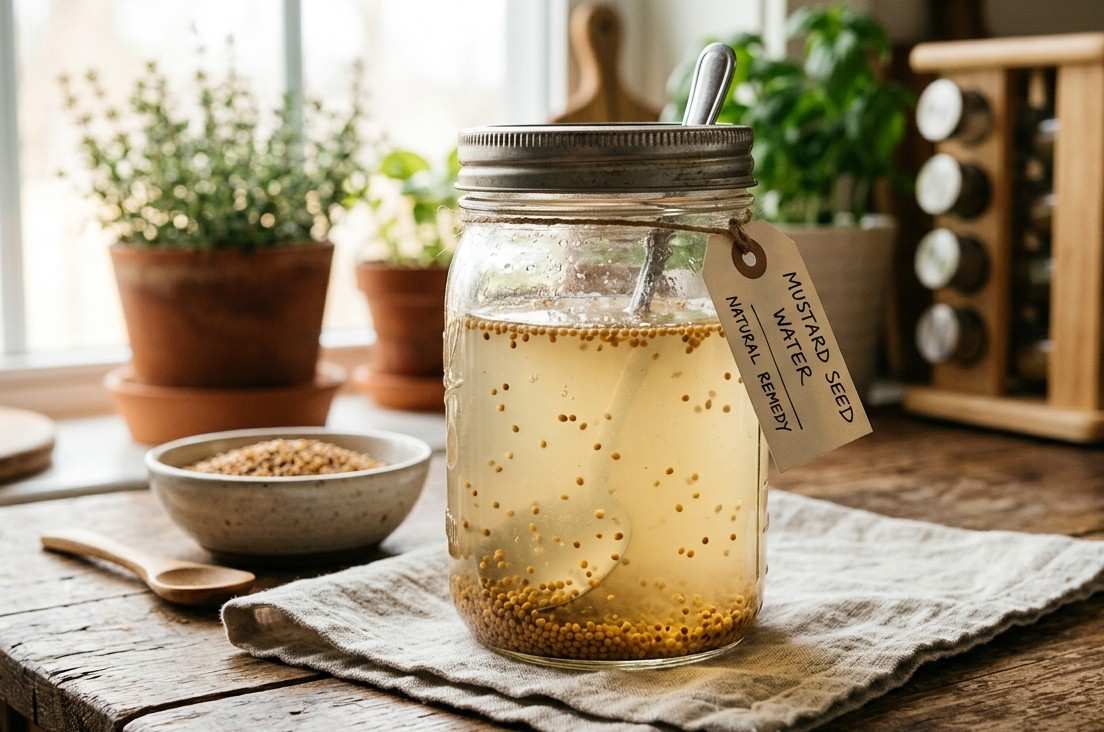
Mustard seeds have been a staple in traditional kitchens and healing systems for centuries. While most people are familiar with their use in cooking, fewer know about mustard seed water—a simple infusion that is gaining attention for its potential health benefits. This guide walks you through everything you need to know, from nutrition and proven health benefits to preparation, safety, and best practices.
What is Mustard Seed Water?
Mustard seed water is a natural infusion made by soaking or lightly boiling mustard seeds in water. The seeds release bioactive compounds—such as glucosinolates, selenium, magnesium, and antioxidants—into the water, creating a mildly pungent drink with potential therapeutic effects.
Depending on preparation, mustard seed water can be:
- Soaked overnight (milder and more balanced)
- Lightly boiled (stronger and more concentrated)
It has a slightly sharp, earthy taste and is commonly consumed in small amounts due to its potency.
Nutrition Facts of Mustard Seed Water
| Nutrient | Amount (per 1 cup infusion) |
|---|---|
| Calories | 5–10 kcal |
| Protein | 0.3 g |
| Fat | 0.4 g |
| Carbohydrates | 0.5 g |
| Fiber | 0.2 g |
| Selenium | 5–8 mcg |
| Magnesium | 8–12 mg |
| Calcium | 10–15 mg |
| Potassium | 20–30 mg |
| Antioxidants | Moderate |
| Glucosinolates | Trace amounts |
Note: Values vary based on seed quantity and preparation method.
20 Science-Backed Benefits of Mustard Seed Water
- Supports Digestion – Mustard seed water stimulates digestive enzymes, helping improve digestion and reduce bloating.
- Boosts Metabolism – The compounds in mustard seeds may slightly increase metabolic rate, aiding calorie burn.
- Anti-Inflammatory Effects – Selenium and magnesium help reduce inflammation in the body.
- Rich in Antioxidants – Helps combat oxidative stress and protects cells from damage.
- Promotes Heart Health – Nutrients like magnesium support healthy blood pressure and circulation.
- Aids Detoxification – Encourages natural detox processes through improved digestion and hydration.
- Supports Respiratory Health – Traditionally used to relieve congestion and improve breathing.
- Improves Skin Health – Antioxidants may contribute to clearer, healthier skin.
- Boosts Immunity – Trace minerals help strengthen the immune response.
- May Help with Weight Management – Improved digestion and metabolism can support weight control.
- Relieves Muscle Pain – Anti-inflammatory properties may reduce soreness.
- Supports Bone Health – Contains minerals like calcium and magnesium.
- Improves Circulation – May help stimulate blood flow.
- Balances Blood Sugar Levels – Some compounds may help regulate glucose metabolism.
- Supports Liver Function – Assists in detoxification processes.
- Helps Relieve Constipation – Mild stimulation of the digestive tract aids bowel movement.
- Enhances Nutrient Absorption – Improves breakdown and absorption of food nutrients.
- Natural Antibacterial Properties – May help fight harmful microbes.
- Supports Joint Health – Anti-inflammatory effects may ease joint discomfort.
- Promotes Overall Vitality – Regular use in moderation may support general well-being.
10 Side Effects of Mustard Seed Water
- Digestive Irritation – Excess intake may cause stomach burning or irritation.
- Allergic Reactions – Some individuals may be sensitive to mustard seeds.
- Thyroid Interference – Overconsumption may affect thyroid function due to goitrogens.
- Skin Sensitivity – Strong infusions may cause irritation if applied externally.
- Low Blood Pressure Risk – May slightly lower blood pressure in some individuals.
- Heartburn Trigger – Can aggravate acid reflux in sensitive people.
- Pregnancy Concerns – High intake may not be safe during pregnancy.
- Medication Interactions – May interact with blood pressure or thyroid medications.
- Toxicity in Excess – Large quantities can be harmful due to certain compounds.
- Nausea or Vomiting – Overuse may upset the stomach.
How to Make Mustard Seed Water?
Method 1: Soaking Method (Recommended)
- Take 1 teaspoon of mustard seeds.
- Add to 1 glass of water.
- Let it soak overnight.
- Strain and drink in the morning.
Method 2: Boiling Method
- Add 1 teaspoon mustard seeds to 1 cup water.
- Boil for 5–7 minutes.
- Cool, strain, and consume.
Tips for Consuming Mustard Seed Water
- Start with small quantities to assess tolerance.
- Drink on an empty stomach for better absorption.
- Avoid adding sugar; a little honey or lemon can be added if needed.
- Do not overconsume—moderation is key.
- Use fresh, high-quality mustard seeds.
Other Uses of Mustard Seed Water
- Hair Rinse – May help improve scalp health.
- Skin Toner – Mild infusion can be used for cleansing.
- Foot Soak – Helps relax tired feet.
- Gargle Solution – Traditionally used for throat discomfort.
- Natural Cleaning Agent – Mild antibacterial properties.
How Much Mustard Seed Water Can You Drink in a Day?
- Recommended: 1 small glass (150–200 ml) per day
- Beginners: Start with half a glass
- Avoid exceeding 1–2 glasses daily
Best Time to Drink Mustard Seed Water
- Early morning on an empty stomach is ideal
- Alternatively, before meals to support digestion
- Avoid late-night consumption if it causes acidity
Who Should Drink Mustard Seed Water?
- Individuals with mild digestive issues
- Those looking to boost metabolism naturally
- People seeking natural detox support
- Individuals with mild inflammation or joint discomfort
Who Should Avoid Mustard Seed Water?
- Pregnant or breastfeeding women
- People with thyroid disorders
- Individuals with mustard allergies
- Those with severe acid reflux or ulcers
- People on specific medications without medical advice
How to Store Mustard Seed Water?
- Store in a clean, airtight container
- Refrigerate if not consumed immediately
- Use within 24 hours for best freshness
- Avoid reheating multiple times
Precautions and Interactions
- Consult a healthcare provider if you have underlying health conditions.
- Avoid combining with strong herbal remedies without guidance.
- Monitor for any adverse reactions when starting.
- Keep intake moderate to prevent side effects.
- Be cautious if taking medications for blood pressure or thyroid.
Final Thoughts
Mustard seed water is a simple yet powerful traditional remedy that offers a range of potential health benefits when consumed responsibly. From aiding digestion to supporting immunity, it can be a useful addition to a balanced lifestyle. However, like any natural remedy, it should be used in moderation and with awareness of individual health conditions.
FAQ’s
What does mustard seed water taste like?
Mustard seed water has a slightly pungent, spicy, and earthy flavor with a mild bitterness, especially if the seeds are boiled rather than soaked.
Is mustard seed water safe to drink daily?
Yes, it is generally safe when consumed in moderation (about 1 small glass per day), but excessive intake may cause digestive discomfort or other side effects.
Can mustard seed water help with weight loss?
It may support weight management indirectly by boosting metabolism and improving digestion, but it is not a standalone weight loss solution.
Does mustard seed water detox the body?
It can support the body’s natural detox processes by aiding digestion and hydration, but it does not “flush toxins” in a medical sense.
Can I drink mustard seed water on an empty stomach?
Yes, drinking it in the morning on an empty stomach is commonly recommended for better absorption and digestive benefits.
How long does it take to see results?
Results vary depending on the individual; some people may notice digestive improvements within a few days, while other benefits may take weeks.
Can mustard seed water improve skin health?
It may help improve skin health due to its antioxidant content, but results depend on overall diet and lifestyle.
Is mustard seed water good for digestion?
Yes, it may stimulate digestive enzymes and help reduce bloating and constipation when taken in moderation.
Can I add lemon or honey to mustard seed water?
Yes, adding a small amount of lemon or honey can improve taste and add extra health benefits.
Is mustard seed water suitable for children?
It is not generally recommended for young children unless advised by a healthcare professional due to its strong nature.
Can pregnant women drink mustard seed water?
Pregnant women should avoid or consult a doctor before consuming it, as strong herbal infusions may not be safe during pregnancy.
Does mustard seed water affect thyroid function?
Excessive consumption may interfere with thyroid function due to goitrogenic compounds, so moderation is important.
Can it help with cold and cough?
Traditionally, it has been used to support respiratory health and may help relieve mild congestion.
Can I drink it at night?
It is better consumed in the morning; drinking it at night may cause acidity or discomfort in some people.
Is it good for heart health?
It may support heart health due to minerals like magnesium, but it should not replace medical treatment.
Can I use mustard powder instead of seeds?
Whole seeds are preferred, as mustard powder may be more concentrated and harder to control in dosage.
Can mustard seed water be combined with other herbal drinks?
Yes, but combinations should be mild and used cautiously to avoid digestive irritation.
What is mustard water used for?
Mustard water is commonly used as a natural remedy to support digestion, relieve bloating, and stimulate metabolism. It is also used traditionally for easing mild congestion, promoting circulation, and as a gentle detox drink when taken in small amounts.
What does Mustard Seed Water smell like?
Mustard seed water has a sharp, pungent, and slightly spicy aroma. The smell can become stronger and more intense if the seeds are crushed or boiled.
What is Mustard Seed Water good for?
Mustard seed water is good for improving digestion, supporting metabolism, reducing mild inflammation, and providing antioxidants. It may also help with gut health, circulation, and overall wellness when consumed in moderation.
Also Read: