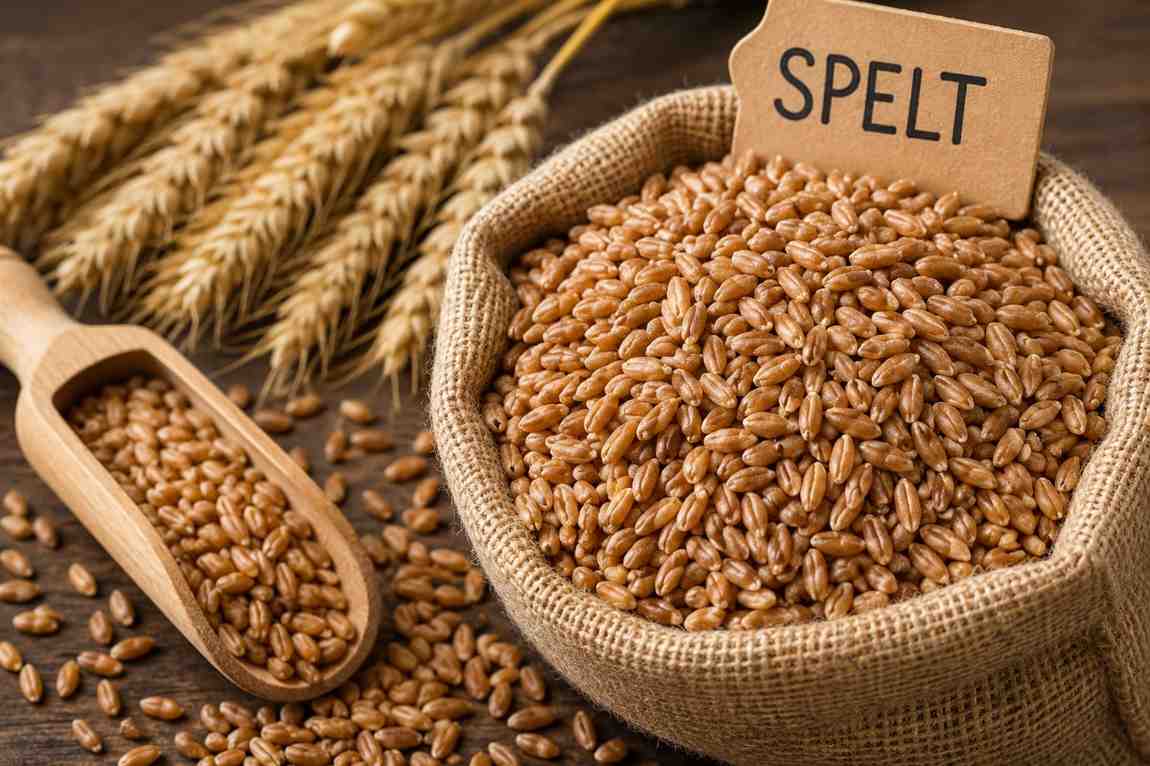
Spelt is one of the oldest cultivated grains in the world and has been consumed for thousands of years. Although modern wheat dominates today’s diets, spelt is making a strong comeback among health-conscious individuals due to its impressive nutritional profile, nutty flavor, and versatility in cooking.
This ancient grain belongs to the wheat family and is valued for its rich content of fiber, protein, vitamins, minerals, and antioxidants. Many people choose spelt as an alternative to refined grains because it offers more nutrients and a wholesome texture.
Whether used in bread, pasta, soups, salads, or breakfast bowls, spelt can be a nutritious addition to a balanced diet. In this guide, we’ll explore everything you need to know about spelt, including its nutrition facts, science-backed health benefits, side effects, cooking methods, and storage tips.
What is Spelt?
Spelt (Triticum spelta) is an ancient whole grain that has been cultivated for over 7,000 years. It is a species of wheat that originated in parts of Europe and the Middle East and was widely consumed before modern wheat varieties became popular.
Spelt has a slightly sweet, nutty flavor and chewy texture. It can be found as whole spelt berries, spelt flour, flakes, pasta, and baked products. Although it is often considered easier to digest than common wheat, it still contains gluten and is not suitable for people with celiac disease. Today, Triticum spelta is appreciated for its nutritional value and is commonly used in organic and health-focused diets.
Nutrition Facts of Spelt
| Nutrient | Amount (Per 100 grams of uncooked whole spelt) |
|---|---|
| Calories | 338 kcal |
| Protein | 14.6 g |
| Carbohydrates | 70.2 g |
| Dietary Fiber | 10.7 g |
| Fat | 2.4 g |
| Iron | 4.4 mg |
| Magnesium | 136 mg |
| Phosphorus | 401 mg |
| Potassium | 388 mg |
| Zinc | 3.3 mg |
| Manganese | 2.9 mg |
| Calcium | 27 mg |
| Folate | 45 mcg |
| Thiamine (B1) | 0.4 mg |
| Niacin (B3) | 6.8 mg |
Values may vary depending on variety and growing conditions.
20 Proven Health Benefits of Spelt
- Supports Digestive Health: The high fiber content in Triticum spelta promotes regular bowel movements and supports gut health.
- Improves Heart Health: Fiber and minerals in spelt may help maintain healthy cholesterol levels and cardiovascular function.
- Provides Sustained Energy: Complex carbohydrates release energy gradually throughout the day.
- Rich in Plant Protein: Triticum spelta provides protein that supports muscle maintenance and tissue repair.
- Helps Blood Sugar Control: Whole spelt may slow glucose absorption due to its fiber content.
- Supports Weight Management: Fiber promotes fullness and may help reduce overeating.
- Boosts Immune Function: Zinc and other nutrients contribute to a healthy immune system.
- Promotes Healthy Bones: Magnesium and phosphorus help maintain bone strength and density.
- Supports Brain Function: B vitamins play important roles in cognitive performance and nervous system health.
- May Reduce Inflammation: Antioxidants in whole grains may help lower oxidative stress.
- Supports Red Blood Cell Formation: Iron helps transport oxygen throughout the body.
- Improves Metabolic Health: Nutrients in spelt support various metabolic processes.
- Promotes Healthy Skin: Minerals and antioxidants may contribute to skin health.
- Supports Healthy Hair Growth: Protein and zinc are important nutrients for hair structure.
- Enhances Satiety: High fiber content helps keep you feeling full longer.
- Contributes to Healthy Blood Pressure: Potassium supports normal blood pressure regulation.
- Supports Pregnancy Nutrition: Folate and iron contribute to maternal nutritional needs.
- Provides Antioxidant Protection: Whole grains contain compounds that help combat free radicals.
- Supports Muscle Function: Magnesium and protein aid normal muscle performance.
- Encourages Overall Wellness: The combination of nutrients makes spelt a valuable part of a balanced diet.
Related Articles:
- White Rice: Nutrition, 20 Benefits, Side Effects & How Much to Eat
- Brown Rice: Nutrition, 20 Benefits, Side Effects & How Much to Eat
- Teff: Nutrition, 20 Benefits, Side Effects & How Much to Eat
10 Side Effects of Spelt
- Contains Gluten: Triticum spelta is unsuitable for individuals with celiac disease or gluten intolerance.
- May Cause Digestive Discomfort: Excessive consumption may lead to bloating or gas in some people.
- Possible Wheat Allergy Reactions: Those allergic to wheat may react to spelt as well.
- Can Cause Stomach Upset: Sudden increases in fiber intake may trigger digestive symptoms.
- May Interfere with Sensitive Digestion: Some individuals with digestive disorders may experience discomfort.
- Potential Allergic Responses: Rare allergic reactions such as itching or rashes may occur.
- Excess Fiber Intake: Overconsumption may contribute to diarrhea or abdominal cramping.
- May Cause Nutrient Absorption Issues: Large amounts of whole grains contain phytates that may reduce mineral absorption.
- Possible Blood Sugar Effects: Large portions can still impact blood glucose levels.
- May Not Suit Low-Carb Diets: Triticum spelta contains significant amounts of carbohydrates.
How to Eat Spelt?
Spelt can be enjoyed in many ways:
- Cooked as a whole grain side dish.
- Added to soups and stews.
- Mixed into grain bowls.
- Used in salads.
- Ground into flour for baking.
- Added to breakfast porridge.
- Used in homemade bread.
- Incorporated into muffins and pancakes.
- Prepared as risotto-style dishes.
- Used in pasta products.
Tips for Consuming Spelt
- Start with small portions if you’re new to high-fiber foods.
- Drink plenty of water when increasing fiber intake.
- Choose whole spelt whenever possible.
- Combine with vegetables and protein for balanced meals.
- Soak whole Triticum spelta before cooking for improved texture.
- Store properly to maintain freshness.
- Use Triticum spelta flour in combination with other flours for baking.
- Monitor portion sizes if managing blood sugar.
How to Cook Spelt?
Cooking Whole Spelt Berries
- Rinse the Triticum spelta thoroughly.
- Soak overnight for faster cooking (optional).
- Add 1 cup spelt to 3 cups water.
- Bring to a boil.
- Reduce heat and simmer.
- Cook for 45–60 minutes until tender.
- Drain excess water if necessary.
- Allow to rest for 5 minutes before serving.
Quick Cooking Method
Soaked spelt may cook in approximately 25–35 minutes.
Other Uses of Spelt
- Bread Making: Spelt flour is widely used in artisan breads.
- Pasta Production: Many specialty pasta products are made from Triticum spelta.
- Breakfast Cereals: Triticum spelta flakes are commonly used in cereals.
- Baking Applications: It works well in cookies, cakes, and muffins.
- Animal Feed: Triticum spelta grains can be included in livestock feed.
- Sprouting: Sprouted spelt is used in health-focused recipes.
- Fermented Foods: Some traditional fermented foods use Triticum spelta as an ingredient.
- Health Snacks: Triticum spelta can be incorporated into granola bars and snack products.
- Brewing Industry: Certain craft beverages use Triticum spelta during production.
- Whole Grain Mixes: Triticum spelta is frequently included in multigrain blends.
How Much Spelt Can You Eat in a Day?
For most healthy adults, 1–2 servings of cooked spelt per day can fit comfortably within a balanced diet.
One serving generally equals:
- ½ to 1 cup cooked spelt
- Approximately 40–60 grams dry spelt
Individual needs may vary based on age, activity level, health conditions, and overall dietary patterns.
General Adults
- ½–1 cup cooked Triticum spelta daily.
Active Individuals
- Up to 2 cups cooked spelt daily as part of higher energy requirements.
Children
- Smaller portions according to age and nutritional needs.
Older Adults
- Moderate portions can provide fiber and essential nutrients.
Best Time to Eat Spelt
Breakfast
Triticum spelta porridge or baked goods can provide long-lasting energy.
Lunch
Triticum spelta salads and grain bowls make satisfying midday meals.
Dinner
Cooked spelt can replace rice or pasta in evening meals.
Post-Workout
Its carbohydrates and protein can support recovery nutrition.
Who Should Eat Spelt?
- People Seeking Whole Grains: Triticum spelta is an excellent alternative to refined grains.
- Athletes and Active Individuals: The grain provides sustained energy and protein.
- Individuals Looking for More Fiber: Spelt contributes significantly to daily fiber intake.
- Vegetarians: It offers plant-based protein and important minerals.
- Those Interested in Ancient Grains: Triticum spelta adds variety to healthy eating patterns.
- Adults Managing Weight: Fiber may help improve fullness.
- People Supporting Heart Health: Whole grains are associated with cardiovascular benefits.
- Busy Professionals: Triticum spelta provides long-lasting energy throughout the day.
- Older Adults: Nutrient density supports healthy aging.
- Health-Conscious Consumers: Triticum spelta fits into many balanced dietary plans.
Who Should Not Eat Spelt?
- People with Celiac Disease: Triticum spelta contains gluten and must be avoided.
- Individuals with Wheat Allergies: Reactions may occur due to its wheat-related proteins.
- Those with Severe Gluten Sensitivity: Symptoms may worsen after consumption.
- Individuals Following Gluten-Free Diets: Triticum spelta is not gluten-free.
- People with Certain Digestive Disorders: High fiber may aggravate symptoms in some cases.
- Those Experiencing Grain Intolerances: Individual reactions should be considered.
- People on Specialized Medical Diets: Medical guidance may be required.
- Individuals with Confirmed Wheat Protein Sensitivity: Consumption should be avoided.
- People Advised Against High-Fiber Foods: Certain conditions may require fiber restriction.
- Anyone Experiencing Allergic Symptoms: Medical evaluation is recommended.
How to Store Spelt?
- Keep in Airtight Containers: This helps maintain freshness and prevent moisture exposure.
- Store in a Cool Place: A cool pantry extends shelf life.
- Avoid Direct Sunlight: Light may reduce quality over time.
- Use Refrigeration for Long-Term Storage: Refrigeration can help preserve nutrients.
- Freeze for Extended Storage: Freezing increases shelf life significantly.
- Keep Away from Strong Odors: Triticum spelta may absorb surrounding smells.
- Check for Moisture: Moisture encourages spoilage.
- Inspect Regularly: Look for signs of insects or mold.
- Label Storage Dates: Tracking freshness helps prevent waste.
- Seal Immediately After Use: Proper sealing protects quality.
Precautions and Interactions
- Gluten Precaution: Individuals with celiac disease must avoid Triticum spelta completely.
- Allergy Consideration: Wheat-allergic individuals should exercise caution.
- Increase Fiber Gradually: Sudden increases may cause digestive discomfort.
- Stay Hydrated: Adequate water intake helps fiber work effectively.
- Monitor Blood Sugar: Individuals with diabetes should monitor portions.
- Consult Healthcare Providers: People with chronic illnesses should seek professional advice.
- Watch for Digestive Symptoms: Discontinue use if significant discomfort occurs.
- Use Balanced Portions: Excessive intake may lead to digestive issues.
- Consider Individual Tolerance: Responses vary from person to person.
- Review Dietary Restrictions: Ensure compatibility with personal nutrition plans.
Conclusion
Spelt is a nutrient-rich ancient grain that offers fiber, protein, vitamins, minerals, and a variety of health benefits. It can support digestive health, heart health, energy production, and overall wellness when included as part of a balanced diet. Its nutty flavor and versatility make it easy to incorporate into everyday meals.
However, because Triticum spelta contains gluten, it is not suitable for individuals with celiac disease or gluten-related disorders. As with any food, moderation and individual tolerance should guide consumption.
FAQ’s
Is spelt healthier than wheat?
Triticum spelta and modern wheat have similar nutritional profiles, but spelt often contains slightly more protein, fiber, and certain minerals, making it a nutritious whole-grain option.
Is spelt gluten-free?
No, Triticum spelta contains gluten and is not suitable for people with celiac disease or gluten intolerance.
What does spelt taste like?
Triticum spelta has a mild, slightly sweet, and nutty flavor with a chewy texture when cooked.
Can spelt help with weight loss?
Triticum spelta may support weight management because its fiber and protein content can help increase feelings of fullness and reduce overeating.
Is spelt good for diabetics?
Whole Triticum spelta may be a better choice than refined grains due to its fiber content, but people with diabetes should monitor portion sizes and consult their healthcare provider.
Can I eat spelt every day?
Yes, most healthy adults can enjoy Triticum spelta daily as part of a balanced diet, provided they do not have gluten-related disorders.
Is spelt good for digestion?
Yes, Triticum spelta contains dietary fiber that supports healthy digestion and regular bowel movements.
Can children eat spelt?
Yes, children can eat cooked Triticum spelta and spelt-based foods as part of a balanced diet, provided they do not have wheat allergies or gluten sensitivity.
Is spelt safe during pregnancy?
Yes, Triticum spelta can be a nutritious grain during pregnancy because it provides fiber, iron, and B vitamins. Pregnant women should consume it as part of a varied diet.
What is spelt called in India?
Spelt does not have a widely used traditional Indian name and is generally sold as “Spelt” or “Spelt Wheat” in health food stores and online markets.
Is spelt better than oats?
Both are healthy grains. Triticum spelta provides more protein, while oats are naturally gluten-free and contain beta-glucan fiber that supports heart health.
Can spelt be used instead of flour?
Yes, Triticum spelta flour can replace regular wheat flour in many baking recipes, although slight recipe adjustments may be needed.
Is spelt good for heart health?
Yes, the fiber, magnesium, and whole-grain nutrients in Triticum spelta may support healthy cholesterol levels and overall cardiovascular health.
Can people with wheat allergies eat spelt?
No, people with wheat allergies should avoid Triticum spelta because it belongs to the wheat family and may trigger allergic reactions.
Does spelt contain protein?
Yes, Triticum spelta is a good source of plant-based protein and contains more protein than many common grains.
Is spelt available in India?
Yes, Triticum spelta is available in India through health food stores, organic markets, and online grocery platforms.
What is Spelt good for?
Triticum spelta is good for supporting digestive health, heart health, energy production, weight management, and overall wellness due to its fiber, protein, vitamins, and mineral content.
Is spelt the healthiest grain?
Triticum spelta is one of the healthiest whole grains because it is rich in fiber, protein, iron, magnesium, and B vitamins. However, no single grain is the healthiest for everyone, and a variety of whole grains is recommended.
Are spelt and oats the same?
No, spelt and oats are different grains. Triticum spelta is an ancient type of wheat that contains gluten, while oats are naturally gluten-free (though they may be contaminated with gluten during processing).
Is spelt healthier than barley?
Both grains are nutritious. Triticum spelta generally contains more protein, while barley is particularly rich in beta-glucan fiber, which may help lower cholesterol. The healthier choice depends on your nutritional needs.
Sources / References:
- Harvard T.H. Chan School of Public Health – The Nutrition Source
- United States Department of Agriculture (USDA FoodData Central)
- Whole Grains Council
- Academy of Nutrition and Dietetics
- National Institutes of Health (NIH) Office of Dietary Supplements
- Mayo Clinic Nutrition Center
Also Read:
- Freekeh: Nutrition, 20 Benefits, Side Effects & How Much to Eat
- Bulgur Wheat: Nutrition, 20 Benefits, Side Effects & How Much to Eat
- Wild Rice: Nutrition, 20 Benefits, Side Effects & How Much to Eat
About the Author:
Written by: Kirti Solanki – Health Content Researcher
This article was reviewed and written by a health and nutrition content researcher with experience in evidence-based wellness writing. Our goal is to provide accurate, practical, and easy-to-understand information based on reputable scientific and medical sources. Content is regularly updated to reflect current nutrition knowledge and best practices.
Disclaimer:
This guide is intended for educational and informational purposes only and should not be considered medical advice, diagnosis, or treatment. Always consult a qualified physician, registered dietitian, or healthcare professional before making significant dietary changes, especially if you have a medical condition, food allergy, celiac disease, or are taking medications.