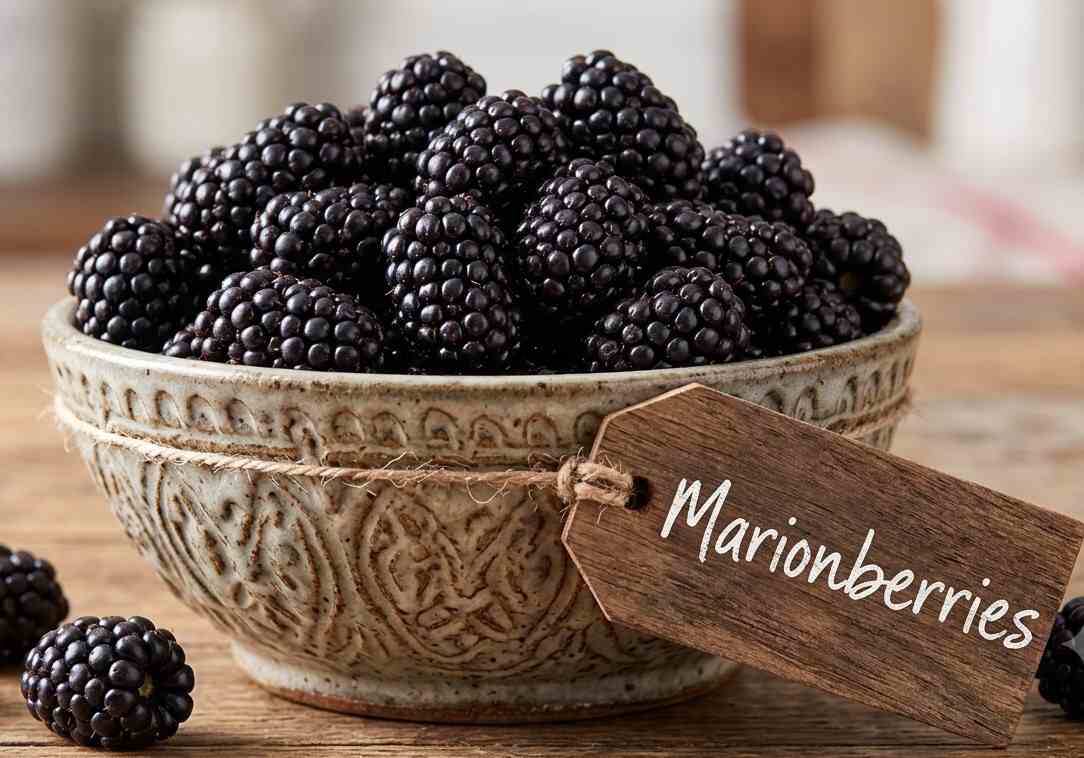
Marionberries are a flavorful type of blackberry known for their deep purple-black color, juicy texture, and pleasantly sweet-tart taste. They are especially associated with Oregon, where the Marion cultivar has been an important trailing blackberry variety.
Although they look similar to ordinary blackberries, marionberries have their own distinctive flavor and nutritional profile. They provide fiber, vitamin C, vitamin K, manganese, and naturally occurring plant compounds such as anthocyanins and other polyphenols.
Research on Marion blackberries has identified substantial amounts of anthocyanins, including cyanidin-based compounds. These pigments are responsible for much of the berry’s dark color and contribute antioxidant activity.
What Are Marionberries?
Marionberries are a cultivar of blackberry scientifically associated with Rubus species and are commonly known simply as “marionberries.” Oregon State University Extension identifies ‘Marion’ as a trailing blackberry cultivar.
They were developed through blackberry breeding in Oregon and became particularly associated with the Willamette Valley. The berries are typically dark purple to nearly black when ripe and have relatively small seeds.
Marionberries are prized for their strong aroma and complex flavor, which is often described as a combination of sweet, tart, and slightly earthy blackberry notes. They can be eaten fresh or used in pies, jams, sauces, syrups, smoothies, desserts, and frozen preparations.
Like other blackberries, marionberries contain naturally occurring anthocyanins and polyphenols. Studies specifically examining Marion fruit have found notable levels of cyanidin-based anthocyanins and antioxidant activity.
Nutrition Facts of Marionberries
The following is an approximate values for raw marionberries as a practical nutritional reference.
| Nutrient | Approximate amount per 100 g |
|---|---|
| Calories | 43 kcal |
| Carbohydrates | 9.6 g |
| Dietary Fiber | 5.3 g |
| Total Sugars | 4.9 g |
| Protein | 1.4 g |
| Total Fat | 0.5 g |
| Vitamin C | 21 mg |
| Vitamin K | 19.8 mcg |
| Folate | 25 mcg |
| Manganese | 0.65 mg |
| Potassium | 162 mg |
| Magnesium | 20 mg |
| Calcium | 29 mg |
| Iron | 0.62 mg |
20 Proven Health Benefits of Marionberries
- Rich in Antioxidants: Marionberries provide anthocyanins and other polyphenolic compounds that contribute to the antioxidant capacity of dark-colored berries.
- Supports Digestive Health: Their dietary fiber can help support normal bowel movements and overall digestive function.
- May Support Heart Health: Fiber and polyphenol-rich fruits can be part of a dietary pattern associated with cardiovascular health.
- Provides Vitamin C: Marionberries can contribute vitamin C, a nutrient needed for normal immune function, collagen production, and antioxidant protection.
- Supports Immune Function: Vitamin C and other nutrients in berries help support normal immune-system function.
- May Help Manage Appetite: The combination of fiber, water, and relatively low calorie density can make berries a satisfying addition to meals.
- Supports Healthy Bowel Regularity: Dietary fiber adds bulk to stool and can help maintain regular bowel movements.
- May Support Healthy Blood Vessels: Berry polyphenols are being studied for their possible effects on vascular and endothelial function.
- Provides Vitamin K: Vitamin K contributes to normal blood clotting and bone metabolism.
- Supports Bone Health: Vitamin K, manganese, magnesium, and other nutrients contribute to normal bone maintenance.
- Provides Manganese: Marionberries can supply manganese, a mineral involved in normal metabolism and antioxidant enzyme function.
- May Support Healthy Aging: Their anthocyanins and other polyphenols contribute to a diet rich in protective plant compounds.
- Supports Skin Health: Vitamin C is required for collagen synthesis, which is important for normal skin structure.
- May Help Protect Cells From Oxidative Stress: Anthocyanins and other polyphenols can participate in antioxidant defense against oxidative processes.
- Supports a Fiber-Rich Diet: A serving of blackberries can make a meaningful contribution to daily dietary fiber intake.
- May Support Metabolic Health: Replacing highly refined sweet foods with whole berries can provide sweetness along with fiber and micronutrients.
- Supports Healthy Digestion After Meals: The fiber and water naturally present in fresh berries can complement a balanced meal.
- May Support Cognitive Health: Berry anthocyanins are being investigated for possible relationships with brain and cognitive health, although human evidence is still developing.
- Provides Plant-Based Phytonutrients: Marionberries contain several naturally occurring polyphenolic compounds beyond their basic vitamins and minerals.
- Adds Nutritional Variety: Including different berries in the diet increases exposure to a broader range of naturally occurring nutrients and plant compounds.
10 Side Effects of Marionberries
Marionberries are generally well tolerated as a food, but eating very large amounts or consuming them when you are sensitive to berries may cause problems.
- Digestive Discomfort: Eating a large quantity at once may cause gas, bloating, or abdominal discomfort because marionberries contain dietary fiber.
- Loose Stools: A sudden increase in fiber intake can sometimes lead to loose stools or diarrhea.
- Allergic Reactions: People with a berry allergy may experience symptoms after eating marionberries.
- Oral Allergy Symptoms: Sensitive individuals may experience itching or tingling of the mouth after eating certain raw fruits.
- Acidic Taste: Their naturally tart character may be uncomfortable for people who are sensitive to acidic foods.
- Blood Sugar Considerations: Although whole berries contain fiber, people monitoring carbohydrate intake should still account for the carbohydrates they consume.
- Foodborne Illness Risk: Unwashed fresh berries can carry microorganisms from handling, harvesting, or processing.
- Medication Considerations: People taking medicines affected by vitamin K intake should discuss major dietary changes with their healthcare professional.
- Individual Intolerance: Some people may experience digestive symptoms even without a diagnosed allergy.
- Added-Sugar Concerns: Marionberry jams, syrups, pies, and desserts can contain substantially more added sugar than fresh fruit.
How to Eat Marionberries?
Fresh marionberries can be eaten on their own after gently rinsing them under cool running water.
You can also add them to:
- Oatmeal
- Greek yogurt
- Smoothies
- Fruit salads
- Chia pudding
- Whole-grain cereal
- Pancakes
- Homemade muffins
- Cottage cheese
- Salads
Frozen marionberries are another convenient option. They can be blended into smoothies or cooked into sauces and desserts.
For the greatest nutritional value, choose preparations that do not add large amounts of sugar.
Tips for Consuming Marionberries
- Wash Before Eating: Rinse fresh berries under cool running water before consumption.
- Eat Them Fresh: Fresh marionberries make a simple snack without requiring added sugar.
- Combine With Protein: Pairing berries with yogurt, nuts, seeds, or cottage cheese can make a more filling snack.
- Use Frozen Berries: Frozen marionberries can be useful when fresh berries are unavailable.
- Avoid Excess Added Sugar: Try to limit large amounts of sugar when preparing marionberry desserts.
- Introduce Fiber Gradually: If your diet is low in fiber, increase berry intake gradually to reduce digestive discomfort.
- Check for Spoilage: Discard berries that are moldy, slimy, or have an unusual odor.
- Choose Whole Fruit: Whole marionberries generally provide more fiber than strained juices or sweetened syrups.
Other Uses of Marionberries
- Jam and Preserves: Marion berries can be cooked into flavorful jams, jellies, and fruit preserves.
- Pie Filling: Their sweet-tart flavor makes them suitable for pies, cobblers, and crisps.
- Smoothies: Frozen marionberry can add natural color, flavor, and nutrients to smoothies.
- Sauces: Cooked berries can be used to make sauces for desserts or other dishes.
- Syrups: Marionberries can be prepared into fruit syrups for pancakes, waffles, and desserts.
- Baked Goods: They can be incorporated into muffins, breads, cakes, and other baked foods.
- Fruit Spreads: Mashed or cooked marionberries can be used as a spread for toast and whole-grain bread.
- Frozen Desserts: They can be incorporated into homemade sorbets, frozen yogurt, or berry desserts.
- Salad Toppings: Fresh berries can add sweetness and color to green salads.
- Beverages: Marion berries can be blended into smoothies or used to flavor homemade drinks.
Marionberry and other berries can be frozen, canned, dried, and made into fruit spreads and syrups.
How Many Marionberries Can You Eat in a Day?
There is no officially established daily dosage specifically for marionberries.
For most healthy adults, about ½ to 1 cup of fresh marionberries per day can be a practical serving within a balanced diet. Individual needs vary depending on total fruit intake, calorie requirements, digestive tolerance, and dietary goals.
If you are increasing your fiber intake, start with a smaller serving and gradually increase it.
Best Time to Eat Marionberries
There is no scientifically established best time of day to eat marionberries.
They can be enjoyed:
- With breakfast
- As a mid-morning snack
- With lunch
- As an afternoon snack
- With dinner
- As part of a healthy dessert
Eating them with breakfast or as a snack can be an easy way to incorporate fruit into the daily diet.
Who Should Eat Marionberries?
- Healthy Adults: Most healthy adults can enjoy marion berries as part of a varied and balanced diet.
- People Seeking More Fiber: Those looking to increase dietary fiber can use marionberry as one source of fiber.
- People Who Enjoy Whole Fruits: Marionberries provide nutrients and plant compounds without requiring added sugar.
- People Following Heart-Healthy Eating Patterns: Their fiber and polyphenol content can fit into dietary patterns emphasizing fruits and vegetables.
- Active Individuals: Fresh or frozen berries can be combined with yogurt, oats, or other foods as part of a balanced snack.
- Older Adults: Their soft texture when ripe can make them an easy fruit to incorporate into meals and snacks.
- People Looking for Lower-Calorie Snacks: Fresh berries can provide sweetness and volume for relatively few calories.
Who Should Not Eat Marionberries?
- People With a Known Berry Allergy: Anyone with a known allergy to blackberries or related fruits should avoid marionberries unless medically advised otherwise.
- People Who Develop Allergy Symptoms: Stop eating them and seek appropriate medical advice if symptoms such as swelling, hives, breathing difficulty, or severe reactions occur.
- People With Significant Digestive Sensitivity: Individuals who consistently experience symptoms after eating high-fiber foods may need smaller portions.
- People With Food Intolerances: Anyone who notices repeat symptoms after eating marionberry should discuss the pattern with a healthcare professional.
- People With Specific Dietary Restrictions: Those following medically prescribed carbohydrate or other dietary plans should include marion berries according to their individualized plan.
- People Eating Spoiled Berries: Moldy, fermented, slimy, or otherwise spoiled berries should not be consumed.
How to Store Marionberries?
- Refrigerate Fresh Berries: Keep fresh marion berries refrigerated to slow spoilage.
- Avoid Washing Too Early: If you are not eating them immediately, washing just before use can help reduce excess moisture during storage.
- Use a Breathable Container: Keep berries in a container that allows moisture to escape rather than sealing wet berries tightly.
- Remove Spoiled Berries: Check the container regularly and remove moldy or damaged fruit.
- Freeze for Longer Storage: Marionberries can be frozen for longer-term use. Oregon State University Extension includes marionberry among berries suitable for freezing.
- Freeze in a Single Layer First: Freezing berries separately before transferring them to a freezer container can make them easier to portion later.
- Label Frozen Fruit: Mark the container with the freezing date to help manage storage time.
- Keep Frozen Berries Sealed: Use an appropriate freezer-safe container or bag to reduce freezer burn and moisture loss.
Precautions and Interactions
- Allergy Precaution: Avoid marionberry if you have a confirmed allergy to them or closely related fruits.
- Vitamin K Consideration: People taking warfarin or another vitamin-K-sensitive anticoagulant should keep vitamin K intake consistent and discuss significant dietary changes with their healthcare professional.
- Fiber Increase: Increase berry intake gradually if you are not accustomed to eating fiber-rich foods.
- Wash Thoroughly: Rinse fresh berries before eating to reduce surface contamination.
- Check for Mold: Do not eat berries showing visible mold or significant spoilage.
- Diabetes Consideration: Whole marionberries can fit into many eating patterns, but people managing diabetes should consider their carbohydrate intake and portion size.
- Digestive Sensitivity: Reduce the serving size if berries cause bloating, gas, or diarrhea.
- Medication Questions: If you take prescription medicines and plan to make a substantial dietary change, consult your healthcare professional.
- Do Not Use as Treatment: Marion berries should not be used as a substitute for prescribed treatment for a medical condition.
- Pregnancy and Breastfeeding: Normal food portions are generally different from concentrated supplements; people with specific pregnancy or breastfeeding dietary concerns should discuss their diet with their healthcare professional.
FAQ’s
What are marionberries good for?
Marionberry are a nutritious fruit that provides fiber, vitamin C, vitamin K, manganese, and antioxidant plant compounds such as anthocyanins.
Are marionberries good for weight loss?
Marionberry can fit into a weight-management diet because they are relatively low in calories and provide fiber that may help with fullness.
Are marionberries high in sugar?
Marionberry contain naturally occurring fruit sugars, but they are also rich in water and dietary fiber, making whole berries different from sweetened marionberry products.
Can I eat marionberries every day?
Yes, most healthy people can enjoy a moderate serving of fresh marionberry every day as part of a balanced diet.
Are marionberries good for the skin?
Their vitamin C and polyphenolic compounds can support normal skin health as part of an overall nutrient-rich diet.
Are marionberries good for the heart?
Marion berries provide fiber and polyphenols that can complement a heart-healthy eating pattern, although they should not be considered a treatment for heart disease.
Do marionberries help with constipation?
Their dietary fiber may help support regular bowel movements, especially when combined with adequate fluid intake.
Are marionberries anti-inflammatory?
Marion berries contain anthocyanins and other polyphenols that are being studied for their potential effects on inflammatory pathways, but eating them should not be considered a treatment for inflammation.
Can you eat marionberries during pregnancy?
Fresh marion berry can generally be included in a pregnancy diet when properly washed, but individual dietary needs and medical conditions should be discussed with a healthcare professional.
Can children eat marionberries?
Yes, appropriately prepared marion berry can be part of a child’s varied diet, with age-appropriate serving sizes and attention to choking safety.
Are marionberries good for diabetes?
Whole marion berries contain fiber and can be incorporated into some diabetes-friendly eating plans, but portion size and total carbohydrate intake still matter.
Do marionberries have seeds?
Yes, marion berries contain small edible drupelets and seeds, although their texture is generally softer than that of some blackberry varieties.
What is the difference between marionberries and blackberries?
Marionberry are a particular blackberry cultivar known for their deep color, juicy texture, and distinctive sweet-tart flavor.
Are marionberries sweeter than blackberries?
Marionberry are often described as having a rich, sweet-tart flavor, but sweetness can vary depending on ripeness, growing conditions, and the particular blackberry variety used for comparison.
Can you eat marionberries with yogurt?
Yes, fresh or frozen marionberry pair well with plain yogurt, Greek yogurt, oats, nuts, and seeds.
Can marionberries be frozen?
Yes, marionberry can be frozen for longer storage and later used in smoothies, sauces, baked goods, and desserts.
How long do fresh marionberries last in the refrigerator?
Fresh marion berries are highly perishable, so they are best refrigerated promptly and checked regularly for mold or spoilage.
Why are marionberries so expensive?
Their price can vary because they are a specialty blackberry cultivar, have a relatively limited growing region, and are highly perishable.
Where can I buy marionberries?
Fresh marion berries are most commonly found in areas where they are commercially grown, while frozen marionberry, preserves, and other products may be easier to find outside their primary growing regions.
Can marionberries be used in smoothies?
Yes, fresh or frozen marionberry work well in smoothies and can be combined with yogurt, milk, oats, bananas, or other fruits.
Can marionberries help boost immunity?
Marion berries provide vitamin C and other nutrients that support normal immune function, but no single fruit can independently “boost” immunity or prevent infections.
Are marionberries good for the gut?
Their dietary fiber can support normal digestive function and contribute to a diet that supports a healthy gut microbiome.
Can you cook marionberries?
Yes, marion berries can be cooked into pies, jams, sauces, syrups, cobblers, and other recipes.
What color are ripe marionberries?
Fully ripe marion berries are typically very dark purple to nearly black.
Why are marionberries associated with Oregon?
The Marion cultivar was developed and became commercially important in Oregon, particularly in the Willamette Valley and surrounding Pacific Northwest growing regions.
Are marionberries and blackberries the same?
Marion berry are a specific cultivar of blackberry rather than a completely separate type of fruit. Oregon State University identifies ‘Marion’ as a trailing blackberry cultivar.
What do marionberries taste like?
Marion berry generally have a rich sweet-tart flavor with a strong berry aroma and are often considered more complex in flavor than many common blackberries.
Are marionberries healthy?
Yes, fresh marion berry can be a nutritious fruit because they provide fiber, vitamin C, vitamin K, manganese, and polyphenolic compounds such as anthocyanins.
Are marionberries high in antioxidants?
Marion berry contain substantial anthocyanins and other polyphenols. Research comparing blackberry cultivars has documented notable anthocyanin levels in Marion fruit.
Can you eat marionberries raw?
Yes. Fresh, ripe marion berries can be eaten raw after being gently washed.
Are marionberries good for digestion?
They can support digestive health because they provide dietary fiber, although eating too many at once may cause bloating or loose stools in some people.
Where are marionberries grown?
Marion berries are strongly associated with Oregon and the Pacific Northwest, where the Marion cultivar has been an important trailing blackberry.
What is another name for marionberry?
“Marionberry” is the commonly used name for the Marion blackberry cultivar.
Is marionberry the same as boysenberry?
Marion berries and boysenberries are different berries, with marion berries being a specific blackberry cultivar and boysenberries being a hybrid of several Rubus berries.
Sources / References:
Disclaimer:
This guide is for general educational purposes only and does not replace professional medical advice, diagnosis, or treatment. Consult a qualified healthcare professional before making significant dietary changes, especially if you have a medical condition or take medications.
Also Read: