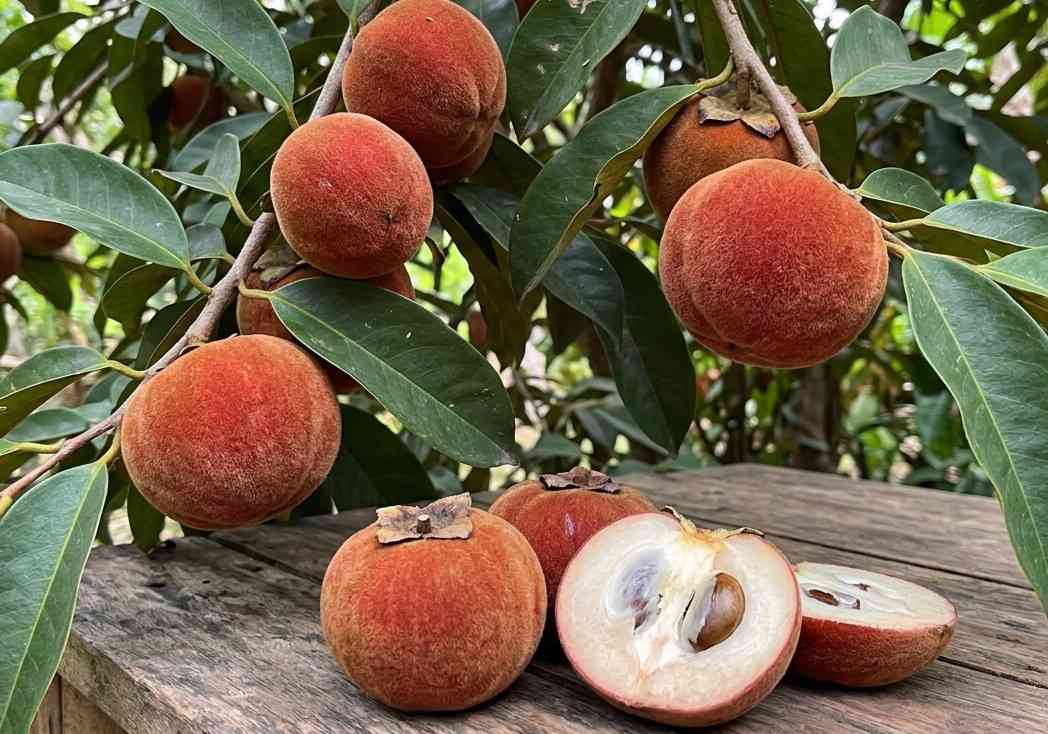
Velvet apple is an unusual tropical fruit known for its soft, velvety skin, creamy flesh, and distinctive aroma. Although it is not as widely available as common apples, this fruit has been eaten traditionally in parts of Southeast Asia and is also known as mabolo.
The scientific name commonly associated with velvet apple is Diospyros blancoi. The fruit belongs to the Ebenaceae family and contains dietary fiber, vitamins, minerals, organic acids, and various plant compounds. Research has identified compounds such as flavonoids, triterpenes, and other phytochemicals in different parts of the plant.
What Is Velvet Apple?
Velvet apple is the fruit of the tropical tree Diospyros blancoi, which is native to the Philippines and is also found or cultivated in other tropical and subtropical regions.
The fruit is commonly called mabolo, and its skin has a soft, velvety texture, which explains the name velvet apple. Unlike ordinary apples, velvet apple has a characteristic strong aroma that some people find unpleasant. Its flesh is soft and creamy when ripe and can be eaten fresh.
Velvet apple is botanically different from the common apple (Malus domestica). It is also related to other Diospyros species, including persimmons. The fruit has traditionally been consumed fresh and incorporated into foods such as salads and cooked dishes.
Nutrition Facts of Velvet Apple
The nutritional composition of velvet apple can vary depending on variety, growing conditions, maturity, and testing methods.
| Nutrient/Compound | Reported Amount or Presence |
|---|---|
| Dietary fiber | About 3.2 g/100 g |
| Calcium | About 42.8 mg/100 g |
| Zinc | About 3.6 mg/100 g |
| Vitamin B2 | About 0.075 mg/100 g |
| Vitamin B3 | About 0.157 mg/100 g |
| Folate | About 0.623 mg/100 g |
| Pantothenic acid | About 0.19 mg/100 g |
| Choline | About 62.52 mg/100 g |
| Malic acid | About 227.1 mg/100 g |
| Vitamin C | Reported in some analyses |
| Flavonoids | Present |
| Triterpenes | Present |
| Essential fatty acids | Reported in the fruit |
20 Potential Health Benefits of Velvet Apple
- Provides Dietary Fiber: Velvet apple contains dietary fiber, which can contribute to normal digestion and help increase overall daily fiber intake.
- Supports Digestive Health: Its fiber content may support regular bowel movements and healthy digestive function when consumed as part of a balanced diet.
- Provides Vitamin C: Some analyses have reported vitamin C in velvet apple, an antioxidant nutrient that contributes to normal immune function and collagen formation.
- Contains Antioxidant Compounds: Velvet apple contains several phytochemicals that have demonstrated antioxidant activity in laboratory research.
- Provides Calcium: The fruit contains measurable calcium, an essential mineral needed for normal bones, teeth, muscles, and nerve function.
- Provides Zinc: Velvet apple contains zinc, which contributes to normal immune function, wound healing, and cellular processes.
- Contains B Vitamins: Published nutrient analysis identified vitamins including B2, B3, folate, and pantothenic acid.
- May Support Energy Metabolism: B vitamins found in the fruit participate in normal energy-producing metabolic pathways.
- Contains Flavonoids: Flavonoids are plant compounds with antioxidant properties that are being studied for their potential biological effects.
- Contains Triterpenes: Researchers have identified triterpenes and related compounds in Diospyros blancoi, although their health effects in humans require further research.
- May Help Increase Fruit Variety: Including less-common fruits such as velvet apple can add variety to an otherwise repetitive diet.
- May Support Normal Immune Function: Nutrients such as vitamin C and zinc contribute to normal immune-system function.
- May Support Healthy Skin: Vitamin C contributes to normal collagen production, while antioxidant compounds help protect cells from oxidative stress.
- May Support Bone Health: Calcium and other nutrients in velvet apple can contribute to overall bone nutrition.
- May Support Normal Cell Protection: Its vitamin and phytochemical content provides compounds involved in antioxidant defenses.
- May Have Anti-Inflammatory Potential: Certain compounds isolated from Diospyros blancoi have demonstrated anti-inflammatory activity in laboratory research, but this does not establish an equivalent effect from eating the fruit.
- May Have Antimicrobial Potential: Extracts from different parts of the plant have shown antimicrobial activity in laboratory studies, but this should not be interpreted as evidence that eating the fruit treats infections.
- May Have Antioxidant Potential: Extract studies have demonstrated antioxidant activity, although more human research is needed to determine the practical effects of consuming velvet apple.
- May Complement a Balanced Diet: Its combination of fiber, minerals, vitamins, and plant compounds makes ripe velvet apple a potentially useful addition to a varied diet.
- Offers Bioactive Plant Compounds: Research has identified flavonoids, triterpenes, and other phytochemicals that make mabolo an interesting subject for nutritional research.
10 Side Effects of Velvet Apple
Velvet apple is generally consumed as a food when ripe, but research on its long-term safety and medicinal use is limited. The following are potential concerns rather than confirmed effects in everyone.
- Digestive Discomfort: Eating a large amount at once may cause bloating, gas, or digestive discomfort, particularly in people who are not accustomed to higher-fiber foods.
- Allergic Reaction: People with an allergy to velvet apple or related plant foods may experience itching, swelling, rash, or other allergic symptoms.
- Unpleasant Aroma: The strong natural aroma of the fruit may cause nausea or discomfort in sensitive individuals.
- Food Contamination: Improperly washed, damaged, or spoiled fruit can carry microorganisms that may cause foodborne illness.
- Possible Stomach Upset: Unripe or poorly handled fruit may be harder for some people to tolerate.
- Blood Sugar Considerations: Like other fruits, velvet apple contains naturally occurring carbohydrates, so people managing diabetes should account for it within their overall diet.
- Medication Concerns: Concentrated extracts may behave differently from the whole fruit and could potentially interact with medicines.
- Limited Pregnancy Data: There is not enough clinical evidence to establish the safety of concentrated mabolo preparations during pregnancy.
- Limited Breastfeeding Data: Safety information for medicinal extracts during breastfeeding is insufficient.
- Extract-Related Risk: Research on isolated compounds or extracts cannot automatically be applied to normal servings of the whole fruit, and concentrated preparations may have different safety profiles.
How to Eat Velvet Apple?
Choose a ripe, undamaged fruit and wash the outside thoroughly before cutting it.
The skin is covered with fine hairs that give the fruit its velvety appearance. Depending on the variety and local eating practices, the fruit may be peeled before eating.
Cut the fruit open and eat the soft flesh. Some people prefer chilling the fruit first because refrigeration can make the aroma less noticeable.
Velvet apple can also be sliced and added to fruit salads or incorporated into cooked dishes. Published research reports fresh consumption as well as use in salads and stews.
Tips for Consuming Velvet Apple
- Choose Ripe Fruit: Select fruit that is mature, intact, and free from mold or extensive bruising.
- Wash Thoroughly: Clean the fruit before cutting to reduce surface contamination.
- Start Small: If you have never eaten mabolo before, begin with a small serving to see how your body tolerates it.
- Remove Unwanted Skin: Peel the fruit if you dislike the texture or aroma of the skin.
- Chill Before Eating: Refrigerating ripe velvet apple may make its distinctive aroma easier to tolerate.
- Avoid Spoiled Fruit: Do not consume fruit showing mold, excessive fermentation, leaking, or significant deterioration.
- Combine With Other Fruits: Mixing it with milder fruits can make its unusual flavor more appealing.
- Avoid Excessive Extracts: Eating the fruit is different from taking concentrated herbal extracts, which may have different effects and safety considerations.
Other Uses of Velvet Apple
- Fresh Fruit: Ripe mabolo can be eaten fresh as a tropical fruit.
- Fruit Salads: The soft flesh can be incorporated into fruit salads for additional flavor and texture.
- Cooked Dishes: Traditional food uses include incorporating the fruit into cooked preparations such as stews.
- Traditional Medicine: Different parts of the plant have been used traditionally for conditions such as cough, fever, diarrhea, and dysentery, although traditional use does not establish clinical effectiveness.
- Phytochemical Research: Leaves, fruit, and other plant parts have been studied as sources of flavonoids, triterpenes, and other bioactive compounds.
- Natural Product Research: Extracts of Diospyros blancoi have been investigated for antioxidant and antimicrobial properties in laboratory studies.
- Aroma Research: Researchers have identified numerous volatile compounds responsible for the fruit’s distinctive aroma.
- Culinary Exploration: Velvet apple can be used as an unusual ingredient when experimenting with tropical fruits and recipes.
How Much Velvet Apple Can You Eat in a Day?
There is no scientifically established standard daily serving specifically for velvet apple.
For most healthy adults, a small serving of ripe fruit, such as about ½ to 1 fruit depending on its size, is a reasonable food-based starting point. The appropriate amount can vary according to the fruit’s size, your overall diet, digestive tolerance, and individual health needs.
Because there are no well-established human clinical dosing studies for mabolo, it is better to treat it as a fruit rather than as a medicinal treatment.
Best Time to Eat Velvet Apple
There is no scientifically proven best time to eat velvet apple.
It can generally be eaten during the daytime as part of breakfast, lunch, an afternoon snack, or another meal. If the fruit causes digestive discomfort when eaten alone, having a small serving with a meal may be more comfortable.
Who Should Eat Velvet Apple?
- Healthy Adults: Adults who enjoy tropical fruits can include ripe velvet apple as part of a varied and balanced diet.
- People Seeking More Fruit Variety: Those who want to diversify their fruit choices may enjoy mabolo as an occasional option.
- People Needing More Fiber: Individuals looking to increase dietary fiber can include it alongside other fiber-rich foods.
- People Interested in Nutrient-Dense Fruits: Mabolo provides several vitamins and minerals, including calcium and zinc.
- Adventurous Eaters: People interested in trying traditional tropical fruits may find mabolo worth exploring.
Who Should Not Eat Velvet Apple?
- People With Known Fruit Allergies: Anyone with a known allergy to velvet apple should avoid it.
- People With Previous Reactions: Individuals who have previously developed symptoms after eating the fruit should not consume it without medical advice.
- People With Severe Digestive Sensitivity: Those who experience significant digestive symptoms from unfamiliar high-fiber fruits may need to introduce it gradually.
- People Eating Spoiled Fruit: Fruit that is moldy, fermented, or visibly spoiled should not be consumed.
- People Using Concentrated Extracts Without Guidance: Anyone considering mabolo extracts for medicinal purposes should discuss them with a healthcare professional first.
- Pregnant or Breastfeeding Individuals: Because specific safety data for concentrated preparations are limited, medical guidance is appropriate before using extracts or supplements.
How to Store Velvet Apple?
- Keep Ripe Fruit Refrigerated: Refrigeration can help slow deterioration after the fruit becomes ripe.
- Use Clean Containers: Store cut fruit in a clean, covered food-safe container.
- Refrigerate Cut Fruit Promptly: Place cut mabolo in the refrigerator rather than leaving it at room temperature for extended periods.
- Avoid Moisture Buildup: Excess moisture can encourage spoilage, particularly when fruit is stored in sealed containers.
- Check for Mold: Discard fruit showing visible mold or significant spoilage rather than cutting away only the affected portion.
- Separate Damaged Fruit: Keep bruised or damaged fruit away from healthy produce to reduce the risk of spreading spoilage.
- Follow Food-Safety Practices: Wash the fruit before cutting and use clean knives and preparation surfaces.
Precautions and Interactions
- Use Food Portions: Velvet apple is best approached as a food rather than a proven medicinal treatment.
- Avoid Unverified Medicinal Claims: Preliminary laboratory findings should not be interpreted as proof that the fruit can prevent or cure disease.
- Be Careful With Extracts: Concentrated extracts may contain substantially different levels of plant compounds than the whole fruit.
- Consider Diabetes Management: People with diabetes should include velvet apple within their overall carbohydrate and fruit intake rather than assuming it lowers blood glucose.
- Check Medication Interactions: Anyone taking regular medicines should consult a healthcare professional before using mabolo extracts or supplements.
- Pregnancy Requires Caution: There is insufficient evidence to establish the safety of concentrated mabolo preparations during pregnancy.
- Breastfeeding Requires Caution: Safety information about medicinal extracts during breastfeeding is limited.
- Stop After an Allergic Reaction: Swelling, breathing difficulty, widespread hives, or other severe allergic symptoms require immediate medical attention.
- Do Not Use Plant Parts as Home Remedies Without Guidance: Leaves, bark, and concentrated preparations should not automatically be treated as equivalent to eating the fruit.
- Prioritize Food Safety: Only eat fresh, properly handled, ripe fruit that shows no signs of spoilage.
Velvet Apple vs Regular Apple
Velvet apple and regular apples belong to different plant groups and have noticeably different characteristics.
| Feature | Velvet Apple | Regular Apple |
|---|---|---|
| Scientific name | Diospyros blancoi | Malus domestica |
| Family | Ebenaceae | Rosaceae |
| Common name | Mabolo | Apple |
| Skin | Soft and velvety | Smooth or slightly waxy |
| Flesh | Soft and creamy when ripe | Usually crisp |
| Aroma | Strong and distinctive | Generally mild |
| Growing environment | Tropical/subtropical | Temperate and subtropical varieties |
| Fiber | Reported around 3.2 g/100 g in one analysis | Varies by variety |
| Common use | Fresh, salads, cooked dishes | Fresh, salads, sauces, baking |
FAQ’s
What is Velvet Apple good for?
Mabolo is a nutrient-containing tropical fruit that provides dietary fiber, vitamin C, calcium, zinc, B vitamins, and various plant compounds; preliminary research has also investigated its antioxidant and other biological properties, although more human studies are needed.
Why is velvet apple called velvet apple?
It gets its name from the soft, velvety texture of its outer skin.
What is velvet apple also called?
Velvet apple is commonly called mabolo, velvet persimmon, and Diospyros blancoi.
Is velvet apple sweet?
Yes, ripe mabolo generally has soft, creamy, and mildly sweet flesh with a distinctive aroma.
Can you eat velvet apple raw?
Yes, ripe mabolo can be eaten raw after washing and preparing the fruit properly.
What does velvet apple taste like?
Mabolo has soft, creamy flesh with a sweet tropical flavor and a strong, unusual aroma.
Is velvet apple good for weight loss?
Mabolo can fit into a balanced weight-management diet because it provides fruit-based nutrition and dietary fiber, but it is not a weight-loss treatment.
Is velvet apple high in fiber?
Mabolo contains dietary fiber, with one published analysis reporting about 3.2 g per 100 g of fruit.
Does velvet apple contain vitamin C?
Yes, vitamin C has been reported in mabolo, although its amount can vary depending on the fruit and growing conditions.
Is velvet apple good for the skin?
Its vitamin C and plant compounds may support overall skin nutrition, but there is not enough human evidence to consider mabolo a specific skin treatment.
Can velvet apple help digestion?
Its dietary fiber may support normal digestion and bowel regularity when eaten as part of a balanced diet.
Can you eat velvet apple seeds?
The fruit should be prepared according to established culinary practices, and seeds or other plant parts should not be consumed in large or concentrated amounts without reliable safety information.
Can pregnant women eat velvet apple?
There is limited research specifically on velvet apple during pregnancy. Pregnant women should discuss unfamiliar fruits or concentrated mabolo preparations with their healthcare provider.
Can children eat velvet apple?
Children who are developmentally ready for solid foods can generally try ripe fruit in an age-appropriate texture, with adult supervision.
Is velvet apple good for diabetes?
There is insufficient human evidence to recommend mabolo for managing diabetes. People with diabetes should consider its carbohydrate content within their overall meal plan.
Can velvet apple be eaten at night?
Yes, mabolo can be eaten at night if it does not cause digestive discomfort and fits into your overall diet.
Why does velvet apple smell bad?
Mabolo naturally contains volatile aroma compounds that produce its distinctive strong smell, which some people may find unpleasant.
Is velvet apple the same as an ordinary apple?
No. mabolo belongs to the Diospyros genus, while ordinary apples belong to the Malus genus.
Is velvet apple a type of persimmon?
Mabolo belongs to the same broader genus, Diospyros, as persimmons, but it is a distinct species.
Can velvet apple be used in recipes?
Yes, the ripe fruit can be eaten fresh and may also be used in fruit salads and some cooked preparations.
Is velvet apple safe to eat every day?
There is no established daily limit. Moderate consumption as part of a varied diet is more appropriate than taking large amounts or concentrated extracts.
Does velvet apple have antioxidant properties?
Laboratory research has identified antioxidant activity and several bioactive compounds in Diospyros blancoi, but more human research is needed to establish specific health effects.
Is velvet apple good for immunity?
Mabolo provides nutrients such as vitamin C and zinc that contribute to normal immune function, but eating the fruit should not be considered a treatment for infections or immune disorders.
Final Thought
Velvet apple is a distinctive tropical fruit with soft flesh, a velvety exterior, and a strong aroma. It provides dietary fiber and several vitamins and minerals, including calcium, zinc, and B vitamins, while also containing flavonoids and other plant compounds.
Research into velvet apple’s potential antioxidant, antimicrobial, anti-inflammatory, and other biological properties is promising but still largely preliminary. For now, it is best enjoyed as an occasional fruit within a balanced diet rather than used as a substitute for medical treatment.
Sources / References:
Disclaimer:
This guide is for informational purposes only and does not replace professional medical advice, diagnosis, or treatment. Consult a qualified healthcare professional before using velvet apple or its extracts for health purposes.
Also Read: