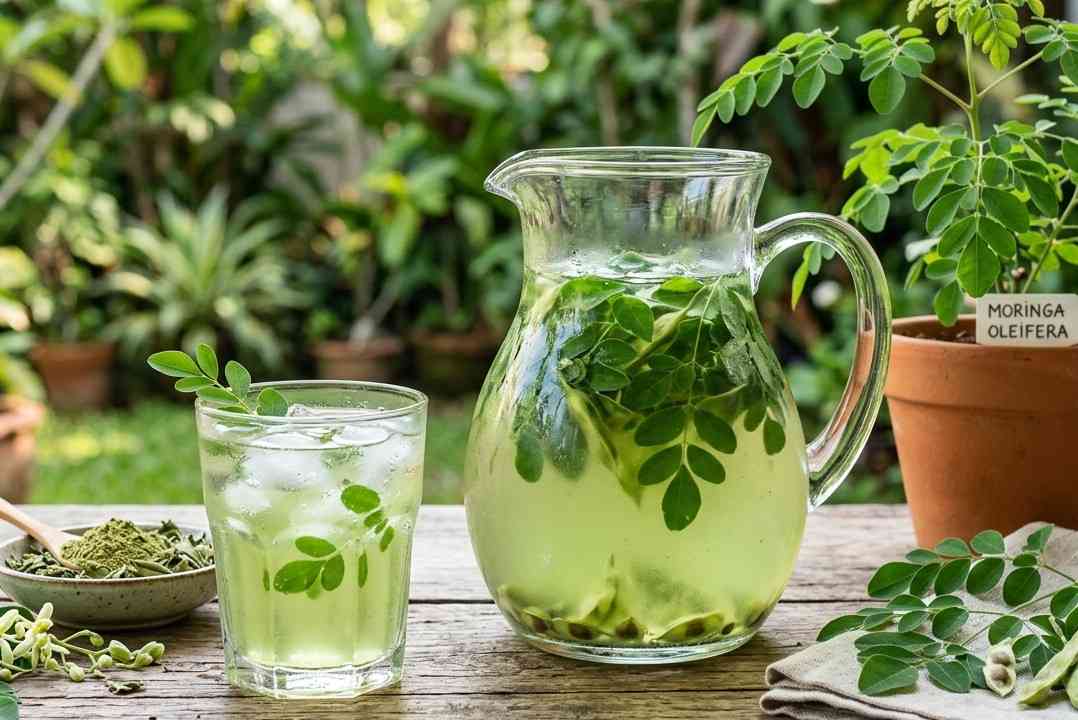
Moringa Water has become increasingly popular among health-conscious individuals looking for natural ways to support their overall well-being. Made from the nutrient-rich leaves of the Moringa oleifera tree, this refreshing herbal drink is packed with vitamins, minerals, antioxidants, and plant compounds that may contribute to better health. Often referred to as the “Miracle Tree,” moringa has been used for centuries in traditional medicine across Asia and Africa for its impressive nutritional and therapeutic properties.
In this guide, you’ll learn everything you need to know about Moringa Water, including its nutrition facts, science-backed health benefits, possible side effects, preparation methods, storage tips, recommended daily intake, and much more.
What is Moringa Water?
Moringa water is a refreshing herbal drink made by infusing moringa leaves, moringa powder, or moringa tea into water. Moringa comes from the tree Moringa oleifera, often called the “Miracle Tree” because of its impressive nutritional profile and medicinal properties.
Native to parts of Asia and Africa, moringa has been used for centuries in traditional medicine to support immunity, digestion, energy levels, and overall wellness. When mixed with water, the nutrients and plant compounds present in moringa create a low-calorie beverage packed with antioxidants, vitamins, minerals, and bioactive compounds.
Many people drink moringa water as part of their morning routine, after workouts, or throughout the day to stay hydrated while gaining additional nutritional benefits.
Nutrition Facts of Moringa Water
The nutritional value of moringa water varies depending on the amount of moringa used and the preparation method. The table below shows approximate nutrition for one cup (240 ml) of moringa water prepared with 1 teaspoon of moringa powder.
| Nutrient | Amount |
|---|---|
| Calories | 10-15 kcal |
| Protein | 1 g |
| Carbohydrates | 2 g |
| Dietary Fiber | 0.5 g |
| Fat | 0.2 g |
| Vitamin A | 10-15% DV (Daily Value) |
| Vitamin C | 5-10% DV |
| Calcium | 4-8% DV |
| Potassium | 3-5% DV |
| Iron | 4-7% DV |
| Magnesium | 2-4% DV |
| Antioxidants | High |
| Polyphenols | Present |
| Flavonoids | Present |
20 Proven Health Benefits of Moringa Water
- Rich in Antioxidants: Moringa water contains powerful antioxidants that help protect cells from oxidative stress and free radical damage.
- Supports Immune Function: Its vitamins, minerals, and plant compounds may help strengthen the body’s natural defense system.
- Promotes Healthy Digestion: Moringa water may support digestive health by encouraging smoother bowel movements and gut function.
- May Help Lower Blood Sugar Levels: Research suggests that moringa compounds may assist in maintaining healthy blood glucose levels.
- Supports Heart Health: Regular consumption may contribute to improved cardiovascular wellness through its antioxidant and anti-inflammatory effects.
- Helps Reduce Inflammation: Moringa contains anti-inflammatory compounds that may help reduce chronic inflammation in the body.
- Supports Healthy Cholesterol Levels: Some studies indicate that moringa may help improve cholesterol profiles.
- Enhances Energy Naturally: The nutrients in moringa may promote natural energy without the stimulants found in coffee or energy drinks.
- Promotes Healthy Skin: Antioxidants and vitamins may support skin hydration, elasticity, and overall appearance.
- Supports Hair Health: Essential nutrients found in moringa may contribute to stronger and healthier hair.
- Aids Weight Management: Low in calories yet nutrient-dense, moringa water can be a useful addition to a balanced weight-management plan.
- Supports Liver Function: Certain compounds in moringa may help protect liver cells from oxidative damage.
- Improves Hydration: Drinking moringa water helps maintain fluid balance while providing beneficial nutrients.
- Supports Brain Health: Antioxidants and nutrients may help support cognitive performance and mental clarity.
- May Enhance Exercise Recovery: Moringa’s nutrients may help support muscle recovery after physical activity.
- Promotes Healthy Blood Circulation: Its nutrient profile may contribute to efficient blood flow and vascular health.
- Supports Bone Strength: Calcium, magnesium, and other minerals found in moringa may benefit bone health.
- May Help Manage Blood Pressure: Some studies suggest moringa may support healthy blood pressure levels when combined with a healthy lifestyle.
- Supports Eye Health: Vitamin A and antioxidants play an important role in maintaining vision and eye function.
- Contributes to Overall Wellness: Regular consumption may help fill nutritional gaps and support general health.
10 Side Effects of Moringa Water
- Digestive Discomfort: Some people may experience bloating, gas, or stomach upset when consuming large amounts.
- Diarrhea Risk: Excessive intake may lead to loose stools or diarrhea.
- Nausea: Sensitive individuals may feel mild nausea after drinking moringa water.
- Lower Blood Sugar Too Much: People taking diabetes medications should monitor blood sugar levels carefully.
- Possible Blood Pressure Reduction: Moringa may enhance the effects of blood pressure medications.
- Allergic Reactions: Rare cases of itching, rash, or allergic responses may occur.
- Headaches: Some individuals may experience mild headaches when first introducing moringa into their diet.
- Medication Interactions: Moringa may interact with certain medications and supplements.
- Digestive Cramping: Large servings can sometimes cause abdominal cramps.
- Pregnancy Concerns: Certain parts of the moringa plant may not be suitable during pregnancy without medical guidance.
How to Make Moringa Water?
Ingredients:
- 1 teaspoon moringa powder or 1 tablespoon fresh moringa leaves
- 1 cup (240 ml) water
- Lemon juice (optional)
- Honey (optional)
Method:
- Bring water to a gentle boil.
- Add moringa leaves or moringa powder.
- Let it steep for 5–10 minutes.
- Strain if using fresh leaves.
- Allow it to cool slightly.
- Add lemon juice or honey if desired.
- Serve warm or chilled.
Tips for Consuming Moringa Water
- Start with small amounts if you are new to moringa.
- Drink it consistently rather than excessively.
- Pair it with a balanced diet for maximum benefits.
- Add lemon for improved flavor and extra vitamin C.
- Consume fresh preparations whenever possible.
- Stay within recommended serving sizes.
- Avoid adding excessive sugar.
- Monitor your body’s response during the first few days.
- Consult a healthcare provider if you take medications.
- Use high-quality moringa products from reputable sources.
Other Uses of Moringa Water
Moringa water is versatile and can be used in several ways:
- As a base for smoothies and protein shakes.
- In herbal detox beverages.
- As an ingredient in homemade wellness drinks.
- Mixed with fruit-infused water recipes.
- Added to soups and broths.
- Used as a liquid base for healthy juices.
- Incorporated into post-workout beverages.
- Added to herbal tea blends.
- Used in homemade popsicles.
- Included in wellness-focused meal plans.
How Much Moringa Water Can You Drink in a Day?
For most healthy adults, 1–2 cups (240–480 ml) of moringa water daily is generally considered a moderate amount.
Beginners should start with one cup per day and gradually increase if well tolerated. Excessive consumption may increase the risk of digestive side effects.
The ideal amount depends on factors such as age, body weight, overall health, and the concentration of moringa used.
Best Time to Drink Moringa Water
Morning
Many people prefer drinking moringa water in the morning to support hydration and start the day with nutrient-rich plant compounds.
Before Meals
Consuming it before meals may help promote fullness and support healthy eating habits.
After Exercise
Moringa water can be enjoyed after workouts to support hydration and recovery.
Mid-Afternoon
A serving in the afternoon may provide a refreshing nutrient boost without caffeine.
Between Meals
Drinking moringa water between meals can help maintain hydration throughout the day.
Who Should Drink Moringa Water?
- People Seeking Better Nutrition: Moringa water provides a variety of vitamins, minerals, and antioxidants.
- Busy Professionals: It offers a convenient way to increase nutrient intake during hectic schedules.
- Fitness Enthusiasts: Athletes and active individuals may benefit from its hydration and recovery-supporting nutrients.
- Individuals Looking for Natural Energy: Moringa water may help support energy levels without caffeine.
- People Focused on Immune Health: Its nutrient profile may contribute to normal immune function.
- Those Managing Weight: Its low-calorie nature makes it suitable for weight-management plans.
- Adults Seeking Antioxidants: Moringa water provides antioxidant compounds that support overall wellness.
- People Looking to Improve Hydration: It serves as a flavorful alternative to plain water.
- Health-Conscious Individuals: It can be part of a balanced and nutrient-rich lifestyle.
- Those Interested in Herbal Wellness: Moringa water fits well into many natural wellness routines.
Who Should Avoid Moringa Water?
- Pregnant Women Without Medical Advice: Certain moringa products may not be suitable during pregnancy.
- People With Moringa Allergies: Anyone with known allergies should avoid consumption.
- Individuals Taking Diabetes Medication: Moringa may affect blood sugar levels.
- People Taking Blood Pressure Medication: It may enhance blood pressure-lowering effects.
- Individuals Preparing for Surgery: Its potential effects on blood sugar and blood pressure require caution.
- People With Sensitive Digestion: Moringa may cause digestive discomfort in some individuals.
- Children Without Professional Guidance: Intake should be discussed with a healthcare professional.
- People Using Multiple Medications: Potential interactions should be evaluated.
- Individuals Experiencing Adverse Reactions: Stop use if symptoms develop.
- Those With Specific Medical Conditions: Seek medical advice before regular consumption.
How to Store Moringa Water?
- Refrigerate Immediately: Store prepared moringa water in the refrigerator as soon as possible.
- Use an Airtight Container: This helps maintain freshness and flavor.
- Consume Within 24–48 Hours: Fresh moringa water is best enjoyed within two days.
- Keep Away From Direct Sunlight: Sunlight may degrade certain nutrients.
- Avoid Repeated Temperature Changes: Frequent warming and cooling can reduce quality.
- Store in Glass Bottles: Glass containers help preserve freshness.
- Label the Preparation Date: This helps track freshness.
- Discard If Odor Changes: Unusual smells may indicate spoilage.
- Avoid Contamination: Use clean utensils when handling the beverage.
- Prepare Small Batches: Smaller batches ensure optimal freshness and taste.
Precautions and Interactions
Although moringa water is generally safe for most healthy adults when consumed in moderation, several precautions should be considered.
- Individuals taking diabetes medications should monitor blood sugar levels carefully because moringa may enhance glucose-lowering effects.
- Those using blood pressure medications should consult a healthcare professional before regular use.
- People taking thyroid medications should seek medical advice regarding potential interactions.
- Anyone with chronic medical conditions should discuss moringa supplementation with their healthcare provider.
- Avoid excessive consumption, as larger amounts may increase the risk of digestive side effects.
- Use only food-grade moringa products from trusted suppliers.
- Pregnant and breastfeeding women should seek professional guidance before consuming moringa water regularly.
- Discontinue use and seek medical attention if allergic reactions occur.
Conclusion
Moringa water is a nutrient-rich herbal beverage made from the leaves or powder of the Moringa oleifera tree. It offers a variety of potential health benefits, including antioxidant support, hydration, digestive wellness, heart health support, and immune system benefits. While it can be a valuable addition to a healthy lifestyle, moderation is important, and certain individuals should exercise caution due to possible medication interactions and side effects.
FAQ’s
Is Moringa Water safe to drink every day?
Yes, most healthy adults can drink moringa leaves water daily in moderate amounts, typically 1–2 cups per day.
What is Moringa Water good for?
Moringa leaves water may support hydration, immunity, digestion, heart health, and overall wellness due to its rich nutrient and antioxidant content.
How long does it take for Moringa Water to work?
Some people notice improved hydration and energy within a few days, while other potential benefits may require several weeks of regular consumption.
What does Moringa Water taste like?
Moringa leaves water has a mild earthy, grassy, and slightly herbal flavor that can be enhanced with lemon or honey.
What does Moringa Water smell like?
It has a fresh, leafy, and herbal aroma similar to green tea or freshly cut greens.
Can Moringa Water help with weight loss?
Moringa leaves water may support weight-management goals when combined with a balanced diet and regular exercise because it is low in calories and nutrient-dense.
Is Moringa Water good for the skin?
Yes, the antioxidants, vitamins, and minerals in moringa leaves water may help support healthy and glowing skin.
Can I drink Moringa Water on an empty stomach?
Yes, many people drink Moringa Water in the morning on an empty stomach to support hydration and nutrient intake.
Is Moringa Water safe during pregnancy?
Pregnant women should consult their healthcare provider before consuming Moringa leaves water regularly, as some parts of the moringa plant may not be recommended during pregnancy.
Can children drink Moringa Water?
Children may consume small amounts of Moringa leaves water, but it is best to consult a pediatrician before making it a regular part of their diet.
Does Moringa Water contain caffeine?
No, Moringa leaves water is naturally caffeine-free.
Is Moringa Water good for diabetes?
Moringa may help support healthy blood sugar levels, but people with diabetes should consult their healthcare provider before regular use.
Can Moringa Water lower blood pressure?
Some studies suggest that moringa may help support healthy blood pressure levels, but individuals taking blood pressure medications should seek medical advice.
Also Read: