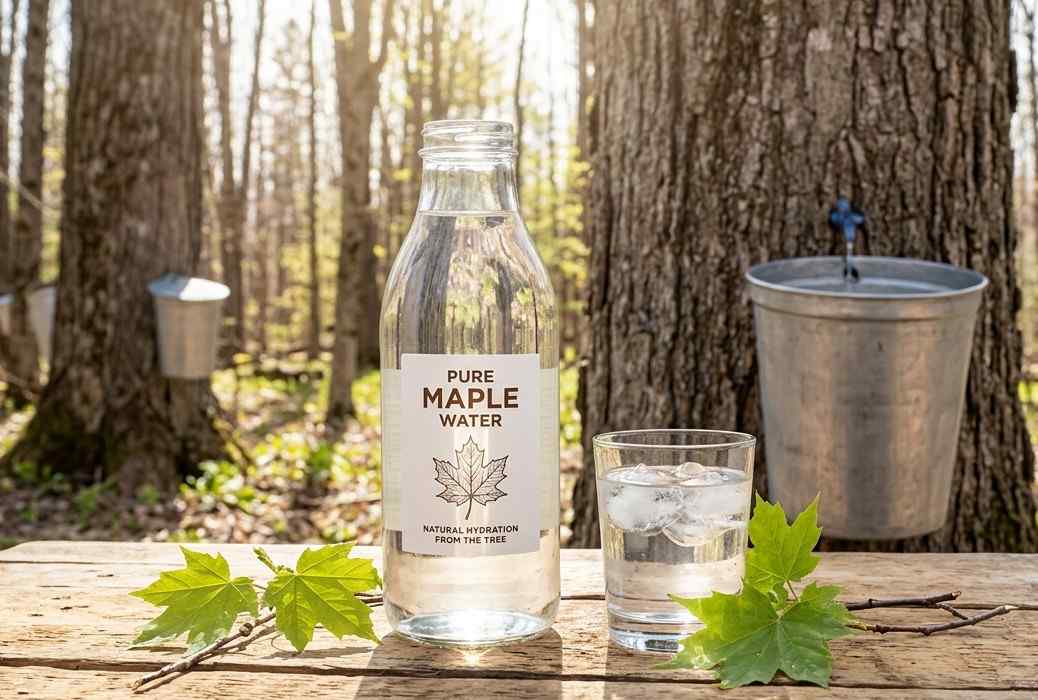
Maple water is one of nature’s most refreshing beverages. Harvested directly from maple trees during early spring, this clear, slightly sweet liquid is the raw sap that eventually becomes maple syrup after extensive boiling. Unlike maple syrup, maple water contains very little sugar and calories while naturally providing minerals, antioxidants, and hydration.
In recent years, maple water has gained popularity as a natural alternative to sugary drinks, sports beverages, and artificially flavored waters. Health-conscious individuals appreciate its subtle taste and nutritional profile, while athletes and active people often use it as a hydrating beverage.
This guide explores everything you need to know about maple water, including its nutritional value, science-backed health benefits, potential side effects, preparation methods, storage tips, and precautions.
What is Maple Water?
Maple water is the clear sap collected from maple trees, particularly sugar maple trees, during the spring season. As temperatures fluctuate between freezing nights and warmer days, pressure changes inside the tree cause nutrient-rich sap to flow.
This sap is approximately 95–99% water and contains small amounts of natural sugars, minerals, amino acids, organic acids, and plant compounds. Maple water is minimally processed and consumed as a beverage, whereas maple syrup is produced by boiling the sap until most of the water evaporates. Maple water has a mildly sweet taste with subtle earthy and woody notes, making it a refreshing natural drink.
Nutrition Facts of Maple Water
The nutritional values may vary depending on the tree species, season, and processing method.
| Nutrient | Amount per 240 ml (1 cup) |
|---|---|
| Calories | 15–30 |
| Carbohydrates | 3–7 g |
| Natural Sugars | 2–6 g |
| Protein | 0–1 g |
| Fat | 0 g |
| Potassium | 40–70 mg |
| Calcium | 15–30 mg |
| Magnesium | 5–15 mg |
| Manganese | 0.1–0.5 mg |
| Zinc | Trace |
| Iron | Trace |
| Sodium | 0–10 mg |
| Water Content | 95–99% |
| Antioxidants | Present |
20 Proven Health Benefits of Maple Water
- Supports Hydration: Maple water consists mostly of water and helps maintain proper hydration throughout the day.
- Provides Natural Electrolytes: It naturally contains minerals such as potassium, calcium, and magnesium that support fluid balance.
- Low in Calories: Maple water offers hydration with significantly fewer calories than many sweetened beverages.
- Contains Antioxidants: Natural polyphenols and antioxidants help combat oxidative stress in the body.
- Supports Heart Health: Potassium content may help maintain healthy blood pressure levels when consumed as part of a balanced diet.
- Promotes Muscle Function: Electrolytes support normal muscle contraction and recovery after physical activity.
- Aids Post-Exercise Recovery: Replenishes fluids and minerals lost through sweating during workouts.
- Supports Healthy Digestion: Proper hydration from maple water may contribute to smoother digestive function.
- May Reduce Oxidative Damage: Antioxidant compounds help neutralize free radicals that can damage cells.
- Naturally Fat-Free: Maple water contains virtually no fat, making it suitable for weight-management plans.
- Supports Bone Health: Small amounts of calcium and magnesium contribute to maintaining strong bones.
- Provides Trace Minerals: It supplies naturally occurring minerals that participate in numerous body functions.
- May Support Immune Function: Antioxidants and minerals play supportive roles in normal immune system activity.
- Gentle Alternative to Sugary Drinks: Maple water can replace high-calorie soft drinks and sweetened beverages.
- May Help Maintain Energy Levels: Natural sugars provide mild energy without the extreme sugar load of many sports drinks.
- Supports Healthy Metabolism: Manganese and other minerals contribute to normal metabolic processes.
- Promotes Kidney Hydration: Adequate fluid intake supports healthy kidney function and fluid balance.
- May Help Reduce Beverage-Related Sugar Intake: Choosing maple water instead of sugary drinks can lower daily sugar consumption.
- Supports Cellular Function: Hydration and electrolytes help maintain healthy cellular activity.
- Offers Natural Plant Compounds: Maple sap contains beneficial phytochemicals that may support overall wellness.
10 Side Effects of Maple Water
- May Increase Blood Sugar: The natural sugars in maple water can affect blood glucose levels in sensitive individuals.
- Possible Allergic Reactions: Some people may experience allergic responses to maple-derived products.
- Digestive Discomfort: Excessive consumption may occasionally cause bloating or stomach upset.
- Potential Contamination Risk: Improperly collected or stored maple water may harbor harmful microorganisms.
- May Interact with Certain Diet Plans: Individuals following strict low-carb diets may need to monitor intake.
- Can Cause Excess Calorie Intake: Drinking large amounts may add unnecessary calories to the diet.
- Potential Sensitivity to Tree Compounds: Some individuals may react to naturally occurring plant compounds.
- May Affect Blood Sugar Management: People with diabetes should monitor consumption carefully.
- Possible Fermentation Issues: Unrefrigerated maple water can ferment and cause digestive disturbances.
- Mineral Imbalance from Excess Intake: Extremely large quantities may contribute to minor electrolyte imbalances.
How to Make Maple Water?
Ingredients:
- Fresh maple tree sap
- Clean food-grade collection container
- Fine mesh strainer
- Glass bottle or jar
Instructions:
- Select a healthy maple tree during the sap-flow season.
- Drill a small hole and insert a clean tapping spout.
- Place a sanitized container beneath the spout to collect sap.
- Allow the sap to flow naturally into the container.
- Filter the collected sap through a fine mesh strainer.
- Refrigerate immediately after collection.
- Consume fresh within a few days or pasteurize for longer storage.
Tips for Consuming Maple Water
- Drink it chilled for the best flavor.
- Use it as a natural hydration beverage after exercise.
- Replace sugary sodas with maple sap water.
- Add lemon slices for extra freshness.
- Blend it into smoothies.
- Use it as a base for herbal teas.
- Consume it in moderation as part of a balanced diet.
- Check labels when purchasing commercial products.
- Refrigerate after opening.
- Choose unsweetened varieties whenever possible.
Other Uses of Maple Water
Cooking
Maple sap water can be used in soups, stews, grains, and sauces instead of plain water.
Smoothies
It serves as a nutrient-rich liquid base for fruit and vegetable smoothies.
Tea Preparation
Maple water can replace ordinary water when brewing herbal or green teas.
Sports Hydration
Athletes may use it as a natural alternative to conventional sports drinks.
Baking
It can add subtle sweetness and moisture to baked goods.
Homemade Popsicles
Maple water can be frozen with fruit for healthy frozen treats.
Oatmeal and Porridge
Use maple sap water instead of plain water when preparing breakfast cereals.
Plant Care
Some gardeners experiment with diluted maple sap water for certain plants due to its mineral content.
How Much Maple Water Can You Drink in a Day?
For most healthy adults, consuming 1–3 cups (240–720 ml) of maple water daily is generally reasonable as part of a balanced diet and hydration routine.
Athletes or highly active individuals may consume slightly more depending on hydration needs. However, excessive intake is unnecessary and may contribute extra sugar and calories.
Individuals with diabetes, kidney disorders, or specific dietary restrictions should consult a healthcare professional regarding appropriate intake.
Best Time to Drink Maple Water
Morning
Drinking maple sap water in the morning may help replenish fluids after overnight fasting.
Before Exercise
Consuming maple sap water before workouts can support hydration and electrolyte balance.
After Exercise
It may aid recovery by replacing fluids and minerals lost through sweat.
Between Meals
Maple sap water can serve as a refreshing beverage that helps maintain hydration throughout the day.
During Hot Weather
It is particularly beneficial during warm conditions when hydration requirements increase.
Who Should Drink Maple Water?
- Athletes and Active Individuals: Maple sap water helps replenish fluids and naturally occurring electrolytes after exercise.
- People Seeking Better Hydration: Its high water content makes it useful for daily hydration.
- Those Reducing Sugary Drinks: Maple sap water can be a healthier alternative to soft drinks and sweetened beverages.
- Outdoor Workers: Individuals exposed to heat may benefit from its refreshing hydration properties.
- Fitness Enthusiasts: The beverage supports hydration before and after workouts.
- People Looking for Low-Calorie Drinks: Maple sap water provides flavor with relatively few calories.
- Travelers: It can help maintain hydration during long journeys.
- Individuals Interested in Natural Beverages: Maple sap water offers a minimally processed drink option.
Who Should Avoid Maple Water?
- Individuals Allergic to Maple Products: Consumption may trigger allergic reactions.
- People with Poorly Controlled Diabetes: Natural sugars may affect blood glucose management.
- Those on Strict Low-Carbohydrate Diets: Even small amounts of sugar may not fit dietary goals.
- People Sensitive to Fermented Beverages: Improperly stored maple sap water can ferment and cause discomfort.
- Individuals with Specific Medical Restrictions: Certain medical conditions may require fluid or sugar monitoring.
- Those Consuming Spoiled Maple Water: Any beverage showing signs of spoilage should be discarded immediately.
How to Store Maple Water?
- Refrigerate Immediately: Fresh maple sap water should be chilled as soon as possible after collection.
- Use Airtight Containers: Properly sealed containers help preserve freshness and prevent contamination.
- Keep Away from Heat: Warm temperatures accelerate spoilage and fermentation.
- Store in Clean Bottles: Sanitary containers reduce bacterial growth.
- Monitor Freshness: Check for unusual odors, cloudiness, or bubbling before consumption.
- Freeze for Long-Term Storage: Freezing can significantly extend shelf life.
- Avoid Repeated Temperature Changes: Frequent warming and cooling may reduce quality.
- Consume Opened Products Quickly: Commercial maple sap water should generally be consumed within the recommended timeframe after opening.
Precautions and Interactions
Although maple water is generally considered safe for healthy individuals, certain precautions should be observed:
- People with diabetes should monitor blood sugar responses because maple sap water contains natural sugars.
- Individuals with tree-related allergies should exercise caution.
- Only consume maple sap water from reputable sources or properly collected sap.
- Avoid drinking maple sap water that appears cloudy, fermented, or spoiled.
- Pregnant and breastfeeding women should choose pasteurized products when possible.
- Those with kidney disease should consult a healthcare professional before making maple sap water a regular part of their diet.
- Individuals taking medications that affect fluid or electrolyte balance should seek medical guidance if consuming large amounts regularly.
- Maple sap water should complement, not replace, a balanced diet and adequate plain water intake.
Conclusion
Maple water is a naturally hydrating beverage derived directly from maple tree sap. Rich in water, naturally occurring minerals, and beneficial plant compounds, it offers a refreshing alternative to sugary drinks while supporting hydration and overall wellness. Its low-calorie profile, electrolyte content, and antioxidant properties make it appealing to athletes, health-conscious consumers, and anyone seeking natural beverage options. Like any food or drink, moderation is important. When sourced properly and consumed responsibly, maple sap water can be a healthy addition to a balanced lifestyle.
FAQ’s
Can I use Maple Water every day?
Yes, most healthy adults can drink maple sap water daily in moderation as part of a balanced diet and hydration routine.
How long does it take for Maple Water to work?
Maple sap water begins hydrating the body shortly after consumption, while any noticeable wellness benefits depend on factors such as diet, activity level, and overall health.
What does Maple Water smell like?
Maple sap water has a very mild, fresh scent with subtle woody and slightly sweet notes from the maple tree sap.
What is Maple Water good for?
Maple sap water is good for hydration, replenishing natural electrolytes, supporting post-exercise recovery, and providing antioxidants and essential minerals with few calories.
What does maple water taste like?
Maple sap water has a light, mildly sweet taste with subtle earthy and woody notes. It is much less sweet than maple syrup.
Is maple water healthy?
Yes, maple sap water can be a healthy beverage because it provides hydration, natural electrolytes, and antioxidants while being relatively low in calories.
Can maple water help with hydration?
Yes, maple sap water is made up of about 95–99% water and contains electrolytes that can help support hydration.
Is maple water better than coconut water?
Both drinks offer hydration and natural electrolytes. Maple sap water is generally lower in sugar and has a milder flavor, while coconut water contains higher amounts of potassium.
Can people with diabetes drink maple water?
People with diabetes can drink maple sap water in moderation, but they should monitor their blood sugar levels because it contains natural sugars.
Is maple water good for weight loss?
Maple sap water may support weight-management goals when used as a low-calorie alternative to sugary beverages, but it is not a weight-loss miracle drink.
Does maple water contain caffeine?
No, maple sap water is naturally caffeine-free.
Can children drink maple water?
Yes, maple sap water is generally safe for children when consumed in moderation and as part of a balanced diet.
Is maple water safe during pregnancy?
Pasteurized maple sap water is generally considered safe during pregnancy, but pregnant women should consult their healthcare provider before adding it regularly to their diet.
Does maple water contain electrolytes?
Yes, maple sap water naturally contains electrolytes such as potassium, calcium, and magnesium.
How long does maple water last?
Fresh maple sap water should be refrigerated and consumed within a few days. Commercially packaged products may last longer according to the manufacturer’s instructions.
Can maple water go bad?
Yes, maple sap water can spoil or ferment if not stored properly. Discard it if it develops an unusual smell, cloudiness, or bubbles.
What is the difference between maple water and maple syrup?
Maple water is the raw sap collected from maple trees, while maple syrup is made by boiling maple sap until most of the water evaporates and the sugars become concentrated.
Is maple water good for athletes?
Yes, athletes may benefit from maple sap water because it helps replenish fluids and provides naturally occurring electrolytes after physical activity.
Can maple water be used in cooking?
Yes, maple sap water can be used in soups, smoothies, teas, oatmeal, and various recipes as a substitute for plain water.
Does maple water contain antioxidants?
Yes, maple sap water contains natural plant compounds and antioxidants that may help protect cells from oxidative stress.
Is maple water vegan?
Yes, maple sap water is plant-based and suitable for vegans and vegetarians.
Also Read: