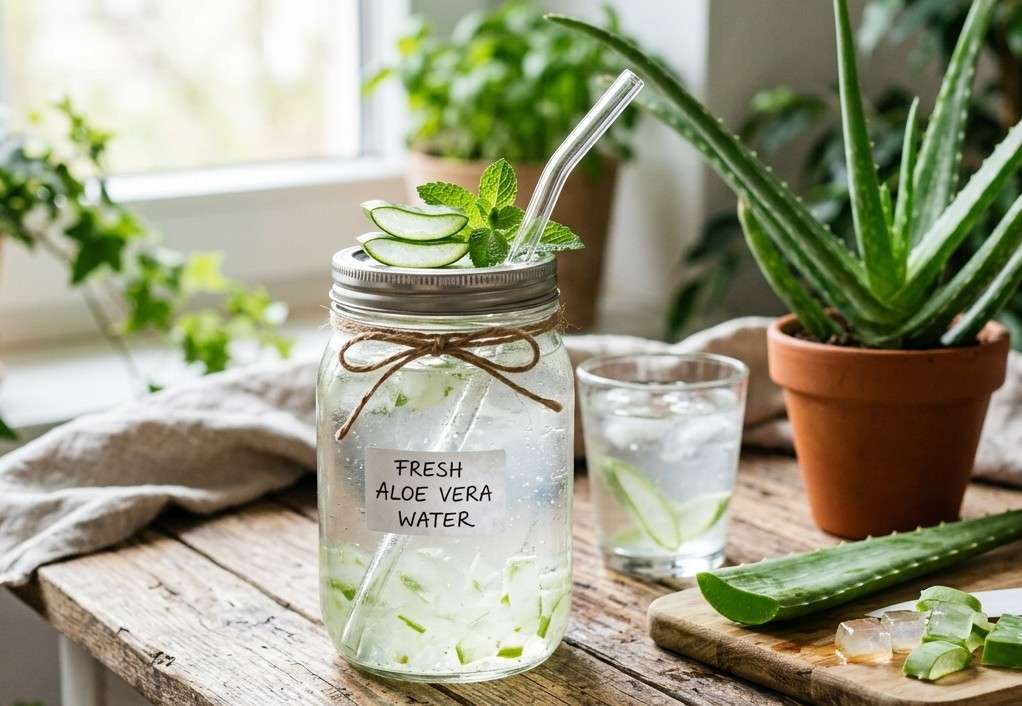
Aloe Vera Water has become one of the most popular wellness drinks in recent years, thanks to its refreshing taste and impressive nutritional profile. Made from the clear gel of the aloe vera plant mixed with water, this natural beverage has been used for centuries in traditional health practices and is now widely recognized for its potential benefits for hydration, digestion, skin health, and overall well-being.
The aloe vera plant is often called the “plant of immortality” because of its long history of medicinal use. Rich in antioxidants, enzymes, vitamins, minerals, and beneficial plant compounds, aloe vera offers more than just hydration.
In this guide, you’ll learn everything you need to know about aloe vera water, including its nutritional value, science-backed health benefits, possible side effects, how to make it at home, recommended daily intake, storage tips, and important precautions to consider before adding it to your routine.
What is Aloe Vera Water?
Aloe Vera Water is a refreshing beverage made by mixing the clear gel extracted from the leaves of the aloe vera plant with water. Known for its soothing, hydrating, and medicinal properties, aloe vera has been used for thousands of years in traditional medicine across many cultures.
Unlike aloe vera juice, which may contain concentrated aloe extracts and sweeteners, aloe vera water is usually a lighter drink made with fresh aloe gel and water. It contains vitamins, minerals, antioxidants, enzymes, amino acids, and plant compounds that may support digestion, hydration, skin health, and overall wellness.
Aloe vera water has gained popularity among health-conscious individuals because it is low in calories, naturally hydrating, and easy to incorporate into a daily routine. Many people consume it as part of a healthy lifestyle to support digestive health, improve skin appearance, and maintain hydration.
Nutrition Facts of Aloe Vera Water
The nutritional content may vary depending on preparation methods and dilution levels.
| Nutrient | Amount Per 1 Cup (240 ml) |
|---|---|
| Calories | 5-15 kcal |
| Water | 230-235 g |
| Carbohydrates | 1-3 g |
| Protein | 0.1-0.3 g |
| Fat | 0 g |
| Dietary Fiber | 0.1-0.5 g |
| Vitamin C | 2-5 mg |
| Calcium | 10-20 mg |
| Magnesium | 5-10 mg |
| Potassium | 20-40 mg |
| Sodium | 5-10 mg |
| Folate | Small amounts |
| Amino Acids | Trace amounts |
| Antioxidants | Present |
| Enzymes | Present |
20 Proven Health Benefits of Aloe Vera Water
- Supports Hydration: Aloe vera water contains mostly water, helping maintain proper hydration levels throughout the day.
- Improves Digestion: The natural enzymes in aloe vera may assist the breakdown of food and support digestive function.
- Promotes Healthy Bowel Movements: Aloe vera may help support regular bowel movements when consumed in moderation.
- Rich in Antioxidants: Aloe vera contains antioxidants that help combat oxidative stress caused by free radicals.
- Supports Skin Health: Regular consumption may help maintain skin hydration and improve skin appearance.
- May Reduce Inflammation: Bioactive compounds in aloe vera possess anti-inflammatory properties that may support overall health.
- Supports Immune Function: Vitamins, minerals, and antioxidants found in aloe vera may contribute to normal immune system function.
- May Aid Weight Management: Aloe vera water is low in calories and can be a healthy alternative to sugary beverages.
- Supports Gut Health: Aloe vera may help maintain a balanced digestive environment.
- May Help Control Blood Sugar Levels: Some studies suggest aloe vera may support healthy blood sugar regulation when combined with a balanced diet.
- Promotes Detoxification: The high water content may help support the body’s natural detoxification processes.
- Supports Heart Health: Certain compounds in aloe vera may contribute to cardiovascular wellness.
- May Improve Nutrient Absorption: Aloe vera may support better absorption of certain nutrients in the digestive tract.
- Supports Liver Function: Adequate hydration and antioxidant compounds may assist normal liver health.
- May Reduce Acid Reflux Symptoms: Aloe vera water may provide a soothing effect on the digestive tract.
- Supports Oral Health: Some research suggests aloe vera has properties that may promote healthy gums and oral tissues.
- May Help Reduce Fatigue: Proper hydration supported by aloe vera water can help maintain energy levels.
- Supports Healthy Cholesterol Levels: Preliminary studies indicate aloe vera may contribute to maintaining healthy cholesterol levels.
- Provides Essential Minerals: Aloe vera water supplies small amounts of important minerals needed for bodily functions.
- May Enhance Overall Wellness: Regular moderate consumption can be part of a healthy lifestyle focused on hydration and nutrition.
10 Side Effects of Aloe Vera Water
- Diarrhea Risk: Excessive consumption may cause loose stools or diarrhea.
- Abdominal Cramps: Some individuals may experience stomach discomfort after drinking aloe vera water.
- Electrolyte Imbalance: Overconsumption may contribute to the loss of potassium and other electrolytes.
- Allergic Reactions: Sensitive individuals may develop itching, rash, or allergic symptoms.
- Blood Sugar Changes: Aloe vera may lower blood sugar levels in some people.
- Medication Interactions: Aloe vera may interact with certain medications, including diabetes drugs and diuretics.
- Nausea: Some people may experience mild nausea after consuming aloe vera products.
- Kidney Stress: Excessive intake of aloe latex-containing products may negatively affect kidney health.
- Digestive Irritation: Individuals with sensitive digestive systems may experience discomfort.
- Pregnancy Concerns: Certain aloe compounds may not be suitable during pregnancy without medical supervision.
How to Make Aloe Vera Water?
Ingredients:
- 1 fresh aloe vera leaf
- 2 cups filtered water
- 1 teaspoon lemon juice (optional)
- Honey or natural sweetener (optional)
Instructions:
Step 1: Wash the Aloe Leaf
Rinse the aloe vera leaf thoroughly to remove dirt and debris.
Step 2: Remove the Skin
Using a sharp knife, carefully remove the thick green outer skin.
Step 3: Extract the Gel
Scoop out the clear gel while avoiding the yellow latex layer beneath the skin.
Step 4: Rinse the Gel
Wash the gel several times to remove any remaining latex.
Step 5: Blend
Add the gel and water to a blender and blend until smooth.
Step 6: Flavor if Desired
Add lemon juice or a small amount of honey for taste.
Step 7: Serve
Pour into a glass and enjoy chilled.
Tips for Consuming Aloe Vera Water
- Start with small amounts to assess tolerance.
- Choose fresh aloe vera from a reliable source.
- Remove all yellow latex before use.
- Drink it as part of a balanced diet.
- Consume freshly prepared aloe vera water whenever possible.
- Avoid excessive intake.
- Combine with fruits for improved flavor.
- Stay hydrated with plain water as well.
- Consult a healthcare professional if taking medications.
- Store leftovers properly in the refrigerator.
Other Uses of Aloe Vera Water
Beyond drinking, aloe vera water has several practical applications:
Skin Toner
It may be applied to the skin as a refreshing natural toner.
Hair Rinse
Many people use aloe vera water as a nourishing hair rinse.
Face Mist
Chilled aloe vera water can be used as a hydrating facial spray.
Sunburn Relief
It may provide a cooling sensation when applied externally.
Garden Use
Diluted aloe vera water is sometimes used for plant care.
Homemade Beauty Products
It can be added to face masks, lotions, and natural skincare preparations.
Scalp Care
Aloe vera water may help moisturize the scalp.
Post-Exercise Refreshment
Its hydrating properties make it a popular recovery drink.
How Much Aloe Vera Water Can You Drink in a Day?
Most healthy adults can generally consume:
- ½ to 1 cup (120–240 ml) per day when starting.
- Up to 2 cups (480 ml) daily in moderation if well tolerated.
- Follow product label instructions when using commercially prepared aloe vera water.
Excessive consumption is not recommended due to the potential risk of digestive side effects and electrolyte imbalances.
Best Time to Drink Aloe Vera Water
Morning on an Empty Stomach
Many people prefer drinking aloe vera water in the morning to support hydration and digestion.
Before Meals
Consuming it before meals may help prepare the digestive system.
After Exercise
It can help replenish fluids lost during physical activity.
Midday Refreshment
Aloe vera water serves as a low-calorie alternative to sugary beverages.
Avoid Excessive Nighttime Intake
Large amounts before bed may increase the likelihood of digestive discomfort in sensitive individuals.
Who Should Drink Aloe Vera Water?
- People Seeking Better Hydration: Aloe vera water can help increase daily fluid intake.
- Individuals Looking for Digestive Support: The natural compounds may support digestive wellness.
- People Following Weight Management Plans: Its low calorie content makes it a healthy beverage choice.
- Those Wanting Healthier Skin: Regular hydration may support skin appearance and moisture.
- Active Individuals: It can help replenish fluids after physical activity.
- People Reducing Sugary Drinks: Aloe vera water can serve as a healthier beverage replacement.
- Adults Seeking Antioxidant Support: Aloe vera contains beneficial antioxidant compounds.
- Individuals Focused on General Wellness: Moderate consumption can fit into a healthy lifestyle.
Who Should Avoid Aloe Vera Water?
- Pregnant Women: Aloe products may not be suitable during pregnancy without medical guidance.
- Breastfeeding Mothers: Safety information remains limited for regular consumption.
- Children Without Medical Advice: Young children should only consume it under professional guidance.
- People with Aloe Allergies: Those allergic to aloe should avoid aloe vera water.
- Individuals with Kidney Disorders: Certain aloe compounds may aggravate kidney problems.
- People with Digestive Conditions: Those with IBS or chronic diarrhea may experience worsening symptoms.
- Individuals Taking Diabetes Medications: Aloe vera may influence blood sugar levels.
- People Taking Diuretics: Combined effects may increase electrolyte loss.
- Individuals Taking Blood-Thinning Medications: Medical supervision is recommended.
- People Preparing for Surgery: Aloe vera may affect blood sugar control and should be discussed with a healthcare provider.
How to Store Aloe Vera Water?
- Use Airtight Containers: Store aloe vera water in sealed glass or food-grade containers.
- Refrigerate Immediately: Keep it refrigerated after preparation.
- Consume Within 2-3 Days: Fresh aloe vera water is best consumed quickly.
- Avoid Direct Sunlight: Sunlight may degrade beneficial compounds.
- Keep Away from Heat: High temperatures can reduce freshness.
- Label Storage Dates: Mark preparation dates to track freshness.
- Check for Odor Changes: Discard if it develops an unusual smell.
- Watch for Color Changes: Significant discoloration may indicate spoilage.
- Avoid Repeated Temperature Changes: Frequent warming and cooling may reduce quality.
- Freeze for Longer Storage: Small portions may be frozen for future use.
Precautions and Interactions
Although aloe vera water is generally considered safe when consumed in moderation, certain precautions should be observed.
Medication Interactions
Aloe vera may interact with:
- Diabetes medications
- Diuretics
- Laxatives
- Blood-thinning medications
- Heart medications
Medical Conditions Requiring Caution
Consult a healthcare provider before consuming aloe vera water if you have:
- Kidney disease
- Digestive disorders
- Diabetes
- Electrolyte imbalances
- Heart conditions
Product Quality Matters
Choose products that are:
- Free from excessive additives
- Low in added sugar
- Properly processed to remove aloe latex
- Manufactured by reputable brands
Moderation is Important
More is not always better. Excessive intake may increase the risk of digestive side effects and electrolyte disturbances.
Conclusion
Aloe Vera Water is a refreshing, low-calorie beverage that offers hydration along with a variety of beneficial plant compounds, antioxidants, vitamins, and minerals. Research suggests it may support digestion, skin health, hydration, immune function, and overall wellness when consumed responsibly. However, moderation is important, as excessive intake can lead to digestive discomfort and other side effects.
When prepared correctly and consumed as part of a balanced lifestyle, aloe vera water can be a valuable addition to a healthy daily routine. Whether enjoyed first thing in the morning, after exercise, or as a refreshing beverage throughout the day, it provides a simple way to benefit from one of nature’s most versatile plants.
FAQ’s
What is Aloe Vera Water good for?
Water is commonly used to support hydration, digestion, skin health, and overall wellness. It also provides antioxidants and small amounts of vitamins and minerals.
Can I drink Aloe Vera Water every day?
Yes, most healthy adults can drink Aloe Vera Water daily in moderation. About ½ to 2 cups per day is generally considered reasonable, depending on individual tolerance.
What does Aloe Vera Water taste like?
Water has a mild, slightly earthy, and refreshing taste. Many people add lemon, lime, or fruit juice to improve the flavor.
How long does it take for Aloe Vera Water to work?
Hydration benefits can be noticed immediately, while digestive or skin-related benefits may take several days or weeks of consistent use.
Is Aloe Vera Water good for weight loss?
Water may support weight management because it is low in calories and can help replace sugary beverages, but it is not a weight-loss miracle drink.
Can Aloe Vera Water improve digestion?
Yes, Water may help support healthy digestion and regular bowel movements when consumed in moderation.
Is Aloe Vera Water safe during pregnancy?
Pregnant women should consult their healthcare provider before consuming water, as certain aloe compounds may not be recommended during pregnancy.
Can children drink Aloe Vera Water?
Children should only consume water with guidance from a healthcare professional, especially if it is a concentrated product.
Does Aloe Vera Water help with skin health?
Water may support skin hydration and provide antioxidants that contribute to healthier-looking skin.
Can Aloe Vera Water lower blood sugar?
Some studies suggest aloe vera may help support healthy blood sugar levels, but people with diabetes should consult a healthcare provider before regular use.
Is Aloe Vera Water good for the liver?
Its hydration and antioxidant content may support normal liver function as part of a healthy lifestyle.
Can Aloe Vera Water cause diarrhea?
Yes, excessive consumption may lead to diarrhea, stomach cramps, or digestive discomfort, especially if aloe latex is present.
Is Aloe Vera Water better than plain water?
Plain water remains the best source of hydration, but water can provide additional antioxidants and plant compounds.
Does Aloe Vera Water contain sugar?
Fresh homemade water contains very little natural sugar. Commercial products may contain added sugars, so check the label.
Can Aloe Vera Water help with acid reflux?
Some people find water soothing for occasional acid reflux symptoms, although results vary from person to person.
Is Aloe Vera Water safe for long-term use?
Moderate consumption is generally considered safe for most healthy adults, but long-term daily use should be discussed with a healthcare professional if you have underlying health conditions.
What does Aloe Vera Water smell like?
Water has a mild, fresh, slightly grassy aroma. If it smells sour or unpleasant, it may have spoiled and should not be consumed.
Also Read: