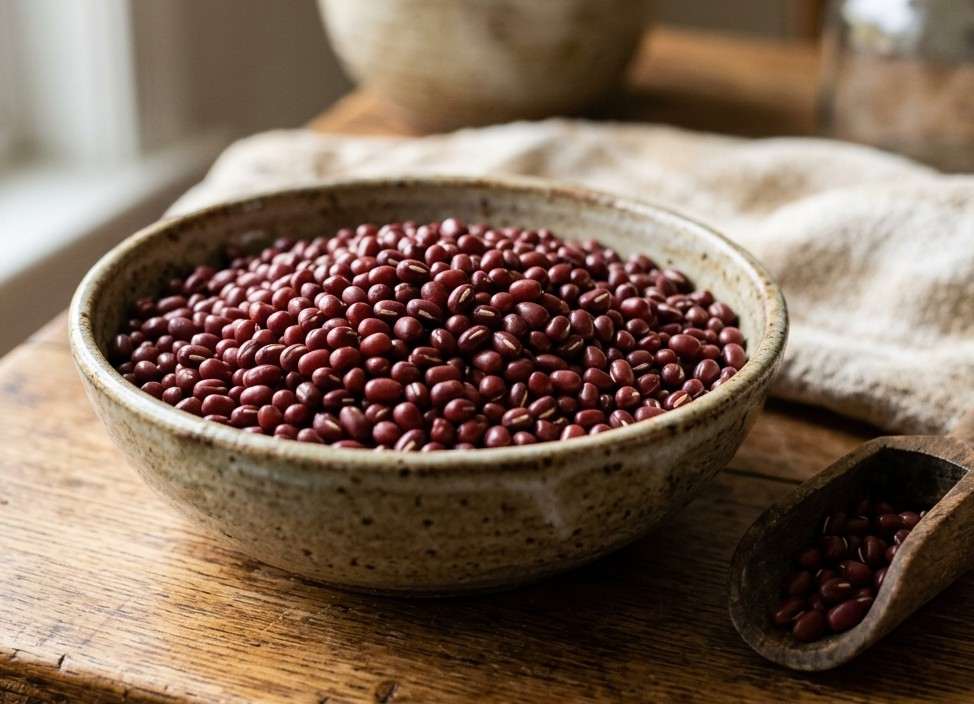
Small red beans are nutritious legumes that can make everyday meals more filling, flavorful, and balanced. These tiny, reddish-brown beans are commonly used in soups, stews, rice dishes, chili, and traditional bean recipes. They provide plant-based protein, dietary fiber, complex carbohydrates, and essential minerals that support several important body functions.
Whether you want to improve your daily diet, eat more plant-based foods, or discover new ways to prepare beans, small red beans are a versatile option worth considering.
However, their nutritional value depends on the variety, preparation method, and serving size. They can also cause digestive discomfort in some people, and raw or undercooked red beans may contain harmful natural toxins. Proper cooking is essential.
In this guide, you will learn what small red beans are, their nutrition facts, potential health benefits, possible side effects, cooking methods, recommended serving sizes, and precautions.
What Are Small Red Beans?
Small red beans are a type of edible legume belonging to the Phaseolus vulgaris species, which also includes common beans such as kidney beans, black beans, and pinto beans. They are generally small, oval-shaped, and red to reddish-brown in color.
Small red beans are sometimes confused with red kidney beans, but they are not necessarily the same variety. The term can refer to different small red bean varieties depending on the region and seller. Adzuki beans, which are smaller and commonly used in East Asian cuisine, are a different species (Vigna angularis).
Small red beans have a mild, earthy flavor and a creamy texture when cooked. Their ability to absorb seasonings makes them suitable for a wide range of savory dishes.
They are especially useful for people who want to increase their intake of plant-based protein and fiber without relying entirely on meat, eggs, or dairy products.
Key characteristics of small red beans:
- Appearance: Small, oval-shaped beans with red or reddish-brown skin.
- Taste: Mild, earthy, and slightly nutty.
- Texture: Tender and creamy after proper cooking.
- Nutritional profile: Contains protein, fiber, carbohydrates, folate, iron, potassium, and magnesium.
- Common uses: Soups, stews, chili, salads, rice dishes, bean patties, and purees.
- Dietary suitability: Naturally gluten-free and suitable for vegetarian and vegan diets when prepared with appropriate ingredients.
Small red beans can be purchased dried or canned. Dried beans usually require soaking and thorough cooking, while canned beans are generally ready to use after draining and rinsing.
Nutrition Facts of Small Red Beans
Small red beans provide a combination of protein, carbohydrates, fiber, and micronutrients. Their exact nutritional composition varies by variety and preparation method. The following is an approximate nutrition values for 1 cup (about 177 grams) of cooked red beans.
| Nutrient | Approximate amount |
|---|---|
| Calories | 225 kcal |
| Protein | 15.3 g |
| Total carbohydrates | 40.4 g |
| Dietary fiber | 11.3 g |
| Total fat | 0.9 g |
| Sugars | 0.6 g |
| Folate (vitamin B9) | 230 mcg |
| Iron | 5.2 mg |
| Magnesium | 79 mg |
| Potassium | 713 mg |
| Phosphorus | 251 mg |
| Calcium | 55 mg |
| Zinc | 1.9 mg |
| Sodium | 2 mg naturally, before added salt |
What Makes Small Red Beans Nutritious?
- Plant-based protein: Helps build and maintain muscles and supports normal tissue repair.
- Dietary fiber: Supports regular bowel movements and helps you feel satisfied after meals.
- Complex carbohydrates: Provide energy for daily activities.
- Folate: Supports DNA synthesis, cell division, and normal red blood cell formation.
- Iron: Helps the body produce hemoglobin, which carries oxygen in the blood.
- Potassium: Supports normal muscle contraction, nerve function, and blood pressure regulation.
- Magnesium: Contributes to muscle function, nerve signaling, and energy metabolism.
Small red beans are naturally low in fat, but the calories and sodium in a finished dish can increase when you add oil, salt, processed meat, or rich sauces.
20 Potential Health Benefits of Small Red Beans
1. Supports Digestive Health: The dietary fiber in small red beans helps support normal bowel movements and contributes to a healthy digestive system.
2. May Help Prevent Constipation: Their fiber content adds bulk to stool and can help promote regularity when consumed with enough fluids.
3. Supports Heart Health: Small red beans are naturally low in saturated fat and provide fiber, potassium, and folate, which can contribute to a heart-friendly eating pattern.
4. May Help Manage Cholesterol: Soluble fiber from beans may help reduce the absorption of cholesterol in the digestive tract, supporting healthier blood cholesterol levels.
5. Supports Healthy Blood Pressure: Their potassium and magnesium content contributes to normal blood pressure regulation when included in a balanced diet.
6. Provides Plant-Based Protein: Small red beans supply protein needed for muscle maintenance, tissue repair, and the production of enzymes.
7. May Support Weight Management: Their combination of protein and fiber can help you feel full for longer, potentially making it easier to manage overall food intake.
8. Provides Steady Energy: Complex carbohydrates supply energy, while the fiber and protein in beans help slow digestion compared with many refined carbohydrate foods.
9. Supports Blood Sugar Management: Fiber and slowly digested carbohydrates may help moderate post-meal blood sugar responses, although individual effects depend on the meal and the person’s health.
10. Helps Support Red Blood Cell Formation: Small red beans provide iron and folate, nutrients needed for normal red blood cell production.
11. Supports Healthy Cell Growth: Folate is essential for DNA synthesis and cell division, making it especially important during periods of rapid growth.
12. Contributes to Muscle Function: Magnesium and potassium help support normal muscle contraction and nerve signaling.
13. Supports Bone Health: Small red beans provide magnesium, phosphorus, and some calcium, which contribute to maintaining healthy bones.
14. Supports Immune Function: Protein, iron, zinc, and folate contribute to the normal functioning of the immune system.
15. Promotes Gut Microbiome Diversity: Certain fibers and resistant starches in beans serve as food for beneficial gut bacteria.
16. Supports Healthy Metabolism: B vitamins and minerals found in beans help the body convert food into usable energy and perform normal metabolic functions.
17. May Help Reduce Unhealthy Snacking: A filling meal containing small red beans may help reduce hunger between meals for some people.
18. Supports a Plant-Rich Diet: Replacing some processed meats or other foods high in saturated fat with beans can improve the overall nutritional quality of a meal.
19. Provides Antioxidant Compounds: Red-colored bean varieties contain plant compounds, including polyphenols, that have antioxidant activity. The extent of their effects in humans varies.
20. Supports Overall Nutritional Adequacy: Adding small red beans to a varied diet can help increase the intake of fiber, protein, folate, iron, potassium, and other essential nutrients.
10 Side Effects of Small Red Beans
Small red beans are generally safe for most people when thoroughly cooked and eaten in reasonable portions. However, their high fiber content and naturally occurring compounds may cause problems in certain situations.
1. Gas and Flatulence: Small red beans contain fermentable carbohydrates that gut bacteria break down, potentially producing excess gas.
2. Abdominal Bloating: Eating a large serving, especially when you are not accustomed to high-fiber foods, may cause a feeling of fullness or swelling in the abdomen.
3. Stomach Cramps: Fermentation of certain carbohydrates can cause intestinal discomfort or cramping in sensitive individuals.
4. Changes in Bowel Movements: A sudden increase in fiber may cause loose stools in some people, while inadequate fluid intake may worsen constipation.
5. Digestive Discomfort: People with irritable bowel syndrome (IBS) or sensitivity to fermentable carbohydrates may experience symptoms after eating beans.
6. Food Allergic Reactions: Although uncommon, bean allergies can occur and may cause itching, hives, swelling, vomiting, or breathing difficulties.
7. Harmful Effects From Undercooked Beans: Raw or inadequately cooked red kidney-type beans may contain phytohaemagglutinin, a natural lectin that can cause severe nausea, vomiting, diarrhea, and abdominal pain.
8. High Potassium Intake in Sensitive Individuals: People with advanced kidney disease or other conditions that require potassium restriction may need to limit portions according to medical advice.
9. Excess Sodium From Canned Products: Some canned beans contain substantial added salt, which may be unsuitable for people who need to restrict sodium.
10. Reduced Absorption of Some Minerals: Beans contain phytates that can reduce the absorption of certain minerals, including iron and zinc. A varied diet and appropriate preparation help reduce the practical impact for most people.
How to Eat Small Red Beans?
Small red beans can be incorporated into breakfast, lunch, dinner, or snacks. Their mild flavor makes them easy to combine with vegetables, grains, herbs, and spices.
- With Rice: Serve thoroughly cooked beans with brown rice, vegetables, and your favorite seasonings for a filling meal.
- In Soups: Add cooked beans to vegetable soup, tomato soup, or mixed-bean soup.
- In Salads: Combine cooled cooked beans with cucumber, tomatoes, onions, lemon juice, and fresh herbs.
- In Curries: Simmer cooked beans with tomatoes, garlic, ginger, cumin, and other spices.
- In Chili: Use small red beans in vegetarian chili with tomatoes, peppers, onions, and spices.
- In Grain Bowls: Combine beans with quinoa, brown rice, roasted vegetables, and a light dressing.
- In Wraps and Tacos: Mash or lightly crush cooked beans and add them to whole-grain wraps or tacos.
- As a Bean Dip: Blend cooked beans with lemon juice, garlic, herbs, and a little olive oil.
- In Pasta Dishes: Stir beans into tomato-based pasta sauces to increase protein and fiber.
- As a Mashed Bean Spread: Mash tender beans with herbs and spices and serve on whole-grain toast.
For a balanced meal, pair small red beans with vegetables, whole grains, and a suitable source of healthy fat.
Tips for Consuming Small Red Beans
A few simple habits can make small red beans easier to prepare and enjoy.
- Start With Small Portions: If you rarely eat beans, begin with a small serving and increase it gradually.
- Drink Enough Water: Adequate fluids help dietary fiber function properly.
- Soak Dried Beans: Soaking can reduce cooking time and may help reduce some fermentable carbohydrates.
- Discard Soaking Water: Drain and rinse soaked beans, then cook them in fresh water.
- Cook Until Tender: Proper cooking improves texture and is essential for safety.
- Rinse Canned Beans: Rinsing can remove some of the sodium from canned beans.
- Use Herbs and Spices: Ginger, cumin, coriander, garlic, and bay leaves can add flavor without requiring excessive salt.
- Avoid Excessive Added Fat: Use moderate amounts of oil and limit heavy sauces if you want to keep meals lighter.
- Combine With Vitamin C Sources: Tomatoes, bell peppers, and lemon juice provide vitamin C, which helps the body absorb non-heme iron from plant foods.
- Check the Variety: Read the package label because small red beans, red kidney beans, and adzuki beans are different varieties with different cooking requirements.
How to Cook Small Red Beans?
Cooking dried small red beans at home is straightforward, but the exact cooking time depends on the variety, age of the beans, and soaking method.
Ingredients
- 1 cup dried small red beans
- Water for soaking and cooking
- 1 small onion, chopped (optional)
- 2 garlic cloves, chopped (optional)
- 1 bay leaf (optional)
- Salt and seasonings to taste
Cooking Instructions
- Sort the Beans: Spread the dried beans on a plate and remove stones, damaged beans, or other debris.
- Rinse Thoroughly: Rinse the beans under clean running water.
- Soak the Beans: Cover them with plenty of water and soak for approximately 8–12 hours in the refrigerator. Discard the soaking water afterward.
- Add Fresh Water: Transfer the soaked beans to a large pot and cover them with fresh water.
- Boil Vigorously: Bring the water to a rolling boil. For red kidney-type beans, maintain a vigorous boil for at least 30 minutes to help destroy the natural lectin.
- Simmer Until Tender: Reduce the heat and continue cooking until the beans are completely tender. This may take another 30–60 minutes or longer, depending on the variety and age of the beans.
- Add Seasonings: Add onion, garlic, bay leaf, and other preferred seasonings. Salt can be added during cooking or toward the end according to taste.
- Check Doneness: Cut or press a bean to ensure it is soft throughout, without a hard or chalky center.
- Serve Safely: Use the cooked beans in soups, rice dishes, salads, curries, or other recipes.
Food safety note: Cooking times alone cannot guarantee safety if the bean variety or preparation method differs. Follow package instructions where available. Do not taste beans until they have been thoroughly cooked. For kidney-type beans, do not use a slow cooker as the only cooking method for raw beans.
Can You Cook Small Red Beans Without Soaking?
Yes, many dried beans can be cooked without soaking, but they generally take longer to soften. If you skip soaking, rinse and sort the beans, boil them vigorously for at least 30 minutes if they are kidney-type beans, and continue cooking until completely tender. Soaking is often more convenient because it reduces cooking time.
Can You Use Canned Small Red Beans?
Yes. Canned beans are already cooked and are convenient for quick meals. Drain and rinse them, then add them to soups, curries, salads, or rice dishes. Heat them thoroughly if the recipe calls for hot beans.
Other Uses of Small Red Beans
Beyond their role as a nutritious ingredient, small red beans can be used in several practical ways in the kitchen.
- Thickening Soups and Stews: Mash a portion of cooked beans into soups or stews to create a thicker texture without relying on cream or flour.
- Making Vegetarian Patties: Combine mashed beans with oats, chopped vegetables, and seasonings to make bean patties.
- Preparing Bean Flour: Properly processed, food-grade bean flour can be used in certain recipes to add protein and fiber; it must be cooked appropriately before eating.
- Creating Plant-Based Fillings: Use seasoned beans as a filling for wraps, stuffed vegetables, and savory pastries.
- Reducing Food Waste: Add leftover cooked beans to a new meal rather than discarding them, provided they have been stored safely.
- Making Smooth Bean Purees: Blend cooked beans into a smooth puree for dips, spreads, or thick sauces.
- Replacing Some Meat in Recipes: Substitute part of the meat in chili, casseroles, or taco fillings with cooked beans to increase plant-based fiber.
Small red beans are intended primarily as food. There is not enough evidence to recommend them as a topical skincare treatment or as a home remedy for a medical condition.
How Much Small Red Beans Can You Eat in a Day?
For many healthy adults, about ½ to 1 cup of cooked small red beans per day can be a practical serving, depending on individual energy needs, digestive tolerance, and the rest of the diet. This is a general food portion suggestion, not a medical prescription.
| Serving size | Approximate calories | Approximate protein | Approximate fiber |
|---|---|---|---|
| ¼ cup cooked | 56 kcal | 3.8 g | 2.8 g |
| ½ cup cooked | 113 kcal | 7.7 g | 5.7 g |
| 1 cup cooked | 225 kcal | 15.3 g | 11.3 g |
Approximate values based on cooked red kidney beans; individual small red bean varieties may differ.
How to Choose Your Portion
- Beginners: Start with ¼ cup cooked beans if you are not accustomed to eating legumes.
- Regular Bean Eaters: A ½-cup serving is a convenient addition to lunch or dinner.
- People Seeking More Plant Protein: A cup of cooked beans can contribute a substantial amount of protein and fiber as part of a balanced meal.
- People With Digestive Sensitivity: Smaller portions may be better tolerated, particularly when introduced gradually.
- People With Medical Dietary Restrictions: Follow individualized advice if you need to limit potassium, phosphorus, carbohydrates, or other nutrients.
You do not need to eat small red beans every day to benefit from them. Alternating them with lentils, chickpeas, peas, and other legumes can provide variety.
Best Time to Eat Small Red Beans
There is no single best time to eat small red beans. Their nutritional benefits do not depend on eating them at a specific hour.
- At Breakfast: Add a small portion to a savory breakfast bowl or whole-grain toast.
- At Lunch: Include them in salads, grain bowls, soups, or curries for a satisfying midday meal.
- At Dinner: Pair them with vegetables and whole grains for a balanced evening meal.
- After Physical Activity: Eat them as part of a meal containing carbohydrates and protein to help replenish energy and support muscle recovery.
- When Managing Hunger: Include them in meals where their fiber and protein may help you stay satisfied for longer.
If beans cause bloating or gas, avoid eating a large portion immediately before bedtime or before an activity where digestive discomfort would be inconvenient. Your personal tolerance matters more than the clock.
Who Should Eat Small Red Beans?
Small red beans can fit into many dietary patterns and may be particularly useful for people who want more plant-based foods.
- People Following Vegetarian Diets: Small red beans provide plant protein and can help contribute to daily protein requirements.
- People Following Vegan Diets: They provide protein, fiber, iron, and folate without animal-derived ingredients.
- People Seeking More Fiber: Their fiber content can help support regular bowel movements and digestive health.
- People Interested in Heart-Healthy Eating: Their low saturated fat content and combination of fiber and minerals make them a useful part of a heart-conscious diet.
- People Managing Their Weight: Their protein and fiber may promote fullness when included in appropriately portioned meals.
- People Looking for Affordable Nutrition: Dried beans are generally economical, shelf-stable, and suitable for batch cooking.
- Physically Active People: They provide carbohydrates for energy and protein to support normal muscle maintenance.
- People Seeking More Plant-Based Iron: Small red beans contribute non-heme iron, especially useful when paired with vitamin C-rich foods.
- People Planning Balanced Family Meals: Thoroughly cooked beans can provide nutrients for older children and adults as part of a varied diet, with age-appropriate textures and portions for young children.
Who Should Not Eat Small Red Beans?
Most people do not need to avoid properly cooked small red beans. However, some people should avoid them or seek individualized guidance.
- People With a Confirmed Bean Allergy: Avoid the specific bean that triggers the allergy and follow advice from an allergy specialist.
- People Eating Raw or Undercooked Kidney-Type Beans: Do not eat these beans because their natural lectin content can cause food poisoning.
- People With Significant Digestive Sensitivity: Those with IBS or sensitivity to fermentable carbohydrates may need smaller portions or individualized dietary guidance.
- People With Advanced Kidney Disease: Those who have been advised to restrict potassium or phosphorus may need to adjust their portion sizes.
- People on Prescribed Potassium Restrictions: Follow your healthcare professional’s guidance on suitable bean varieties and quantities.
- People Who Experience Repeated Symptoms After Eating Beans: Seek medical advice if you regularly experience severe pain, vomiting, diarrhea, or other persistent symptoms.
People with diabetes, high blood pressure, or high cholesterol do not automatically need to avoid small red beans. However, preparation, portion size, and the overall meal should fit their individual dietary needs.
How to Store Small Red Beans?
Proper storage helps preserve flavor, texture, and food safety.
Storing Dried Small Red Beans
- Use an Airtight Container: Keep dried beans in a clean, dry, sealed container to protect them from moisture and pests.
- Choose a Cool Location: Store the container in a cool, dry cupboard away from direct sunlight and heat.
- Keep Them Away From Moisture: Moisture can encourage mold growth and spoilage.
- Label the Container: Record the purchase date or best-before date to help manage pantry supplies.
- Inspect Before Cooking: Discard beans that show mold, unusual discoloration, moisture damage, or signs of insects.
Storing Cooked Small Red Beans
- Refrigerate Promptly: Place cooked beans in the refrigerator within two hours of cooking, or within one hour when the surrounding temperature exceeds 32°C (90°F).
- Use a Covered Container: Store them in a clean, airtight food container.
- Eat Within 3–4 Days: Refrigerated cooked beans generally keep for three to four days when handled correctly.
- Freeze for Longer Storage: Freeze cooked beans in meal-sized portions for convenient use later.
- Reheat Thoroughly: Reheat leftovers to 74°C (165°F) before eating.
- Discard Unsafe Leftovers: Do not taste beans to check whether they are safe if they have been left out too long or show signs of spoilage.
Storing Canned Small Red Beans
- Keep Unopened Cans in a Dry Place: Store them according to the manufacturer’s instructions.
- Refrigerate Opened Beans: Transfer leftovers to a covered container rather than storing them in an opened can.
- Follow Storage Guidance: Use refrigerated leftovers within three to four days as a general rule, and discard cans that are swollen, leaking, badly rusted, or deeply dented at the seams.
Precautions and Interactions
Although small red beans are nutritious, a few precautions can help you enjoy them safely.
- Cook Thoroughly: Never eat raw or undercooked kidney-type red beans because they may contain toxic lectins that cause gastrointestinal illness.
- Increase Fiber Gradually: Introduce beans in small portions to reduce the likelihood of gas, bloating, and abdominal discomfort.
- Maintain Adequate Hydration: Drink enough water throughout the day to support normal bowel function as your fiber intake increases.
- Monitor Added Sodium: Choose no-added-salt canned beans when possible, particularly if you need to limit sodium for blood pressure or other medical reasons.
- Consider Kidney Health: People with chronic kidney disease should ask their healthcare professional whether bean portions need adjustment based on their potassium and phosphorus requirements.
- Pay Attention to Allergies: Stop eating the beans if you suspect an allergic reaction and seek appropriate medical guidance.
- Consider Iron Absorption: Pair beans with vitamin C-rich foods, such as tomatoes, bell peppers, or citrus fruits, to improve the absorption of plant-based iron.
- Review Individual Dietary Restrictions: If you follow a prescribed diet for diabetes, kidney disease, or another condition, adjust portions according to your care plan.
- Check Packaged Ingredients: Seasoned or canned bean products may contain added salt, sugar, or other ingredients that affect their nutritional profile.
- Be Careful With Leftovers: Refrigerate cooked beans promptly and reheat them thoroughly before serving.
Do Small Red Beans Interact With Medications?
Small red beans are not known to have a major direct interaction with most common medications when eaten as a normal food. However, their potassium content may matter for people taking certain medicines that increase potassium levels, including some ACE inhibitors, ARBs, and potassium-sparing diuretics, particularly when kidney function is impaired.
People taking medicines for diabetes should also consider how the carbohydrates in their meals fit into their treatment plan. There is no need to avoid beans automatically, but individualized advice may be appropriate.
If you take medication and have a condition requiring dietary restrictions, consult your healthcare professional or registered dietitian before making major dietary changes.
FAQ’s
What are small red beans good for?
Small red beans provide plant-based protein, dietary fiber, iron, folate, and potassium that support digestion, muscle function, and overall health.
Are small red beans good for weight loss?
Yes, small red beans may support weight management because their protein and fiber help promote fullness and reduce hunger between meals.
Are small red beans high in protein?
Yes, one cup of cooked red kidney beans provides approximately 15 grams of protein, although the exact amount varies by bean variety.
Can you eat small red beans every day?
Yes, most healthy adults can eat properly cooked small red beans regularly as part of a balanced diet, depending on their nutritional needs and digestive tolerance.
Do small red beans cause gas?
Yes, small red beans can cause gas and bloating because they contain fermentable carbohydrates and dietary fiber.
Are small red beans good for people with diabetes?
Small red beans can fit into a diabetes-friendly diet because they provide fiber, protein, and complex carbohydrates that may help moderate post-meal blood sugar responses.
Are small red beans healthier than kidney beans?
Both can be nutritious sources of protein, fiber, and minerals. Their nutritional differences depend on the specific varieties and how they are prepared.
Do small red beans need to be soaked before cooking?
Soaking dried small red beans can shorten cooking time and may improve digestive tolerance. Kidney-type red beans must still be boiled vigorously before simmering until fully tender.
Can you eat small red beans at night?
Yes, you can eat small red beans at dinner. However, smaller portions may be more comfortable if beans cause gas or bloating.
Are small red beans good for heart health?
Small red beans provide fiber, potassium, and magnesium, which can contribute to a heart-healthy diet when combined with other nutritious foods.
Can small red beans help prevent constipation?
Their dietary fiber can help promote regular bowel movements when consumed with adequate fluids.
Are small red beans safe during pregnancy?
Properly cooked small red beans can be part of a healthy pregnancy diet because they provide folate, iron, protein, and fiber. Individual nutritional needs may vary.
How long do small red beans take to cook?
Soaked dried beans may take approximately 60–90 minutes or longer, depending on the variety and age. Kidney-type beans require a vigorous boil for at least 30 minutes before simmering until completely tender.
Are canned small red beans healthy?
Yes, canned small red beans are convenient and nutritious. Choose lower-sodium options when possible, and drain and rinse them to remove some added sodium.
Can small red beans improve iron levels?
Small red beans provide plant-based iron, which contributes to normal red blood cell production. Pairing them with vitamin C-rich foods improves iron absorption, but they are not a substitute for medical treatment for iron deficiency.
Are small red beans healthy?
Yes. Properly cooked small red beans provide plant-based protein, fiber, folate, iron, potassium, and other nutrients that can support a balanced diet.
Which is healthier: small red beans or black beans?
Both can be nutritious sources of plant protein, fiber, and minerals. The better choice depends on the specific variety, preparation method, and your dietary needs. Eating a variety of legumes is a good approach.
Are small red beans a type of kidney bean?
Small red beans and red kidney beans are related, but they are not always the same variety. Small red beans are generally smaller and rounder, while kidney beans are larger and kidney-shaped.
What is the difference between red beans and small red beans?
Red beans is a general term for several red-colored bean varieties, while small red beans usually refers to smaller, oval-shaped beans. Their size, texture, cooking time, and nutritional content can vary by variety.
Are small red beans safe for children?
Yes, properly cooked small red beans can be a nutritious food for children because they provide protein, fiber, iron, and folate. Serve them soft and appropriately mashed or cut to reduce choking risk in young children.
What do small red beans taste like?
Small red beans have a mild, earthy, slightly nutty flavor and a creamy texture when fully cooked. They absorb seasonings well, making them suitable for soups, curries, rice dishes, and salads.
What Are Small Red Beans Also Known As?
Small red beans are also known as Mexican red beans, small red Mexican beans, or red beans, depending on the variety and region. They are sometimes confused with red kidney beans, but the names do not always refer to the same type of bean.
Conclusion
Small red beans are a versatile, affordable, and nutrient-rich food that can add plant-based protein, fiber, and essential minerals to your everyday meals. They may support digestive health, heart health, fullness, and overall nutritional adequacy when included in a balanced diet.
You can enjoy them in soups, salads, curries, rice dishes, grain bowls, and homemade bean patties. Start with a moderate portion if you are new to beans, and remember that proper cooking is essential for safety, especially for kidney-type red beans.
Sources / References:
- MedlinePlus
- U.S. Food and Drug Administration
- USDA Food Safety and Inspection Service
- PubMed
- U.S. Department of Agriculture
Disclaimer:
This guide is for informational and educational purposes only and does not replace professional medical advice, diagnosis, or treatment. Consult a qualified healthcare professional for personalized dietary guidance.
Also Read: