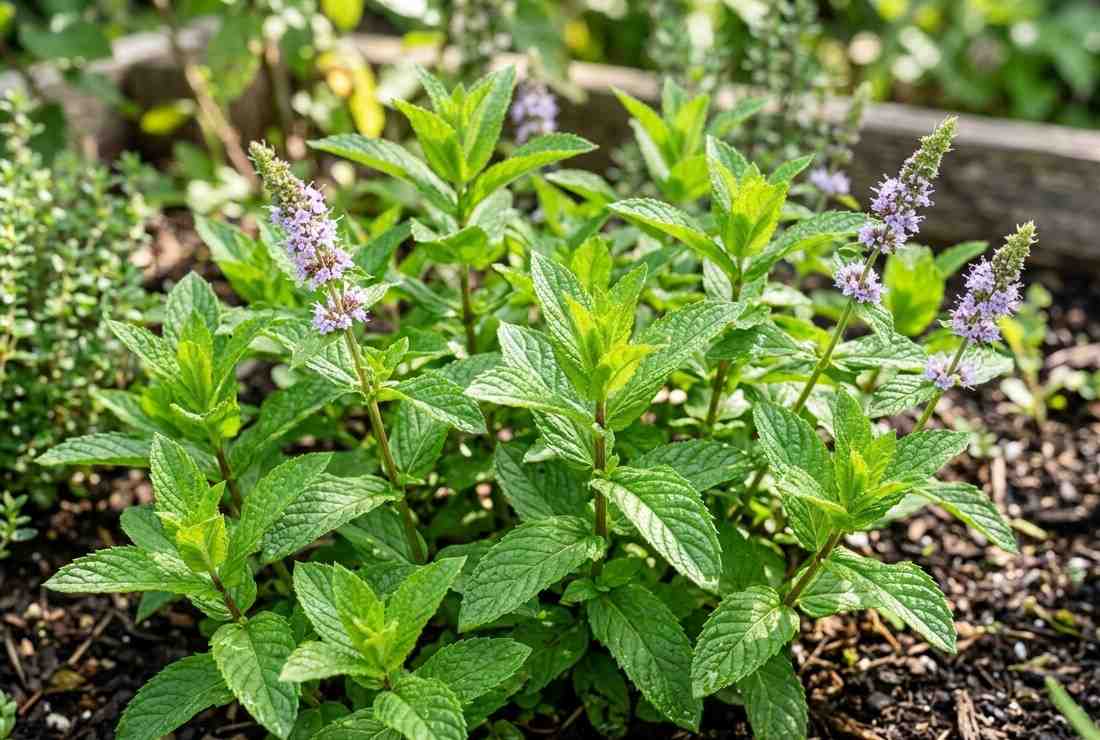
Spearmint is one of the world’s most popular culinary herbs, valued for its refreshing aroma, cooling flavor, and impressive health benefits. Scientifically known as Mentha spicata, spearmint has been used for centuries in traditional medicine across Europe, Asia, and the Middle East. Today, it is commonly enjoyed as fresh leaves, dried herbs, herbal tea, essential oil, and as a flavoring ingredient in foods, beverages, chewing gum, toothpaste, and cosmetics.
Beyond its pleasant taste, spearmint contains antioxidants, vitamins, minerals, and beneficial plant compounds that may support digestion, brain function, hormonal balance, oral health, and overall wellness. While it offers many potential benefits, it should still be consumed in moderation, especially by people with certain medical conditions.
This guide explores the nutrition, scientifically supported health benefits, possible side effects, uses, dosage recommendations, and practical tips for adding spearmint (also commonly called garden mint, common mint, lamb mint, green mint, or mackerel mint) to your daily routine.
What is Spearmint?
Spearmint (Mentha spicata) is a perennial aromatic herb belonging to the mint family (Lamiaceae). Unlike peppermint, which contains high levels of menthol, spearmint has a milder, sweeter taste due to its primary compound called carvone.
The leaves are bright green with a fresh fragrance and are widely used in:
- Herbal teas
- Salads
- Smoothies
- Desserts
- Sauces
- Cocktails
- Traditional herbal remedies
- Essential oils
Spearmint has also been studied for its antioxidant, antimicrobial, anti-inflammatory, and hormone-balancing properties.
Components of Spearmint
| Nutrient | Amount (Per 100g Fresh Leaves) |
|---|---|
| Calories | 44 kcal |
| Water | 85.6 g |
| Protein | 3.3 g |
| Carbohydrates | 8.4 g |
| Dietary Fiber | 6.8 g |
| Fat | 0.7 g |
| Calcium | 199 mg |
| Iron | 11.9 mg |
| Magnesium | 63 mg |
| Potassium | 458 mg |
| Phosphorus | 60 mg |
| Vitamin A | 4054 IU |
| Vitamin C | 13.3 mg |
| Folate | 105 mcg |
| Manganese | 1.1 mg |
Values are approximate and may vary depending on freshness and growing conditions.
20 Proven Health Benefits of Spearmint
- Supports Healthy Digestion: Garden mint may help relieve indigestion, bloating, gas, and stomach discomfort.
- Rich in Antioxidants: It contains rosmarinic acid and flavonoids that help protect cells from oxidative stress.
- Freshens Breath Naturally: Spearmint’s antimicrobial compounds reduce odor-causing bacteria in the mouth.
- May Improve Memory: Research suggests spearmint extract may support learning, focus, and memory in older adults.
- Supports Brain Health: Antioxidants may help protect brain cells against age-related damage.
- Helps Balance Hormones: Some studies indicate spearmint tea may reduce excess androgen levels in women with PCOS.
- May Reduce Facial Hair Growth: Hormonal benefits may help manage mild hirsutism in some women.
- Supports Heart Health: Potassium and antioxidants may contribute to healthy blood pressure and circulation.
- Helps Reduce Inflammation: Anti-inflammatory plant compounds may help reduce chronic inflammation.
- Supports Immune Function: Vitamins and antioxidants help strengthen natural immune defenses.
- May Help Relieve Stress: Drinking warm garden mint tea can promote relaxation and reduce mental fatigue.
- Supports Respiratory Health: Its soothing aroma may provide temporary relief from mild nasal congestion.
- Promotes Healthy Skin: Antioxidants help protect skin cells from environmental damage.
- May Help Reduce Acne: Spearmint’s anti-inflammatory and hormone-balancing effects may benefit acne-prone skin.
- Supports Healthy Blood Sugar: Preliminary studies suggest spearmint may contribute to healthy glucose metabolism.
- Provides Antibacterial Properties: Natural compounds help inhibit the growth of certain harmful bacteria.
- Supports Liver Health: Antioxidants may help reduce oxidative stress in liver tissues.
- May Ease Menstrual Discomfort: Spearmint tea may help relieve cramps and improve comfort during menstruation.
- Supports Healthy Weight Management: Low in calories and naturally refreshing, it can replace sugary beverages.
- Enhances Overall Wellness: Regular moderate consumption provides beneficial nutrients and protective plant compounds.
10 Side Effects of Spearmint
- May Cause Acid Reflux: Large amounts may worsen heartburn in sensitive individuals.
- Can Trigger Allergic Reactions: Some people may develop itching, rash, or swelling.
- May Lower Blood Sugar: Excess intake could enhance the effects of diabetes medications.
- Possible Drug Interactions: Garden mint may interact with medications metabolized by the liver.
- May Cause Stomach Upset: Excessive consumption can occasionally lead to nausea or abdominal discomfort.
- Essential Oil Can Be Irritating: Concentrated spearmint oil should never be consumed without medical supervision.
- May Affect Hormone Levels: Individuals with hormone-sensitive conditions should consult a healthcare provider.
- Not Suitable in Large Medicinal Amounts During Pregnancy: Safety data for high doses remain limited.
- May Cause Mouth Irritation: Some people experience sensitivity after consuming concentrated products.
- Excess Intake May Cause Headache: Very high consumption may occasionally trigger mild headaches.
How to Eat Spearmint?
You can enjoy spearmint in many delicious ways:
- Add fresh leaves to salads.
- Blend into smoothies.
- Brew herbal tea.
- Mix into yogurt.
- Garnish soups.
- Add to fruit salads.
- Include in homemade pesto.
- Use in chutneys.
- Mix into infused water.
- Sprinkle over roasted vegetables.
Tips for Consuming Spearmint
- Choose fresh, bright green leaves.
- Wash thoroughly before eating.
- Drink herbal tea without excessive sugar.
- Pair with fruits and vegetables.
- Use fresh leaves whenever possible.
- Consume in moderation.
- Avoid excessive intake of concentrated extracts.
- Consult your healthcare provider if taking medications.
How to Use Spearmint?
Spearmint can be used in several forms:
- Fresh leaves
- Dried leaves
- Herbal tea
- Powder
- Capsules
- Liquid extract
- Essential oil (external use only)
- Culinary seasoning
- Mouthwash ingredient
- Smoothie ingredient
Other Uses of Spearmint
- Natural Air Freshener: Fresh leaves provide a pleasant natural fragrance.
- Flavoring Agent: Widely used in candies, chewing gum, and beverages.
- Herbal Tea Ingredient: Popular as a caffeine-free herbal infusion.
- Oral Care Product: Commonly found in toothpaste and mouthwash.
- Skin Care Ingredient: Used in creams, soaps, and facial cleansers.
- Hair Care Product: Added to shampoos and conditioners for freshness.
- Aromatherapy: Essential oil is used for its refreshing scent.
- Cooking Herb: Enhances sauces, marinades, and salads.
- Natural Insect Repellent: The aroma may help repel certain insects.
- Decorative Garden Plant: Easy to grow and attractive in herb gardens.
How Much Spearmint Can You Consume in a Day?
There is no official recommended daily intake for spearmint.
General guidelines include:
- Fresh leaves: 10–20 leaves daily
- Dried herb: 1–3 teaspoons
- Herbal tea: 1–3 cups per day
- Supplements: Follow the manufacturer’s instructions or your healthcare provider’s advice.
Avoid excessive intake unless recommended by a qualified healthcare professional.
Typical adult dosages include:
| Form | Typical Daily Amount |
|---|---|
| Fresh leaves | 10–20 leaves |
| Dried leaves | 1–3 teaspoons |
| Tea | 1–3 cups |
| Extract | Follow product label |
| Capsules | As directed by healthcare provider |
Best Time to Take Spearmint
The ideal time depends on your goal:
- Morning for refreshing hydration.
- After meals to support digestion.
- Afternoon for mental freshness.
- Evening as a relaxing herbal tea.
- Before bedtime if consumed as caffeine-free tea for relaxation.
Who Should Take Spearmint?
- People with Mild Digestive Discomfort: May help reduce bloating and indigestion.
- Individuals Seeking Fresh Breath: Supports oral freshness naturally.
- Women with PCOS: May help support hormonal balance under medical guidance.
- People Looking to Increase Antioxidant Intake: Offers beneficial plant compounds.
- Individuals Wanting a Caffeine-Free Beverage: Spearmint tea is a refreshing alternative.
- People Interested in Natural Wellness: Can be part of a balanced diet.
- Those Managing Mild Stress: Warm Garden mint tea may promote relaxation.
- People Seeking Healthy Beverage Alternatives: Helps replace sugary drinks.
Who Should Avoid Spearmint?
- People with Severe GERD: It may worsen acid reflux symptoms.
- Individuals Allergic to Mint Plants: Avoid all forms of spearmint.
- Pregnant Women Using Medicinal Doses: Consult a healthcare provider before use.
- People Taking Diabetes Medications: Monitor blood sugar carefully.
- Individuals Taking Certain Prescription Drugs: Discuss potential interactions with a healthcare professional.
- People with Hormone-Sensitive Conditions: Seek medical advice before regular medicinal use.
- Children Using Concentrated Supplements: Use only under professional guidance.
- People Using Essential Oils Internally: Internal use should only occur under expert supervision.
How to Store Spearmint?
- Refrigerate Fresh Leaves: Store in a damp paper towel inside a sealed container.
- Freeze for Long-Term Storage: Freeze chopped leaves in ice cube trays.
- Dry Before Storage: Air-dry leaves completely before storing.
- Keep Away from Moisture: Prevent mold growth.
- Store in Airtight Containers: Preserve aroma and freshness.
- Protect from Sunlight: Keep dried leaves in a cool, dark place.
- Use Within Six Months: Dried spearmint retains the best flavor during this period.
- Check for Spoilage: Discard leaves with mold or unusual odors.
Precautions and Interactions
- Consult Your Doctor Before Supplements: Especially if you have chronic medical conditions.
- Avoid Excessive Intake: More is not always better.
- Monitor Blood Sugar: Especially if taking diabetes medications.
- Use Essential Oil Safely: Never consume concentrated essential oil unless prescribed.
- Discuss Use During Pregnancy: High-dose supplements require medical advice.
- Watch for Allergic Reactions: Stop use if symptoms occur.
- Inform Your Healthcare Provider: Mention herbal supplements before surgery.
- Purchase Quality Products: Choose reputable brands tested for purity.
Conclusion
Spearmint is much more than a flavorful herb—it is a nutrient-rich plant packed with antioxidants, vitamins, minerals, and beneficial plant compounds that support digestion, oral health, brain function, hormonal balance, and overall wellness. Whether enjoyed as fresh leaves, herbal tea, or as part of healthy recipes, Garden mint can be a valuable addition to a balanced diet.
Although generally safe for most people, moderation is important. Individuals with certain health conditions, those taking medications, or pregnant women should seek medical advice before using concentrated Garden mint supplements or extracts.
FAQ’s
What is spearmint good for?
Garden mint may support digestion, freshen breath, provide antioxidants, promote relaxation, and help maintain hormonal balance in some women.
Does spearmint help with PCOS?
Some studies suggest garden mint tea may help reduce excess androgen levels in women with PCOS, but it should not replace medical treatment.
Can spearmint help with acne?
Garden mint may help improve hormonal acne in some people due to its anti-inflammatory and hormone-supporting properties.
Is spearmint the same as peppermint?
No. Garden mint has a sweeter, milder flavor and contains carvone, while peppermint has a stronger, cooling taste due to its higher menthol content.
Can I eat fresh spearmint leaves?
Yes. Fresh garden mint leaves are safe to eat and can be added to salads, smoothies, yogurt, desserts, and drinks.
Does spearmint contain caffeine?
No. Garden mint is naturally caffeine-free, making it suitable for any time of the day.
Can spearmint help with digestion?
Yes. Garden mint has traditionally been used to ease bloating, gas, indigestion, and mild stomach discomfort.
Is spearmint good for weight loss?
Garden mint is low in calories and can be a healthy substitute for sugary beverages, but it does not directly cause weight loss.
Can pregnant women consume spearmint?
Small amounts used in food are generally considered safe, but medicinal doses or supplements should only be used with a healthcare provider’s advice.
Can children have spearmint?
Yes. Fresh spearmint leaves and mild garden mint tea can be consumed in moderation, but concentrated supplements are not recommended without medical guidance.
Can I consume spearmint every day?
Yes, most healthy adults can safely consume garden mint daily in moderate amounts, such as 1–3 cups of spearmint tea or a handful of fresh leaves.
What does spearmint taste like?
Garden mint has a sweet, mild, and refreshing flavor with a cooling sensation that is less intense than peppermint.
Is spearmint good for females?
Yes, garden mint may support hormonal balance, digestion, skin health, and overall wellness. Some studies also suggest it may help women with PCOS.
Is spearmint the same as mint?
No. Spearmint is one type of mint. “Mint” is a general term that includes several varieties, such as spearmint, peppermint, and apple mint.
What does spearmint do for the body?
Garden mint provides antioxidants and may support digestion, freshen breath, reduce inflammation, promote relaxation, and help maintain hormonal balance.
Can spearmint reduce facial hair?
Some research suggests that regular consumption of Garden mint tea may help reduce excess facial hair in women with PCOS by lowering androgen levels. More studies are needed.
Is spearmint good for skin?
Yes. Its antioxidants and anti-inflammatory compounds may help support healthy skin and may improve acne in some individuals.
Which is better for acne, spearmint or green tea?
Both can be beneficial. Garden mint may help with hormonal acne, while green tea is rich in antioxidants that help reduce inflammation and excess oil production.
What not to mix with spearmint?
Avoid combining large amounts of Garden mint with medications that lower blood sugar or affect the liver without consulting your healthcare provider. Also, avoid excessive use with concentrated herbal supplements.
Which is better, spearmint or peppermint?
It depends on your needs. Garden mint is milder and may support hormonal balance, while peppermint is stronger and is often preferred for digestive discomfort and its cooling effect.
Sources / References:
- U.S. Department of Agriculture (USDA) FoodData Central
- National Center for Complementary and Integrative Health (NCCIH)
- National Institutes of Health (NIH)
- MedlinePlus
- Memorial Sloan Kettering Cancer Center – Herbs Database
- PubMed
- European Medicines Agency (EMA)
About the Author:
Written by: Kirti Solanki (Health Content Researcher)
Kirti Solanki is a Health Content Researcher dedicated to creating evidence-based, reader-friendly wellness content using trusted medical sources and current scientific research to help readers make informed health decisions.
Disclaimer:
This guide is for educational purposes only and should not be considered medical advice. Always consult a qualified healthcare professional before making changes to your diet, using herbal supplements, or treating any medical condition.
Also Read: