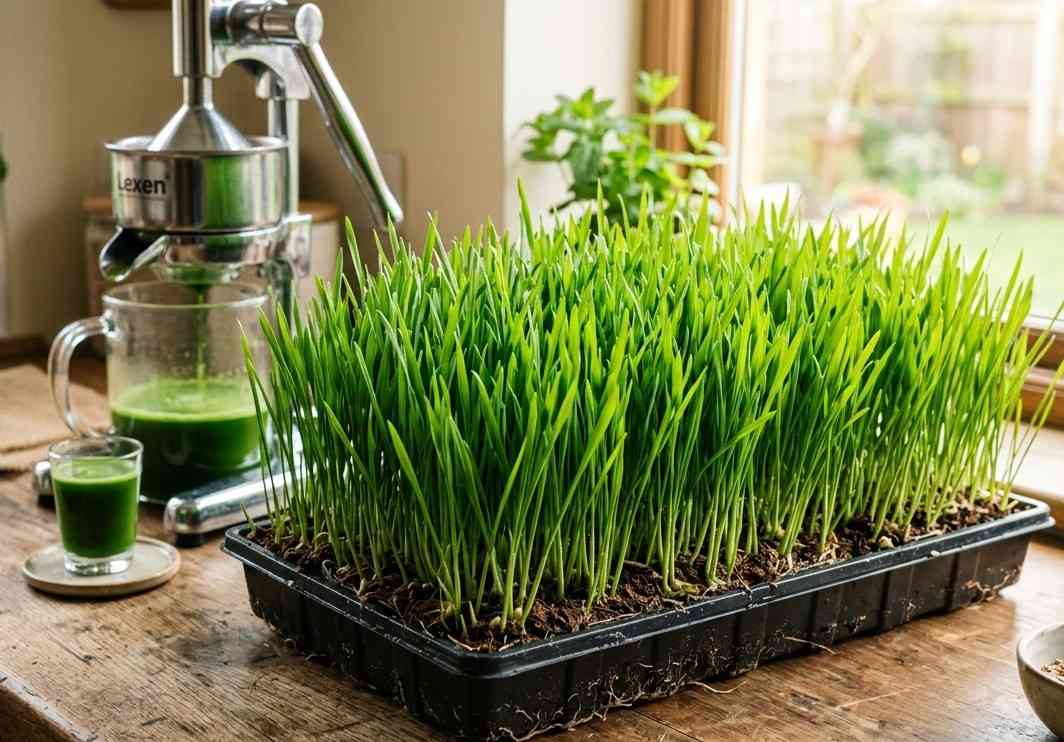
Wheatgrass has gained worldwide popularity as a natural superfood due to its rich nutrient profile and potential health benefits. Made from the freshly sprouted leaves of the common wheat plant (Triticum aestivum), wheatgrass is commonly consumed as fresh juice, powder, capsules, or frozen shots. Although it comes from wheat, the young grass itself is typically harvested before the grain develops, making it naturally gluten-free when grown and processed correctly.
Rich in chlorophyll, vitamins, minerals, amino acids, antioxidants, and beneficial plant compounds, wheatgrass is often included in wellness routines to support overall health. While scientific evidence for some claims is still evolving, research suggests that wheat grass may contribute to better nutrition, antioxidant protection, and healthy digestion when consumed as part of a balanced diet.
In this guide, you’ll learn about wheatgrass nutrition, health benefits, possible side effects, how to consume it safely, and practical tips for adding it to your daily routine.
What is Wheatgrass?
Wheatgrass is the young green shoot of the wheat plant (Triticum aestivum). It is harvested within 7–10 days after sprouting, before wheat kernels form. At this early stage, the grass contains concentrated nutrients but very little or no gluten, provided it has not been contaminated during harvesting or processing.
Wheatgrass is available in several forms, including:
- Fresh wheatgrass juice
- Wheatgrass powder
- Frozen wheatgrass juice
- Capsules and tablets
- Liquid extracts
Its slightly earthy, grassy flavor can be strong, so many people mix it with fruit or vegetable juices.
Components of Wheatgrass
Nutritional values vary depending on growing conditions and product type.
| Nutrient | Approximate Amount |
|---|---|
| Calories | Very low |
| Protein | Small amount |
| Carbohydrates | Low |
| Fat | Negligible |
| Dietary Fiber | Present in powder form |
| Chlorophyll | High |
| Vitamin A | High |
| Vitamin C | Moderate to High |
| Vitamin E | Present |
| Vitamin K | High |
| Iron | Present |
| Calcium | Present |
| Magnesium | Present |
| Potassium | Present |
| Zinc | Small amount |
| Selenium | Trace amount |
| Amino Acids | Several essential and non-essential |
| Antioxidants | Rich in flavonoids and phenolic compounds |
20 Proven Health Benefits of Wheatgrass
- Rich in Antioxidants: Wheatgrass contains antioxidants that help protect cells from oxidative stress caused by free radicals.
- Supports Immune Health: Its vitamins, minerals, and plant compounds contribute to normal immune system function.
- Provides Chlorophyll: Wheatgrass is naturally rich in chlorophyll, a pigment associated with antioxidant activity.
- May Reduce Inflammation: Some research suggests wheat grass compounds may help reduce inflammatory processes.
- Supports Healthy Digestion: Wheat grass may promote digestive comfort and support regular bowel movements.
- May Improve Gut Health: Its natural enzymes and nutrients may help maintain a healthier digestive environment.
- Supports Healthy Blood Sugar: Preliminary studies suggest wheat grass may help support healthy blood glucose levels alongside a balanced diet.
- May Promote Heart Health: Antioxidants may help protect cardiovascular health by reducing oxidative damage.
- Supports Healthy Cholesterol Levels: Some studies indicate wheat grass may help maintain healthy cholesterol levels already within the normal range.
- Provides Essential Micronutrients: Wheatgrass supplies vitamins and minerals that contribute to daily nutritional needs.
- May Support Healthy Skin: Antioxidants and vitamins may help maintain healthier-looking skin.
- Supports Natural Detoxification: Nutrients in wheat grass support the body’s normal detoxification processes carried out by the liver and kidneys.
- May Increase Energy Levels: Many people report feeling more energetic after regularly consuming wheatgrass.
- Supports Red Blood Cell Production: Iron and folate-related nutrients contribute to normal blood formation.
- May Help Maintain Healthy Weight: Low in calories yet nutrient-dense, wheatgrass fits well into weight-management diets.
- Supports Liver Function: Research suggests wheat grass may help protect liver cells from oxidative stress.
- May Promote Oral Health: Wheat grass has traditionally been used to support healthy gums and fresh breath.
- Supports Healthy Aging: Its antioxidant profile may help reduce age-related oxidative damage.
- May Aid Exercise Recovery: Nutrients and antioxidants may support recovery following physical activity.
- Supports Overall Wellness: Regular consumption alongside a healthy lifestyle may contribute to overall nutritional well-being.
10 Side Effects of Wheatgrass
- Nausea: Some people experience nausea, especially when consuming wheatgrass for the first time.
- Digestive Upset: Stomach discomfort, bloating, or mild diarrhea may occur in sensitive individuals.
- Headache: A temporary headache may develop as the body adjusts to concentrated plant compounds.
- Allergic Reactions: Rare allergic responses such as itching or swelling may occur.
- Mold Contamination Risk: Fresh wheatgrass grown improperly may contain mold or harmful bacteria.
- Medication Interactions: Wheat grass may interact with certain medications; consult a healthcare professional if taking prescription drugs.
- Pregnancy Safety Uncertain: Limited research exists regarding high-dose wheat grass supplements during pregnancy.
- Blood Sugar Changes: Wheat grass may influence blood sugar levels in some individuals.
- Digestive Gas: Some users experience increased gas when first introducing wheat grass.
- Cross-Contamination with Gluten: Products processed improperly may contain gluten contamination.
How to Eat Wheatgrass?
There are several easy ways to include wheatgrass in your diet:
- Drink fresh wheat grass juice.
- Mix wheat grass powder into smoothies.
- Blend it with fruit juice.
- Add powder to yogurt.
- Stir into green smoothies.
- Take wheat grass capsules or tablets.
- Mix powder into protein shakes.
- Add small amounts to salad dressings.
Tips for Consuming Wheatgrass
- Start with a small serving.
- Increase intake gradually.
- Choose high-quality organic products.
- Consume fresh juice immediately after preparation.
- Store powder in an airtight container.
- Mix with citrus fruits for a better taste.
- Stay hydrated throughout the day.
- Follow the serving size recommended on the label.
How to Use Wheatgrass?
Wheatgrass can be used in many ways:
- Fresh morning wellness shots
- Smoothies
- Fresh juices
- Green detox drinks
- Capsules
- Tablets
- Powder mixed with water
- Homemade health drinks
- Energy smoothies
- Salad dressing ingredient
Other Uses of Wheatgrass
- Smoothie Ingredient: Wheat grass powder adds nutrients to homemade smoothies.
- Juice Blend: It mixes well with apple, orange, or pineapple juice.
- Salad Dressing Addition: A small amount of powder can enrich homemade dressings.
- Homemade Wellness Shots: Fresh juice is commonly consumed as concentrated shots.
- Supplement Form: Capsules offer a convenient travel-friendly option.
- Fitness Nutrition: Many athletes include wheat grass in recovery drinks.
- Green Powder Blend: It is commonly included in superfood powder formulations.
- Natural Food Ingredient: Wheat grass powder can be incorporated into healthy recipes.
How Much Wheatgrass Can You Take in a Day?
The ideal amount depends on the product and individual tolerance.
- Fresh wheat grass juice: 30–60 ml daily is commonly recommended.
- Wheatgrass powder: 3–5 grams per day is a typical serving.
- Capsules and tablets: Follow the manufacturer’s recommended dosage.
If you’re new to wheat grass, begin with a smaller serving and increase gradually if tolerated.
Best Time to Take Wheatgrass
Many people prefer taking wheatgrass:
- In the morning on an empty stomach
- Before breakfast
- Before exercise
- Between meals
- As part of a healthy smoothie
There is no universally proven best time; consistency matters more than timing.
Who Should Take Wheatgrass?
- Health-Conscious Adults: Individuals seeking additional plant nutrients may benefit.
- People Eating Few Vegetables: Wheat grass can complement a diet low in greens.
- Fitness Enthusiasts: Active individuals may appreciate its nutrient density.
- Busy Professionals: Powder and capsules offer convenient nutrition.
- Vegetarians and Vegans: Wheat grass provides various vitamins and minerals.
- Older Adults: It may help increase overall nutrient intake.
- People Following Wellness Diets: Wheat grass fits into many healthy eating patterns.
Who Should Not Take Wheatgrass?
- People with Grass Allergies: Wheat grass may trigger allergic reactions.
- Individuals with Mold Sensitivity: Fresh wheat grass can harbor mold if improperly grown.
- People with Celiac Disease Using Unverified Products: Only certified gluten-free wheat grass products should be chosen.
- Pregnant Women Without Medical Advice: High-dose supplements should be discussed with a healthcare provider.
- Breastfeeding Mothers Without Medical Advice: Safety data remain limited.
- People Taking Certain Medications: Consult a healthcare professional before regular use.
- Individuals with Severe Digestive Disorders: Introduce cautiously and seek medical advice if needed.
How to Store Wheatgrass?
- Refrigerate Fresh Wheat grass: Store fresh grass in the refrigerator.
- Freeze Fresh Juice: Frozen juice preserves nutrients longer.
- Seal Powder Properly: Keep powder in an airtight container.
- Avoid Moisture: Moisture can reduce product quality.
- Protect from Heat: Store away from direct sunlight.
- Check Expiration Dates: Use products before their expiry.
- Keep Containers Clean: Prevent contamination during storage.
Precautions and Interactions
- Consult Your Healthcare Provider: Seek medical advice before using supplements if you have medical conditions.
- Start with Small Servings: Introduce wheat grass gradually.
- Choose Trusted Brands: Purchase products tested for quality and purity.
- Monitor Allergic Symptoms: Stop use if signs of allergy occur.
- Use Certified Gluten-Free Products: Essential for people avoiding gluten.
- Wash Fresh Wheatgrass Thoroughly: Reduce the risk of contamination.
- Avoid Excessive Intake: More is not always better.
- Do Not Replace Medical Treatment: Wheat grass should complement, not replace, prescribed care.
FAQ’s
What is Wheatgrass good for?
Wheat grass is rich in vitamins, minerals, chlorophyll, and antioxidants that may support immune health, digestion, heart health, and overall wellness as part of a balanced diet.
What does Wheatgrass taste like?
Wheat grass has a fresh, earthy, grassy flavor with a slightly sweet and bitter taste. Many people mix it with fruit juice or smoothies to improve its taste.
What does wheatgrass do for the body?
Wheat grass provides nutrients and antioxidants that may help protect cells from oxidative stress, support digestion, promote immune function, and contribute to overall health.
Which is better, moringa or wheatgrass?
Neither is universally better. Moringa is higher in protein and certain vitamins, while wheat grass is rich in chlorophyll and antioxidants. The better choice depends on your nutritional needs and health goals.
Is it safe to drink wheatgrass every day?
Yes, most healthy adults can drink wheat grass daily in moderate amounts. Start with a small serving and follow the recommended dosage.
What is the Indian name for wheatgrass?
Wheat grass is commonly called Gehu ka Jawara or Gehun ke Jaware in India.
Is wheatgrass safe for kidneys?
Wheat grass is generally safe for healthy individuals. However, people with kidney disease or those on restricted diets should consult their healthcare provider before using wheat grass supplements.
How much B12 is in wheatgrass?
Wheat grass is not a reliable source of vitamin B12. People following vegetarian or vegan diets should obtain vitamin B12 from fortified foods or supplements.
Is wheatgrass good for fatty liver?
Some early research suggests wheat grass may support liver health because of its antioxidant properties, but more human studies are needed. It should not replace medical treatment for fatty liver disease.
What diseases are cured by wheatgrass?
Wheat grass does not cure any disease. It may support overall health and complement a healthy lifestyle, but it should not be used as a substitute for medical treatment or prescribed medications.
Can wheatgrass help with weight loss?
Wheat grass is low in calories and nutrient-dense, making it a healthy addition to a weight-management plan, but it is not a standalone weight-loss solution.
Is wheatgrass gluten-free?
Fresh wheat grass is naturally gluten-free because it is harvested before the wheat grain forms. However, choose certified gluten-free products to avoid cross-contamination.
Can people with diabetes drink wheatgrass?
Some studies suggest wheat grass may help support healthy blood sugar levels, but people with diabetes should consult their healthcare provider before using it regularly.
Can pregnant or breastfeeding women consume wheatgrass?
There is limited research on the safety of wheat grass supplements during pregnancy and breastfeeding. It is best to consult a healthcare professional before use.
Can children consume wheatgrass?
Healthy children may consume small amounts of wheat grass occasionally, but parents should consult a pediatrician before giving wheat grass supplements.
How do you drink wheatgrass if you don’t like the taste?
Mix wheat grass juice or powder with smoothies, orange juice, apple juice, pineapple juice, or other fruits to improve its flavor.
Is wheatgrass better as juice or powder?
Both forms provide nutrients. Fresh juice is less processed, while powder is more convenient, has a longer shelf life, and is easier to store.
Can wheatgrass replace vegetables?
No. Wheat grass should be used as a supplement to a balanced diet and should not replace whole vegetables, fruits, and other nutritious foods.
Sources / References:
- National Center for Complementary and Integrative Health (NCCIH)
- National Institutes of Health (NIH)
- MedlinePlus
- Harvard T.H. Chan School of Public Health
- PubMed Research Database
- U.S. Department of Agriculture (USDA FoodData Central)
About the Author:
Written by: Kirti Solanki (Health Content Researcher)
Kirti Solanki researches evidence-based nutrition, wellness, and healthy lifestyle topics. Her articles are written using reputable scientific sources and are designed to provide readers with practical, easy-to-understand health information. Every article emphasizes accuracy, balance, and responsible health education.
Disclaimer:
This guide is for educational and informational purposes only and should not be considered medical advice. Wheatgrass is not intended to diagnose, treat, cure, or prevent any disease. Always consult a qualified healthcare professional before making significant dietary changes or using supplements, especially if you are pregnant, breastfeeding, have a medical condition, or take prescription medications.
Also Read: