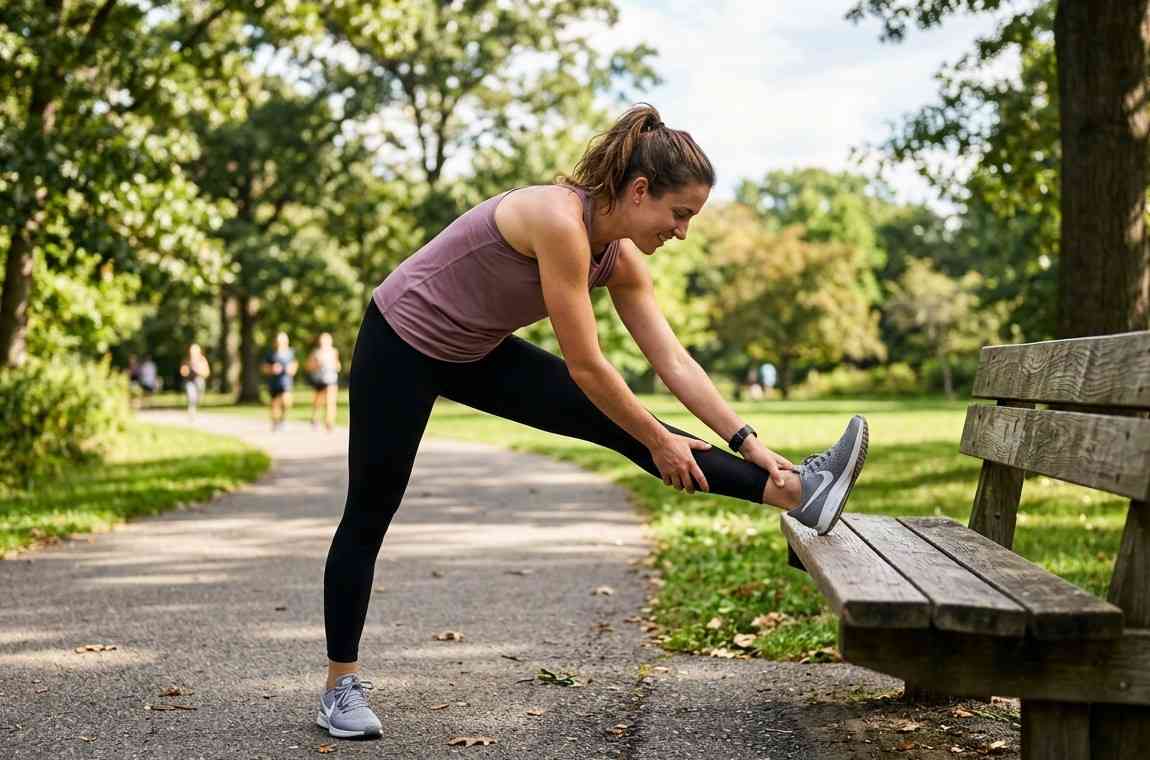
Stretching is one of the simplest and most effective ways to improve flexibility, mobility, posture, and overall physical health. Whether you are an athlete, office worker, student, senior citizen, or fitness beginner, stretching can help your body move better and feel less stiff. Regular stretching supports healthy muscles and joints, reduces tension, and can even improve relaxation and circulation.
Many people overlook stretching because it seems basic compared to intense workouts or sports training. However, proper stretching plays an important role in maintaining body balance, preventing tight muscles, and supporting everyday movement. From touching your toes to rotating your shoulders after a long day at work, stretching helps keep your body active and comfortable. This guide explains everything you need to know about stretching, including its types, benefits, techniques, risks, and how to create a safe stretching routine.
What is Stretching?
Stretching is a physical activity that involves lengthening muscles, tendons, and soft tissues to improve flexibility and range of motion. It can be performed before exercise, after workouts, during rehabilitation, or as a daily wellness routine.
Stretching may involve holding a muscle in a lengthened position for a period of time or moving joints through controlled motions. The goal is to reduce muscle tightness, improve mobility, and help the body move more efficiently.
Stretching can target different parts of the body, including:
- Neck
- Shoulders
- Back
- Arms
- Hips
- Hamstrings
- Calves
- Chest
- Ankles
People stretch for many reasons, such as improving sports performance, reducing stiffness from sitting, supporting recovery, and enhancing relaxation.
Types of Stretching
There are several forms of stretching, and each serves a different purpose.
1. Static Stretching
Static stretching involves holding a stretch in one position for a specific amount of time, usually 15 to 60 seconds. This is one of the most common forms of stretching.
Examples include:
- Toe touches
- Quad stretches
- Shoulder stretches
Static stretching is commonly performed after workouts or during relaxation sessions.
2. Dynamic Stretching
Dynamic stretching involves controlled movements that gently take joints and muscles through their range of motion.
Examples include:
- Arm circles
- Leg swings
- Walking lunges
Dynamic stretching is often used before exercise because it warms up muscles and prepares the body for movement.
3. Passive Stretching
Passive stretching uses an external force to help maintain a stretch. The force may come from a partner, towel, resistance band, or gravity.
This type of stretching is often used in rehabilitation and flexibility training.
4. Active Stretching
Active stretching involves holding a stretch using the strength of opposing muscles without assistance.
For example, lifting one leg and holding it in place using leg muscle strength.
5. Ballistic Stretching
Ballistic stretching uses bouncing movements to push muscles beyond their normal range of motion.
This method is generally not recommended for beginners because it may increase injury risk.
6. PNF Stretching
PNF stands for Proprioceptive Neuromuscular Facilitation. It combines stretching and muscle contractions to improve flexibility.
PNF stretching is commonly used by athletes and physical therapists.
How Stretching Works
Muscles naturally tighten after long periods of inactivity, exercise, stress, or repetitive movement. Stretching helps lengthen these muscles and improve tissue elasticity.
When you stretch:
- Blood flow to muscles may increase
- Joints move more freely
- Muscle tension may decrease
- Nervous system relaxation can occur
- Flexibility gradually improves
Over time, consistent stretching can help the body move more comfortably and efficiently.
20 Proven Benefits of Stretching
- Improved Flexibility: Stretching helps increase muscle elasticity and joint mobility over time.
- Better Posture: Regular stretching can reduce muscular imbalances that contribute to poor posture.
- Reduced Muscle Tightness: Stretching helps relieve stiffness caused by sitting, exercise, or stress.
- Increased Range of Motion: Flexible muscles allow joints to move more freely and efficiently.
- Better Blood Circulation: Stretching may improve blood flow to muscles and tissues.
- Reduced Risk of Injury: Flexible muscles and joints may be less prone to strains and tears.
- Improved Athletic Performance: Stretching can support smoother and more efficient movement during sports.
- Less Lower Back Pain: Stretching tight hips and hamstrings may reduce stress on the lower back.
- Reduced Stress Levels: Gentle stretching can promote physical and mental relaxation.
- Better Balance: Stretching supports mobility and coordination, especially in older adults.
- Improved Recovery: Stretching after workouts may help reduce muscle soreness and stiffness.
- Enhanced Mobility: Daily activities become easier when muscles and joints move freely.
- Better Blood Flow to Muscles: Increased circulation helps deliver oxygen and nutrients to tissues.
- Reduced Neck and Shoulder Tension: Stretching helps relieve tension from desk work and screen time.
- Improved Relaxation: Stretching encourages calm breathing and body awareness.
- Better Joint Health: Movement and stretching may support healthy joint function.
- Increased Energy Levels: Stretching can help wake up the body and reduce fatigue.
- Improved Body Alignment: Flexible muscles help support proper movement patterns.
- Support for Healthy Aging: Stretching may help older adults maintain mobility and independence.
- Better Mind-Body Connection: Stretching increases awareness of body movement and muscle tension.
Top 10 Stretching Exercises
1. Neck Stretch
Tilt your head gently toward one shoulder and hold for 20–30 seconds.
Benefits:
- Relieves neck tension
- Improves flexibility
- Reduces stiffness
2. Shoulder Stretch
Pull one arm across your chest and hold it with the opposite arm.
Benefits:
- Loosens shoulders
- Improves upper-body mobility
- Reduces tightness
3. Chest Stretch
Stand in a doorway and place your arms on the frame while leaning forward slightly.
Benefits:
- Opens chest muscles
- Improves posture
- Relieves upper-body tension
4. Hamstring Stretch
Sit on the floor with one leg extended and reach toward your toes.
Benefits:
- Improves leg flexibility
- Supports lower back comfort
- Reduces stiffness
5. Quadriceps Stretch
Stand on one leg and pull the opposite foot toward your glutes.
Benefits:
- Stretches front thigh muscles
- Improves knee mobility
- Supports balance
6. Calf Stretch
Place your hands against a wall and extend one leg backward while pressing the heel down.
Benefits:
- Loosens calf muscles
- Improves ankle flexibility
- Helps walking comfort
7. Hip Flexor Stretch
Step one foot forward into a lunge position and gently push the hips forward.
Benefits:
- Reduces hip tightness
- Improves posture
- Helps mobility
8. Cat-Cow Stretch
Move between arching and rounding your spine while on hands and knees.
Benefits:
- Improves spinal flexibility
- Relieves back stiffness
- Encourages mobility
9. Child’s Pose
Sit back onto your heels while stretching your arms forward on the floor.
Benefits:
- Relaxes the body
- Gently stretches the back
- Supports relaxation
10. Seated Spinal Twist
Sit upright and rotate your torso gently to one side.
Benefits:
- Improves spinal mobility
- Relieves back tension
- Enhances flexibility
How to Stretch Properly?
Stretching should be done slowly, gently, and with control to improve flexibility and reduce muscle tightness safely. Proper stretching helps your muscles and joints move more comfortably without causing strain.
Step 1: Warm Up Your Body
Before stretching, do light movement for 5–10 minutes to warm your muscles.
Examples:
- Walking
- Marching in place
- Light jogging
- Arm circles
Warm muscles stretch more safely than cold muscles.
Step 2: Choose the Muscle Group
Focus on one area at a time, such as:
- Neck
- Shoulders
- Back
- Hips
- Hamstrings
- Calves
Step 3: Move Into the Stretch Slowly
Gently move your body until you feel mild tension in the muscle.
Do:
- Stretch slowly
- Keep movements controlled
- Maintain good posture
Do not:
- Bounce
- Force the stretch
- Push into pain
Step 4: Hold the Stretch
Keep the stretch steady for about 15–60 seconds while breathing normally.
You should feel:
- Mild pulling
- Gentle tension
- Relaxation over time
You should not feel:
- Sharp pain
- Burning pain
- Numbness
Step 5: Breathe Normally
Take slow and steady breaths while stretching.
Breathing helps:
- Relax muscles
- Improve comfort
- Reduce tension
Avoid holding your breath.
Step 6: Repeat on Both Sides
Stretch both sides of the body evenly to maintain balance and flexibility.
Repeat each stretch:
- 2–4 times if needed
Stretching Before Exercise
Stretching before exercise helps prepare the body for movement. Dynamic stretching is usually preferred before workouts because it increases circulation and activates muscles.
Good pre-workout stretches include:
- Arm circles
- Walking lunges
- Leg swings
- High knees
- Torso twists
Benefits of pre-workout stretching:
- Warms up muscles
- Enhances movement
- Improves readiness for exercise
Avoid intense static stretching immediately before explosive activities because it may temporarily reduce muscle power.
Stretching After Exercise
Post-workout stretching helps muscles relax after physical activity.
Static stretching is commonly recommended after exercise because muscles are already warm.
Benefits include:
- Reduced muscle tightness
- Improved flexibility
- Relaxation after training
Hold stretches gently without bouncing.
Morning Stretching Routine
Morning stretching can help wake up the body and reduce stiffness after sleep.
Simple morning stretches:
- Neck rolls
- Shoulder circles
- Cat-cow stretch
- Forward bend
- Hip stretch
- Calf stretch
Benefits:
- Improved circulation
- Increased alertness
- Better mobility throughout the day
Stretching for Office Workers
Sitting for long periods may cause:
- Tight hips
- Neck stiffness
- Rounded shoulders
- Lower back discomfort
Helpful office stretches:
- Neck stretch
- Shoulder rolls
- Wrist stretch
- Seated twist
- Standing hamstring stretch
Stretching during work breaks may help reduce physical discomfort and improve movement.
Stretching for Athletes
Athletes use stretching to support:
- Performance
- Recovery
- Mobility
- Injury prevention
Different sports require different flexibility demands.
Examples:
- Runners focus on calves and hamstrings
- Swimmers stretch shoulders and back
- Dancers emphasize hip and leg flexibility
A balanced stretching routine is often combined with strength and mobility training.
Stretching for Seniors
Stretching is especially valuable for older adults because flexibility naturally decreases with age.
Benefits for seniors:
- Better mobility
- Improved balance
- Reduced stiffness
- Easier daily movement
Gentle stretches and slow movements are safest for beginners and older individuals.
Stretching and Mental Relaxation
Stretching is not only physical. Slow, controlled stretching may also support mental calmness.
Benefits may include:
- Reduced stress
- Improved breathing
- Relaxation
- Better sleep quality
Stretching routines are often combined with yoga, meditation, and deep breathing exercises.
Signs You Need More Stretching
You may benefit from stretching if you experience:
- Frequent stiffness
- Poor posture
- Limited movement
- Tight muscles
- Reduced flexibility
- Muscle tension after sitting
Adding even 10–15 minutes of daily stretching can make a noticeable difference over time.
How Long Should You Stretch?
General recommendations:
- Hold static stretches for 15–60 seconds
- Repeat each stretch 2–4 times
- Stretch major muscle groups several times weekly
Consistency is more important than intensity.
Best Time to Stretch
Stretching can be done:
- In the morning
- Before exercise
- After workouts
- During work breaks
- Before bedtime
The best time depends on your goals and schedule.
Stretching Mistakes to Avoid
Bouncing During Stretches
Bouncing may increase injury risk and strain muscles.
Stretching Cold Muscles
Warm muscles respond better to stretching.
Overstretching
Stretching should never cause sharp pain.
Holding Your Breath
Steady breathing helps muscles relax.
Ignoring Pain
Pain is a sign to stop or reduce intensity.
Poor Form
Incorrect posture may reduce effectiveness and increase strain.
Can Stretching Prevent Injuries?
Stretching may help reduce muscle tightness and improve movement quality, but it does not guarantee injury prevention.
A complete injury-prevention plan also includes:
- Strength training
- Proper warm-ups
- Recovery
- Good technique
- Adequate rest
Is Stretching Safe?
Stretching is generally safe when performed correctly.
However, people with certain conditions should consult a healthcare professional before beginning intense stretching programs.
Use caution if you have:
- Joint injuries
- Muscle tears
- Severe arthritis
- Recent surgery
- Chronic pain conditions
Gentle stretching is usually safer than forceful stretching.
10 Side Effects and Risks of Stretching
- Muscle Strain: Excessive stretching may overstretch muscles and cause injury.
- Joint Stress: Improper technique can place unnecessary pressure on joints.
- Pain or Discomfort: Stretching too aggressively may lead to soreness.
- Reduced Stability: Overly flexible joints may become unstable in some individuals.
- Tendon Irritation: Repetitive overstretching may irritate tendons.
- Dizziness: Standing up too quickly during stretching may cause lightheadedness.
- Nerve Irritation: Poor positioning can compress nerves.
- Muscle Tears: Forceful stretching may damage muscle fibers.
- Increased Injury Risk: Incorrect stretching techniques may lead to strains.
- Temporary Weakness: Intense static stretching before sports may reduce muscle power temporarily.
Stretching vs Yoga
Stretching and yoga share similarities but are not identical.
Stretching:
- Focuses mainly on flexibility
- Targets specific muscles
- Often shorter routines
Yoga:
- Combines stretching with breathing and mindfulness
- Includes balance and strength poses
- Often follows structured sequences
Both can improve flexibility and mobility.
How to Build a Stretching Routine
A basic routine may include:
- Warm up lightly
- Stretch major muscle groups
- Hold stretches gently
- Breathe steadily
- Avoid pain
- Stay consistent
Aim for:
- 10–20 minutes daily
- Full-body coverage
- Balanced flexibility training
Stretching Equipment or Tools
Some people use equipment to assist stretching.
Common tools include:
- Resistance bands
- Yoga straps
- Foam rollers
- Stretching blocks
- Exercise mats
These tools may improve comfort and support proper form.
Stretching Myths
“Stretching Must Hurt to Work”
Stretching should feel gentle, not painful.
“Only Athletes Need Stretching”
Everyone can benefit from improved mobility and flexibility.
“Stretching Instantly Fixes Tight Muscles”
Flexibility improves gradually with consistency.
“More Stretching Is Always Better”
Overstretching may increase injury risk.
Tips for Better Stretching Results
- Stretch consistently
- Stay hydrated
- Warm up first
- Focus on breathing
- Stretch both sides evenly
- Progress gradually
- Listen to your body
Patience and consistency produce the best long-term results.
Conclusion
Stretching is a simple yet powerful practice that supports flexibility, mobility, posture, relaxation, and overall physical wellness. Whether you stretch for fitness, recovery, stress relief, or daily comfort, regular stretching can help your body move more freely and efficiently.
From dynamic warm-ups before workouts to gentle evening stretches for relaxation, stretching can fit into almost any lifestyle. The key is to perform stretches safely, consistently, and with proper technique.
FAQ’s
Is stretching good every day?
Yes, gentle daily stretching can help reduce stiffness, improve flexibility, and support overall movement.
Is it better to stretch before or after exercise?
Dynamic stretching is usually better before exercise, while static stretching is commonly done after workouts.
Can stretching reduce muscle soreness?
Stretching may help reduce tightness and improve recovery after physical activity.
Does stretching improve posture?
Yes, stretching tight muscles can help improve body alignment and posture over time.
Can stretching help lower back pain?
Gentle stretching may reduce tension in muscles connected to the lower back and improve mobility.
Should stretching hurt?
No, stretching should create mild tension but not sharp or severe pain.
What happens if you stretch every day?
Daily stretching may improve flexibility, reduce stiffness, and support better movement and relaxation.
Can stretching make you taller?
Stretching cannot permanently increase height, but it may improve posture and make you appear taller.
Is stretching important before workouts?
Yes, proper warm-up stretching can prepare muscles and joints for movement.
Is stretching good for stress relief?
Yes, slow stretching combined with deep breathing may help relax the body and mind.
Can seniors benefit from stretching?
Yes, stretching may help older adults maintain flexibility, balance, and mobility.
Is stretching good before bed?
Gentle stretching before sleep may help relax muscles and improve comfort.
How many times a week should you stretch?
Most people can benefit from stretch at least 2–5 times weekly, while gentle daily stretching is also common.
Does stretching help with neuropathy?
Gentle stretch may help improve circulation, mobility, and muscle tightness associated with some forms of neuropathy, but it is not a cure and should be done carefully.
Does stretching lower cortisol?
Stretching combined with slow breathing and relaxation may help reduce stress levels and support lower cortisol production in some people.
What hormone is released when stretching?
Stretching may encourage the release of endorphins, which are natural chemicals linked to relaxation and improved mood.
How many times a day is too much to stretch?
Stretching multiple times daily may become excessive if it causes pain, soreness, joint instability, or muscle strain; gentle stretch 1–3 times daily is usually enough for most people.
Also Read: