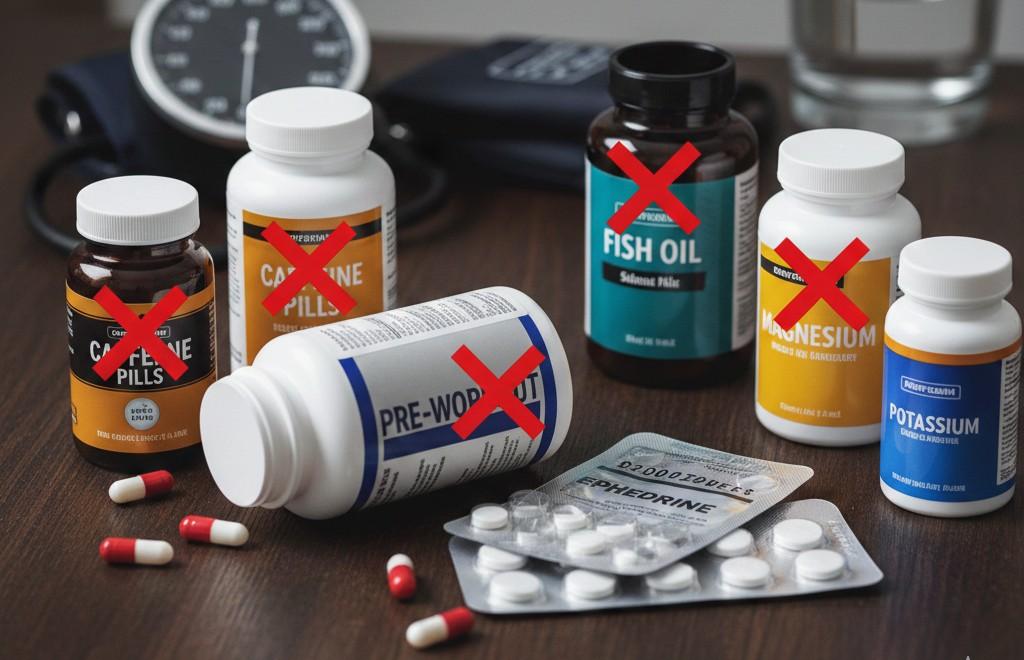
High blood pressure, also known as hypertension, is often called the “silent killer” — not because it’s rare, but because it can quietly damage your body for years without obvious symptoms. Millions of people live with high blood pressure and manage it through medications, lifestyle changes, diet, exercise, and stress management.
But here’s something many people overlook: dietary supplements.
Supplements are often marketed as “natural,” “herbal,” or “safe alternatives” to medicines. This makes it easy to assume they are harmless. However, if you have high blood pressure, some supplements can raise your blood pressure, interfere with medications, strain your heart, or increase the risk of serious complications.
In this guide, we’ll explore supplements you should avoid if you have high blood pressure, why they’re risky, how they affect your cardiovascular system, and safer alternatives you can consider. Whether you’re newly diagnosed or have been managing hypertension for years, this guide will help you make smarter, safer choices.
Understanding High Blood Pressure and Supplements
Before diving into specific supplements, it’s important to understand how high blood pressure works and why supplements can be problematic.
Blood pressure measures the force of blood pushing against your artery walls. When that pressure stays too high for too long, it puts stress on your heart, blood vessels, kidneys, brain, and eyes. Over time, this can lead to heart disease, stroke, kidney failure, and vision loss.
Many supplements affect:
- Blood vessel constriction or dilation
- Heart rate
- Fluid balance
- Hormones and stress responses
Even small changes in these systems can raise blood pressure or make it harder to control, especially if you’re already taking blood pressure medication.
Why “Natural” Does Not Always Mean Safe
A common misconception is that herbal or natural supplements are automatically safe for everyone. In reality:
- Supplements are not regulated as strictly as medications
- Dosages can vary widely
- Ingredients may interact with prescription drugs
- Some herbs act like stimulants or hormones
If you have high blood pressure, your body may react more strongly to certain compounds, increasing health risks rather than improving wellness.
12 Supplements You Should Never Take If You Have High Blood Pressure
1. Licorice Root
Licorice root is one of the most dangerous supplements for people with high blood pressure.
Why it’s risky:
Licorice contains a compound called glycyrrhizin, which:
- Causes sodium retention
- Leads to potassium loss
- Increases fluid buildup
- Raises blood pressure significantly
Even small amounts can cause problems, especially when taken regularly.
Potential effects:
- Sudden spikes in blood pressure
- Swelling in legs and face
- Irregular heart rhythms
- Increased risk of stroke
Licorice root is often found in:
- Herbal teas
- Digestive supplements
- Traditional remedies
- Candies and flavored herbal products
If you have hypertension, avoid licorice root entirely unless specifically advised otherwise by a healthcare provider.
2. Ephedra (Ma Huang)
Ephedra is a stimulant herb that has been banned or restricted in many countries, but it may still appear in some supplements.
Why it’s risky:
Ephedra stimulates the nervous system, causing:
- Increased heart rate
- Narrowed blood vessels
- Elevated blood pressure
For people with hypertension, this can be extremely dangerous.
Possible complications:
- Heart attack
- Stroke
- Dangerous heart rhythm disturbances
- Sudden blood pressure crises
Ephedra is often found in:
- Weight loss supplements
- Energy boosters
- Athletic performance products
If you have high blood pressure, ephedra should be strictly avoided.
3. Bitter Orange (Synephrine)
Bitter orange is commonly used as a replacement for ephedra in weight loss supplements.
Why it’s risky:
Bitter orange contains synephrine, a stimulant similar to ephedrine. It can:
- Increase heart rate
- Raise blood pressure
- Increase oxygen demand on the heart
Risks for hypertensive individuals:
- Worsening blood pressure control
- Increased risk of heart complications
- Dangerous interactions with blood pressure medications
Bitter orange is often marketed as “natural fat burner,” but for people with hypertension, it poses serious risks.
4. Ginseng
Ginseng is widely used for energy, immunity, stress relief, and mental clarity. However, its effects on blood pressure are unpredictable.
Why it’s risky:
Some forms of ginseng can:
- Increase blood pressure
- Interfere with blood pressure medications
- Affect heart rhythm
While certain types may lower blood pressure in some individuals, others can cause spikes, especially at higher doses.
What makes it tricky:
- Different species have different effects
- Dosage varies widely
- Individual reactions differ
If you have high blood pressure, ginseng should only be used under medical supervision, if at all.
5. Yohimbine (Yohimbe)
Yohimbine is often used for sexual health, bodybuilding, and weight loss.
Why it’s risky:
Yohimbine strongly stimulates the nervous system, which can:
- Raise blood pressure
- Increase heart rate
- Trigger anxiety and panic
Possible side effects:
- Severe hypertension
- Chest pain
- Headaches
- Dizziness and agitation
For people with high blood pressure, yohimbine can be extremely dangerous and should be avoided.
6. Caffeine Supplements and Energy Boosters
While moderate caffeine intake may be safe for some people, concentrated caffeine supplements can pose risks.
Why it’s risky:
High doses of caffeine can:
- Cause short-term spikes in blood pressure
- Increase heart rate
- Reduce the effectiveness of blood pressure medications
Caffeine supplements often contain far more caffeine than coffee or tea, sometimes without clear labeling.
Watch out for:
- Pre-workout powders
- Fat burners
- Energy capsules
If you have hypertension, it’s best to limit caffeine and avoid high-dose caffeine supplements altogether.
7. Decongestant-Containing Supplements
Some “cold relief” or herbal respiratory supplements contain ingredients similar to decongestants.
Why they’re risky:
These compounds:
- Narrow blood vessels
- Increase blood pressure
- Increase heart workload
Common problematic ingredients include:
- Pseudoephedrine-like compounds
- Phenylephrine derivatives
Even herbal blends marketed for sinus relief can have these effects.
8. St. John’s Wort
St. John’s Wort is commonly used for mild depression and mood support.
Why it’s risky:
While it doesn’t always raise blood pressure directly, it:
- Interacts with many medications
- Can reduce the effectiveness of blood pressure drugs
- Alters how your body processes medications
This can lead to poor blood pressure control, even if you’re taking prescribed medication correctly.
9. Green Tea Extract (High-Dose)
Green tea itself is generally safe, but concentrated green tea extract supplements can be problematic.
Why it’s risky:
- Contains concentrated caffeine
- Can increase heart rate
- May raise blood pressure at high doses
Additionally, green tea extract can affect liver function in some individuals, adding another layer of risk.
10. Weight Loss Supplements and “Fat Burners”
Many weight loss supplements contain a mix of stimulants, herbs, and chemicals.
Why they’re risky:
These products often:
- Increase metabolism through stimulants
- Raise blood pressure and heart rate
- Stress the cardiovascular system
Even if a product claims to be “herbal” or “natural,” it may contain ingredients unsafe for people with hypertension.
11. Testosterone Boosters
Testosterone-boosting supplements are increasingly popular, especially among men.
Why they’re risky:
They can:
- Increase fluid retention
- Raise blood pressure
- Increase the risk of heart disease
Some boosters contain hidden stimulants or hormone-altering compounds that can worsen hypertension.
12. Sodium-Based Supplements
Some supplements contain surprisingly high amounts of sodium.
Why it’s risky:
Excess sodium:
- Causes fluid retention
- Raises blood pressure
- Makes hypertension harder to control
These may include:
- Electrolyte powders
- Effervescent vitamin tablets
- Certain antacids and mineral supplements
Always check labels for sodium content.
Supplements That May Interfere With Blood Pressure Medications
Even supplements that don’t directly raise blood pressure can still cause problems by interacting with medications.
These interactions may:
- Reduce medication effectiveness
- Increase side effects
- Cause unpredictable blood pressure changes
Common interaction-prone supplements include:
- St. John’s Wort
- Ginseng
- Garlic supplements (in high doses)
- Potassium supplements (especially with certain medications)
Safer Alternatives for People With High Blood Pressure
While many supplements should be avoided, some nutrients may be helpful when used correctly and under medical guidance.
Potentially safer options include:
- Magnesium (may support relaxation of blood vessels)
- Omega-3 fatty acids (support heart health)
- Coenzyme Q10 (may support cardiovascular function)
- Potassium from food sources rather than supplements
Always consult a healthcare provider before starting any supplement.
How to Choose Supplements Safely If You Have Hypertension
1. Always Read Labels Carefully
Look for:
- Stimulants
- Hidden caffeine
- Sodium content
2. Avoid “Proprietary Blends”
These often hide exact ingredient amounts, making them risky.
3. Consult Your Doctor or Pharmacist
Especially if you:
- Take blood pressure medication
- Have heart disease
- Have kidney problems
4. Focus on Lifestyle First
Diet, exercise, stress management, and sleep often have a bigger impact than supplements.
Final Thoughts
Managing high blood pressure requires more than just taking medication. It means being mindful of everything you put into your body — including supplements that may seem harmless at first glance.
Many supplements can:
- Raise blood pressure
- Interfere with medications
- Increase the risk of heart attack or stroke
If you have hypertension, the safest approach is to avoid stimulant-based supplements, hormone-altering products, and unregulated herbal remedies, and always seek medical advice before adding anything new to your routine. Your heart works hard for you every day. Protecting it starts with informed choices, careful reading, and prioritizing proven lifestyle changes over quick-fix supplements.
FAQ’s
Can supplements raise blood pressure?
Yes, some supplements can raise blood pressure, especially those containing stimulants, sodium, or hormone-altering compounds. Even herbal or natural supplements may affect blood pressure levels or interfere with medications.
Are herbal supplements safe for people with high blood pressure?
Not all herbal supplements are safe. Ingredients like licorice root, ginseng, yohimbine, and bitter orange can raise blood pressure or affect heart function. Always consult a healthcare provider before using herbal products.
Can weight loss supplements worsen high blood pressure?
Yes, many weight loss supplements contain stimulants that increase heart rate and blood pressure. These products can be especially risky for people with hypertension and may increase the risk of heart attack or stroke.
Is caffeine safe if you have high blood pressure?
Small amounts of caffeine may be tolerated by some people, but high-dose caffeine supplements and energy boosters can cause blood pressure spikes. People with hypertension should limit caffeine intake and avoid concentrated supplements.
Can supplements interfere with blood pressure medication?
Yes, some supplements can reduce the effectiveness of blood pressure medications or increase side effects. St. John’s Wort, ginseng, and potassium supplements are common examples of potential interactions.
Are electrolyte supplements safe for high blood pressure?
Some electrolyte supplements contain high levels of sodium, which can worsen blood pressure control. Always check labels carefully and choose low-sodium options if recommended by a healthcare professional.
Should I stop all supplements if I have high blood pressure?
Not necessarily. Some supplements may be safe or even helpful when used correctly under medical supervision. The key is avoiding harmful ingredients and consulting your doctor before starting or stopping any supplement.
Also Read: