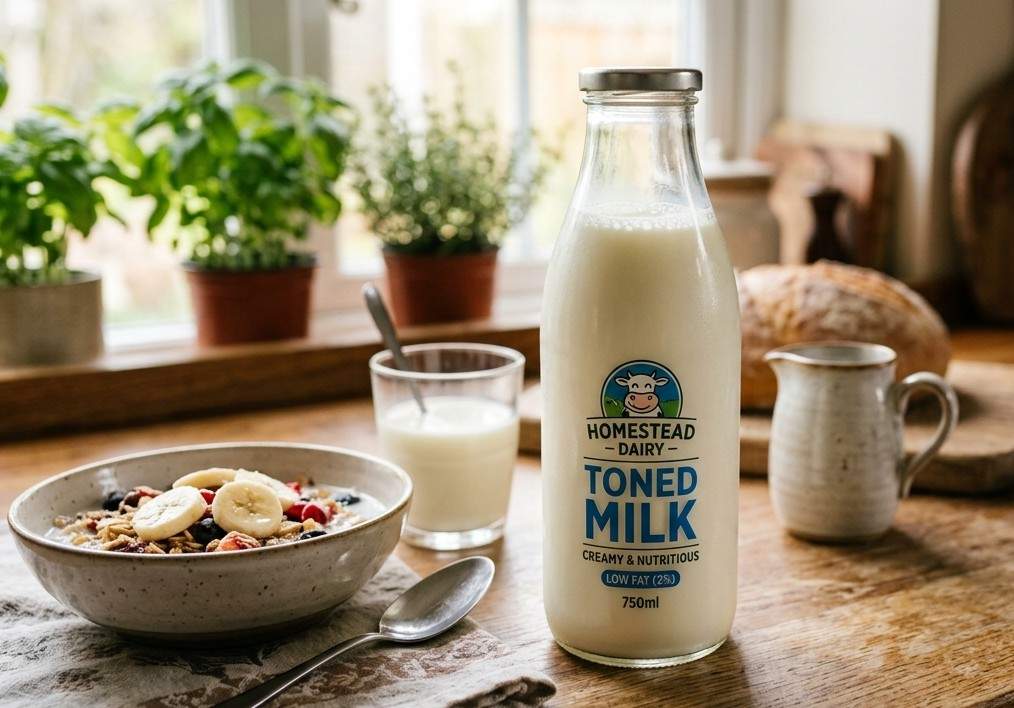
Toned milk is one of the most commonly consumed dairy products in India and several other countries. It offers an excellent balance between nutrition and reduced fat, making it a preferred choice for people who want the health benefits of milk without consuming excessive saturated fat. Rich in high-quality protein, calcium, vitamin B12, phosphorus, and other essential nutrients, toned milk supports healthy bones, muscles, immunity, and overall wellness.
Whether you enjoy it as a morning beverage, use it in tea or coffee, prepare smoothies, or cook healthy meals, toned milk can easily fit into a balanced diet. However, like any food, it may not be suitable for everyone, especially individuals with lactose intolerance or milk allergies.
This guide explores everything you need to know about toned milk, including its nutrition, science-backed benefits, side effects, uses, preparation, storage, and safety considerations.
What is Toned Milk?
Toned milk is a type of milk prepared by reducing the fat content of whole milk while maintaining most of its essential nutrients. It is typically produced by mixing whole milk with skim milk and water, resulting in milk that contains approximately 3% fat and 8.5% solids-not-fat (SNF) according to Indian dairy standards.
Compared to whole milk, toned milk contains fewer calories and less saturated fat while providing nearly the same amount of protein, calcium, vitamins, and minerals. This makes it an excellent option for individuals seeking healthier dairy choices without compromising nutritional quality.
Nutrition Facts of Toned Milk (Per 100 ml)
| Nutrient | Approximate Amount |
|---|---|
| Calories | 58–62 kcal |
| Protein | 3.1 g |
| Total Fat | 3.0 g |
| Saturated Fat | 1.8–2.0 g |
| Carbohydrates | 4.8 g |
| Natural Sugars (Lactose) | 4.8 g |
| Calcium | 120 mg |
| Phosphorus | 90–95 mg |
| Potassium | 140–150 mg |
| Vitamin B12 | 0.4 mcg |
| Riboflavin (Vitamin B2) | 0.18 mg |
| Vitamin A | Small amounts |
| Vitamin D* | Varies if fortified |
| Water | About 88% |
Values may vary slightly depending on the manufacturer and fortification.
20 Proven Health Benefits of Toned Milk
- Supports Strong Bones: The calcium, phosphorus, and protein in toned milk help maintain strong bones and may reduce the risk of osteoporosis when consumed as part of a balanced diet.
- Promotes Healthy Teeth: Calcium and phosphorus contribute to stronger tooth enamel and overall dental health.
- Provides High-Quality Protein: Toned milk contains complete protein with all nine essential amino acids needed for tissue repair and growth.
- Supports Muscle Recovery: Its protein content helps repair muscle fibers after physical activity and resistance training.
- Helps Maintain Healthy Weight: Compared to whole milk, toned milk contains less fat and fewer calories, making it suitable for weight-management diets.
- Improves Satiety: Protein helps increase fullness, which may reduce unnecessary snacking between meals.
- Supports Heart Health: Lower saturated fat compared to whole milk may support heart-friendly dietary patterns when consumed in moderation.
- Boosts Immune Function: Protein, zinc, Vitamin A, and Vitamin B12 contribute to the normal functioning of the immune system.
- Supports Healthy Blood Pressure: Potassium helps maintain normal blood pressure by balancing sodium levels.
- Enhances Energy Production: B vitamins help convert carbohydrates, fats, and proteins into usable energy.
- Supports Brain Function: Vitamin B12 is essential for healthy nerve function and cognitive performance.
- Maintains Healthy Nerves: Calcium and vitamin B12 help support proper nerve signaling.
- Supports Healthy Growth in Children: Protein, calcium, and essential vitamins contribute to normal growth and development.
- Helps Preserve Muscle Mass: Adequate protein intake helps reduce age-related muscle loss in older adults.
- Supports Healthy Pregnancy Nutrition: Toned milk provides protein and calcium that are important during pregnancy when recommended by a healthcare provider.
- Promotes Healthy Skin: Protein and vitamins support normal skin repair and maintenance.
- Helps Maintain Hydration: With nearly 88% water, toned milk contributes to daily fluid intake.
- Supports Healthy Metabolism: Protein and B vitamins play essential roles in metabolic processes.
- Versatile Nutrient Source: Toned milk can easily be incorporated into nutritious meals and beverages throughout the day.
- Supports Overall Wellness: Regular consumption as part of a balanced diet contributes valuable nutrients needed for long-term health.
10 Side Effects of Toned Milk
- Lactose Intolerance: People with lactose intolerance may experience bloating, gas, diarrhea, and stomach discomfort.
- Milk Allergy: Individuals allergic to milk proteins should completely avoid toned milk.
- Digestive Discomfort: Excessive intake may cause indigestion or fullness in some individuals.
- Acne in Sensitive Individuals: Some research suggests dairy may worsen acne in susceptible people, although evidence remains mixed.
- Calorie Intake: Drinking large amounts may increase overall calorie consumption if not balanced within daily needs.
- Kidney Concerns: Individuals with advanced kidney disease may need to limit dairy due to phosphorus and potassium content.
- Added Sugar in Flavored Products: Flavored toned milk varieties often contain added sugars that should be limited.
- Saturated Fat Intake: Although lower than whole milk, toned milk still contains some saturated fat.
- Possible Drug Interactions: Calcium may reduce the absorption of certain medications if taken simultaneously.
- Spoilage Risk: Improperly stored milk may harbor harmful bacteria and cause foodborne illness.
How to Drink Toned Milk?
Toned milk can be enjoyed in several healthy ways:
- Drink a glass chilled or warm.
- Blend it into fruit smoothies.
- Add it to oats or breakfast cereals.
- Use it in protein shakes.
- Prepare tea or coffee.
- Mix with turmeric for a comforting nighttime drink.
- Use in homemade soups.
- Add to healthy desserts in moderation.
Tips for Consuming Toned Milk
- Choose pasteurized milk from reputable brands.
- Drink it without added sugar whenever possible.
- Pair it with whole grains or fruit for balanced nutrition.
- Refrigerate immediately after opening.
- Consume within the recommended period.
- Select fortified milk if you need additional vitamin D.
- Measure portions according to your nutritional needs.
- Avoid consuming spoiled milk.
- Use clean utensils while serving.
- Consult your healthcare provider if you have lactose intolerance or kidney disease.
How to Use Toned Milk?
Toned milk is extremely versatile and can be used for:
- Tea and coffee
- Smoothies
- Milkshakes
- Breakfast cereals
- Oatmeal
- Soups
- Homemade yogurt
- Cottage cheese (paneer)
- Custards
- Kheer
- Baking cakes
- Pancakes
- Protein drinks
- White sauces
- Healthy desserts
Other Uses of Toned Milk
Besides drinking, toned milk can also be used for:
- Preparing homemade paneer
- Making yogurt and curd
- Cooking gravies
- Preparing baby foods (only when age-appropriate and recommended)
- Baking breads
- Homemade ice cream
- Puddings
- Protein-rich recipes
- Creamy pasta sauces
- Healthy meal preparation
How to Make Toned Milk?
Commercial toned milk is produced in dairy processing plants using standardized methods.
Basic process:
- Fresh whole milk is collected.
- Milk is pasteurized to eliminate harmful bacteria.
- Excess milk fat is removed.
- Skim milk and water are blended to achieve approximately 3% fat.
- The milk is homogenized to evenly distribute fat.
- It is pasteurized again if required.
- The milk is packed under hygienic conditions.
- It is refrigerated until distribution.
At home, people generally purchase ready-made toned milk rather than preparing it themselves because commercial processing ensures consistent quality and food safety.
How Much Toned Milk Can You Drink in a Day?
The ideal amount depends on age, activity level, and overall diet.
General recommendations include:
- Children: 1–2 servings daily.
- Teenagers: 2–3 servings daily.
- Adults: About 1–2 cups (240–480 ml) daily as part of a balanced diet.
- Athletes: Intake may be higher depending on protein requirements.
- Older adults: 1–2 servings daily may help support calcium and protein intake.
People with lactose intolerance, kidney disease, or other medical conditions should follow individualized advice from a healthcare professional.
Best Time to Drink Toned Milk
- Morning with breakfast for sustained energy.
- After exercise to support muscle recovery.
- Between meals as a nutritious snack.
- Before bedtime if tolerated, as part of a relaxing evening routine.
- Alongside protein-rich meals to increase daily nutrient intake.
There is no universally “best” time—the most suitable timing depends on your dietary habits and personal preference.
Who Should Drink Toned Milk?
- Growing Children: The protein and calcium support healthy growth and bone development.
- Teenagers: It helps meet increased nutritional needs during adolescence.
- Adults: It provides essential nutrients while containing less fat than whole milk.
- Older Adults: Calcium and protein help maintain bone and muscle health.
- Athletes: Protein supports muscle recovery after exercise.
- Pregnant Women: It contributes calcium and protein when included in a healthcare provider-approved diet.
- Breastfeeding Mothers: It can help meet increased nutritional requirements.
- People Managing Weight: Lower fat content makes it a healthier dairy choice than whole milk.
- Vegetarians: It serves as an excellent source of complete protein and vitamin B12.
- Individuals Seeking Balanced Nutrition: It fits well into most healthy eating patterns.
Who Should Avoid Toned Milk?
- People with Milk Allergy: Milk proteins can trigger allergic reactions.
- Individuals with Severe Lactose Intolerance: Lactose may cause digestive symptoms.
- Those Following a Vegan Diet: Dairy products are excluded from vegan eating patterns.
- People with Certain Kidney Disorders: Medical advice may be required due to mineral content.
- Individuals Advised to Restrict Dairy: Healthcare providers may recommend limiting dairy for specific conditions.
- People with Galactosemia: They should avoid milk due to their inability to properly metabolize galactose.
- Those with Confirmed Dairy Protein Sensitivity: Dairy may worsen symptoms.
- People Consuming Spoiled Milk: Expired milk should never be consumed.
- Infants Under One Year: Cow’s milk should not replace breast milk or infant formula during the first year unless specifically advised by a healthcare professional.
- Individuals with Specific Medical Restrictions: Follow personalized medical guidance.
How to Store Toned Milk?
- Refrigerate Immediately: Store at or below 4°C (40°F).
- Keep the Container Closed: Seal tightly after every use.
- Avoid Temperature Fluctuations: Do not leave milk at room temperature for extended periods.
- Check Expiry Dates: Consume before the expiration date.
- Use Clean Utensils: Prevent contamination by using clean containers and spoons.
- Store Away from Strong Odors: Milk easily absorbs surrounding smells.
- Do Not Refreeze: Avoid freezing previously thawed milk.
- Discard Spoiled Milk: If it smells sour or appears curdled, throw it away.
- Follow Package Instructions: Manufacturers may provide additional storage recommendations.
- Consume Promptly After Opening: Finish within the recommended timeframe.
Precautions and Interactions
- Individuals with lactose intolerance may benefit from lactose-free dairy alternatives.
- Those with milk allergy should avoid all dairy products containing milk proteins.
- Calcium can interfere with the absorption of certain antibiotics and thyroid medications; separate doses by several hours as advised by a healthcare professional.
- People with kidney disease should discuss dairy intake with their healthcare provider.
- Always choose pasteurized milk to reduce the risk of foodborne illness.
- Avoid consuming expired or improperly stored milk.
- Select unsweetened varieties whenever possible.
- Include toned milk as part of a varied and balanced diet rather than relying on it as the sole source of nutrition.
FAQ’s
Can I drink toned milk without boiling?
Yes, if you are using pasteurized packaged toned milk, it is generally safe to drink without boiling, although many people still boil it for personal preference. However, raw or freshly collected milk should always be boiled before consumption to reduce the risk of harmful bacteria.
What does toned milk taste like?
Toned milk has a mild, creamy, and slightly sweet taste due to its natural lactose content. It is lighter than whole milk because it contains less fat but still has a smooth and pleasant texture.
How long does it take for toned milk to work?
Toned milk provides immediate hydration and energy from natural carbohydrates, while its protein supports muscle recovery within a few hours after consumption. Long-term benefits, such as stronger bones and improved overall nutrition, develop with regular intake as part of a balanced diet.
What does toned milk smell like?
Fresh milk has a clean, mildly creamy, and slightly sweet aroma. If it develops a sour, unpleasant, or rancid smell, it has likely spoiled and should not be consumed.
What is toned milk good for?
Milk is good for supporting bone health, muscle growth and recovery, healthy teeth, weight management, heart-friendly diets, hydration, and overall nutrition because it provides high-quality protein, calcium, phosphorus, vitamin B12, and other essential nutrients while containing less fat than whole milk.
Is toned milk healthy?
Yes. milk is a nutritious dairy option that provides high-quality protein, calcium, vitamin B12, and other essential nutrients while containing less fat than whole milk.
What is the difference between toned milk and whole milk?
Whole milk contains more fat and calories, whereas toned milk has a reduced fat content (about 3%), making it a lighter option without significantly reducing its nutritional value.
Can I drink toned milk every day?
Yes. Most healthy adults can enjoy 1–2 cups of milk daily as part of a balanced diet, unless advised otherwise by a healthcare professional.
Is toned milk good for weight loss?
Milk can support weight management because it contains less fat and fewer calories than whole milk while still providing filling protein.
Is toned milk good for children?
Yes. milk provides protein, calcium, and other nutrients that support healthy growth and bone development in children over one year of age.
Does toned milk contain calcium?
Yes. milk is an excellent source of calcium, which is essential for strong bones, healthy teeth, and normal muscle function.
Can lactose-intolerant people drink toned milk?
People with lactose intolerance may experience digestive discomfort after drinking toned milk. Lactose-free milk may be a better alternative.
Is toned milk good for bone health?
Yes. Its calcium, phosphorus, and protein content help maintain strong bones and may reduce the risk of osteoporosis when combined with a healthy lifestyle.
Can diabetics drink toned milk?
Yes. Unsweetened toned milk can usually be included in a diabetes-friendly diet in appropriate portions, but individuals should follow their healthcare provider’s recommendations.
Is toned milk better than skim milk?
Neither is universally better. Toned milk contains slightly more fat and calories than skim milk, making it creamier while still being lower in fat than whole milk.
Can pregnant women drink toned milk?
Yes. Toned milk can provide important nutrients such as calcium and protein during pregnancy when included as part of a balanced diet recommended by a healthcare provider.
Can toned milk help build muscle?
Yes. The high-quality protein in toned milk supports muscle repair, recovery, and maintenance, especially after exercise.
Sources / References:
- Food Safety and Standards Authority of India (FSSAI)
- World Health Organization (WHO)
- U.S. Department of Agriculture (USDA) FoodData Central
- National Institutes of Health (NIH) Office of Dietary Supplements
- Academy of Nutrition and Dietetics
About the Author:
Written by: Kirti Solanki (Health Content Researcher)
Kirti Solanki is a health content researcher dedicated to creating evidence-based, reader-friendly wellness articles. Her work focuses on translating scientific research into practical health information while emphasizing accuracy, transparency, and responsible nutrition guidance.
Disclaimer:
This guide is intended for educational purposes only and should not replace professional medical advice, diagnosis, or treatment. Nutritional needs vary by individual. Consult a qualified healthcare professional or registered dietitian before making significant dietary changes or if you have any underlying medical conditions.
Also Read: