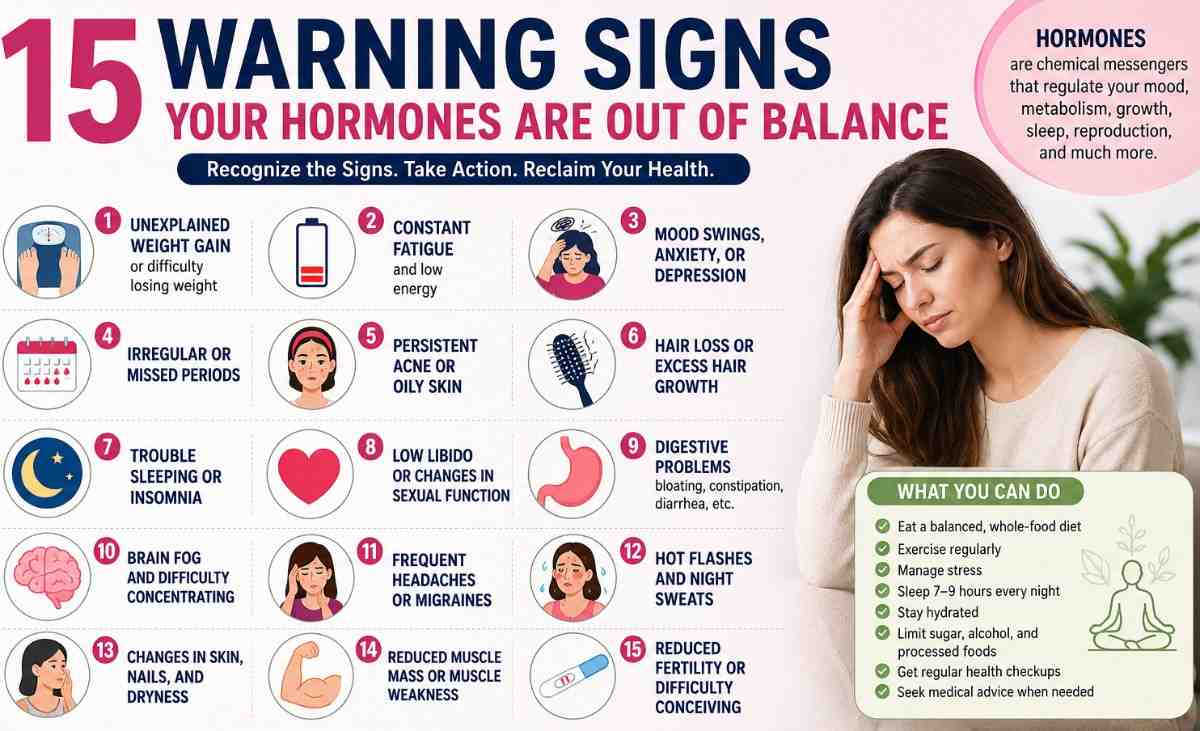
Hormones are often called the body’s chemical messengers because they influence nearly every function in your body—from metabolism and energy levels to mood, sleep, reproduction, and skin health. When hormones are balanced, your body functions smoothly. However, even a slight hormonal imbalance can trigger a wide range of symptoms that affect your physical, mental, and emotional well-being.
Many people ignore the early warning signs of hormonal imbalance, assuming they are simply a result of stress, aging, or a busy lifestyle. Unfortunately, untreated hormonal issues can become more serious over time and may contribute to conditions such as thyroid disorders, polycystic ovary syndrome (PCOS), diabetes, infertility, osteoporosis, and cardiovascular disease.
Hormonal imbalances can affect people of all ages and genders. Women may experience fluctuations during puberty, pregnancy, postpartum recovery, and menopause, while men may notice changes in testosterone levels as they age. Lifestyle factors such as poor nutrition, lack of sleep, chronic stress, obesity, and certain medications can also interfere with healthy hormone production.
In this guide, you’ll learn the most common warning signs that your hormones may be out of balance, what causes hormonal disruptions, and why recognizing these symptoms early matters for your overall health.
What Are Hormones?
Hormones are chemical substances produced by glands in the endocrine system. They travel through your bloodstream and act as messengers, telling different organs and tissues how to function.
Some of the body’s most important hormone-producing glands include:
- Pituitary gland
- Thyroid gland
- Adrenal glands
- Pancreas
- Ovaries
- Testes
- Pineal gland
- Hypothalamus
These glands produce hormones responsible for regulating:
- Growth and development
- Metabolism
- Blood sugar
- Body temperature
- Reproductive health
- Menstrual cycle
- Fertility
- Mood
- Sleep
- Stress response
- Bone health
- Muscle growth
- Appetite
- Weight regulation
Because hormones influence so many bodily processes, an imbalance in just one hormone can create symptoms throughout the body.
Why Hormonal Balance Matters?
Hormones work together in delicate harmony. When one hormone rises or falls outside its normal range, it often affects several others.
For example:
- Low thyroid hormone slows metabolism.
- High cortisol increases blood sugar and promotes weight gain.
- Low estrogen affects bone health and mood.
- Low testosterone reduces muscle strength and energy.
- High insulin contributes to weight gain and diabetes risk.
Maintaining hormonal balance supports healthy energy levels, stable moods, reproductive health, heart health, and overall quality of life.
15 Warning Signs of Hormonal Imbalance
1. Unexplained Weight Gain or Difficulty Losing Weight
One of the earliest signs of hormonal imbalance is sudden weight gain despite maintaining your usual diet and exercise routine.
Hormones regulate how your body stores fat, burns calories, and controls appetite. When these hormones become disrupted, losing weight may become increasingly difficult.
Possible hormone-related causes include:
- Low thyroid hormone
- High cortisol
- Insulin resistance
- Estrogen dominance
- Low testosterone
- Menopause
Weight gain caused by hormonal changes often occurs around the abdomen, hips, or waistline.
If you notice persistent weight gain without a clear explanation, it’s worth discussing hormone testing with your healthcare provider.
2. Constant Fatigue and Low Energy
Everyone feels tired occasionally, but ongoing fatigue that doesn’t improve with rest may indicate a hormonal problem.
Several hormones influence energy production, including:
- Thyroid hormones
- Cortisol
- Insulin
- Testosterone
- Estrogen
When hormone levels are abnormal, your cells may struggle to produce enough energy, leaving you exhausted throughout the day.
Hormonal fatigue is often accompanied by:
- Brain fog
- Muscle weakness
- Reduced concentration
- Lack of motivation
- Poor exercise tolerance
Persistent fatigue should never be ignored, especially if it interferes with daily activities.
3. Mood Swings, Anxiety, or Depression
Hormones have a direct impact on brain chemistry.
Changes in estrogen, progesterone, testosterone, thyroid hormones, and cortisol can influence neurotransmitters like serotonin and dopamine, affecting emotional health.
Common symptoms include:
- Irritability
- Anxiety
- Depression
- Mood swings
- Increased emotional sensitivity
- Feeling overwhelmed
- Panic attacks
Women often notice mood changes before menstruation, during pregnancy, after childbirth, or throughout menopause.
Men with low testosterone may also experience depression, irritability, and reduced motivation.
Although hormonal changes can affect mental health, persistent anxiety or depression should always be evaluated by a healthcare professional.
4. Irregular or Missed Menstrual Periods
For women, menstrual changes are one of the clearest indicators of hormonal imbalance.
Healthy menstrual cycles depend on a balance between:
- Estrogen
- Progesterone
- Follicle-stimulating hormone (FSH)
- Luteinizing hormone (LH)
Hormonal imbalances may cause:
- Missed periods
- Heavy bleeding
- Light periods
- Very painful periods
- Spotting between cycles
- Unpredictable cycle length
Common medical conditions linked to irregular periods include:
- PCOS
- Thyroid disorders
- Premature ovarian insufficiency
- Perimenopause
- High prolactin levels
Any significant change in menstrual patterns should be discussed with a healthcare provider.
5. Persistent Acne or Oily Skin
Acne isn’t just a teenage problem.
Adults who suddenly develop acne, particularly around the chin, jawline, or neck, may have elevated androgen hormones.
Hormonal acne often:
- Appears before menstruation
- Is painful and deep
- Lasts longer than typical acne
- Frequently returns
Hormonal conditions associated with acne include:
- PCOS
- High testosterone
- Insulin resistance
- Elevated cortisol
Treating the underlying hormone imbalance often improves skin health more effectively than topical treatments alone.
6. Hair Loss or Excess Hair Growth
Hormones strongly influence the hair growth cycle.
An imbalance may result in:
- Hair thinning
- Excessive hair shedding
- Male-pattern baldness
- Facial hair in women
- Increased body hair
- Thinning eyebrows
Women with PCOS commonly develop unwanted facial hair due to elevated androgen levels.
Meanwhile, thyroid disorders may cause diffuse hair thinning across the scalp.
Because hair growth changes gradually, many people don’t recognize hormone-related hair loss until it becomes significant.
7. Trouble Sleeping or Insomnia
Quality sleep depends on several hormones working together.
These include:
- Melatonin
- Cortisol
- Progesterone
- Estrogen
Hormonal disruptions may cause:
- Difficulty falling asleep
- Frequent nighttime awakenings
- Night sweats
- Restless sleep
- Early morning waking
High evening cortisol caused by chronic stress is one of the most common reasons people struggle to fall asleep.
Women experiencing menopause frequently develop insomnia because declining estrogen affects body temperature regulation and sleep quality.
Improving sleep habits may help, but persistent insomnia deserves medical evaluation.
8. Low Libido or Changes in Sexual Function
A noticeable decrease in sexual desire is another common symptom of hormonal imbalance.
Sex hormones influence:
- Sexual desire
- Arousal
- Lubrication
- Erectile function
- Fertility
- Sexual satisfaction
Potential hormonal causes include:
- Low testosterone
- Low estrogen
- Menopause
- Thyroid disorders
- Elevated prolactin
- Chronic stress
Men with low testosterone may experience erectile dysfunction, reduced muscle mass, and decreased motivation.
Women may notice vaginal dryness, discomfort during intercourse, or reduced sexual desire during menopause due to declining estrogen levels.
It’s important to remember that changes in sexual function can also have psychological, relationship, or medication-related causes. A healthcare provider can help determine whether hormones are contributing to the problem.
9. Digestive Problems
Although digestive symptoms are commonly associated with diet or gastrointestinal conditions, hormones also play a significant role in gut health. Hormones help regulate digestion, appetite, nutrient absorption, and bowel movements. When hormone levels become imbalanced, the digestive system may not function as efficiently.
Common digestive symptoms linked to hormonal imbalance include:
- Frequent bloating
- Constipation
- Diarrhea
- Excessive gas
- Acid reflux
- Changes in appetite
- Feeling full quickly
For example, low thyroid hormone can slow digestion and lead to chronic constipation, while elevated cortisol from long-term stress may contribute to bloating and irritable bowel symptoms. Women may also notice digestive discomfort before or during their menstrual cycle due to fluctuations in estrogen and progesterone.
Persistent digestive issues should be evaluated by a healthcare professional, especially if they are accompanied by unexplained weight loss, blood in the stool, or severe abdominal pain.
10. Brain Fog and Difficulty Concentrating
If you’ve been forgetting appointments, struggling to focus at work, or feeling mentally “foggy,” hormones may be partly responsible.
The brain relies on hormones to support memory, concentration, and cognitive performance. Changes in estrogen, thyroid hormones, cortisol, and testosterone can all affect mental clarity.
Symptoms may include:
- Poor concentration
- Memory lapses
- Difficulty finding words
- Reduced productivity
- Feeling mentally sluggish
- Trouble making decisions
Brain fog is commonly reported during pregnancy, menopause, thyroid disorders, and periods of prolonged stress. While occasional forgetfulness is normal, ongoing cognitive changes deserve medical evaluation to rule out hormonal or neurological conditions.
11. Frequent Headaches or Migraines
Hormonal fluctuations are a well-known trigger for headaches, particularly in women.
Estrogen affects blood vessels and neurotransmitters in the brain. Rapid changes in estrogen levels can contribute to migraines before menstruation, during pregnancy, after childbirth, or throughout menopause.
Hormonal headaches may occur:
- Before your menstrual period
- During ovulation
- During pregnancy
- After childbirth
- During perimenopause
- During menopause
People with thyroid disorders may also experience frequent headaches.
If headaches become more severe, occur suddenly, or are accompanied by vision changes, weakness, confusion, or difficulty speaking, seek immediate medical attention.
12. Hot Flashes and Night Sweats
Hot flashes are among the most recognized symptoms of hormonal imbalance, particularly during perimenopause and menopause.
Declining estrogen affects the body’s temperature regulation, causing sudden feelings of intense heat that may last from a few seconds to several minutes.
Common symptoms include:
- Sudden warmth in the face, neck, or chest
- Excessive sweating
- Night sweats
- Chills after sweating
- Sleep disruption
Although menopause is the most common cause, thyroid disorders and certain medications can also contribute to excessive sweating.
If night sweats are persistent or accompanied by unexplained weight loss, fever, or swollen lymph nodes, consult a healthcare provider to rule out other medical conditions.
13. Changes in Skin, Nails, and Dryness
Healthy skin depends on balanced hormone levels.
Hormonal imbalances may lead to:
- Dry skin
- Thin skin
- Increased wrinkles
- Brittle nails
- Slow wound healing
- Increased skin sensitivity
- Reduced skin elasticity
Low estrogen during menopause often causes reduced collagen production, leading to thinner and drier skin. Similarly, hypothyroidism frequently causes dry, rough skin and brittle nails.
Because skin changes can also result from aging, dehydration, or nutritional deficiencies, a thorough medical evaluation may be needed to determine the underlying cause.
14. Reduced Muscle Mass or Muscle Weakness
Hormones such as testosterone, growth hormone, thyroid hormone, and insulin play an important role in maintaining muscle strength and repair.
When hormone levels decline, you may notice:
- Muscle weakness
- Loss of strength
- Difficulty exercising
- Slower recovery after workouts
- Decreased endurance
- Muscle aches
Low testosterone in men and women can contribute to reduced muscle mass over time. Likewise, untreated thyroid disorders may affect muscle function and overall physical performance.
Regular strength training and adequate protein intake support muscle health, but persistent weakness should always be evaluated by a healthcare professional.
15. Reduced Fertility or Difficulty Conceiving
Hormones regulate ovulation, sperm production, and reproductive function.
If pregnancy does not occur despite regular, unprotected intercourse for an extended period, hormone imbalance may be one contributing factor.
Hormonal conditions associated with fertility problems include:
- Polycystic ovary syndrome (PCOS)
- Thyroid disorders
- Premature ovarian insufficiency
- High prolactin levels
- Low testosterone
- Pituitary gland disorders
Other signs may include irregular menstrual cycles, absent ovulation, reduced sperm count, or changes in sexual function.
Fortunately, many hormone-related fertility issues can be successfully treated once the underlying cause is identified.
Related Articles:
- Why Happy Hormones Are Important for Your Health & Happiness
- 14 Digestive Warning Signs You Should Never Ignore
- 13 Warning Signs in Your Toenails You Should Never Ignore
Natural Ways to Support Hormonal Health
While not all hormonal disorders can be prevented, healthy lifestyle habits can support normal hormone function and improve overall well-being.
1. Eat a Balanced Diet
Choose a diet rich in:
- Fruits
- Vegetables
- Whole grains
- Lean protein
- Healthy fats
- Nuts and seeds
- Legumes
Limit highly processed foods, sugary beverages, and excessive alcohol consumption.
2. Prioritize Quality Sleep
Aim for 7–9 hours of sleep each night. Good sleep helps regulate cortisol, insulin, melatonin, and growth hormone.
3. Manage Stress
Chronic stress increases cortisol levels, which may interfere with several other hormones.
Helpful stress-management techniques include:
- Deep breathing
- Meditation
- Yoga
- Walking
- Spending time outdoors
- Journaling
- Talking with supportive friends or family
4. Stay Physically Active
Regular exercise supports:
- Insulin sensitivity
- Weight management
- Better sleep
- Improved mood
- Heart health
- Healthy testosterone and estrogen levels
Aim for a combination of aerobic exercise, strength training, and flexibility exercises each week.
5. Maintain a Healthy Weight
Excess body fat can affect insulin, estrogen, testosterone, and inflammatory hormones. Even modest weight loss may improve hormone balance in some individuals.
6. Avoid Smoking
Smoking has been linked to earlier menopause, reduced fertility, and increased risk of several hormone-related diseases.
7. Limit Alcohol Intake
Excessive alcohol may interfere with liver function and hormone metabolism, affecting estrogen, testosterone, and cortisol levels.
Tips to Help Keep Your Hormones Balanced
Healthy daily habits can reduce your risk of hormone-related problems.
- Eat regular, balanced meals.
- Exercise most days of the week.
- Sleep 7–9 hours every night.
- Drink enough water.
- Manage stress effectively.
- Maintain a healthy body weight.
- Avoid smoking and recreational drugs.
- Limit alcohol intake.
- Schedule regular health checkups.
- Take medications exactly as prescribed.
Small, consistent lifestyle improvements often have a positive impact on long-term hormonal health.
When Should You See a Doctor?
Occasional hormonal fluctuations are normal, but persistent symptoms should not be ignored.
Consult your healthcare provider if you experience:
- Ongoing unexplained fatigue
- Rapid weight gain or weight loss
- Missed or irregular periods
- Severe acne that doesn’t improve
- Hair loss or excessive facial hair
- Persistent depression or anxiety
- Hot flashes before the typical age of menopause
- Difficulty becoming pregnant
- Frequent headaches
- Persistent sleep problems
- Changes in sexual function that affect your quality of life
Early diagnosis and treatment can help prevent complications and improve your overall health.
Conclusion
Hormones influence nearly every aspect of your health, including your metabolism, mood, sleep, skin, fertility, and energy levels. Because they work together in a complex network, even a small imbalance can lead to noticeable symptoms throughout the body.
Recognizing the early warning signs—such as unexplained weight changes, fatigue, irregular periods, persistent acne, hair loss, sleep disturbances, digestive issues, or low libido—can help you seek timely medical care before more serious health problems develop.
While healthy habits like eating a balanced diet, exercising regularly, managing stress, and getting enough sleep can support hormone health, they are not a substitute for professional medical evaluation. If your symptoms persist or interfere with your daily life, speak with a qualified healthcare provider. Identifying the underlying cause is the first step toward restoring hormonal balance and improving your long-term well-being.
FAQs
What causes hormones to become unbalanced?
Hormonal imbalances can be caused by stress, poor sleep, aging, menopause, pregnancy, thyroid disorders, PCOS, diabetes, obesity, certain medications, and other endocrine conditions.
Can hormonal imbalance cause weight gain?
Yes. Imbalances in hormones such as insulin, cortisol, thyroid hormones, estrogen, and testosterone can slow metabolism, increase appetite, and promote fat storage.
How do I know if I need hormone testing?
If you have persistent symptoms like fatigue, irregular periods, unexplained weight changes, severe acne, hair loss, or fertility issues, your healthcare provider may recommend hormone testing.
Can stress affect my hormones?
Yes. Chronic stress increases cortisol levels, which can disrupt other hormones involved in metabolism, sleep, reproduction, and mood.
Can hormonal imbalance affect men?
Yes. Men can experience hormonal imbalances, particularly involving testosterone and thyroid hormones, leading to fatigue, low libido, muscle loss, mood changes, and weight gain.
Can hormonal imbalance affect fertility?
Yes. Hormonal disorders can interfere with ovulation in women and sperm production in men, making it more difficult to conceive.
Which foods help support healthy hormones?
A balanced diet rich in vegetables, fruits, whole grains, lean proteins, healthy fats, nuts, seeds, and legumes can support overall hormonal health.
Can exercise help balance hormones naturally?
Regular physical activity can improve insulin sensitivity, reduce stress, support healthy body weight, and promote better hormone regulation.
How long does it take to balance hormones?
The timeline depends on the underlying cause. Some lifestyle-related imbalances may improve within a few weeks or months, while medical conditions may require ongoing treatment.
Are hormonal imbalances common during menopause?
Yes. Hormonal fluctuations during perimenopause and menopause commonly cause hot flashes, night sweats, mood changes, vaginal dryness, and sleep disturbances.
Can thyroid problems cause hormonal imbalance?
Yes. An underactive or overactive thyroid can affect metabolism, energy levels, weight, mood, heart rate, and reproductive health.
Is hormonal imbalance permanent?
Not always. Many hormonal imbalances can be managed or corrected with lifestyle changes, medications, or treatment of the underlying medical condition.
Can hormonal imbalance be prevented?
While not all hormonal disorders can be prevented, maintaining a healthy diet, exercising regularly, managing stress, getting enough sleep, and attending routine health checkups can help support healthy hormone function.
Can hormonal imbalance go away on its own?
Temporary hormonal fluctuations may resolve naturally, but persistent symptoms should be evaluated by a healthcare professional to identify the underlying cause.
Sources / References:
- World Health Organization (WHO)
- Endocrine Society
- National Institute of Diabetes and Digestive and Kidney Diseases (NIDDK)
- Office on Women’s Health
- National Institutes of Health (NIH)
- MedlinePlus – Hormone Disorders
- American Thyroid Association
- Mayo Clinic – Hormonal Health
Also Read:
- 15 Natural Ways to Increase Estrogen Levels & Balance Hormones
- How to Balance Hormones With Vitamins & Herbal Supplements
- How Sugar Affects Your Hormones and How to Manage It?
About the Author:
Written by: Kirti Solanki (Health Content Researcher)
Kirti Solanki is a Health Content Researcher specializing in evidence-based health, nutrition, wellness, pregnancy, parenting, and skincare topics. She is dedicated to translating complex medical research and clinical guidelines into clear, practical, and reader-friendly content. Every article is thoroughly researched using trusted sources, including peer-reviewed studies and recommendations from recognized health organizations, to ensure accuracy, credibility, and up-to-date information.
Disclaimer:
This guide is intended for educational and informational purposes only and should not be considered medical advice, diagnosis, or treatment. Hormonal symptoms can have many possible causes, and only a qualified healthcare professional can determine the appropriate evaluation and treatment. Never ignore professional medical advice or delay seeking care because of information you have read online. If you experience severe or persistent symptoms, consult your doctor or an endocrinologist promptly.