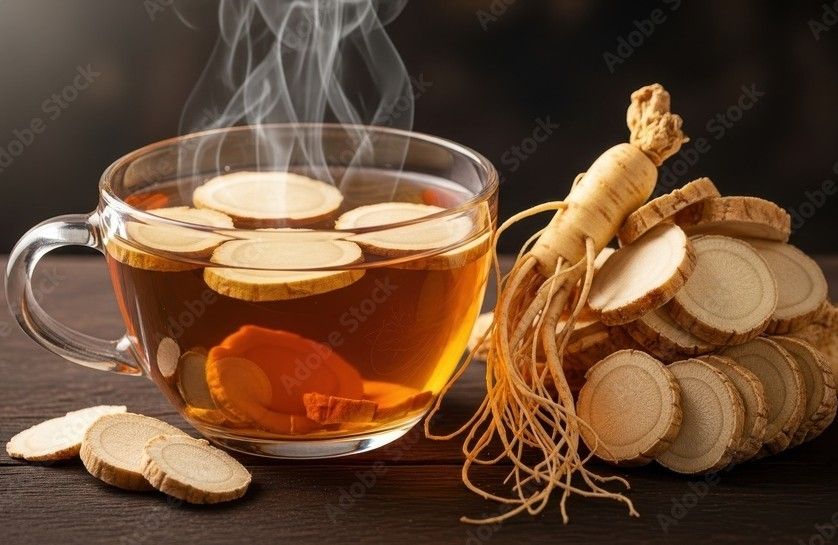
Ginseng tea is one of the most respected herbal teas in traditional medicine systems around the world. Known for its adaptogenic properties, this powerful tea has been consumed for centuries to improve energy, mental clarity, immunity, and overall vitality. Modern science has now begun to validate many of these traditional claims, making ginseng tea a popular wellness drink today.
This guide explores everything you need to know about ginseng tea, from its nutritional profile and scientifically backed health benefits to its side effects, preparation methods, dosage, and precautions.
What Is Ginseng Tea?
Ginseng tea is an herbal infusion made from the root of the ginseng plant, most commonly Panax ginseng (Asian ginseng) or Panax quinquefolius (American ginseng). The word “Panax” means “all-healing,” reflecting the herb’s long-standing reputation as a powerful natural remedy.
Unlike regular teas made from Camellia sinensis, ginseng tea is caffeine-free by nature and derives its effects from active compounds called ginsenosides. These compounds are responsible for ginseng’s adaptogenic qualities, helping the body adapt to physical, mental, and environmental stress.
Ginseng tea is traditionally used to:
- Boost stamina and endurance
- Improve cognitive performance
- Strengthen immune function
- Promote longevity and vitality
Components of Ginseng Tea (Per 1 Cup of Tea)
Although ginseng tea is low in calories, it is rich in bioactive compounds that offer numerous health benefits.
| Nutrient / Compound | Approximate Amount |
|---|---|
| Calories | 5–10 kcal |
| Carbohydrates | 1–2 g |
| Sugars | 0 g |
| Fat | 0 g |
| Protein | 0 g |
| Ginsenosides | 20–30 mg |
| Antioxidants | Moderate |
| Polyphenols | Present |
| Vitamins (B-complex) | Trace amounts |
| Minerals (Potassium, Iron) | Trace amounts |
| Caffeine | 0 mg |
Values may vary depending on ginseng type and preparation method.
20 Proven Benefits of Ginseng Tea
1. Boosts Energy Levels
Ginseng improves cellular energy production, helping fight fatigue without overstimulation.
2. Enhances Mental Focus and Memory
Studies show ginsenosides support neurotransmitter function and cognitive performance.
3. Reduces Stress and Anxiety
As an adaptogen, ginseng helps regulate cortisol levels and improve stress resilience.
4. Strengthens the Immune System
Ginseng stimulates immune cells such as macrophages and natural killer cells.
5. Supports Heart Health
It may help regulate blood pressure and improve circulation.
6. Improves Blood Sugar Control
Research suggests ginseng enhances insulin sensitivity and glucose metabolism.
7. Anti-Inflammatory Effects
Ginsenosides help reduce chronic inflammation linked to many diseases.
8. Enhances Physical Endurance
Athletes often use ginseng to improve stamina and reduce exercise-induced fatigue.
9. Supports Sexual Health
Traditionally used to improve libido and erectile function.
10. Improves Mood and Emotional Balance
Ginseng may help regulate dopamine and serotonin levels.
11. Promotes Healthy Aging
Its antioxidant properties help fight oxidative stress and cellular aging.
12. Supports Brain Health
May reduce the risk of neurodegenerative diseases through neuroprotective effects.
13. Aids in Weight Management
Helps regulate appetite and improve metabolic efficiency.
14. Improves Lung Function
Traditionally used to support respiratory health.
15. Enhances Immune Response Against Infections
Shown to reduce frequency and severity of colds and flu.
16. Supports Liver Health
May help protect liver cells from toxin-induced damage.
17. Improves Digestive Health
Helps regulate gut motility and reduce bloating.
18. Helps Fight Chronic Fatigue Syndrome
Used in integrative medicine for long-term fatigue conditions.
19. Supports Hormonal Balance
Helps stabilize adrenal and endocrine function.
20. Improves Skin Health
Antioxidants help reduce skin aging and improve circulation to the skin.
10 Side Effects of Ginseng Tea
While generally safe, excessive or improper use may cause side effects:
1. Insomnia and Sleep Disturbances
Ginseng has stimulating properties that may interfere with sleep, particularly when consumed in the evening or at high doses.
2. Headaches
Some people may experience mild to moderate headaches due to changes in blood circulation or nervous system stimulation.
3. Digestive Issues
Ginseng tea can cause nausea, stomach upset, diarrhea, or bloating in sensitive individuals.
4. Increased Heart Rate
In some cases, ginseng may cause palpitations or a faster heartbeat, especially when combined with caffeine or other stimulants.
5. Nervousness and Anxiety
Excess consumption may overstimulate the nervous system, leading to restlessness, irritability, or anxiety.
6. Blood Pressure Fluctuations
Ginseng can either raise or lower blood pressure, making it unsuitable for people with uncontrolled hypertension.
7. Hormonal Imbalance
Long-term use may affect hormone levels, particularly in individuals with hormone-sensitive conditions.
8. Dizziness
Some users may feel lightheaded or dizzy, especially when starting ginseng tea or consuming it on an empty stomach.
9. Allergic Reactions
Rarely, ginseng may cause allergic symptoms such as skin rashes, itching, or swelling.
10. Drug Interactions
Ginseng tea may interact with blood thinners, diabetes medications, antidepressants, and blood pressure drugs, reducing their effectiveness or increasing side effects.
How to Make Ginseng Tea?
Ingredients:
- 1–2 grams dried ginseng root (or 1 ginseng tea bag)
- 1 cup hot water (not boiling)
Method:
- Slice the ginseng root thinly.
- Add to hot water (80–90°C).
- Steep for 5–10 minutes.
- Strain and drink warm.
- Optional: add honey or lemon for taste.
Other Uses of Ginseng Tea
- Used as a base for herbal blends
- Added to detox programs
- Used in traditional tonics
- Consumed cold as an iced herbal tea
- Used in skincare infusions
How Much Ginseng Tea Can You Drink a Day?
Recommended intake:
- 1–2 cups per day for general wellness
- Do not exceed 3 cups per day
For long-term use, follow a cycle:
- 6–8 weeks of use
- 1–2 weeks break
Tips for Consuming Ginseng Tea
- Start with small amounts to assess tolerance
- Avoid drinking late at night
- Choose high-quality, authentic ginseng
- Avoid combining with stimulants
- Stay consistent rather than overdosing
Best Time to Drink Ginseng Tea
- Morning: Best for energy and focus
- Afternoon: Helps fight fatigue
- Avoid after 6 PM to prevent sleep disturbances
Who Should Drink Ginseng Tea?
Ginseng tea is suitable for:
- People with low energy levels
- Students and professionals needing mental focus
- Individuals under stress
- Older adults seeking vitality
- Athletes and physically active individuals
Who Should Not Drink Ginseng Tea?
Avoid or consult a doctor if you:
- Are pregnant or breastfeeding
- Have high blood pressure
- Have hormone-sensitive conditions
- Suffer from insomnia
- Are on blood-thinning medication
Precautions and Interactions
- Avoid combining with caffeine or alcohol
- May interact with diabetes, blood pressure, and antidepressant medications
- Do not exceed recommended dosage
- Consult a healthcare professional if on long-term medication
- Discontinue use if adverse symptoms occur
Final Thoughts
Ginseng tea is a powerful herbal beverage with a long history and strong scientific support. When consumed responsibly, it can significantly enhance energy, mental clarity, immunity, and overall well-being. Like any herbal remedy, moderation and proper usage are key to unlocking its benefits safely.
FAQ’s
What is ginseng tea made from?
Tea is made from the root of the ginseng plant, most commonly Panax ginseng or Panax quinquefolius, infused in hot water.
Is ginseng tea caffeine-free?
Yes, tea is naturally caffeine-free and does not contain stimulants like coffee or black tea.
Can I drink ginseng tea every day?
Yes, tea can be consumed daily in moderation. One to two cups per day is considered safe for most people.
Does ginseng tea help with stress and anxiety?
Yes, tea acts as an adaptogen, helping the body manage stress and balance cortisol levels.
Is ginseng tea good for immunity?
Tea supports immune function by enhancing the activity of immune cells and reducing inflammation.
Can ginseng tea help with fatigue?
Yes, tea is widely used to combat physical and mental fatigue by improving energy production at the cellular level.
Can ginseng tea help with blood sugar control?
Research suggests tea may help improve insulin sensitivity and regulate blood sugar levels.
Is ginseng tea good for brain health?
Yes, tea may enhance memory, focus, and cognitive performance due to its neuroprotective compounds.
How long does it take for ginseng tea to work?
Some effects like increased alertness may be noticed within hours, while long-term benefits usually appear after consistent use for several weeks.
Can ginseng tea improve sleep?
Tea is not recommended before bedtime, as it may increase alertness and interfere with sleep in some individuals.
Can I drink ginseng tea with other herbal teas?
Yes, but it is best to avoid combining it with stimulating herbs to prevent overstimulation.
Does ginseng tea help with weight loss?
Tea may support weight management by improving metabolism and regulating appetite, but it is not a standalone weight-loss solution.
Is ginseng tea safe for older adults?
Yes, when consumed in moderation, tea can support energy, cognition, and overall vitality in older adults.
Can ginseng tea be taken long-term?
Long-term use is safe when consumed in cycles, such as 6–8 weeks of use followed by a short break.
How should ginseng tea be stored?
Store dried ginseng root or tea bags in an airtight container in a cool, dry place away from sunlight.
Is ginseng tea safe for pregnant women?
Tea is not recommended during pregnancy unless approved by a healthcare professional. Ginseng may affect hormone levels and stimulate the nervous system, which could pose risks during pregnancy.
Is ginseng tea safe for children?
Tea is generally not recommended for children, especially young children. Its stimulating and hormone-modulating effects may interfere with normal growth and sleep patterns.
What is ginseng tea good for?
Tea is good for boosting energy, improving mental focus, reducing stress, supporting immune health, enhancing physical endurance, and promoting overall vitality.
What does ginseng tea taste like?
Tea has a mild earthy, slightly bitter, and woody flavor with a natural sweetness. Some people describe it as warming and herbal rather than floral or grassy.
Also Read: