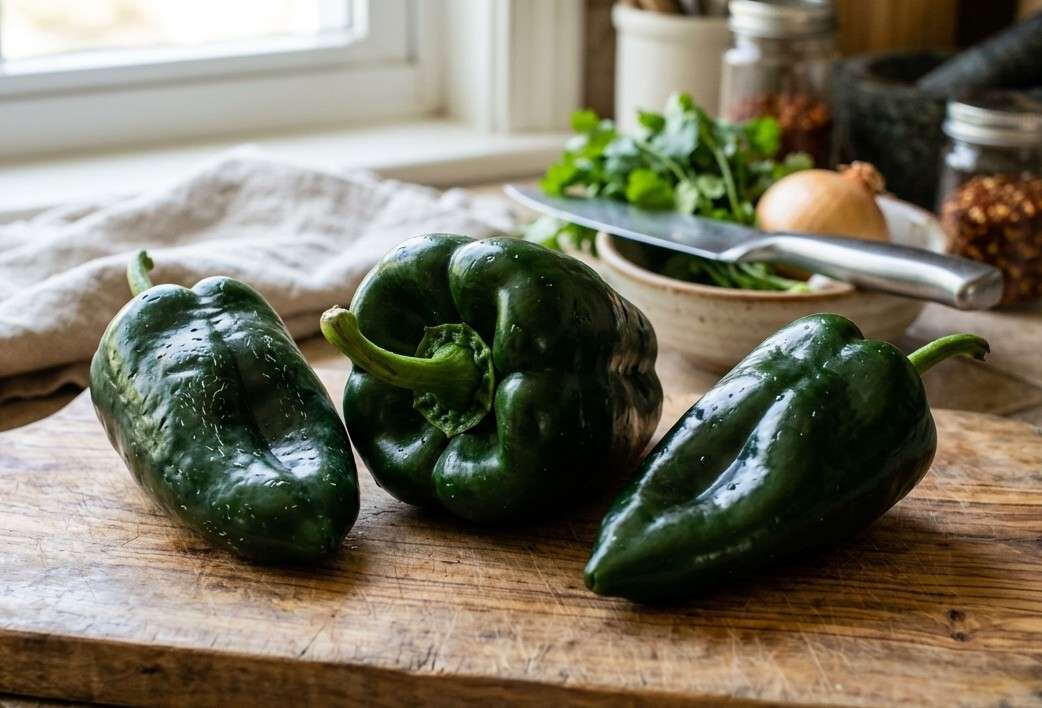
Poblano is a mild chili pepper that originates from Mexico and is widely used in traditional and modern cuisine. Known for its rich flavor, dark green color, and moderate heat, poblano peppers are a favorite ingredient in dishes such as stuffed peppers, soups, sauces, and roasted vegetable recipes. Besides adding flavor to meals, poblano peppers are packed with vitamins, minerals, antioxidants, and plant compounds that may support overall health.
Whether you enjoy them roasted, grilled, stuffed, or blended into sauces, poblano peppers can be a nutritious addition to a balanced diet. This guide explores everything you need to know about poblano peppers (also known as Puebla Pepper, Mexican peppers, or ancho pepper), including their nutrition, science-backed health benefits, potential side effects, uses, storage methods, and consumption recommendations.
What is Poblano?
Poblano is a variety of chili pepper belonging to the species Capsicum annuum. It is native to the Mexican state of Puebla, from which it gets its name. Fresh poblano peppers are dark green and heart-shaped, typically measuring about 4 to 6 inches long.
Unlike many hot peppers, poblanos have a mild heat level ranging from 1,000 to 2,000 Scoville Heat Units (SHU), making them much milder than jalapeños. When dried, poblano peppers are known as ancho peppers and are commonly used in sauces and spice blends.
Poblano peppers are valued not only for their culinary versatility but also for their nutritional profile, providing vitamins A, C, B6, potassium, fiber, and beneficial antioxidants.
Nutrition Facts of Poblan Pepper
| Nutrient | Amount (Per 100 grams of Raw Poblano Pepper) |
|---|---|
| Calories | 26 kcal |
| Water | 92 g |
| Protein | 1.0 g |
| Carbohydrates | 6.0 g |
| Dietary Fiber | 2.1 g |
| Sugars | 4.0 g |
| Fat | 0.3 g |
| Vitamin C | 80 mg |
| Vitamin A | 1070 IU |
| Vitamin B6 | 0.2 mg |
| Folate | 16 mcg |
| Potassium | 340 mg |
| Magnesium | 15 mg |
| Calcium | 14 mg |
| Iron | 0.4 mg |
| Phosphorus | 25 mg |
Values may vary slightly depending on growing conditions and preparation methods.
20 Proven Health Benefits of Poblano
- Rich in Vitamin C: Puebla peppers provide high amounts of vitamin C, which supports immune health and collagen production.
- Supports Immunity: Regular consumption may help strengthen the body’s natural defense system against infections.
- Promotes Healthy Skin: The antioxidants and vitamin C in Puebla peppers help maintain healthy and youthful-looking skin.
- Supports Eye Health: Vitamin A and carotenoids contribute to better vision and eye function.
- Provides Antioxidant Protection: Puebla peppers contain antioxidants that help protect cells from oxidative stress.
- May Reduce Inflammation: Natural plant compounds in poblano peppers may help lower inflammation levels in the body.
- Supports Heart Health: Potassium helps regulate blood pressure and supports cardiovascular function.
- Aids Digestion: Dietary fiber promotes healthy digestion and regular bowel movements.
- May Support Weight Management: Low calories and high fiber can help increase satiety and reduce overall calorie intake.
- Promotes Healthy Metabolism: Vitamin B6 assists in energy metabolism and nutrient utilization.
- Supports Nervous System Function: B vitamins found in Puebla peppers contribute to proper nerve health.
- May Improve Blood Circulation: Certain compounds may encourage healthy circulation throughout the body.
- Supports Bone Health: Minerals such as magnesium and phosphorus contribute to bone maintenance.
- May Help Manage Blood Sugar: Fiber may help slow carbohydrate absorption and support stable blood sugar levels.
- Supports Healthy Aging: Antioxidants help combat free radical damage associated with aging.
- May Enhance Iron Absorption: Vitamin C improves the body’s ability to absorb iron from plant-based foods.
- Supports Cellular Repair: Nutrients in poblano peppers assist in tissue growth and repair processes.
- Promotes Hydration: Their high water content contributes to daily fluid intake.
- May Support Respiratory Health: Mild capsaicin content may help clear nasal passages temporarily.
- Contributes to Overall Wellness: The combination of vitamins, minerals, fiber, and antioxidants supports general health.
10 Side Effects of Poblano
- Digestive Irritation: Some individuals may experience stomach discomfort after consuming large amounts.
- Heartburn Risk: Puebla peppers may trigger acid reflux or heartburn in sensitive people.
- Gas and Bloating: Excessive consumption can sometimes lead to digestive gas.
- Mouth Irritation: The natural heat may cause mild burning sensations in the mouth.
- Allergic Reactions: Rare allergic responses may occur in susceptible individuals.
- Skin Irritation: Direct contact with pepper oils may irritate sensitive skin.
- Diarrhea Risk: Large servings may contribute to loose stools in some individuals.
- Interaction with Sensitive Digestive Conditions: People with gastrointestinal disorders may experience symptom flare-ups.
- Eye Irritation: Pepper residue transferred to the eyes can cause discomfort and burning.
- Potential Medication Sensitivity: Certain individuals taking digestive-related medications should monitor their tolerance.
How to Eat Poblano?
Puebla peppers are highly versatile and can be enjoyed in many ways:
- Roast and peel them for a smoky flavor.
- Stuff them with rice, cheese, beans, or meat.
- Add chopped poblano to salads.
- Grill them alongside vegetables.
- Blend them into sauces and salsas.
- Include them in soups and stews.
- Add them to tacos and burritos.
- Use them in omelets and scrambled eggs.
- Mix them into casseroles.
- Dry them to make ancho pepper powder.
Tips for Consuming Poblano
- Choose firm, glossy peppers without blemishes.
- Wash thoroughly before use.
- Remove seeds if you prefer a milder flavor.
- Roast before peeling for enhanced taste.
- Pair with healthy fats to improve nutrient absorption.
- Consume as part of a balanced diet.
- Introduce gradually if sensitive to peppers.
- Combine with protein-rich foods for balanced meals.
- Avoid excessive intake if prone to digestive issues.
- Store properly to maintain freshness.
Other Uses of Poblano
- Natural Food Flavoring: Puebla peppers enhance the flavor of various savory dishes.
- Homemade Sauces: They are commonly used in salsas, marinades, and cooking sauces.
- Dried Spice Production: Dried poblanos are processed into ancho chili products.
- Soup Ingredient: They add depth and richness to soups and stews.
- Stuffed Pepper Recipes: Puebla peppers are widely used as edible containers for fillings.
- Grilling Applications: Their sturdy texture makes them ideal for grilling.
- Mexican Cuisine Staple: They are a key ingredient in many traditional Mexican recipes.
- Fermented Foods: Puebla peppers can be included in fermented vegetable preparations.
- Vegetable Side Dishes: Roasted Puebla pepper work well as healthy side dishes.
- Home Gardening: Puebla pepper plants are commonly grown in home vegetable gardens.
How Much Poblano Can You Eat in a Day?
Most healthy adults can safely consume 1–2 medium poblano peppers per day as part of a balanced diet. This amount provides beneficial nutrients without excessive intake of capsaicin or fiber.
Individual tolerance may vary depending on digestive sensitivity and overall dietary habits.
| Age Group | Recommended Amount |
|---|---|
| Children (5–12 years) | ½ small pepper |
| Teenagers | 1 small pepper |
| Adults | 1–2 medium peppers |
| Older Adults | 1 medium pepper |
| Sensitive Individuals | Start with small portions |
There is no official medicinal dosage for Puebla peppers, as they are primarily consumed as food.
Best Time to Eat Poblano
Breakfast
Can be added to omelets, breakfast burritos, and vegetable scrambles.
Lunch
Works well in salads, sandwiches, tacos, and grain bowls.
Dinner
Often used in roasted vegetable dishes, soups, and stuffed pepper recipes.
Pre-Workout
Provides nutrients and hydration with minimal calories.
Avoid Late Night if Sensitive
People prone to acid reflux may prefer avoiding peppers close to bedtime.
Who Should Eat Poblano?
- People Seeking Low-Calorie Foods: Puebla peppers provide flavor with very few calories.
- Individuals Looking to Increase Vegetable Intake: They offer nutrients while adding variety to meals.
- Those Supporting Immune Health: Their vitamin C content contributes to immune function.
- People Interested in Heart Health: Potassium supports healthy blood pressure levels.
- Individuals Managing Weight: Fiber and low calorie density may assist weight management goals.
- Athletes and Active Individuals: Nutrients help support overall physical wellness.
- Vegetarians and Vegans: Puebla peppers provide vitamins and minerals useful in plant-based diets.
- People Seeking Antioxidant-Rich Foods: Antioxidants help protect against oxidative stress.
- Those Wanting Better Digestion: Fiber supports digestive regularity.
- Home Cooks and Food Enthusiasts: Puebla peppers add unique flavor and versatility to recipes.
Who Should Not Eat Poblano?
- People with Pepper Allergies: Consumption may trigger allergic reactions.
- Individuals with Severe Acid Reflux: Peppers may worsen symptoms.
- People with Sensitive Stomachs: Digestive discomfort may occur.
- Those Experiencing Active Ulcer Symptoms: Spicy foods may aggravate irritation.
- Individuals with IBS Sensitivity: Some people may experience digestive flare-ups.
- People Recovering from Certain Digestive Procedures: Medical advice may be needed before consuming spicy foods.
- Those Sensitive to Capsaicin: Even mild peppers can cause discomfort.
- Individuals with Frequent Heartburn: Symptoms may worsen after consumption.
- People with Chronic Digestive Inflammation: Tolerance should be assessed carefully.
- Anyone Advised by a Healthcare Professional to Avoid Peppers: Follow personalized medical guidance.
How to Store Poblano?
- Room Temperature Storage: Keep for short periods if using within a day or two.
- Refrigerator Storage: Store in the vegetable drawer to maintain freshness.
- Use Paper Bags: Paper bags can help reduce moisture buildup.
- Avoid Washing Before Storage: Excess moisture may speed spoilage.
- Freeze for Long-Term Use: Roasted or raw Puebla peppers can be frozen.
- Label Frozen Portions: Mark storage dates for easy tracking.
- Keep Away from Ethylene-Producing Fruits: This helps slow deterioration.
- Check Regularly: Remove any peppers showing signs of spoilage.
- Store Dried Poblanos Properly: Keep in airtight containers away from light.
- Protect from Excess Humidity: Dry conditions help maintain quality.
Precautions and Interactions
- Start with Small Portions: Assess tolerance before consuming large amounts.
- Monitor Digestive Reactions: Reduce intake if stomach discomfort occurs.
- Use Gloves When Handling Large Quantities: Pepper oils may irritate skin.
- Avoid Touching Eyes: Residual oils can cause burning sensations.
- Exercise Caution with Acid Reflux: Symptoms may worsen in sensitive individuals.
- Consult a Healthcare Professional During Medical Treatment: Discuss dietary changes if taking medications.
- Use Moderation: Excessive consumption may increase digestive side effects.
- Monitor Children’s Intake: Introduce gradually due to mild heat.
- Consider Existing Digestive Conditions: Individuals with gastrointestinal disorders should be cautious.
- Store Safely and Hygienically: Proper storage helps prevent spoilage and foodborne contamination.
Conclusion
Poblano peppers are flavorful, nutrient-rich vegetables that offer numerous health benefits. They provide vitamin C, vitamin A, fiber, antioxidants, and essential minerals while remaining low in calories. From supporting immunity and digestion to enhancing heart health and overall wellness, Puebla peppers can be a valuable addition to a healthy diet.
When consumed in moderation and prepared properly, Puebla peppers are both delicious and nutritious. Whether roasted, stuffed, grilled, or blended into sauces, they offer a versatile way to enjoy the benefits of fresh vegetables while adding a mild, smoky flavor to everyday meals.
FAQ’s
Is poblano pepper spicy?
Puebla pepper are mildly spicy, usually ranging between 1,000 and 2,000 Scoville Heat Units, making them much milder than jalapeños.
Can you eat poblano peppers raw?
Yes, Puebla pepper can be eaten raw in salads, sandwiches, and fresh salsas.
What does poblano taste like?
Puebla pepper have a rich, earthy, slightly sweet flavor with mild heat.
Are poblano peppers healthy?
Yes, they are low in calories and rich in vitamins, minerals, fiber, and antioxidants.
Can poblano peppers help with weight loss?
Their low calorie content and fiber may help increase fullness and support weight management.
Are poblano peppers good for digestion?
Yes, the fiber in Puebla pepper can help support healthy digestion and regular bowel movements.
What is the difference between poblano and jalapeño peppers?
Puebla pepper are larger, milder, and have a richer flavor, while jalapeños are smaller and significantly hotter.
Can diabetics eat poblano peppers?
Yes, Puebla peppers are generally suitable for people with diabetes as they are low in calories and carbohydrates.
What are dried poblano peppers called?
When dried, poblano peppers are known as ancho peppers.
How long do fresh poblano peppers last?
Fresh Puebla peppers typically last about 1–2 weeks when stored properly in the refrigerator.
Can you freeze poblano peppers?
Yes, Puebla peppers can be frozen whole, sliced, or roasted for longer storage.
Are poblano peppers good for heart health?
Their potassium, fiber, and antioxidant content may help support cardiovascular health.
Do poblano peppers contain vitamin C?
Yes, Puebla peppers are an excellent source of vitamin C.
Can you eat poblano pepper seeds?
Yes, the seeds are edible, although many people remove them for a milder taste and texture.
What is the best way to cook poblano peppers?
Roasting is one of the most popular methods because it enhances their smoky flavor and softens the skin.
Are poblano peppers good for immunity?
Yes, their high vitamin C content may help support a healthy immune system.
Can children eat poblano peppers?
Yes, most children can eat Puebla peppers because they are relatively mild, though portions should be adjusted according to tolerance.
Do poblano peppers need to be peeled after roasting?
Peeling is recommended after roasting because the skin becomes loose and can be slightly tough.
Are poblano peppers fruits or vegetables?
Botanically, Puebla peppers are fruits because they develop from the flowering part of the plant and contain seeds.
Can you eat poblano peppers every day?
Yes, most healthy adults can enjoy Puebla peppers daily as part of a balanced diet, provided they tolerate them well.
Is Poblano Safe for Pregnant Women?
Yes, Puebla peppers are generally safe during pregnancy when eaten in moderation.
What Is Poblano Good For?
Puebla Pepper supports immunity, digestion, heart health, and overall wellness.
What Is the Closest Thing to a Poblano Pepper?
Anaheim peppers are the closest substitute for Puebla Pepper.
What Is the Flavor of Poblano?
Puebla pepper has a mild, earthy, slightly sweet, and smoky flavor.
Do Poblanos Taste Like Jalapeños?
No, poblanos are milder and less spicy than jalapeños.
Also Read: