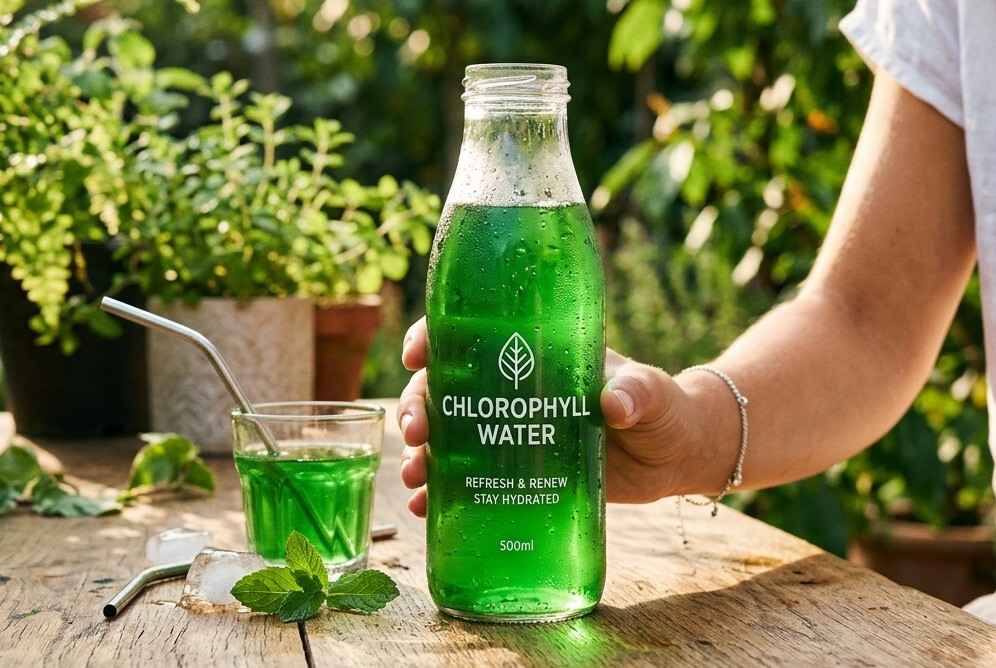
Chlorophyll Water (most commonly known as liquid chlorophyll or chlorophyllin water) has become one of the most talked-about wellness drinks in recent years, gaining popularity among health enthusiasts, fitness lovers, and individuals looking for natural ways to support their overall well-being. Known for its vibrant green color and plant-based origins, chlorophyll water is made by adding liquid chlorophyll or chlorophyllin to drinking water, creating a refreshing beverage that is both low in calories and rich in potential health benefits.
In this guide, you’ll learn everything you need to know about chlorophyll water, including its nutrition facts, science-backed health benefits, possible side effects, how to make it at home, the best ways to consume it, storage tips, safety precautions, and much more.
What is Chlorophyll Water?
Chlorophyll water is a beverage made by adding liquid chlorophyll or chlorophyllin (a water-soluble derivative of chlorophyll) to drinking water. Chlorophyll is the green pigment naturally found in plants, algae, and vegetables that helps absorb sunlight during photosynthesis.
Over the past few years, chlorophyll water has gained popularity as a wellness drink due to its potential health benefits, including antioxidant support, hydration enhancement, detoxification support, and skin health improvement. Many people consume chlorophyll water daily as part of their healthy lifestyle routine.
Although chlorophyll is naturally present in leafy greens such as spinach, kale, parsley, and wheatgrass, chlorophyll water offers a convenient way to increase chlorophyll intake without consuming large quantities of vegetables.
While many health claims surrounding chlorophyll water require more scientific research, several studies suggest that chlorophyll and its derivatives may offer promising benefits for overall wellness.
Nutrition Facts of Chlorophyll Water
The nutritional content of chlorophyll water varies depending on the brand, concentration, and type of chlorophyll supplement used.
| Nutrient | Amount (Per 8 oz / 240 ml Serving) |
|---|---|
| Calories | 0-10 kcal |
| Protein | 0 g |
| Fat | 0 g |
| Carbohydrates | 0-2 g |
| Sugar | 0 g |
| Fiber | 0 g |
| Sodium | 0-30 mg |
| Potassium | 0-20 mg |
| Chlorophyll/Chlorophyllin | 50-100 mg |
| Vitamin A | Trace Amounts |
| Vitamin C | Trace Amounts |
| Magnesium | Small Amounts |
| Iron | Small Amounts |
Values may vary depending on product formulation.
20 Proven Health Benefits of Chlorophyll Water
- Powerful Antioxidant Protection: Chlorophyll contains antioxidant compounds that help combat oxidative stress and free radical damage in the body.
- Supports Healthy Skin: Chlorophyll may help improve skin appearance by reducing inflammation and supporting wound healing.
- Promotes Hydration: Chlorophyll water encourages increased water intake, helping maintain proper hydration levels.
- May Help Reduce Body Odor: Some studies suggest chlorophyllin may help decrease certain body odors and bad breath.
- Supports Detoxification Processes: Chlorophyll may assist the body’s natural detoxification pathways by binding to certain toxins.
- May Support Liver Health: Research indicates chlorophyll compounds may help protect liver cells from oxidative damage.
- Supports Immune Function: Antioxidants found in chlorophyll may contribute to a healthy immune response.
- May Help Protect Cells: Chlorophyll may help shield cells from environmental stressors and damage.
- Supports Digestive Wellness: Some individuals report improved digestive comfort when regularly consuming chlorophyll water.
- May Promote Gut Health: Chlorophyll may contribute to maintaining a healthier intestinal environment.
- Supports Healthy Aging: Antioxidant activity may help reduce cellular damage associated with aging.
- May Help Reduce Inflammation: Certain studies suggest chlorophyll possesses anti-inflammatory properties.
- Supports Healthy Blood Function: Chlorophyll’s molecular structure resembles hemoglobin, making it an interesting nutrient for blood health research.
- May Improve Energy Levels: Improved hydration and nutrient support may contribute to enhanced daily energy.
- Supports Healthy Weight Management: Drinking chlorophyll water may help support fullness when included in a balanced diet.
- May Assist in Wound Healing: Research suggests topical and dietary chlorophyll may support tissue repair processes.
- Supports Healthy Metabolism: Chlorophyll may indirectly support metabolic health through antioxidant activity.
- May Help Neutralize Free Radicals: Chlorophyll can help reduce the harmful effects of unstable molecules in the body.
- Supports Cellular Health: Chlorophyll compounds may help maintain healthy cell function.
- May Promote Overall Wellness: Regular chlorophyll water consumption can be part of a healthy lifestyle focused on hydration and nutrient intake.
10 Side Effects of Chlorophyll Water
- Digestive Upset: Some people may experience stomach discomfort, nausea, or cramps after consuming chlorophyll water.
- Diarrhea: High amounts of chlorophyll supplements may cause loose stools in sensitive individuals.
- Green Stool Color: Chlorophyll can temporarily turn stools green, which is generally harmless.
- Urine Discoloration: Some users may notice darker or greenish urine after consumption.
- Photosensitivity: Excessive chlorophyll supplementation may increase sensitivity to sunlight in rare cases.
- Allergic Reactions: Individuals sensitive to chlorophyll-containing products may develop allergic symptoms.
- Nausea: Drinking highly concentrated chlorophyll water may trigger nausea in some people.
- Medication Interactions: Chlorophyll supplements may potentially interact with certain medications.
- Headaches: A small number of users report mild headaches when beginning supplementation.
- Excess Supplement Intake Risks: Consuming excessive amounts may increase the likelihood of unwanted side effects.
How to Make Chlorophyll Water?
Making chlorophyll water at home is simple and affordable.
Ingredients:
- 1 glass (250-500 ml) filtered water
- 1 teaspoon liquid chlorophyll (or as directed on the product label)
- Ice cubes (optional)
- Lemon slices (optional)
Instructions:
- Fill a glass with filtered water.
- Add the recommended amount of liquid chlorophyll.
- Stir thoroughly until evenly mixed.
- Add ice cubes if desired.
- Add a slice of lemon for flavor.
- Drink immediately for maximum freshness.
Natural Alternative:
You can also blend chlorophyll-rich vegetables such as:
- Spinach
- Kale
- Parsley
- Wheatgrass
- Mint leaves
Strain the mixture and dilute with water to create a naturally chlorophyll-rich beverage.
Tips for Consuming Chlorophyll Water
- Start with a small serving to assess tolerance.
- Follow dosage instructions on the supplement label.
- Drink consistently rather than excessively.
- Use cold water for a more refreshing taste.
- Pair chlorophyll water with a balanced diet.
- Stay adequately hydrated throughout the day.
- Choose high-quality chlorophyll supplements from reputable brands.
- Avoid consuming extremely concentrated preparations.
- Store liquid chlorophyll according to manufacturer instructions.
- Consult a healthcare professional if you have medical conditions.
Other Uses of Chlorophyll Water
Beyond drinking, Liquid chlorophyll may have additional applications.
Oral Freshener
It may help support fresher breath due to its deodorizing properties.
Wellness Beverage
Many people use chlorophyll water as part of detox and wellness routines.
Exercise Hydration
Some individuals consume Liquid chlorophyll before or after workouts for hydration support.
Beauty Routine
It is commonly included in beauty and skin-focused wellness programs.
Nutrient Supplementation
Chlorophyll water can help increase intake of plant-derived compounds.
Healthy Lifestyle Support
It serves as a low-calorie alternative to sugary beverages.
How Much Chlorophyll Water Can You Drink in a Day?
The appropriate amount depends on the chlorophyll product being used.
General recommendations include:
- 1–2 glasses daily for beginners.
- 100–300 mg chlorophyllin per day is commonly used in supplements.
- Follow the manufacturer’s dosage guidelines.
- Avoid exceeding recommended amounts unless advised by a healthcare provider.
Moderate consumption is generally considered safe for most healthy adults.
Best Time to Drink Chlorophyll Water
Morning
Many people prefer drinking chlorophyll water first thing in the morning to support hydration after sleep.
Before Meals
Consuming it before meals may help promote fullness and hydration.
Before Exercise
It can be consumed before workouts as part of a hydration routine.
Midday
A midday serving may help encourage consistent water intake throughout the day.
Anytime
There is no universally proven best time; consistency is more important than timing.
Who Should Drink Chlorophyll Water?
- People Seeking Better Hydration: Liquid chlorophyll may encourage increased daily water consumption.
- Individuals Focused on Skin Health: Its antioxidant properties may support healthier-looking skin.
- People Looking for Low-Calorie Drinks: Liquid chlorophyll offers flavor without significant calories.
- Fitness Enthusiasts: Active individuals may enjoy it as part of their hydration strategy.
- Those Increasing Vegetable Intake: Chlorophyll water can complement a plant-rich diet.
- People Interested in Antioxidants: Chlorophyll provides antioxidant compounds that support wellness.
- Individuals Following Wellness Routines: It can easily fit into healthy lifestyle programs.
- People Reducing Sugary Beverage Consumption: Liquid chlorophyll may serve as a healthier beverage alternative.
Who Should Avoid Chlorophyll Water?
- People With Known Allergies: Those allergic to chlorophyll supplements should avoid consumption.
- Individuals Taking Certain Medications: Potential interactions may require medical supervision.
- People With Sensitive Digestive Systems: Chlorophyll water may trigger digestive discomfort in some individuals.
- Individuals Experiencing Adverse Reactions: Anyone developing side effects should discontinue use.
- Pregnant Women Without Medical Guidance: Consultation with a healthcare provider is recommended before use.
- Breastfeeding Mothers Without Professional Advice: Safety information remains limited.
- People Using High-Dose Supplements: Combining multiple chlorophyll products may increase side effect risk.
How to Store Chlorophyll Water?
- Keep Refrigerated: Store prepared liquid chlorophyll in the refrigerator whenever possible.
- Use Airtight Containers: Airtight bottles help maintain freshness and quality.
- Avoid Direct Sunlight: Sunlight may degrade chlorophyll compounds over time.
- Follow Label Instructions: Storage recommendations vary between products.
- Consume Promptly: Freshly prepared chlorophyll water is best consumed within 24 hours.
- Keep Containers Clean: Proper hygiene helps prevent contamination.
- Monitor Expiration Dates: Always check product expiration dates before use.
- Seal Properly After Use: Secure caps tightly after each use.
Precautions and Interactions
Although chlorophyll water is generally considered safe, several precautions should be observed.
Medication Interactions
Individuals taking prescription medications should consult a healthcare professional before regularly consuming chlorophyll supplements.
Pregnancy and Breastfeeding
Scientific evidence regarding high-dose chlorophyll supplementation during pregnancy and breastfeeding remains limited.
Digestive Sensitivity
People with sensitive stomachs should begin with smaller servings and gradually increase intake if tolerated.
Supplement Quality
Choose products that undergo quality testing and come from reputable manufacturers.
Avoid Excessive Intake
More is not necessarily better. Excessive consumption may increase the risk of digestive side effects.
Medical Conditions
People with chronic illnesses should seek medical guidance before starting chlorophyll supplementation.
Allergic Reactions
Discontinue use immediately if signs of allergy develop, including rash, itching, swelling, or breathing difficulties.
Final Thoughts
Chlorophyll water has become a popular wellness beverage due to its refreshing nature, antioxidant content, and potential health benefits. While many claims still require additional scientific research, current evidence suggests that chlorophyll and chlorophyllin may support hydration, skin health, antioxidant protection, detoxification processes, and overall wellness.
Like any supplement, liquid chlorophyll should be consumed in moderation and as part of a balanced lifestyle that includes nutritious foods, regular physical activity, and adequate hydration. For most healthy adults, enjoying one or two servings daily can be a simple way to incorporate more plant-derived compounds into their routine.
FAQ’s
What is Chlorophyll Water good for?
Liquid chlorophyll is commonly used to support hydration, provide antioxidants, promote skin health, and assist the body’s natural detoxification processes.
Can I drink Chlorophyll Water every day?
Yes, most healthy adults can drink liquid chlorophyll daily when consumed in moderation and according to the product’s recommended dosage.
Does Chlorophyll Water help with weight loss?
Liquid chlorophyll is not a weight-loss cure, but it may support weight management by encouraging hydration and helping some people feel fuller before meals.
How long does it take for Chlorophyll Water to work?
The effects vary from person to person. Some people notice improvements in hydration and energy within days, while other potential benefits may take several weeks of regular use.
What does Chlorophyll Water taste like?
Liquid chlorophyll typically has a mild, earthy, grassy, or mint-like flavor depending on the product and ingredients used.
What does Chlorophyll Water smell like?
Most liquid chlorophyll products have a light grassy or herbal scent, although some flavored versions may have little to no noticeable odor.
Is Chlorophyll Water safe for pregnant women?
Pregnant women should consult their healthcare provider before consuming liquid chlorophyll supplements, as research on supplemental chlorophyll during pregnancy is limited.
Is Chlorophyll Water safe for children?
Liquid chlorophyll may be safe in small amounts, but parents should consult a pediatrician before giving chlorophyll supplements to children.
Can Chlorophyll Water improve skin health?
Some studies suggest that chlorophyll’s antioxidant and anti-inflammatory properties may support healthier-looking skin and help reduce certain skin concerns.
Does Chlorophyll Water detox the body?
Chlorophyll may support the body’s natural detoxification systems, particularly liver function, but it should not be considered a miracle detox solution.
Can Chlorophyll Water reduce bad breath?
Yes, chlorophyll has traditionally been used as a natural deodorizer and may help reduce bad breath and body odor in some individuals.
Is Chlorophyll Water better than eating green vegetables?
No, liquid chlorophyll should not replace vegetables. Whole vegetables provide fiber, vitamins, minerals, and other beneficial nutrients that chlorophyll water alone cannot provide.
Can Chlorophyll Water increase energy levels?
While chlorophyll itself is not a stimulant, improved hydration and overall wellness may help some people feel more energized.
Does Chlorophyll Water contain calories?
Most liquid chlorophyll products contain very few calories, typically ranging from 0 to 10 calories per serving.
Also Read: