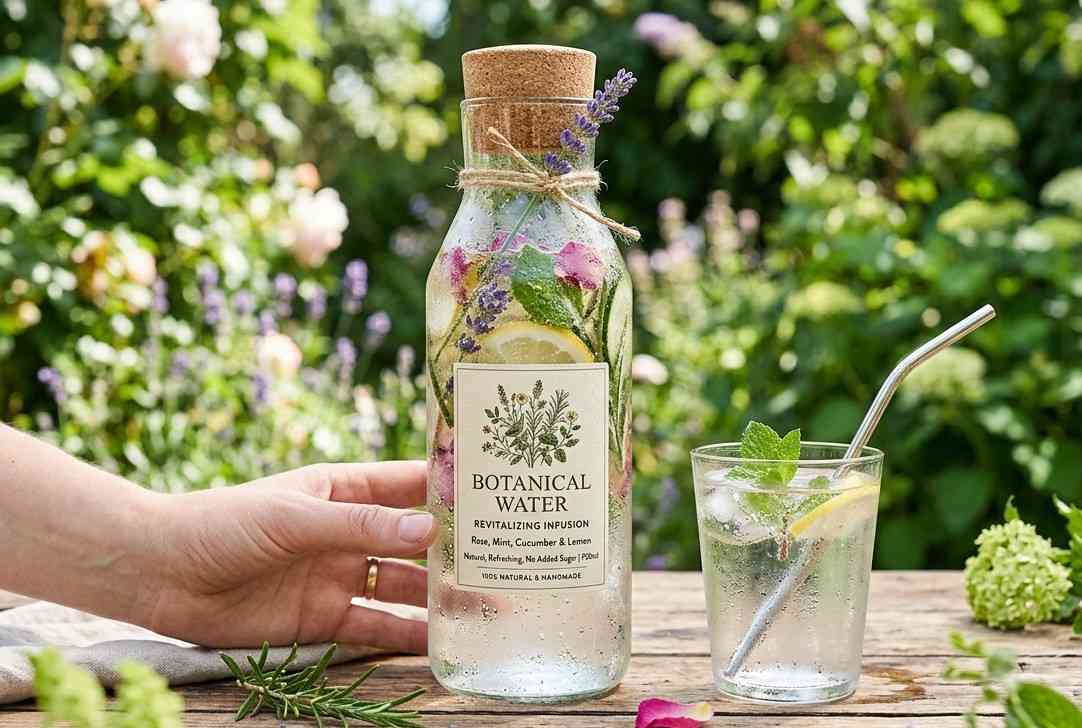
Botanical Water (widely known as floral water or hydrosol) is a refreshing beverage infused with extracts, essences, or natural compounds derived from plants such as herbs, flowers, fruits, roots, and spices. Unlike plain water, botanical water contains subtle flavors and plant-based bioactive compounds that may provide additional wellness benefits. Popular botanical ingredients include rose, lavender, mint, chamomile, hibiscus, basil, lemongrass, cucumber, and citrus peels.
As consumers seek healthier alternatives to sugary drinks, botanical water has become increasingly popular due to its pleasant taste, hydration benefits, and naturally occurring antioxidants. Whether enjoyed for relaxation, digestion, or general wellness, botanical water offers a flavorful way to increase daily fluid intake.
What is Botanical Water?
Botanical Water is water infused with natural plant ingredients such as herbs, flowers, fruits, roots, leaves, seeds, or spices. The infusion process allows water-soluble compounds, aromas, and phytonutrients from these botanicals to blend into the water, creating a lightly flavored beverage.
Unlike sugary soft drinks or artificially flavored beverages, botanical water typically contains few or no calories and relies on natural ingredients for its flavor and potential health benefits.
Common botanicals used in botanical water include:
- Rose petals
- Lavender
- Mint
- Basil
- Rosemary
- Chamomile
- Hibiscus
- Lemongrass
- Cucumber
- Ginger
- Citrus peels
- Sage
The exact nutritional composition varies depending on the ingredients used.
Nutrition Facts of Botanical Water
The nutritional content depends on the type and quantity of botanicals used. The table below represents the approximate nutrition for 1 cup (240 ml) of unsweetened botanical water.
| Nutrient | Amount |
|---|---|
| Calories | 0–10 kcal |
| Water | 235–240 ml |
| Carbohydrates | 0–2 g |
| Sugars | 0–1 g |
| Protein | 0 g |
| Fat | 0 g |
| Fiber | 0 g |
| Sodium | 0–10 mg |
| Potassium | 5–30 mg |
| Vitamin C | Trace–5% DV |
| Antioxidants | Varies |
| Polyphenols | Present in small amounts |
| Essential Oils | Trace amounts |
20 Proven Health Benefits of Botanical Water
- Supports Hydration: Botanical water helps maintain optimal hydration while offering a more enjoyable taste than plain water.
- Provides Antioxidants: Many botanical ingredients contain antioxidants that help neutralize harmful free radicals.
- May Reduce Oxidative Stress: Plant compounds may help protect cells from oxidative damage.
- Supports Heart Health: Certain herbs and flowers contain polyphenols linked to cardiovascular wellness.
- May Help Lower Inflammation: Botanical compounds such as flavonoids possess natural anti-inflammatory properties.
- Promotes Digestive Health: Herbs like mint and ginger may help soothe digestive discomfort.
- May Reduce Bloating: Some botanicals support fluid balance and digestive efficiency.
- Supports Immune Function: Plant antioxidants and phytonutrients contribute to normal immune responses.
- May Improve Mood: Aromatic botanicals such as lavender and rose may promote emotional well-being.
- Encourages Relaxation: Chamomile and lavender are traditionally used for their calming effects.
- Supports Better Sleep: Certain herbal infusions may help prepare the body for restful sleep.
- May Aid Weight Management: Botanical water can serve as a low-calorie replacement for sugary beverages.
- Supports Skin Health: Hydration combined with antioxidants may contribute to healthy-looking skin.
- May Improve Mental Focus: Some botanicals provide refreshing aromas that support alertness.
- Supports Healthy Circulation: Plant polyphenols may promote vascular function.
- May Help Maintain Blood Sugar Balance: Replacing sugary drinks with botanical water can support healthier blood sugar management.
- Supports Liver Function: Some herbs contain compounds traditionally associated with liver wellness.
- May Reduce Beverage Cravings: The natural flavor of botanical water can reduce the desire for sweetened drinks.
- Supports Healthy Aging: Antioxidants may help protect cells from age-related damage.
- Promotes Overall Wellness: Regular hydration combined with beneficial plant compounds supports general health.
10 Side Effects of Botanical Water
- Allergic Reactions: Some individuals may be sensitive to specific herbs, flowers, or plant extracts.
- Digestive Upset: Excessive consumption may cause stomach discomfort in sensitive individuals.
- Drug Interactions: Certain botanicals can interact with medications.
- Headaches: Strong herbal extracts may trigger headaches in susceptible people.
- Blood Pressure Changes: Some herbs can influence blood pressure levels.
- Blood Sugar Effects: Certain plant compounds may affect glucose regulation.
- Pregnancy Concerns: Not all botanical ingredients are considered safe during pregnancy.
- Photosensitivity: Some herbs may increase sensitivity to sunlight.
- Kidney Stress in Excess: Concentrated herbal preparations may not be suitable for people with kidney conditions.
- Overconsumption Risks: Drinking excessive amounts may lead to digestive discomfort or fluid imbalance.
How to Make Botanical Water?
Ingredients:
- 1 liter filtered water
- 1–2 tablespoons fresh herbs or edible flowers
- Optional fruit slices
- Ice cubes
Method:
- Wash all botanicals thoroughly.
- Add herbs, flowers, or fruit slices to a glass pitcher.
- Pour filtered water over the ingredients.
- Refrigerate for 2–8 hours.
- Strain if desired.
- Serve chilled.
Popular Combinations:
- Rose + Cucumber
- Lavender + Lemon
- Mint + Lime
- Hibiscus + Orange
- Basil + Strawberry
- Chamomile + Apple
- Rosemary + Grapefruit
Tips for Consuming Botanical Water
- Use fresh, food-grade botanicals whenever possible.
- Avoid adding excessive sweeteners.
- Drink throughout the day for steady hydration.
- Experiment with different herb combinations.
- Consume freshly prepared infusions.
- Store properly to preserve freshness.
- Use filtered water for better taste.
- Rotate ingredients to enjoy a variety of phytonutrients.
- Choose organic botanicals when available.
- Monitor for any allergic reactions.
Other Uses of Botanical Water
Beyond drinking, botanical water has several practical uses:
- Natural beverage base for smoothies.
- Ingredient in mocktails and cocktails.
- Flavor enhancer for herbal teas.
- Addition to fruit salads.
- Ingredient in homemade popsicles.
- Base for wellness beverages.
- Cooking liquid for grains.
- Ice cube preparation.
- Aromatic spa treatments.
- Natural facial mists when prepared hygienically.
How Much Botanical Water Can You Drink in a Day?
For most healthy adults, 1–3 liters of botanical water daily is generally considered reasonable as part of total fluid intake.
General recommendations:
- Beginners: 1–2 glasses daily.
- Regular consumers: 4–8 glasses daily.
- Active individuals: Up to several liters depending on hydration needs.
- Children: Smaller amounts appropriate for age.
- Older adults: Based on hydration requirements and medical conditions.
Consumption should be adjusted according to climate, activity level, health status, and the specific botanicals used.
Best Time to Drink Botanical Water
Morning
A refreshing botanical water can help support hydration after waking.
Before Meals
May promote fullness and support healthy eating habits.
Between Meals
Provides hydration without adding significant calories.
During Work or Study
Refreshing aromas may help maintain focus and alertness.
After Exercise
Supports fluid replacement following physical activity.
Evening
Calming herbal infusions such as chamomile or lavender may encourage relaxation.
Who Should Drink Botanical Water?
- People Seeking Better Hydration: Botanical water offers a flavorful alternative to plain water.
- Individuals Reducing Sugar Intake: It can replace high-sugar beverages.
- Health-Conscious Adults: Plant-based ingredients provide additional wellness benefits.
- Fitness Enthusiasts: Helps support hydration during active lifestyles.
- Office Workers: Encourages increased daily fluid consumption.
- Students: Provides a refreshing drink during study sessions.
- Older Adults: Can help maintain hydration levels.
- People Interested in Natural Beverages: Offers a minimally processed drink option.
- Those Looking for Variety: Adds flavor without excessive calories.
- Individuals Seeking Relaxation: Certain botanical blends may promote calmness.
Who Should Avoid Botanical Water?
- People with Plant Allergies: Certain botanicals may trigger allergic reactions.
- Individuals Taking Specific Medications: Some herbs can interact with prescription drugs.
- Pregnant Women Without Medical Guidance: Certain botanicals may not be appropriate during pregnancy.
- Breastfeeding Mothers Without Approval: Some herbal ingredients require professional guidance.
- Individuals with Severe Kidney Disease: Certain herbal compounds may not be suitable.
- People with Low Blood Pressure: Some botanicals may further reduce blood pressure.
- Those Sensitive to Herbal Extracts: Strong infusions may cause discomfort.
- Individuals with Chronic Medical Conditions: Consultation with a healthcare provider is recommended.
- Young Children Using Concentrated Infusions: Mild preparations are preferable.
- Anyone Experiencing Adverse Reactions: Consumption should be discontinued if symptoms occur.
How to Store Botanical Water?
- Refrigerate Immediately: Keep botanical water chilled after preparation.
- Use Airtight Containers: Prevent contamination and preserve aroma.
- Consume Within 24–72 Hours: Freshness declines over time.
- Keep Away from Direct Sunlight: Light may degrade plant compounds.
- Use Clean Utensils: Reduce the risk of bacterial contamination.
- Remove Delicate Herbs Early: Prevent overly strong flavors.
- Label Preparation Date: Helps track freshness.
- Discard if Odor Changes: Unusual smells may indicate spoilage.
- Store at Consistent Temperatures: Avoid repeated warming and cooling.
- Do Not Leave at Room Temperature for Long Periods: Refrigeration helps maintain safety and quality.
Precautions and Interactions
Although botanical water is generally safe for most people, several precautions should be considered:
- Always use food-safe herbs, flowers, and botanicals.
- Wash ingredients thoroughly before use.
- Avoid unknown or potentially toxic plants.
- Consult a healthcare professional if pregnant, breastfeeding, or taking medications.
- Individuals with allergies should introduce new botanicals gradually.
- Certain herbs may interact with blood thinners, diabetes medications, blood pressure drugs, and sedatives.
- Avoid highly concentrated herbal infusions unless professionally recommended.
- Monitor for symptoms such as rash, nausea, dizziness, or digestive discomfort.
- People with chronic kidney or liver conditions should seek medical advice before regular consumption.
- Use moderation and variety to minimize the risk of excessive intake of any single botanical compound.
Conclusion
Botanical Water is a refreshing, naturally flavored beverage created by infusing water with herbs, flowers, fruits, and other plant-based ingredients. It offers hydration along with small amounts of beneficial antioxidants and phytonutrients that may support overall wellness. From promoting hydration and digestion to encouraging relaxation and reducing sugary beverage consumption, Floral water can be a valuable addition to a healthy lifestyle. When prepared safely and consumed in moderation, it provides a flavorful and enjoyable way to meet daily hydration needs while exploring the benefits of nature’s botanicals.
FAQ’s
Is Botanical Water healthy?
Yes, Floral Water can be a healthy beverage because it helps with hydration and may provide antioxidants and phytonutrients from botanical ingredients.
Does Botanical Water contain calories?
Most unsweetened Floral Waters contain very few calories, typically between 0 and 10 calories per serving.
What does Botanical Water taste like?
The taste depends on the ingredients used. It can be floral, herbal, citrusy, refreshing, mildly sweet, or slightly earthy.
Is Botanical Water better than plain water?
Floral Water hydrates similarly to plain water while offering additional flavor and trace amounts of plant-based compounds, making it easier for some people to drink more water.
Can Botanical Water help with weight loss?
Floral Water may support weight management when used as a replacement for sugary drinks because it is typically low in calories and sugar.
How long does Botanical Water last?
Homemade Floral Water is best consumed within 24–72 hours when stored in the refrigerator in a sealed container.
Can I drink Botanical Water every day?
Yes, most healthy adults can enjoy Floral Water daily as part of their regular fluid intake, provided safe and edible botanicals are used.
Is Botanical Water safe during pregnancy?
Some botanical ingredients may not be suitable during pregnancy. Pregnant women should consult a healthcare professional before consuming herbal-infused waters regularly.
Can children drink Botanical Water?
Yes, children can drink mild Floral Water made from safe ingredients such as mint, cucumber, or citrus fruits, provided there are no allergies.
Does Botanical Water contain caffeine?
Most Floral Waters are naturally caffeine-free unless ingredients containing caffeine, such as tea leaves or guarana, are added.
What are the best ingredients for Botanical Water?
Popular choices include mint, basil, rosemary, lavender, chamomile, hibiscus, cucumber, lemon, lime, ginger, and rose petals.
Can Botanical Water improve digestion?
Certain ingredients such as mint, ginger, and fennel may help support digestion and reduce occasional bloating.
Is Botanical Water good for skin health?
Proper hydration supports healthy skin, and some botanical ingredients contain antioxidants that may contribute to skin wellness.
Can Botanical Water replace regular water?
Floral Water can contribute to daily hydration, but plain water should still remain an important part of a balanced fluid intake.
Does Botanical Water contain sugar?
Unsweetened Floral Water typically contains little to no sugar. Sugar content increases if sweeteners or fruit juices are added.
Can Botanical Water be served hot?
Yes, Floral Water can be enjoyed cold or warm depending on the ingredients and personal preference.
Is Botanical Water safe for people with diabetes?
Unsweetened Floral Water is generally suitable for people with diabetes, but certain herbal ingredients may affect blood sugar levels.
How long does it take for Botanical Water to work?
Floral Water supports hydration immediately, while other benefits may vary by ingredient and individual.
What does Botanical Water smell like?
It has a light floral, herbal, citrusy, or refreshing aroma depending on the botanicals used.
What is Botanical Water good for?
Floral Water helps with hydration and may support digestion, relaxation, antioxidant protection, and overall wellness.
Also Read: