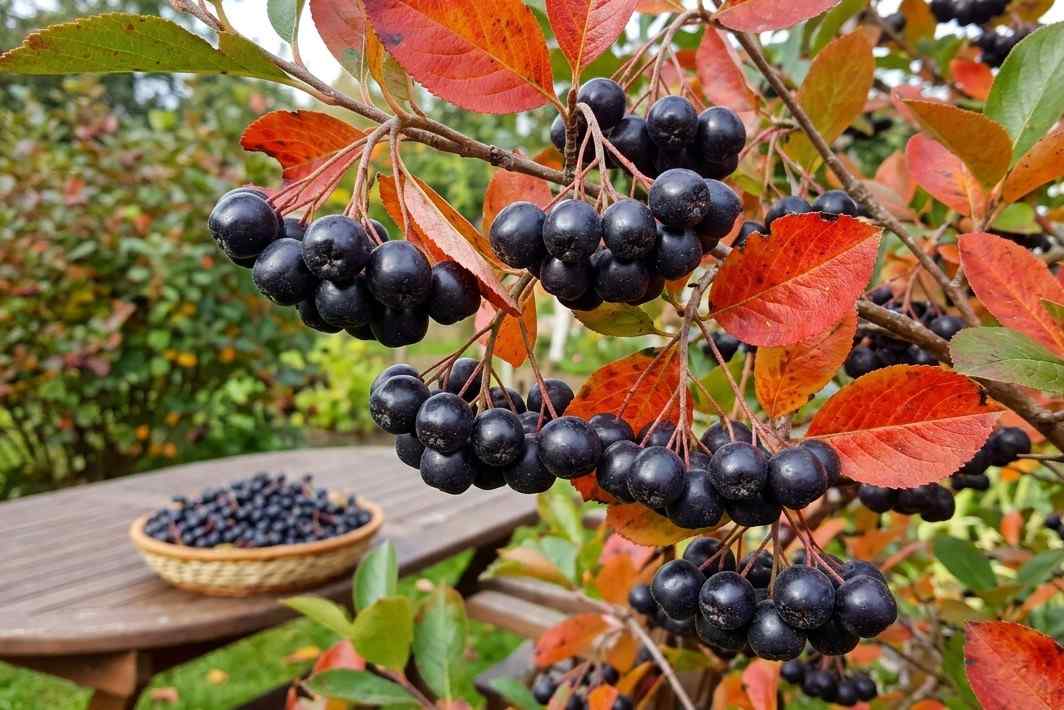
Aronia berries, also called chokeberries, are small, dark-colored berries best known for their deep purple-black color and naturally high concentration of polyphenols. They are particularly rich in anthocyanins, procyanidins, and other plant compounds that have attracted scientific interest for their antioxidant and cardiometabolic properties.
Unlike sweet berries such as strawberries or blueberries, fresh aronia berries have a distinctly tart, dry, and astringent taste. Because of this, they are often eaten in processed forms such as juice, powder, dried berries, jams, sauces, smoothies, and teas.
What Are Aronia Berries?
Aronia berries are the edible fruits of plants belonging to the Aronia genus in the rose family, Rosaceae. The species most commonly studied for nutrition and health is Aronia melanocarpa, commonly known as the black chokeberry. The plant is native to eastern North America and is now cultivated in several regions.
The berries are small and dark purple to nearly black when mature. Their strong astringency is largely responsible for the name “chokeberry,” although they are not the same fruit as true chokecherries.
One of the most notable characteristics of aronia is its polyphenol content. These compounds include anthocyanins, procyanidins, flavonoids, chlorogenic acid, and other phenolic compounds. Anthocyanins are also responsible for much of the berry’s intense dark pigmentation. Aronia can be eaten as a food, but fresh berries are often mixed with sweeter fruits or incorporated into other foods because of their intense flavor.
Nutrition Facts of Aronia Berries
Nutrition varies depending on the cultivar, growing conditions, ripeness, and processing method. Published analyses of fresh black chokeberries report approximately 50–60 calories per 100 grams, around 5–7 grams of dietary fiber, and useful amounts of vitamin C, vitamin E, vitamin K, potassium, calcium, magnesium, and iron.
| Nutrient | Approximate amount per 100 g |
|---|---|
| Calories | 50–60 kcal |
| Protein | 0.7–1.0 g |
| Total fat | 0.1–0.3 g |
| Carbohydrates | 14–15.5 g |
| Dietary fiber | 5–7 g |
| Total sugars | Varies by cultivar |
| Calcium | 28–33 mg |
| Iron | 0.4–0.9 mg |
| Magnesium | 16–17 mg |
| Phosphorus | 21–72 mg |
| Potassium | 162–218 mg |
| Vitamin C | About 14–28 mg |
| Vitamin E | About 1–2 mg |
| Vitamin K | About 20–24 mcg |
| Folate | About 20 mcg |
These values should be considered approximate rather than a universal nutrition profile because studies report substantial differences between aronia cultivars and samples.
20 Proven Health Benefits of Aronia Berries
1. Rich in Antioxidants: Aronia berries are exceptionally rich in polyphenols, particularly anthocyanins and procyanidins, which have strong antioxidant activity in experimental research.
2. Supports Cellular Protection: Antioxidant compounds in aronia may help protect cells from oxidative stress caused by reactive molecules.
3. May Support Heart Health: Research has investigated aronia for cardiovascular effects because its polyphenols may influence vascular function and oxidative stress.
4. May Support Healthy Blood Vessels: Aronia preparations may influence endothelial or blood-vessel function, although results are not yet conclusive.
5. May Support Healthy Blood Sugar: A systematic review found a reduction in blood glucose in some clinical studies, although more long-term trials are needed.
6. May Support Metabolic Health: Aronia has been investigated for its potential effects on glucose and lipid metabolism in people with cardiometabolic risk factors.
7. Provides Dietary Fiber: Fresh aronia contains dietary fiber that contributes to normal digestion and bowel regularity.
8. May Support Digestive Health: Its fiber and polyphenol content can contribute to a diet that supports normal gastrointestinal function.
9. Contains Vitamin C: Aronia provides vitamin C, an essential nutrient involved in normal immune function, collagen production, and antioxidant protection.
10. Provides Vitamin E: The berries contain vitamin E and other antioxidant compounds that contribute to normal cellular protection.
11. Provides Potassium: Aronia supplies potassium, an essential mineral involved in normal muscle, nerve, and cardiovascular function.
12. Contains Vitamin K: Fresh aronia contributes vitamin K, which is important for normal blood clotting and bone metabolism.
13. May Help Moderate Oxidative Stress: The berry’s anthocyanins and other polyphenols have demonstrated antioxidant effects in laboratory and clinical research.
14. May Support a Healthy Inflammatory Response: Experimental research suggests aronia polyphenols can influence inflammatory pathways, although this does not establish aronia as a treatment for inflammatory diseases.
15. May Support Liver Health: Experimental studies have investigated potential hepatoprotective effects of aronia compounds, but evidence in humans remains limited.
16. May Support Brain Health: Polyphenols in aronia have been studied for potential neuroprotective properties, primarily in experimental research.
17. May Support Healthy Cholesterol Levels: Some studies have observed changes in LDL cholesterol, but systematic-review findings have been inconsistent and do not establish a reliable cholesterol-lowering effect.
18. May Support Immune Function: The vitamin C and polyphenol content of aronia can contribute nutrients and compounds associated with normal immune function.
19. May Support Healthy Weight Management: Aronia is relatively low in calories and provides fiber, but clinical research has not established aronia itself as a weight-loss treatment.
20. Supplies Diverse Plant Compounds: Beyond anthocyanins, aronia provides phenolic acids, flavonoids, proanthocyanidins, and other bioactive compounds that make it a nutrient-dense fruit.
10 Side Effects of Aronia Berries
Aronia berries are generally used as a food, but eating large amounts or using concentrated extracts may cause problems in some people. Clinical studies have generally reported good tolerability, but standardized long-term safety data for concentrated supplements remain limited.
1. Digestive Discomfort: Eating a large quantity may cause stomach discomfort, particularly because the berries contain fiber and naturally occurring compounds that can be astringent.
2. Diarrhea: A sudden increase in berries or concentrated juice may cause loose stools in sensitive individuals.
3. Constipation: The astringent nature and fiber content may contribute to constipation in some people, particularly when fluid intake is low.
4. Nausea: Strong-tasting aronia products may cause nausea in sensitive individuals, especially when consumed in concentrated forms.
5. Stomach Irritation: Highly concentrated juice or extracts may be uncomfortable for people with sensitive stomachs.
6. Low Blood Sugar Risk: People taking glucose-lowering medication should monitor their blood sugar because aronia has been investigated for effects on glucose metabolism.
7. Possible Blood Pressure Effects: People taking blood-pressure medication should use concentrated aronia products cautiously because aronia has been studied for vascular and blood-pressure effects.
8. Astringent Mouthfeel: Fresh berries can leave a dry, puckering sensation in the mouth because of their high polyphenol and tannin-related astringency.
9. Product-Specific Reactions: Added sugar, preservatives, or other ingredients in commercial aronia products may cause reactions unrelated to the berries themselves.
10. Supplement-Related Concerns: Concentrated aronia extracts are different from ordinary servings of fruit, and their long-term safety and standardized dosing have not been firmly established.
How to Eat Aronia Berries?
Fresh aronia berries can be washed and eaten, but many people find their natural taste too tart or astringent to enjoy by themselves.
You can try them in:
- Smoothies with banana, apple, mango, or other sweet fruits.
- Yogurt or overnight oats.
- Homemade jams and preserves.
- Baked oatmeal, muffins, and other baked foods.
- Fruit sauces.
- Homemade aronia juice diluted with water.
- Dried aronia berries as a snack.
- Aronia powder mixed into smoothies or yogurt.
- Homemade tea or fruit infusions.
- Salads containing sweeter fruits.
If you are trying aronia for the first time, start with a small serving and see how your digestive system responds.
Tips for Consuming Aronia Berries
- Start Small: Begin with a modest serving because fresh aronia has a strong astringent flavor.
- Pair With Sweet Fruits: Combining aronia with banana, apple, pear, or berries can make its flavor more pleasant.
- Choose Unsweetened Products: If buying juice or dried berries, check the label for added sugar.
- Use Whole Fruit When Possible: Whole berries provide fiber that may be reduced in filtered juice.
- Do Not Assume More Is Better: Large amounts or concentrated extracts have not been established as more beneficial.
- Check the Product: Powder, juice, extract, and fresh berries can have very different concentrations of active compounds.
- Drink Enough Water: Adequate fluid intake is especially helpful when increasing dietary fiber.
- Rotate Your Fruit Choices: Aronia can be part of a varied diet rather than replacing other fruits.
Other Uses of Aronia Berries
1. Aronia Juice: The berries can be pressed into juice, which is often diluted or combined with other fruit juices because of the strong flavor.
2. Smoothies: Fresh, frozen, or powdered aronia can add a deep color and polyphenols to smoothies.
3. Jams and Preserves: Aronia can be cooked with other fruits and sweeteners to make jams, jellies, and spreads.
4. Sauces: Cooked aronia can be incorporated into sauces for desserts or savory dishes.
5. Dried Fruit: Dried aronia berries can be added to oatmeal, cereals, trail mixes, or baked foods.
6. Aronia Powder: Dried berries can be processed into powder for use in smoothies, yogurt, and recipes.
7. Tea and Infusions: Dried berries may be used in fruit-based herbal infusions.
8. Natural Food Coloring: Aronia’s intense anthocyanin pigments have potential as natural food-coloring ingredients.
9. Functional Foods: Aronia polyphenols are being investigated for incorporation into functional foods and nutraceutical products.
10. Food Preservation Research: Aronia-derived compounds are being studied for potential antioxidant applications in food preservation.
How Many Aronia Berries Can You Eat in a Day?
There is no universally established daily serving or therapeutic dose for fresh aronia berries. Human studies have used different preparations, including whole fruit, juice, powder, and extracts, making it difficult to translate research doses into one standard daily amount.
As a practical food serving, about ¼ to ½ cup of fresh or frozen aronia berries can be a reasonable starting amount for most healthy adults. Those who tolerate them well can include them as part of a varied fruit intake.
Concentrated extracts should not be treated as equivalent to fresh fruit.
Best Time to Eat Aronia Berries
There is no scientifically established “best time” to eat aronia berries.
You can include them:
- With breakfast and yogurt.
- In a morning smoothie.
- As part of an afternoon snack.
- With oatmeal or cereal.
- Alongside lunch.
- In a fruit-based dessert.
If aronia causes stomach discomfort when eaten alone, having it with a meal may be more comfortable.
Who Should Eat Aronia Berries?
Aronia berries can be included in a balanced diet for many healthy adults.
1. Healthy Adults: Adults who enjoy tart fruits can include aronia as part of a varied, fruit-rich diet.
2. People Seeking More Polyphenols: Those looking to increase dietary sources of anthocyanins and other polyphenols may consider aronia.
3. People Looking for Fiber-Rich Fruits: Fresh aronia can contribute dietary fiber to daily meals.
4. People Interested in Antioxidant-Rich Foods: Aronia is particularly rich in antioxidant polyphenols compared with many commonly consumed fruits.
5. People Who Enjoy Smoothies: Aronia powder or frozen berries can easily be incorporated into smoothies.
6. People Wanting Fruit Variety: Aronia provides a different combination of flavor and plant compounds than common berries.
Who Should Not Eat Aronia Berries?
Most people can consume aronia as food, but certain groups should use extra caution.
1. People With Fruit Allergies: Anyone with a known allergy to aronia or a related ingredient should avoid it.
2. People With Sensitive Digestion: Individuals who experience digestive symptoms after eating tart or high-fiber fruits may need smaller portions.
3. People Taking Diabetes Medication: Those using glucose-lowering medicines should discuss regular consumption of concentrated aronia products with their healthcare professional.
4. People Taking Blood Pressure Medication: Anyone using antihypertensive medicines should seek professional advice before using concentrated aronia extracts.
5. People Taking Multiple Medicines: Concentrated supplements may behave differently from ordinary food, so medication users should check with a pharmacist or doctor.
6. Pregnant or Breastfeeding Women: Normal food portions may be reasonable, but safety data for concentrated aronia extracts during pregnancy and breastfeeding are limited.
7. Young Children: Small amounts of whole fruit may be appropriate depending on age and development, but concentrated supplements should not be given without professional guidance.
8. People With Chronic Medical Conditions: Those managing diabetes, cardiovascular disease, kidney disease, or other chronic conditions should discuss concentrated products with their healthcare professional.
How to Store Aronia Berries?
1. Fresh Berries: Keep fresh aronia refrigerated and use them relatively quickly for the best quality.
2. Wash Before Eating: Wash berries under clean running water shortly before consumption rather than storing them wet.
3. Freeze for Longer Storage: Fresh aronia berries can be frozen in a suitable airtight container or freezer bag.
4. Dried Berries: Store dried aronia in a cool, dry, dark place in a tightly sealed container.
5. Powder: Keep aronia powder sealed and protected from heat, moisture, and direct sunlight.
6. Juice: Refrigerate opened aronia juice according to the manufacturer’s instructions.
7. Check for Spoilage: Discard berries showing mold, unusual fermentation, strong off-odors, or significant deterioration.
8. Prevent Moisture Exposure: Moisture can encourage mold growth and reduce the quality of dried aronia products.
Precautions and Interactions
1. Medication Interactions: If you regularly take prescription medicines, ask a healthcare professional before using concentrated aronia supplements.
2. Diabetes Medicines: Because research has investigated potential glucose-lowering effects, people taking diabetes medication should monitor glucose appropriately.
3. Blood Pressure Medicines: People taking antihypertensive drugs should use concentrated aronia extracts cautiously because vascular effects have been investigated.
4. Anticoagulant or Antiplatelet Medicines: People using blood-thinning medicines should consult their healthcare professional before taking concentrated botanical extracts.
5. Surgery: Tell your healthcare team about aronia supplements or extracts before a planned procedure.
6. Pregnancy: Food amounts are different from concentrated extracts, and there is not enough evidence to establish the safety of medicinal-dose aronia supplements during pregnancy.
7. Breastfeeding: Consult a healthcare professional before using concentrated aronia supplements while breastfeeding.
8. Extract Versus Food: Do not assume that a concentrated aronia extract has the same safety profile as eating the fruit.
9. Product Quality: Choose reputable products with clear ingredient lists and standardized manufacturing information.
10. Medical Treatment: Aronia should not be used as a substitute for prescribed treatment for diabetes, hypertension, high cholesterol, or other medical conditions.
FAQ’s
What are aronia berries good for?
Aronia berries provide fiber, vitamin C, potassium, and polyphenols such as anthocyanins that may support overall antioxidant and cardiometabolic health.
Can you eat aronia berries raw?
Yes, ripe aronia berries can be eaten raw, although their naturally tart and astringent flavor makes them more enjoyable when mixed with sweeter fruits or added to smoothies and yogurt.
Do aronia berries help lower blood pressure?
Some clinical research has investigated aronia for blood-pressure and vascular effects, but evidence is not strong enough to consider it a treatment for hypertension.
Are aronia berries good for cholesterol?
Aronia has been studied for its possible effects on cholesterol and lipid levels, but human research has produced mixed results and does not establish it as a cholesterol-lowering treatment.
Are aronia berries good for the liver?
Experimental research suggests that aronia polyphenols may have protective effects on liver cells, but more human research is needed to determine whether eating aronia provides meaningful liver benefits.
Are aronia berries good for the kidneys?
Aronia provides nutrients and polyphenols, but there is insufficient evidence to claim that it treats or prevents kidney disease.
Are aronia berries good for diabetes?
Aronia has been studied for its potential effects on blood glucose and metabolic health, but people with diabetes should not use it as a replacement for prescribed treatment.
Can aronia berries help with inflammation?
Aronia polyphenols have demonstrated anti-inflammatory activity in laboratory and experimental studies, but human evidence is still developing.
Are aronia berries high in sugar?
Whole aronia berries are not considered a particularly high-sugar fruit, but the sugar content can vary depending on the cultivar and whether the product is fresh, dried, or processed.
Do aronia berries contain vitamin C?
Yes, fresh aronia berries contain vitamin C, although the exact amount varies depending on variety, growing conditions, ripeness, and storage.
Can you eat aronia berries during pregnancy?
Aronia berries consumed as a normal food are different from concentrated extracts, but there is limited research on medicinal-dose aronia supplements during pregnancy, so pregnant women should consult their healthcare professional before using them.
Can children eat aronia berries?
Children can potentially consume aronia as part of a varied diet when age-appropriate, but the berries’ strong flavor may make them more suitable when mixed with other foods.
Can aronia berries be dried?
Yes, aronia berries can be dried and used in oatmeal, cereal, trail mixes, baked foods, and other recipes.
Can you freeze aronia berries?
Yes, fresh aronia berries can be frozen in airtight freezer-safe packaging for longer storage.
What is the difference between black chokeberry and aronia berry?
Black chokeberry is a common name for the species Aronia melanocarpa, while aronia berry is a broader common term used for fruits from the Aronia genus.
Why are aronia berries called chokeberries?
They are called chokeberries because their strong astringency can create a dry, puckering sensation in the mouth when eaten fresh.
Are aronia berries a superfood?
Aronia berries are nutrient-dense and particularly rich in polyphenols, but the term “superfood” has no standardized scientific definition and should not imply that aronia can prevent or cure disease.
Can I Eat Aronia Berries Every Day?
Yes, most healthy adults can eat a moderate serving of aronia berries daily as part of a balanced diet, although there is no officially established therapeutic daily amount.
What Does Aronia Berries Taste Like?
Aronia berries have a naturally tart, slightly bitter, and strongly astringent taste that can leave a dry or puckering sensation in the mouth.
Are Aronia Berries Healthier Than Blueberries?
Both are nutritious fruits, but aronia berries are particularly rich in certain polyphenols and anthocyanins, while blueberries provide their own combination of vitamins, minerals, fiber, and beneficial plant compounds.
Where Can I Buy Aronia Berries?
Aronia berries can be found at some farmers’ markets, specialty grocery stores, health-food retailers, plant nurseries, and online stores, particularly as frozen berries, dried berries, juice, or powder.
Sources / References:
Disclaimer:
This guide is for general educational purposes only and is not a substitute for professional medical advice, diagnosis, or treatment. If you have a medical condition or take medication, consult a qualified healthcare professional before using concentrated aronia supplements.
Also Read: