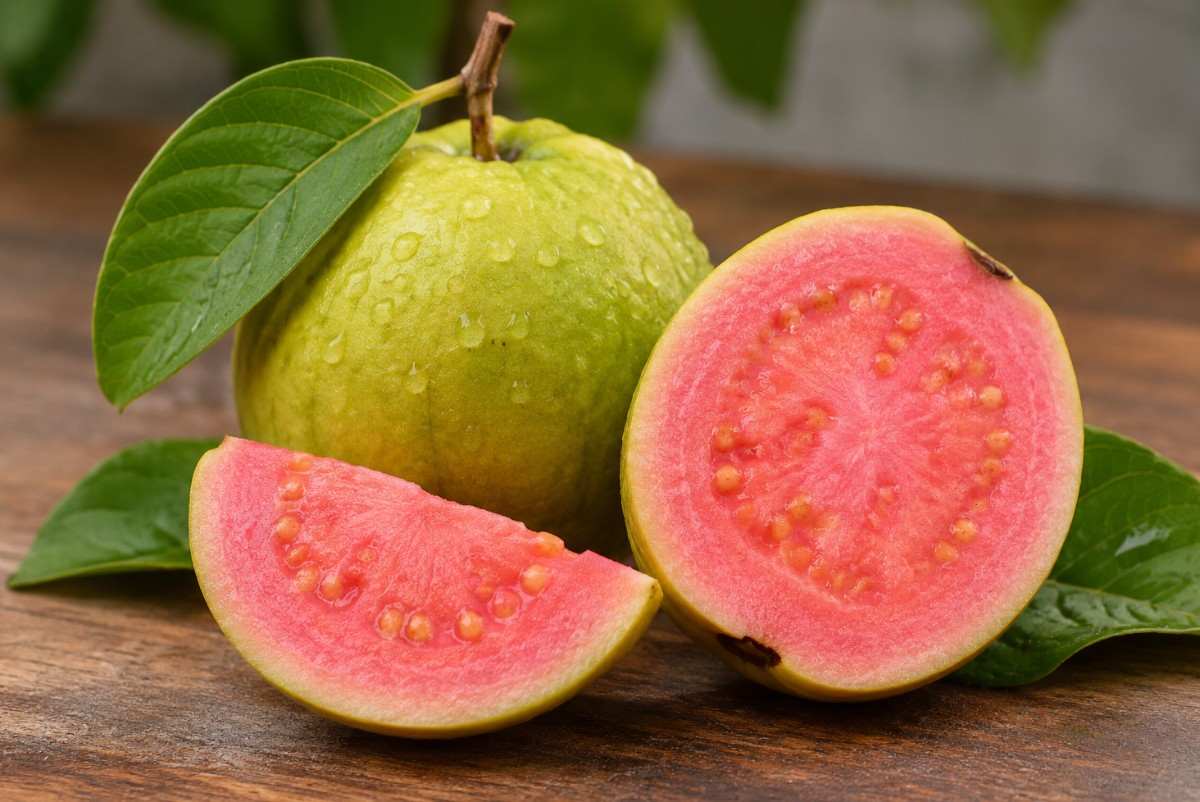
Pink guava is a delicious tropical fruit known for its naturally sweet flavour, soft pink flesh, pleasant aroma, and impressive nutritional value. It is packed with vitamin C, dietary fibre, antioxidants, potassium, and other essential nutrients that support overall health.
From supporting digestion and immune function to promoting healthy skin and providing antioxidant protection, pink guava can be a nutritious addition to a balanced diet. Its versatility also makes it easy to enjoy as a fresh snack, smoothie, fruit salad, juice, or homemade dessert.
In this guide, we explore what pink guava is, its nutrition facts, 20 potential health benefits, possible side effects, recommended daily intake, and the best ways to enjoy and store this tropical fruit.
What Is Pink Guava?
Pink guava is a tropical fruit that belongs to the myrtle family (Myrtaceae) and comes from the guava tree, scientifically known as Psidium guajava. It is widely cultivated in tropical and subtropical regions, including India, Brazil, Mexico, Thailand, and other warm-climate countries.
Unlike white guava, which has pale white or cream-coloured flesh, pink guava has attractive pink, salmon, or reddish flesh depending on the variety and ripeness.
Its flavour is generally sweet with a mild tanginess, making it popular for fresh eating, juices, smoothies, jams, jellies, and desserts.
Pink guava is particularly valued for its vitamin C content, dietary fibre, and natural plant compounds such as carotenoids and polyphenols. These nutrients and compounds help make it a beneficial addition to a balanced eating pattern.
Key Characteristics of Pink Guava:
- Scientific Name: Psidium guajava.
- Family: Myrtaceae.
- Colour: Green or yellowish-green skin with pink or reddish flesh.
- Taste: Sweet, mildly tangy, and aromatic.
- Texture: Soft, juicy, and slightly grainy.
- Edible Parts: Flesh and small seeds.
- Common Uses: Fresh fruit, smoothies, juices, jams, jellies, and desserts.
Nutrition Facts of Pink Guava
The following is an approximate nutrition values per 100 grams of raw common guava. Actual values can vary depending on the variety, growing conditions, and ripeness.
| Nutrient | Amount per 100 g |
|---|---|
| Calories | 68 kcal |
| Water | 80.80 g |
| Carbohydrates | 14.32 g |
| Dietary Fibre | 5.4 g |
| Natural Sugars | 8.92 g |
| Protein | 2.55 g |
| Total Fat | 0.95 g |
| Vitamin C | 228.3 mg |
| Vitamin A | 31 mcg |
| Vitamin E | 0.73 mg |
| Vitamin B1 (Thiamine) | 0.067 mg |
| Vitamin B2 (Riboflavin) | 0.040 mg |
| Vitamin B3 (Niacin) | 1.084 mg |
| Vitamin B6 | 0.110 mg |
| Folate | 49 mcg |
| Potassium | 417 mg |
| Calcium | 18 mg |
| Magnesium | 22 mg |
| Phosphorus | 40 mg |
| Iron | 0.26 mg |
| Zinc | 0.23 mg |
Source: USDA National Nutrient Database, pink-fleshed guava entry. Values are approximate and may differ between varieties. Growables
20 Proven Health Benefits of Pink Guava
Here are 20 potential health benefits of eating pink guava.
1. Supports Immune Function: Pink guava is rich in vitamin C, which supports the normal functioning of the immune system and helps the body protect itself against infections.
2. Promotes Healthy Digestion: Its dietary fibre helps support regular bowel movements and contributes to a healthy digestive system.
3. Supports Heart Health: Pink guava provides potassium and fibre, nutrients that can contribute to healthy blood pressure and cholesterol levels as part of a balanced diet.
4. Provides Antioxidant Protection: Its vitamin C and natural plant compounds help protect cells against oxidative stress caused by free radicals.
5. Supports Healthy Skin: Vitamin C contributes to collagen production, which helps maintain skin structure, firmness, and normal wound healing.
6. Supports Eye Health: Pink guava contains carotenoids and vitamin A-related compounds that contribute to normal vision and eye health.
7. Helps Maintain Healthy Blood Pressure: Its potassium content supports normal blood pressure regulation by helping balance the effects of sodium.
8. Supports Weight Management: Pink guava is relatively low in calories and provides fibre, which can help you feel satisfied after eating.
9. Supports Healthy Blood Sugar Management: Its fibre may help slow carbohydrate absorption, making whole guava a useful fruit choice when included in a balanced diet.
10. Contributes to Red Blood Cell Formation: Pink guava provides folate, which is essential for normal cell division and red blood cell production.
11. Supports Brain Function: Folate and other B vitamins contribute to normal nervous system function and several important metabolic processes.
12. Promotes Healthy Bones: Pink guava contains small amounts of calcium, magnesium, and phosphorus, minerals that contribute to maintaining normal bones.
13. Supports Wound Healing: Vitamin C plays an important role in collagen formation and normal tissue repair.
14. Helps Maintain Hydration: Pink guava contains approximately 81% water, which contributes to daily fluid intake.
15. Supports Gut Microbiome Health: Its dietary fibre can be fermented by beneficial gut bacteria, helping support a balanced intestinal environment.
16. Supports Healthy Hair: Vitamin C helps the body produce collagen, while its antioxidant properties contribute to protecting cells from oxidative stress.
17. Contributes to Iron Absorption: Vitamin C improves the absorption of non-heme iron from plant-based foods when consumed together.
18. Supports Healthy Metabolism: Pink guava contains B vitamins that help the body convert food into energy and support normal metabolic processes.
19. May Support Healthy Cholesterol Levels: Guava fibre and plant compounds have shown promising effects in research, although more human studies are needed to establish the benefits of eating pink guava specifically.
20. Supports Overall Nutritional Health: Its combination of vitamins, minerals, fibre, water, and plant compounds makes pink guava a nutritious option for everyday meals.
10 Side Effects of Pink Guava
Pink guava is generally safe for most healthy people when eaten in normal food portions. However, excessive consumption or individual sensitivities may cause some unwanted effects. Here are 10 possible side effects to know about.
1. Bloating and Gas: Eating large quantities of pink guava may cause bloating and gas because its fibre can be difficult to tolerate when consumed in excess.
2. Stomach Discomfort: Some people may experience abdominal discomfort, cramping, or a feeling of fullness after eating too much guava.
3. Diarrhoea: A sudden increase in dietary fibre may cause loose stools or diarrhoea, particularly in people who are not accustomed to high-fibre foods.
4. Constipation: Eating guava without drinking enough water, particularly when increasing fibre intake suddenly, may worsen constipation in some individuals.
5. Allergic Reactions: Although uncommon, some people may experience itching, rashes, swelling, or other allergic symptoms after consuming guava.
6. Blood Sugar Considerations: Pink guava contains natural carbohydrates and sugars, so people managing diabetes should consider portion size and their overall carbohydrate intake.
7. Digestive Sensitivity: People with irritable bowel syndrome (IBS) or sensitive digestive systems may experience discomfort depending on their tolerance and serving size.
8. Excessive Calorie Intake: Eating large amounts of guava alongside other foods can increase overall calorie intake, even though the fruit itself is relatively low in calories.
9. Dental Discomfort: Eating large amounts of fruit or drinking sweetened guava juice frequently may expose teeth to sugars and contribute to dental problems if oral hygiene is poor.
10. Food Contamination: Unwashed guava may carry dirt, pesticide residues, or harmful microorganisms on its surface, potentially causing foodborne illness.
How to Eat Pink Guava?
Pink guava is easy to incorporate into your everyday diet. You can enjoy it fresh or combine it with other nutritious ingredients.
Here are some simple ways to eat pink guava:
- Eat It Fresh: Wash the fruit thoroughly, cut it into slices, and enjoy its naturally sweet and tangy flavour.
- Make Pink Guava Smoothies: Blend pink guava with milk, yoghurt, or other fruits for a refreshing smoothie.
- Prepare Fresh Juice: Blend the fruit with water and strain if desired, preferably without adding sugar.
- Add to Fruit Salads: Combine pink guava with apples, papaya, oranges, bananas, and other seasonal fruits.
- Make Homemade Jam: Cook pink guava pulp with a suitable amount of sugar and lemon juice to prepare homemade jam.
- Prepare Guava Chutney: Mix chopped guava with coriander, mint, lemon juice, and mild spices for a flavourful chutney.
- Add to Yoghurt: Mix small pieces of pink guava into plain yoghurt for a nutritious snack.
- Use in Desserts: Add pink guava pulp to puddings, homemade ice creams, and fruit-based desserts.
Tips for Consuming Pink Guava
A few simple practices can help you enjoy pink guava while getting the most nutritional value from it.
- Choose Ripe Fruits: Select guavas that have a pleasant aroma and yield slightly when gently pressed.
- Wash Before Eating: Clean the outer skin under running water to remove dirt and surface contaminants.
- Prefer Whole Fruit: Eating fresh guava provides dietary fibre that may be reduced when the fruit is juiced and strained.
- Avoid Excess Added Sugar: Enjoy its natural sweetness instead of adding unnecessary sugar to juices and smoothies.
- Eat Slowly: Chewing the fruit properly may make it easier to digest.
- Combine with Other Foods: Pair guava with nuts, seeds, or plain yoghurt for a more balanced snack.
- Start with Small Portions: If you are not accustomed to high-fibre foods, gradually increase your intake.
- Choose Fresh Fruit: Avoid guavas with mould, damaged skin, or unpleasant smells.
Other Uses of Pink Guava
Besides being eaten fresh, pink guava has several culinary and food-related uses.
- Juice Preparation: Pink guava pulp is commonly used to prepare refreshing juices and fruit beverages.
- Jam and Jelly Making: Its naturally flavoured pulp is used in homemade jams, jellies, and fruit spreads.
- Smoothie Ingredient: Pink guava adds natural sweetness, colour, and flavour to smoothies.
- Dessert Preparation: Its pulp can be used in ice creams, puddings, cakes, and fruit-based desserts.
- Chutney Preparation: Pink guava can be combined with herbs, spices, and lemon juice to prepare sweet or tangy chutneys.
- Fruit Puree: Cooked or blended guava pulp can be used as a puree for desserts and sauces.
- Food Flavouring: Guava pulp and extracts are used in various food products to provide a distinctive tropical flavour.
- Fruit Preserves: Pink guava can be cooked and preserved in the form of sweet fruit preparations.
How Much Pink Guava Can You Eat in a Day?
For most healthy adults, approximately one medium-sized pink guava or 100–150 grams of edible fruit per day is a reasonable serving.
This amount can provide dietary fibre, vitamin C, potassium, and other nutrients without requiring a large portion.
However, your ideal intake depends on your overall diet, digestive tolerance, activity level, and health conditions. Consider these general serving suggestions:
- Adults: Around 100–150 grams daily.
- Children: A smaller age-appropriate portion, cut into manageable pieces.
- People with Diabetes: Include guava in the daily carbohydrate plan and monitor individual blood glucose responses.
- People with Sensitive Digestion: Start with a smaller serving and increase gradually if tolerated.
Best Time to Eat Pink Guava
Pink guava can be enjoyed at different times of the day. There is no strong scientific evidence that eating it at one particular time provides greater health benefits.
Here are some convenient times to include it in your diet:
- Morning: Enjoy pink guava with breakfast for fibre and vitamin C.
- Mid-Morning: Eat it as a refreshing snack between breakfast and lunch.
- Afternoon: Include it as a nutritious alternative to processed snacks.
- Before Physical Activity: A small serving can provide carbohydrates for energy.
- After Meals: You can enjoy a small portion as a naturally sweet dessert if it suits your digestion.
Best Recommendation: Mid-morning or afternoon is a convenient time to enjoy pink guava, but overall dietary quality and portion size matter more than timing.
Who Should Eat Pink Guava?
The following groups may particularly benefit from including it in their meals:
- People Looking for Vitamin C: Individuals who want to increase their intake of vitamin C can include pink guava as part of a balanced diet.
- People Seeking Better Digestion: Its dietary fibre may help support regular bowel movements and digestive health.
- People Following a Weight Management Diet: Its relatively low calorie content and fibre make it a satisfying fruit option.
- People Interested in Heart-Healthy Eating: Its potassium and fibre contribute to a heart-healthy dietary pattern.
- People Following Plant-Based Diets: Pink guava provides vitamin C and folate, along with several other nutrients.
- People Looking to Increase Fruit Intake: It is an easy way to add variety and nutritional value to everyday meals.
- People Seeking Antioxidant-Rich Foods: Its vitamin C and natural plant compounds contribute antioxidant activity.
- People Interested in Healthy Skin: Its vitamin C supports normal collagen production and skin maintenance.
Who Should Not Eat Pink Guava?
Although pink guava is generally safe, certain people may need to limit their intake or seek individual dietary advice.
- People with Guava Allergies: Anyone with a known allergy to guava should avoid consuming it.
- People with Sensitive Digestion: Individuals who experience bloating or abdominal discomfort after eating guava should reduce their portion or avoid it if symptoms persist.
- People with IBS: Those with irritable bowel syndrome should assess their individual tolerance because the fibre content may trigger symptoms in some people.
- People with Advanced Kidney Disease: Individuals following potassium restrictions may need to limit guava according to their prescribed dietary plan.
- People with Diarrhoea: Those experiencing active diarrhoea may find high-fibre foods uncomfortable and should adjust their intake according to medical advice.
- People with Swallowing Difficulties: Individuals with swallowing problems should avoid hard pieces and follow their recommended food texture guidelines.
- People on Medically Restricted Diets: Anyone following a specific therapeutic diet should check whether guava fits their nutritional requirements.
Important: Pregnancy and breastfeeding are not reasons to routinely avoid fresh, properly washed pink guava. Normal food portions can generally be enjoyed unless an individual has an allergy or specific medical dietary restriction.
How to Store Pink Guava?
Proper storage helps maintain the freshness, flavour, and quality of pink guava.
- Store Unripe Guavas at Room Temperature: Keep unripe pink guavas in a clean, dry place until they become slightly soft and fragrant.
- Refrigerate Ripe Guavas: Place ripe guavas in the refrigerator to slow down further ripening.
- Use an Airtight Container: Store cut guava pieces in a clean, airtight food container to protect them from odours and contamination.
- Keep Cut Guava Refrigerated: Refrigerate sliced fruit promptly rather than leaving it at room temperature for extended periods.
- Avoid Excess Moisture: Make sure whole fruits are dry before storing them to reduce the risk of spoilage.
- Keep Away from Damaged Fruits: Remove mouldy or spoiled guavas so they do not affect other stored fruits.
- Freeze for Longer Storage: Peel and cut the fruit if desired, place it in a freezer-safe container, and freeze it for later use in smoothies and cooking.
- Check Before Eating: Discard guavas that develop mould, an unusual smell, or signs of spoilage.
Precautions and Interactions
Pink guava is a nutritious fruit, but a few precautions can help you consume it safely.
- Wash Thoroughly: Always wash the fruit under clean running water before cutting or eating it.
- Check for Allergies: Avoid guava if you have experienced an allergic reaction to it.
- Control Portion Sizes: Eating excessive amounts may cause digestive discomfort due to its fibre content.
- Monitor Blood Sugar: People with diabetes should account for the carbohydrates in guava and avoid relying on it as a substitute for prescribed treatment.
- Consider Kidney Health: People with kidney disease and potassium restrictions should follow their healthcare professional’s dietary recommendations.
- Be Careful with Supplements: Guava fruit is different from concentrated guava leaf extracts and supplements, which may have different effects and safety considerations.
- Do Not Replace Medication: Pink guava should not replace medicines prescribed for diabetes, high blood pressure, or other medical conditions.
- Avoid Excessively Sweetened Preparations: Commercial guava juices and desserts may contain added sugar, which can increase overall sugar intake.
- Seek Advice During Special Diets: Consult a healthcare professional if you are pregnant, breastfeeding, or managing a medical condition that requires dietary restrictions.
- Maintain Food Hygiene: Use clean knives, chopping boards, and storage containers when preparing fresh guava.
FAQ’s
What is pink guava good for?
Pink guava supports digestion, immune function, skin health, and overall nutrition because it contains vitamin C, fibre, potassium, and antioxidants.
Is pink guava good for weight loss?
Yes, pink guava is relatively low in calories and rich in dietary fibre, which helps promote fullness and supports weight management.
Can I eat pink guava every day?
Yes, most healthy people can enjoy one medium-sized pink guava daily as part of a balanced diet.
Is pink guava better than white guava?
Both are nutritious, but pink guava contains carotenoid pigments that give its flesh the characteristic pink colour.
Is pink guava rich in vitamin C?
Yes, guava is an excellent source of vitamin C, which supports immune function, collagen production, and iron absorption.
Can diabetics eat pink guava?
Yes, people with diabetes can generally enjoy moderate portions of whole pink guava while monitoring their carbohydrate intake and blood sugar levels.
Is pink guava good for pregnant women?
Yes, properly washed pink guava can be included in a pregnancy diet because it provides vitamin C, folate, and dietary fibre.
Can I eat pink guava at night?
Yes, you can eat pink guava at night if it suits your digestion. There is no scientific evidence that nighttime consumption is harmful.
Are pink guava seeds edible?
Yes, pink guava seeds are generally edible and can be consumed along with the fruit.
Does pink guava improve skin health?
Pink guava contains vitamin C, which supports collagen production and helps maintain healthy skin.
Does pink guava help with constipation?
Yes, its dietary fibre can help support regular bowel movements and improve digestive health when consumed with adequate fluids.
Is pink guava good for hair growth?
Its vitamin C supports collagen production and helps the body absorb iron, both of which contribute to normal hair health.
What is the difference between pink and white guava?
The main difference is their flesh colour. Pink guava contains pink-coloured plant pigments, while white guava has pale flesh. Their flavour and nutritional composition can also vary by variety.
Can pink guava cause gas?
Yes, eating large quantities may cause gas, bloating, or digestive discomfort in people sensitive to dietary fibre.
Is Pink Guava Safe for Children?
Yes, pink guava is generally safe for children when properly washed and served in small, age-appropriate pieces. Remove hard seeds if necessary and supervise young children while eating.
What Does Pink Guava Taste Like?
Pink guava has a sweet, juicy, and mildly tangy flavour with a pleasant tropical aroma. Its taste is often compared to a combination of pear and strawberry.
Is Pink Guava High in Sugar?
Pink guava contains natural sugars, approximately 8.9 grams per 100 grams. However, it is also rich in dietary fibre, making whole pink guava a nutritious fruit choice.
Does pink guava increase blood sugar?
Pink guava contains natural carbohydrates and sugars. Its fibre may slow digestion, but portion size still matters for people with diabetes.
Sources / References:
Disclaimer:
This article is for educational purposes only and should not replace professional medical advice, diagnosis, or treatment. Consult a qualified healthcare professional for individual dietary recommendations.
Also Read: