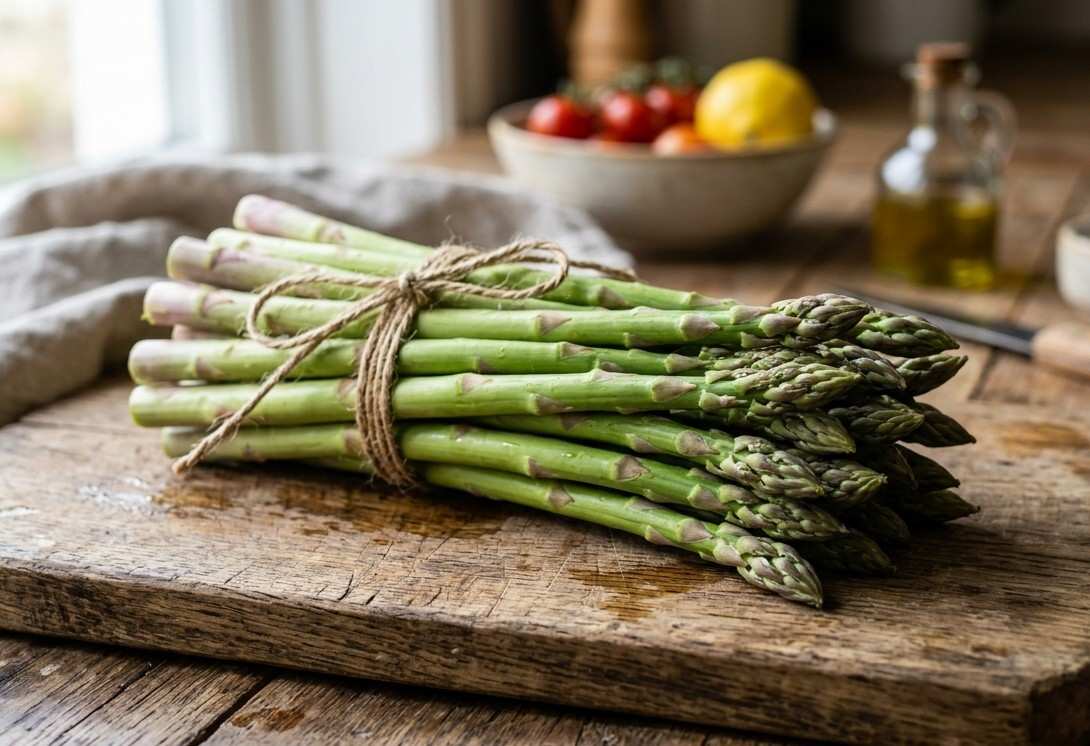
Asparagus is one of the healthiest green vegetables you can add to your diet. Known for its tender stalks, mild earthy flavor, and impressive nutritional profile, asparagus has been enjoyed for centuries in cuisines around the world. It is low in calories yet packed with vitamins, minerals, antioxidants, and fiber that support overall wellness.
Whether steamed, grilled, roasted, or added to soups and salads, asparagus is a versatile vegetable that fits into many healthy eating plans. Along with its delicious taste, asparagus may help support digestion, heart health, immunity, weight management, and more.
In this guide, you’ll learn everything about asparagus, including its nutrition facts, science-backed health benefits, side effects, best ways to eat it, storage tips, precautions, and daily intake recommendations.
What is Asparagus?
Asparagus is a nutrient-rich flowering plant vegetable belonging to the lily family. Its scientific name is Asparagus officinalis. The edible part is the young green spear or stalk that grows from the ground during the spring season.
Asparagus comes in several varieties, including green, white, and purple asparagus. Green asparagus is the most commonly consumed type worldwide. The vegetable is valued for its tender texture, unique flavor, and numerous health-promoting compounds such as folate, vitamin K, antioxidants, and dietary fiber.
People commonly cook asparagus by steaming, roasting, grilling, sautéing, or boiling it. It is widely used in salads, pasta dishes, stir-fries, soups, and healthy side dishes.
Nutrition Facts of Asparagus
Below is the approximate nutrition found in 100 grams of cooked asparagus.
| Nutrient | Amount |
|---|---|
| Calories | 20 kcal |
| Protein | 2.2 g |
| Carbohydrates | 3.9 g |
| Fiber | 2.1 g |
| Sugar | 1.9 g |
| Fat | 0.1 g |
| Vitamin K | 41.6 mcg |
| Folate | 52 mcg |
| Vitamin C | 5.6 mg |
| Vitamin A | 38 mcg |
| Vitamin E | 1.1 mg |
| Potassium | 202 mg |
| Calcium | 24 mg |
| Iron | 2.1 mg |
| Magnesium | 14 mg |
| Phosphorus | 52 mg |
20 Proven Health Benefits of Asparagus
- Supports Digestive Health: Asparagus contains fiber and prebiotics that help improve digestion and support healthy gut bacteria.
- Helps in Weight Management: Its low calorie and high fiber content may help you feel full longer and reduce overeating.
- Boosts Immunity: Vitamin C and antioxidants in asparagus help strengthen the immune system against infections.
- Promotes Heart Health: Potassium and fiber in asparagus may help maintain healthy blood pressure and cholesterol levels.
- Rich in Antioxidants: It contains antioxidants like glutathione that help fight oxidative stress in the body.
- Supports Healthy Pregnancy: Folate in asparagus is important for fetal development and may help reduce neural tube defects.
- Improves Bone Health: Vitamin K in asparagus helps support strong bones and proper calcium utilization.
- May Lower Blood Pressure: Potassium in asparagus helps balance sodium levels and supports healthy blood pressure.
- Supports Brain Function: Folate and antioxidants may help support cognitive health and mental clarity.
- Helps Detoxify the Body: Natural compounds in asparagus may support liver function and detoxification processes.
- Improves Skin Health: Vitamins A, C, and E help maintain healthy and glowing skin.
- Supports Eye Health: Antioxidants such as lutein and zeaxanthin may help protect the eyes from damage.
- May Reduce Inflammation: Anti-inflammatory compounds in asparagus may help reduce chronic inflammation.
- Supports Urinary Health: It acts as a mild natural diuretic that may help flush excess fluids from the body.
- Helps Regulate Blood Sugar: Fiber and antioxidants may support better blood sugar control.
- Supports Healthy Aging: Antioxidants in asparagus may help reduce cellular damage linked to aging.
- May Improve Mood: Folate may help support the production of mood-regulating neurotransmitters.
- Supports Healthy Hair: Nutrients like iron and vitamins help nourish hair follicles and support hair growth.
- May Reduce Bloating: Its natural diuretic effect may help reduce water retention and bloating.
- Supports Overall Wellness: The combination of vitamins, minerals, and antioxidants contributes to overall health and vitality.
10 Side Effects of Asparagus
- May Cause Gas and Bloating: Fiber and raffinose in asparagus may lead to digestive discomfort in some people.
- Can Produce Strong-Smelling Urine: Sulfur compounds in asparagus may cause a noticeable odor in urine after consumption.
- May Trigger Allergic Reactions: Some individuals may experience allergies such as itching or swelling after eating asparagus.
- Could Interfere with Blood Thinners: High vitamin K content may affect blood-thinning medications.
- May Cause Digestive Upset: Eating too much asparagus may lead to stomach cramps or diarrhea.
- Could Affect Kidney Problems: Excess potassium may not be suitable for people with severe kidney disease.
- May Increase Urination: Its diuretic effect may lead to more frequent urination.
- Could Cause Skin Irritation: Handling raw asparagus may occasionally irritate sensitive skin.
- May Interact with Certain Medications: Asparagus may interact with diuretics or medications affecting fluid balance.
- Could Cause Dehydration in Excess: Overconsumption combined with low water intake may contribute to dehydration.
How to Eat Asparagus?
There are many delicious ways to include asparagus in your meals.
Roasted Asparagus
Toss asparagus with olive oil, garlic, and herbs, then roast until tender.
Steamed Asparagus
Steam lightly to preserve nutrients and serve as a healthy side dish.
Grilled Asparagus
Grilling adds a smoky flavor and works well for barbecues and salads.
Asparagus Soup
Blend cooked asparagus into creamy soups for a nutritious meal.
Stir-Fried Asparagus
Add asparagus to stir-fries with vegetables, tofu, chicken, or seafood.
Raw Asparagus
Thinly sliced raw asparagus can be added to salads for a crunchy texture.
Pasta and Risotto
Asparagus pairs well with pasta, rice dishes, and creamy risottos.
Omelets and Eggs
Cook asparagus with eggs for a healthy breakfast option.
Tips for Consuming Asparagus
- Choose firm, bright green stalks with closed tips.
- Wash asparagus thoroughly before cooking.
- Trim the woody ends before eating.
- Avoid overcooking to preserve nutrients and texture.
- Pair asparagus with healthy fats like olive oil for better nutrient absorption.
- Add herbs, lemon juice, or garlic for extra flavor.
- Consume fresh asparagus for maximum nutritional value.
- Drink enough water when increasing fiber intake.
Other Uses of Asparagus
- Used in Soups: It is commonly blended into creamy vegetable soups.
- Added to Salads: Fresh or roasted asparagus enhances salads with texture and flavor.
- Included in Pasta Dishes: Asparagus works well in creamy and tomato-based pasta recipes.
- Used in Stir-Fries: It is often stir-fried with meats, tofu, or other vegetables.
- Added to Pizza Toppings: Roasted asparagus can be used as a gourmet pizza topping.
- Used in Pickling: Pickled asparagus is enjoyed as a tangy snack or side dish.
- Added to Sandwiches: Grilled asparagus can improve the flavor of sandwiches and wraps.
- Used in Breakfast Recipes: It pairs well with eggs, omelets, and breakfast bowls.
- Included in Rice Dishes: It can be mixed into risotto, fried rice, and grain bowls.
- Used in Healthy Snacks: Roasted asparagus spears are enjoyed as a nutritious snack.
How Much Asparagus Can You Eat in a Day?
Most healthy adults can safely consume about 1 to 2 cups of asparagus per day as part of a balanced diet. This amount provides beneficial nutrients without excessive fiber intake.
People who are not used to high-fiber foods should start with smaller portions to avoid digestive discomfort. Those with kidney issues or on specific medications should consult a healthcare professional before consuming large amounts regularly.
The ideal asparagus intake depends on age, diet, and health condition.
| Group | Recommended Intake |
|---|---|
| Healthy Adults | 1–2 cups daily |
| Children | 1/2–1 cup daily |
| Pregnant Women | Moderate intake for folate support |
| Elderly Individuals | 1 cup daily |
| Athletes | 1–2 cups daily as part of balanced nutrition |
Fresh cooked asparagus is generally preferred over heavily processed versions.
Best Time to Eat Asparagus
During Lunch or Dinner
It works well as a nutritious side dish during main meals.
Before Workouts
Its nutrients and low calorie content make it a good pre-workout vegetable option.
In the Evening
The fiber content may help support fullness and healthy digestion overnight.
With Balanced Meals
Combining asparagus with protein and healthy fats can improve nutrient absorption and satiety.
Who Should Eat Asparagus?
- People Trying to Lose Weight: Low calories and high fiber make asparagus suitable for weight management diets.
- Pregnant Women: Folate in asparagus supports healthy fetal development.
- Athletes and Active Individuals: Nutrients in asparagus may support recovery and hydration.
- People with Digestive Concerns: Fiber and prebiotics may help support gut health.
- Older Adults: Vitamins and antioxidants may help support healthy aging.
- People Seeking Heart Health: Potassium and antioxidants may support cardiovascular wellness.
- Individuals Wanting Better Immunity: Vitamin C and antioxidants help support immune defenses.
- People Looking for Healthy Skin: Nutrients in asparagus may contribute to healthier skin appearance.
Who Should Not Eat Asparagus?
- People Allergic to Asparagus: Individuals with asparagus allergies should avoid it completely.
- People with Severe Kidney Disease: High potassium intake may not be suitable for some kidney patients.
- Individuals on Blood Thinners: Vitamin K may interfere with anticoagulant medications.
- People Sensitive to High Fiber Foods: Excess asparagus may worsen bloating or digestive discomfort.
- Those with Certain Medication Interactions: Individuals taking diuretics or fluid-regulating medications should consult a doctor.
- People with Frequent Digestive Problems: Large amounts may aggravate stomach issues in sensitive individuals.
How to Store Asparagus?
- Refrigerate Properly: Store asparagus in the refrigerator to keep it fresh longer.
- Use a Jar with Water: Place the stalks upright in a jar with a small amount of water like fresh flowers.
- Cover Loosely: Cover the tops with a plastic bag to reduce moisture loss.
- Avoid Washing Before Storage: Wash asparagus only before use to prevent spoilage.
- Use Quickly: Fresh asparagus is best consumed within 3 to 5 days.
- Freeze for Long-Term Storage: Blanch and freeze asparagus if you want to store it for several months.
Precautions and Interactions
- Consult a Doctor During Pregnancy: Although nutritious, pregnant women should consume asparagus as part of a balanced diet.
- Monitor Vitamin K Intake: People taking blood thinners should keep vitamin K intake consistent.
- Avoid Excess Consumption: Eating too much asparagus may cause digestive discomfort or excessive urination.
- Check for Allergic Reactions: Stop consumption if itching, swelling, or breathing issues occur.
- Stay Hydrated: Drink enough water when consuming fiber-rich foods like asparagus.
- Use Caution with Kidney Disease: High potassium foods may require restriction in severe kidney conditions.
- Be Careful with Diuretics: Combining asparagus with diuretic medications may increase fluid loss.
- Wash Thoroughly Before Eating: Proper washing helps remove dirt and pesticide residue.
- Introduce Gradually: Increase intake slowly if you are not used to high-fiber vegetables.
- Choose Fresh Produce: Fresh asparagus offers better taste, texture, and nutritional quality.
Conclusion
Asparagus is a flavorful and nutrient-dense vegetable that offers many health benefits. From supporting digestion and heart health to promoting healthy skin and immunity, asparagus can be an excellent addition to a balanced diet. Its versatility makes it easy to include in soups, salads, stir-fries, pasta dishes, and side meals.
While it is generally safe for most people, moderation is important, especially for individuals with allergies, kidney issues, or medication interactions. By choosing fresh asparagus, storing it properly, and preparing it in healthy ways, you can enjoy both its taste and nutritional value regularly.
FAQ’s
What does asparagus taste like?
It has a mild earthy flavor with slightly sweet and grassy notes, especially when roasted or grilled.
Can you eat asparagus raw?
Yes, It can be eaten raw in salads or sliced thinly for a crunchy texture.
Is asparagus good for weight loss?
Yes, It is low in calories and high in fiber, which may help support weight management.
Why does asparagus make urine smell?
It contains sulfur compounds that break down during digestion and can produce a strong urine odor.
Is asparagus good for digestion?
Yes, the fiber and prebiotics in asparagus may help support healthy digestion and gut bacteria.
Can diabetics eat asparagus?
Yes, asparagus is low in carbohydrates and may help support healthy blood sugar levels.
How often can you eat asparagus?
Most healthy adults can safely eat asparagus several times a week as part of a balanced diet.
Is asparagus good for pregnant women?
Yes, It contains folate, which is important for healthy fetal development during pregnancy.
Can asparagus cause gas?
Yes, eating large amounts of asparagus may cause gas or bloating in sensitive individuals.
What is the healthiest way to cook asparagus?
Steaming, roasting, or grilling asparagus lightly helps preserve most of its nutrients.
Is asparagus good for the kidneys?
It may support urinary health, but people with severe kidney disease should consult a doctor before consuming large amounts.
Can you freeze asparagus?
Yes, It can be blanched and frozen for longer storage.
Is asparagus a superfood?
It is often considered a nutrient-dense vegetable because it contains vitamins, minerals, antioxidants, and fiber.
How long does fresh asparagus last?
Fresh asparagus usually lasts about 3 to 5 days in the refrigerator when stored properly.
Can I eat asparagus every day?
Yes, most healthy adults can eat asparagus daily in moderate amounts as part of a balanced diet.
Is asparagus safe for children?
Yes, properly cooked asparagus is generally safe and nutritious for children.
What is asparagus good for?
It may help support digestion, heart health, immunity, weight management, and overall wellness.
What is asparagus called in India?
It is commonly called “Shatavari” in India, although Shatavari often refers to a related medicinal variety used in Ayurveda.
Is asparagus high in protein?
It contains a small amount of protein but is not considered a high-protein vegetable.
Which vegetable can replace asparagus?
Green beans, broccoli, zucchini, or Brussels sprouts can be used as substitutes for asparagus in many recipes.
What is asparagus famous for?
It is famous for its nutritional value, tender stalks, unique flavor, and health benefits.
Which one is healthier, asparagus or broccoli?
Both are highly nutritious vegetables, but broccoli generally contains more vitamin C and protein, while asparagus is richer in folate and vitamin K.
Also Read: