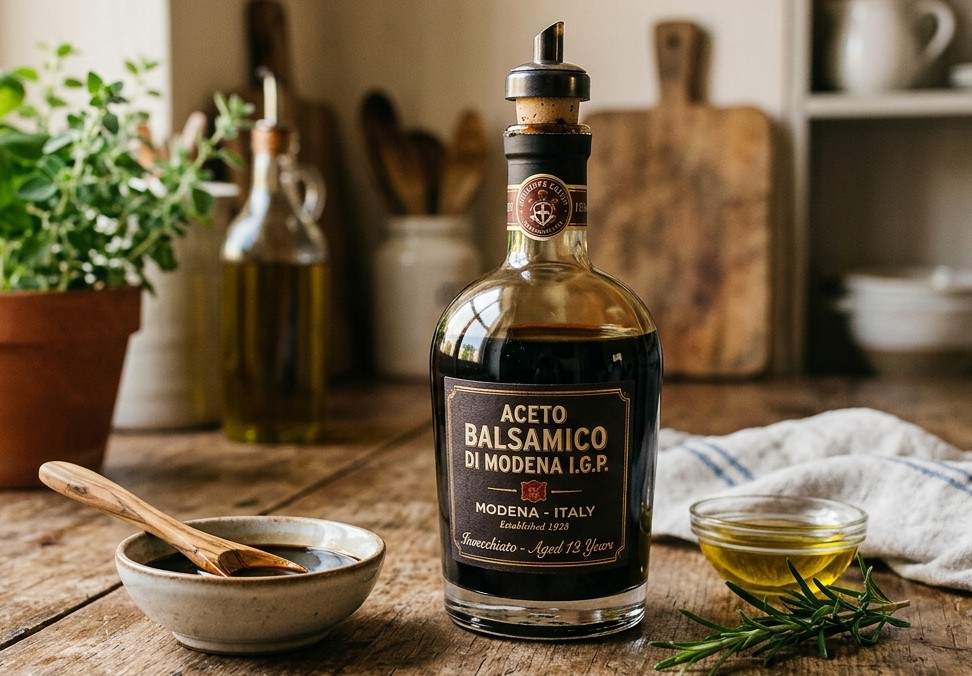
Balsamic vinegar is one of the world’s most cherished condiments, valued for its rich flavor, versatility, and long culinary tradition. Unlike regular vinegar, authentic balsamic vinegar is made from freshly crushed grape juice that is slowly aged in wooden barrels, allowing it to develop its signature sweet, tangy, and complex taste.
Although it is best known as a salad dressing ingredient, balsamic vinegar has become increasingly popular among health-conscious individuals because it is naturally low in calories and contains plant compounds that may support overall wellness. From enhancing roasted vegetables to glazing meats and fresh fruits, it can elevate everyday meals without adding excessive fat or sugar.
This guide explains what balsamic vinegar is, its nutritional profile, potential health benefits, different varieties, how it is produced, and practical ways to include it in your daily meals.
What Is Balsamic Vinegar?
Balsamic vinegar is a dark, concentrated vinegar traditionally produced in the Emilia-Romagna region of northern Italy. Unlike white or apple cider vinegar, authentic balsamic vinegar is made primarily from cooked grape must—the freshly pressed juice of grapes, including skins, seeds, and stems.
The grape must is slowly cooked, fermented, and aged for several years in a sequence of wooden barrels. During this aging process, moisture evaporates while the flavors become richer, sweeter, and more concentrated.
Today, there are several varieties of balsamic vinegar available worldwide, ranging from premium traditional products aged for decades to commercial versions blended with wine vinegar for everyday cooking. Authentic balsamic vinegar offers a harmonious balance of sweetness and acidity, making it suitable for both savory and sweet recipes.
History of Balsamic Vinegar
The origins of balsamic vinegar date back nearly a thousand years in Italy. Historical records suggest that families in Modena and Reggio Emilia produced aged grape vinegar as a treasured household product, often passing barrels down through generations.
Traditional balsamic vinegar was once considered so valuable that it was presented as a prestigious gift to nobility and royalty. Because production requires years of aging, it became associated with craftsmanship, patience, and exceptional quality.
Today, authentic traditional balsamic vinegar is protected by European geographical indication laws, ensuring that only products made according to strict standards can carry specific protected names.
Nutrition Facts of Balsamic Vinegar
The nutritional value varies depending on the brand and aging process. The following values represent approximately 1 tablespoon (15 ml) of commercial balsamic vinegar.
| Nutrient | Approximate Amount |
|---|---|
| Calories | 14 kcal |
| Carbohydrates | 2.7 g |
| Sugars | 2.4 g |
| Protein | 0 g |
| Fat | 0 g |
| Fiber | 0 g |
| Sodium | 4–6 mg |
| Potassium | Small amount |
| Calcium | Trace amount |
| Iron | Trace amount |
Values may vary slightly by manufacturer.
15 Proven Health Benefits of Balsamic Vinegar
1. Rich in Antioxidants
Balsamic vinegar contains polyphenols derived from grapes. These natural antioxidants help protect cells from oxidative stress and may contribute to overall health when consumed as part of a balanced diet.
2. May Support Heart Health
Some studies suggest that grape-derived polyphenols may help support healthy blood vessels and reduce oxidative damage associated with cardiovascular disease risk.
3. May Help Maintain Healthy Blood Sugar Levels
Consuming vinegar with carbohydrate-rich meals may slow gastric emptying and reduce post-meal blood sugar spikes in some individuals. This effect has been observed with several types of vinegar, including vinegar.
4. Low in Calories
Balsamic vinegar provides substantial flavor with very few calories, making it an excellent alternative to creamy dressings and high-fat sauces.
5. May Promote Healthy Digestion
The natural acids in balsamic vinegar may stimulate digestive secretions, helping the body break down food more efficiently.
6. Can Enhance Vegetable Intake
Its naturally sweet and tangy taste makes vegetables more enjoyable, encouraging higher consumption of fiber-rich foods that support digestive and overall health.
7. May Support Healthy Weight Management
Replacing calorie-dense sauces with balsamic vinegar can reduce overall calorie intake while adding satisfying flavor to meals.
8. Naturally Fat-Free
Balsamic vinegar contains virtually no fat, making it suitable for many heart-conscious and weight-management eating plans.
9. May Support Healthy Cholesterol Levels
Animal and laboratory studies suggest grape polyphenols may positively influence cholesterol metabolism, although more human research is needed.
10. Contains Beneficial Plant Compounds
In addition to polyphenols, balsamic vinegar contains naturally occurring bioactive compounds formed during grape fermentation and aging.
11. May Improve Meal Satisfaction
Its bold flavor profile can enhance the taste of healthy meals, helping people enjoy nutritious foods without relying on excessive salt or sugar.
12. May Contribute to Healthy Aging
Antioxidants found in grapes have been associated with protecting cells against free radical damage, an important factor in healthy aging.
13. Versatile for Healthier Cooking
Using vinegar instead of butter-heavy sauces or sugary glazes can make many recipes lighter while preserving flavor.
14. Naturally Gluten-Free
Pure balsamic vinegar is naturally gluten-free, making it suitable for people with celiac disease or gluten sensitivity. However, always check labels for flavored varieties.
15. Easy to Include in Everyday Meals
Unlike some specialty health foods, vinegar can be incorporated into salads, vegetables, fruits, marinades, soups, and grilled dishes with minimal effort.
Types of Balsamic Vinegar
Understanding the different varieties can help you choose the right product for your needs.
1. Traditional Balsamic Vinegar (Aceto Balsamico Tradizionale)
This is the highest-quality vinegar. It is made exclusively from cooked grape must and aged for at least 12 years in wooden barrels. It has a thick texture, deep flavor, and exceptional complexity.
Best for:
- Cheese boards
- Fresh strawberries
- Parmesan cheese
- Desserts
- Finishing dishes
2. Traditional Extra-Aged Balsamic Vinegar
These premium vinegars are typically aged for 25 years or longer, resulting in an even richer, sweeter, and more concentrated flavor.
Best for:
- Gourmet dishes
- Fine dining
- Drizzling over aged cheeses
- Premium desserts
3. Balsamic Vinegar of Modena (IGP)
This is the most widely available variety. It combines cooked grape must with wine vinegar and is aged for a shorter period than traditional vinegar.
Best for:
- Salad dressings
- Marinades
- Vegetables
- Everyday cooking
4. Commercial Balsamic Vinegar
Commercial versions often contain wine vinegar, grape concentrate, caramel coloring, and stabilizers to achieve a consistent flavor and appearance.
Best for:
- Daily household cooking
- Sauces
- Stir-fries
- Budget-friendly recipes
5. Balsamic Glaze
Balsamic glaze is a thicker, sweeter product created by reducing balsamic vinegar or adding sweeteners.
Best for:
- Pizza
- Sandwiches
- Roasted vegetables
- Fruit
- Ice cream
How Balsamic Vinegar Is Made?
Authentic balsamic vinegar production is a lengthy process that combines tradition, craftsmanship, and patience.
Step 1: Harvesting Grapes
Fresh grapes, commonly Trebbiano and Lambrusco varieties, are harvested at peak ripeness.
Step 2: Preparing the Grape Must
The grapes are crushed to create grape must, which includes the juice, skins, seeds, and stems.
Step 3: Slow Cooking
The grape must is gently cooked for several hours until it becomes concentrated and naturally sweeter.
Step 4: Fermentation
Natural yeasts convert grape sugars into alcohol, while bacteria gradually transform the alcohol into acetic acid.
Step 5: Barrel Aging
The vinegar is transferred through a series of progressively smaller wooden barrels made from woods such as oak, cherry, chestnut, mulberry, and juniper. Each type of wood contributes distinctive aromas and flavors.
Step 6: Natural Concentration
Over many years, water slowly evaporates, concentrating the vinegar’s sweetness, acidity, and complexity.
Step 7: Bottling
Once the vinegar reaches the desired maturity, it is carefully bottled according to strict quality standards.
Culinary Uses of Balsamic Vinegar
Balsamic vinegar is remarkably versatile and complements a wide variety of dishes.
Popular ways to use it include:
- Drizzling over fresh green salads
- Mixing into homemade vinaigrettes
- Marinating chicken, fish, tofu, or beef
- Roasting vegetables such as carrots, Brussels sprouts, and asparagus
- Glazing grilled meats
- Adding depth to soups and stews
- Enhancing pasta dishes
- Pairing with mozzarella and tomatoes
- Drizzling over strawberries, peaches, or figs
- Finishing pizza after baking
- Serving with Parmesan cheese
- Mixing into grain bowls and roasted vegetables
Its balance of sweetness and acidity allows it to replace heavier sauces while adding rich, sophisticated flavor.
Side Effects of Balsamic Vinegar
Balsamic vinegar is generally safe when consumed in moderation as part of a balanced diet. However, excessive intake or certain health conditions may increase the risk of unwanted effects.
1. May Cause Acid Reflux
Its acidic nature may trigger heartburn or worsen acid reflux symptoms in people with gastroesophageal reflux disease (GERD).
2. Can Irritate the Mouth and Throat
Consuming large amounts of undiluted balsamic vinegar may irritate the mouth, throat, or esophagus because of its acidity.
3. May Affect Tooth Enamel
Frequent exposure to acidic foods and beverages can gradually wear down tooth enamel. Using vinegar in meals rather than drinking it directly and rinsing your mouth with water afterward may help reduce this risk.
4. May Cause Stomach Discomfort
Some people may experience bloating, nausea, or stomach irritation if they consume excessive amounts of vinegar, especially on an empty stomach.
5. Added Sugar in Some Products
Commercial vinegars and balsamic glazes may contain added sugar or caramel coloring. Reading the nutrition label can help you choose a product that aligns with your dietary goals.
6. Possible Medication Interactions
Although uncommon, consuming large amounts of vinegar may influence blood sugar levels. Individuals taking diabetes medications or insulin should monitor their blood glucose and consult a healthcare professional before significantly increasing vinegar intake.
Who Should Limit or Avoid Balsamic Vinegar?
Balsamic vinegar is suitable for most healthy adults, but moderation is recommended for certain individuals.
You may need to limit or avoid it if you:
- Have severe acid reflux or GERD.
- Experience stomach ulcers or chronic gastritis.
- Have frequent tooth enamel erosion.
- Are allergic to grapes or grape-derived products (rare).
- Have been advised by your healthcare provider to avoid acidic foods.
If you have a chronic medical condition or take prescription medications, seek personalized advice from a qualified healthcare professional before making significant dietary changes.
How Much Balsamic Vinegar Can You Consume Daily?
There is no official recommended daily intake for balsamic vinegar. For most healthy adults, 1–2 tablespoons (15–30 ml) per day used in meals is generally considered a reasonable amount.
Using balsamic vinegar as part of salad dressings, marinades, or vegetable dishes allows you to enjoy its flavor without excessive consumption.
Tips for Choosing High-Quality Balsamic Vinegar
Not all balsamic vinegars are created equal. Here are a few tips to help you select a quality product:
- Look for “Aceto Balsamico Tradizionale” if you want an authentic, traditionally aged product.
- Check the ingredient list. A shorter list is often better.
- Choose products with grape must listed as the primary ingredient.
- Avoid products with excessive added sugar if you’re looking for a healthier option.
- A good-quality vinegar should have a balanced sweet-and-tangy flavor rather than an overly sharp acidic taste.
How to Store Balsamic Vinegar?
Proper storage helps preserve the flavor and quality of vinegar.
- Store it in a cool, dry place away from direct sunlight.
- Keep the bottle tightly sealed after each use.
- Avoid storing it near heat sources such as ovens or stovetops.
- Refrigeration is generally unnecessary.
- Use a clean, dry bottle cap to prevent contamination.
When stored correctly, vinegar has a long shelf life because its acidity helps inhibit bacterial growth.
FAQ’s
Is balsamic vinegar healthy?
Yes. vinegar is low in calories and contains antioxidants from grapes, making it a healthy addition to a balanced diet when used in moderation.
Can I use balsamic vinegar every day?
Yes, most healthy adults can enjoy 1–2 tablespoons daily as part of meals.
Is balsamic vinegar good for weight loss?
It may support weight management by adding flavor to meals without many calories, but it is not a weight-loss remedy.
Is balsamic vinegar keto-friendly?
Many varieties can fit into a keto diet when used in small amounts. Check the nutrition label for carbohydrate and sugar content.
Is balsamic vinegar gluten-free?
Pure vinegar is naturally gluten-free. Always check labels on flavored or processed varieties.
Can people with diabetes consume balsamic vinegar?
Yes, in moderation. Choose products without added sugar and consult your healthcare provider if you have diabetes.
Is balsamic vinegar vegan?
Most traditional vinegars are vegan, but some specialty products may use animal-derived processing agents. Check the label if needed.
What does balsamic vinegar taste like?
It has a rich, sweet, tangy, and slightly acidic flavor with fruity and woody notes that become more complex with aging.
Can balsamic vinegar be used for cooking?
Yes. It works well in sauces, glazes, marinades, soups, and roasted dishes, and it can also be drizzled over finished meals.
Does balsamic vinegar need to be refrigerated?
No. Store it in a cool, dark place with the bottle tightly sealed.
How long does balsamic vinegar last?
Because of its acidity, vinegar has a long shelf life. While it may gradually lose flavor over time, it generally remains safe to use if stored properly.
What is the difference between balsamic vinegar and regular vinegar?
Balsamic vinegar is made from cooked grape must and aged to develop a sweet, complex flavor, whereas regular vinegar is typically made from fermented alcohol and has a sharper, more acidic taste.
Can balsamic vinegar go bad?
It rarely spoils due to its high acidity, but its flavor and aroma may diminish over time.
Is balsamic vinegar acidic?
Yes. Like other vinegars, it is acidic, although its natural sweetness balances the acidity.
Can balsamic vinegar cause acid reflux?
Yes. People with GERD or acid reflux may experience symptoms after consuming acidic foods, including vinegar.
Which balsamic vinegar is the best?
Traditional Balsamic Vinegar of Modena (PDO) is considered the highest-quality option due to its authentic production methods and long aging process.
Is balsamic vinegar safe for children?
Yes. When used in normal food quantities, vinegar is generally safe for children as part of a balanced diet.
Does balsamic vinegar expire?
Although it does not spoil easily, its flavor and aroma may gradually decline over time. Proper storage helps maintain its quality.
Is balsamic vinegar good for your health?
Yes. vinegar is low in calories and contains antioxidants from grapes. When used in moderation as part of a balanced diet, it can be a healthy addition to meals.
Is balsamic vinegar high in sugar?
No, traditional vinegar is not considered high in sugar when consumed in small amounts. However, some commercial varieties and balsamic glazes may contain added sugars, so check the nutrition label.
What is healthier, olive oil or balsamic vinegar?
Both are healthy but serve different purposes. Extra virgin olive oil provides heart-healthy fats and vitamin E, while balsamic vinegar is low in calories and contains antioxidants. Using them together in a salad dressing offers the benefits of both.
Is balsamic vinegar good for kidneys?
For most people with healthy kidneys, vinegar is safe in moderation. Individuals with chronic kidney disease should follow their healthcare provider’s dietary recommendations, especially regarding sodium and potassium intake.
Which is healthier, apple cider vinegar or balsamic vinegar?
Both have potential health benefits. Apple cider vinegar is often studied for blood sugar management, while balsamic vinegar provides antioxidants and a naturally sweet flavor. Neither is clearly healthier overall—the best choice depends on your dietary needs and personal preference.
Conclusion:
Balsamic vinegar is much more than a flavorful condiment. Its unique production process, rich history, and naturally occurring antioxidants make it a valuable addition to many healthy eating patterns. While it should not be viewed as a cure for disease, replacing high-calorie sauces and dressings with vinegar can add flavor to meals without significantly increasing calorie intake.
Choosing a high-quality product, using it in moderation, and pairing it with nutrient-rich foods such as vegetables, whole grains, legumes, and lean proteins can help you enjoy both its culinary and nutritional benefits.
Sources / References:
- Harvard T.H. Chan School of Public Health – The Nutrition Source
- U.S. Department of Agriculture (USDA) FoodData Central
- MedlinePlus – Nutrition
- Academy of Nutrition and Dietetics
- National Center for Biotechnology Information (NCBI)
- European Food Information Council (EUFIC)
- International Scientific Association for Probiotics and Prebiotics (ISAPP)
About the Author:
Written by: Kirti Solanki (Health Content Researcher)
Kirti Solanki is a Health Content Researcher dedicated to creating well-researched, reader-friendly, and evidence-based health and nutrition content. She specializes in simplifying complex medical and nutritional topics into practical information that helps readers make informed lifestyle choices.
Disclaimer:
This article is intended for educational and informational purposes only and should not be considered medical advice, diagnosis, or treatment. Always consult a qualified physician, registered dietitian, or other licensed healthcare professional before making significant dietary or lifestyle changes.
Also Read: